
Quick Answer: New year journaling prompts are guided questions that help you reflect on the year behind you and set clear intentions for the year ahead. The best ones move you through release, clarity, and commitment.
Fifty percent fewer doctor visits over six months. That was what James Pennebaker’s 1986 UT Austin study found in people who wrote about hard things for fifteen minutes, four days in a row. Forty years of replications have held up the effect.
The new year is the easiest invitation to try the protocol, but the cliché prompts won’t get you there. The twelve below are organized by what your brain actually needs: release, clarify, commit. Pick one from each pile.
Want a soft structure for the new year? The Self-Care & Wellness Planner pairs perfectly with these prompts, with weekly check-ins, monthly intentions, and gentle tracking that keeps the journaling habit alive past mid-January. Grab it on Stan Store, →
Recommended Products for Your New Year Journaling Practice
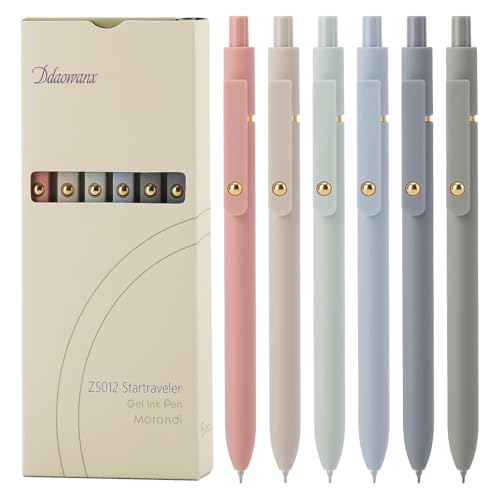
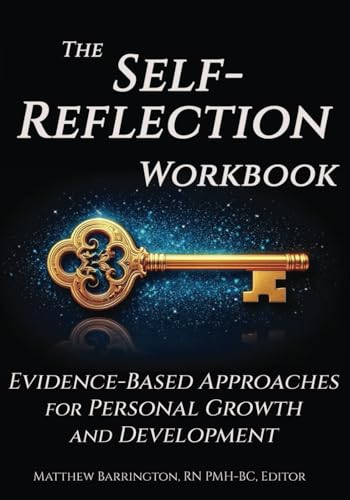
Tools matter less than showing up, but the right ones make showing up easier. These are the five you’ll actually reach for when the prompts feel hard.


Recommended Reads
- New Year Reflection Questions for a More Intentional Reset
- Letting Go Before the New Year for a Softer Reset
- How to Redefine Success in the New Year
- What Intentional Living Really Means in Everyday Life
- Year End Reflection Questions for a Soft Finish
Why journaling for a new year reset actually works
There’s a reason every wellness book this decade starts with a journaling chapter, and it’s not because writing feels productive. The research is older and better than the trend. When you write about something heavy, your brain stops looping it as background noise. The energy that was guarding the feeling gets returned to you.
Pennebaker’s original 1986 study, published in the Journal of Abnormal Psychology, found that participants who wrote for fifteen to twenty minutes a day across three days saw lasting drops in stress and physician visits, sometimes for months.
A separate study by Dr. Gail Matthews at Dominican University found that people who write down their goals are forty-two percent more likely to achieve them than those who only think about them.
There’s also a timing effect on top of all that. Researchers Dai, Milkman, and Riis at Wharton documented what they call the fresh start effect, where temporal landmarks (new years, birthdays, the first of a month) psychologically separate you from your past self and make new behavior easier to start.
New year journaling sits at the exact intersection of those two findings.
The 3-day journaling practice (release, clarify, commit)
You don’t need to do all thirty-six prompts. You need to pick three sessions, one for each day, and write for fifteen minutes per session. That’s it. The structure does the work.
Day one is for release. You’re naming what you’re carrying. Day two is for clarity. You’re identifying what actually matters to you under all the noise.
Day three is for commitment. You’re choosing one or two things to anchor your year. If you skip a day, start again the next morning. The practice is gentle, not perfect.
Write by hand if you can. Researchers like Pennebaker have found that handwritten reflection engages more emotional processing than typing, which is part of why the benefits stick.
12 release prompts for day one
These are the prompts that loosen things up. You’re not solving anything yet; you’re letting yourself see what’s there. Pick three or four that catch you, set a timer for fifteen minutes, and write without editing.
What am I still carrying from this year that I don’t want to bring forward?
Start here. Whatever name surfaces, write about it for the full session. The point is to get it onto the page, where you can finally look at it. Don’t tidy the answer.
What did I do this year that I’m proud of, even quietly?
We forget our wins faster than our losses. The brain has a documented negativity bias that makes the heavy stuff feel louder. Write about the small things first, the ones nobody noticed but you.
What disappointed me, and what did I learn from it?
If you skip this one, you’ll carry it. Write about the disappointment in detail. Then ask yourself, gently, what it taught you about what you actually want.
What did I outgrow this year that I’m still trying to fit into?
Sometimes the thing weighing the heaviest is something you’ve already moved past, you just haven’t admitted it yet. A friendship, a job description, a version of yourself. Name it on the page.
12 clarify prompts for day two
Day two is the quieter session. You’ve put the heavy things down; now you can see what’s underneath. These prompts ask what you actually want, not what you’re supposed to want.
What three words would I want to describe me by the end of next year?
Not goals. Not achievements. Three words. The exercise sounds small but it cuts through the noise of resolution culture fast. Write them down and let them direct your next answers.
What am I most curious about right now?
Curiosity is a better compass than ambition. Where your attention keeps drifting, even quietly, is often where the real next chapter lives. Write about the thing you’ve been Googling at 11 PM.
If money and time weren’t factors, what would my Wednesday look like?
Not your Saturday. Wednesday. The day reveals what you actually want a life to feel like, not how you want to escape it. Sketch the full day, hour by hour, with as much specific detail as you can.
What boundaries did I wish I’d held this year?
Write the situations specifically. The boundary you wanted to hold, the reason you didn’t, and the cost of not holding it. This prompt is uncomfortable, and that discomfort is the data.
12 commit prompts for day three
Day three is where you anchor. Don’t list twenty resolutions. Pick the one or two things that came up across both days, and commit to them in writing. The act of writing them down is what makes them stick.
Based on what I released and clarified, what is my one anchor for the year?
One. Not five. The Lally habit research suggests it takes around sixty-six days for a new behavior to feel automatic; you can’t run sixty-six days at five things. Pick the one anchor.
What’s the first small step I can take this week toward that anchor?
Then take it. The fresh start effect motivation window lasts roughly four to eight weeks, so use it. Don’t wait for the perfect plan; use the energy you have now to start something tiny and repeatable.
Who do I need to tell, and what kind of support do I want from them?
The Dominican University research that found the forty-two percent goal-achievement boost was specifically about writing goals down AND sharing them with someone. Pick one person. Tell them what you’re doing and what you need from them.
How will I know, six months from now, that this practice mattered?
Write the answer in specifics. Not ‘I’ll feel better’ but ‘I’ll have completed three creative projects’ or ‘I’ll have a Sunday wind-down I actually look forward to.’ Specific is what you can come back to in July when you’re tired.
How to keep the journaling habit going past January
Most journaling habits collapse around January 18. The motivation window from the fresh start research starts to close, life resumes its usual pace, and the journal ends up in a drawer. The fix is small.
Drop the daily expectation. Aim for three sessions a week, fifteen minutes each. Researcher Phillippa Lally’s habit-formation study put the average automaticity threshold at sixty-six days, but the same study found wide variation, with some habits clicking in eighteen days and others taking up to eight months. The variable is consistency, not perfection.
Keep the journal somewhere you’ll see it. Pair it with a cue you already have, your morning coffee, your evening tea, the moment you sit down to read. The cue does the work the willpower can’t.