
A personal improvement plan that sticks pairs honest self-assessment with three to five priority goals, habit stacking onto existing routines, and a Sunday review cadence. The 47-goal plan across 12 life areas almost always collapses by week three.
The popular advice about personal improvement plans tends to recommend the maximalist version: write goals across 12 life areas, design a perfect morning routine, track 18 habits, journal nightly, exercise daily, read 50 books, meditate 20 minutes, sleep 8 hours, drink 3 liters of water, audit your finances quarterly, and become a different person inside 90 days.
The plans look impressive on the first page. They collapse predictably by week three.
The improvement plans that actually stick share a different shape. Three to five priority goals, not 47. One quarter horizon, not 12 months. Habit stacking onto routines you already have, not the perfect-routine redesign. A real Sunday review that adjusts the plan based on what the week actually taught you.
The Scott Jeffrey 7-step framework reflects this consistently: honest self-assessment, focused goals, action steps, habit stacking, accountability, review cadence, quarterly adjustment. Research on tracked development plans shows people who maintain a real review rhythm are 76% more likely to stick to the plan than those who write the plan and never revisit it.
Want a weekly planner that holds the Sunday review and the daily priority goals?
The Self-Care Planner is the structured weekly companion that anchors the seven-step improvement plan into a real weekly cadence: Sunday review, daily priority block, habit tracking grid, monthly adjustment page. It lives here.
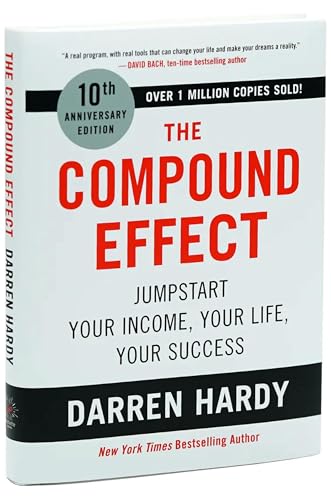
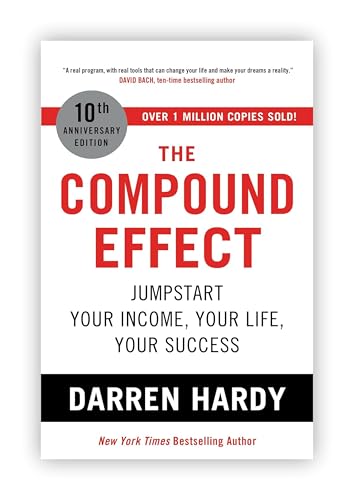
Recommended Improvement Plan Books at a Glance
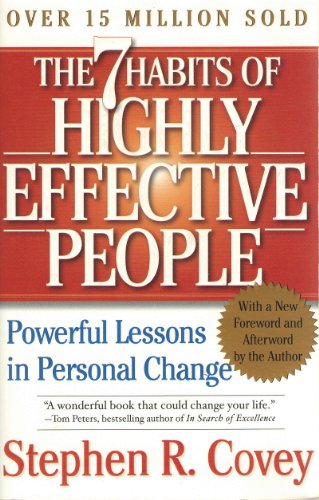
Five canonical books behind the seven-step framework. The numbered steps further down are the actual plan.


Recommended blogs to read:
- How to Change Yourself Without Becoming Someone Different
- Monthly Challenge Ideas That Actually Build Discipline
- Smart Goal Setting That Actually Produces Results
- Self Improvement Tips That Changed My Daily Routine
- Micro Habits That Add Up to Real Change
- self improvement tips that actually work in real life
Why Maximalist Plans Collapse and Focused Plans Survive
Personal improvement plans fail at predictable failure rates when the plan exceeds the available daily attention. The 12-life-area plan requires roughly four hours of focused execution every single day to keep current with the tracking alone, before any actual habit work happens.
The reading goals collide with the exercise goals. The journaling time collides with the evening wind-down. The meal-prep windows collide with the deep-work blocks. The plan looks coherent on the page and incoherent inside an actual week.
The focused three-to-five-goal plan survives because the cognitive load matches the available attention. BJ Fogg’s Tiny Habits research at Stanford makes the mechanism explicit: small habits anchored to existing routines have a near-perfect adherence rate, while large standalone habits collapse inside three weeks.
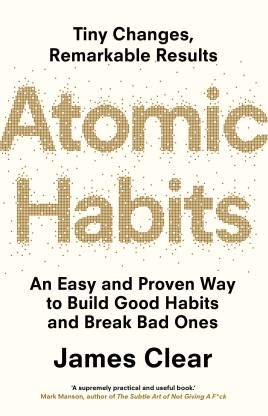
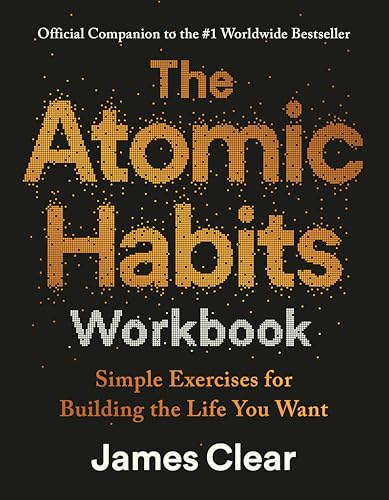
James Clear’s identity-based framing in Atomic Habits carries the same principle from a different angle: the plan that asks who you want to become and aligns small daily votes with that identity is the plan that compounds across quarters.
The 7-Step Personal Improvement Plan Framework
Walk through the steps in order. Each step builds on the prior. Skipping the self-assessment is the most common cause of plan collapse.
1. Honest Self-Assessment


Open the notebook. Score your current state across the five buckets that actually matter: work, money, health, relationships, inner life. Score one to ten on satisfaction and one to ten on stability. The bucket scoring lowest is where the plan needs to start. The honest scoring is the part most people avoid because it is uncomfortable.
The plans that skip this step end up polishing the bucket that was already at an eight while the bucket at a three keeps quietly draining the rest of the system.
2. Three to Five Priority Goals
Write three to five goals for the next 90 days, not 47 for the year. Each goal needs the SMART structure: specific outcome, measurable marker, achievable from your current baseline, relevant to the bucket you identified, time-bound to a 90-day window.
The discipline of choosing three to five is itself a growth move. The plan that lists 47 goals is the plan that admits it cannot prioritize.
3. Concrete Action Steps

Break each priority goal into the specific weekly actions that will produce it. Goal: read 12 books in 90 days. Action: 30 minutes of reading every weekday morning before the inbox opens. Goal: pay off the credit card balance.
Action: transfer 400 dollars from each paycheck into the debt account, then reduce the balance from there. Specific actions beat vague intentions every time because the brain can execute a concrete step and cannot execute an abstraction.
4. Habit Stacking on Existing Routines

Attach each new habit to a routine that already happens. After morning coffee, ten minutes of reading. After brushing teeth, two minutes of stretching. After shutting the laptop, a five-minute walk. BJ Fogg’s Tiny Habits research found stacking new habits onto established anchors produces far higher long-term adherence than the standalone-habit approach the self-help industry typically recommends.
5. Accountability and Tracking



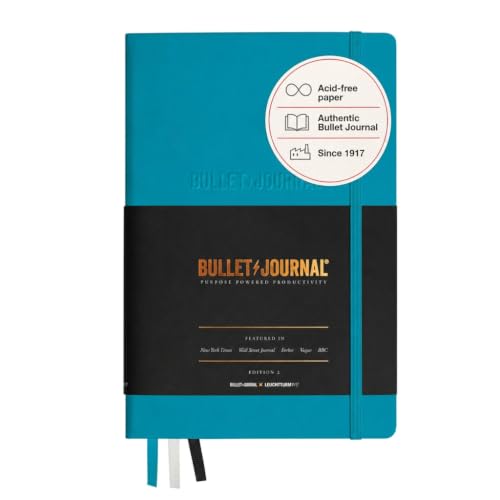
A plain habit tracker in the bullet journal, the Notes app, or a dedicated habit-tracking notebook. Daily check-in. Visible streak. Honest mark when the habit did not happen. The studies on plan completion consistently find tracked plans are 76% more likely to stick than untracked ones because the daily visibility produces the small accountability loop the plan needs to survive past week three.
6. A Real Sunday Review Cadence


The non-negotiable. Sunday evening, 30 minutes, the notebook open, the week reviewed honestly. What worked. What did not. What the week taught you about the plan that you did not know last Sunday.
The review is where the plan stays connected to reality. The plan that never gets reviewed becomes a plan that gradually describes a different person from the one actually living the week.
7. Quarterly Adjustment

Every 90 days, rebuild. The bucket scores get redone. The three to five priority goals get rewritten based on the new bucket scores. The action steps get adjusted for what the prior quarter actually produced.
The quarterly rebuild is what keeps the plan responsive to a life that changes and prevents the plan from calcifying into a document the writer outgrew six months ago.
8. Identity Alignment
The deepest layer of plan adherence. James Clear’s Atomic Habits frames habits as votes for the identity you want to claim. The reader. The person who exercises. The person who saves consistently. Aligning the daily habits with the identity you are building is what makes the plan feel like a return to who you are rather than a forced departure from who you have been.
9. Small First Action
Inside 24 hours of writing the plan, do one tiny action that proves the plan is real. Email the accountability partner. Buy the habit tracker journal. Block the Sunday review time in the calendar. The small first action is the brain’s signal that movement is possible and the plan is more than a document.
Plans that get written and not actioned inside the first 24 hours have a much lower adherence rate than plans that get a small concrete first movement immediately.
10. A 90-Day Reflection at Quarter Close



Reserve the last Sunday of each quarter for a longer reflection. What did this quarter actually produce. Which habits compounded. Which goals turned out to matter less than they seemed in January.
What the next quarter needs to focus on. The 90-day reflection is the practice that turns a year of improvement work into compounding gains rather than a series of abandoned start-overs.
Want the wellness companion that anchors the daily habits and quarterly reflections?
The Self-Care and Wellness Planner adds the habit tracking grids, the weekly review prompts, and the quarterly reflection pages the seven-step framework actually requires to stick across 12 months of real life. It lives here.
Common Reasons Personal Improvement Plans Collapse
The three to five most common collapse patterns. Recognize them inside your own plan and adjust before the plan stops working.
- Too many goals. The 47-goal plan collapses because no single goal gets sustained attention across the quarter.
- No review cadence. The plan written in January and never reopened becomes invisible by March.
- Skipping the self-assessment. The plan polishes the bucket that was already strong and ignores the bucket that was draining the rest.
- Standalone habits with no anchor. New habits floating without an existing routine to attach to almost always collapse inside three weeks.
- Identity mismatch. The plan describes a person you actually do not want to become, so the daily votes feel forced rather than aligned.
- All ambition, no specifics. Vague goals like “get healthier” cannot be executed because the brain cannot execute an abstraction.
How Long the Plan Takes Before You See Results
The first measurable results usually arrive between week four and week six. The habit tracker shows the first 30-day streak. The priority goal has produced a concrete deliverable (a book finished, a debt payment made, a workout streak unbroken). The Sunday reviews have begun to feel like a meaningful weekly anchor rather than a chore.
Week one to three is the discomfort window where the plan feels fragile and the temptation to abandon is highest. Crossing week four is the inflection point where the plan begins to feel like the new normal.
The deeper compounding gains arrive between months three and six. The quarterly review cycles have happened. The habits have stacked into routines. The priority goals have produced measurable change in the buckets they were designed to address. James Clear’s 1% better daily framing in Atomic Habits makes the math explicit: a 1% daily compounding gain across 12 months produces a 37x improvement, which is the actual reason the boring consistent plan outperforms the dramatic transformation plan every time.
Frequently Asked Questions
What is a personal improvement plan?
A personal improvement plan is a structured document that defines three to five priority goals for the next 90 days, the specific action steps that will produce them, the habits that will support them, the tracking method, and the review cadence that keeps the plan connected to actual life. The plan is a working document, not a fixed contract.
How do you write a self-improvement plan?
Score your current state across work, money, health, relationships, and inner life. Write three to five priority goals for the next 90 days. Define the concrete weekly action steps. Stack new habits onto existing routines. Set up a tracker. Block a Sunday evening for the weekly review. Take one small first action inside 24 hours.
How long should a personal improvement plan be?
A 90-day horizon with three to five priority goals is the sweet spot. The 12-month plan with 47 goals is too maximalist to sustain. The 30-day plan is too short for the habits to compound. The 90-day window matches a natural rhythm and produces the first measurable wave of results.
What are the steps in a personal growth plan?
The 7-step framework: self-assessment, three to five priority goals, concrete action steps, habit stacking onto existing routines, accountability and tracking, Sunday review cadence, quarterly adjustment. The three to five additional steps in this guide cover identity alignment, the small first action, and the quarterly reflection.
How often should I review my personal improvement plan?
A weekly Sunday review of 30 minutes is the non-negotiable cadence. A longer quarterly review at day 90 rebuilds the bucket scores, rewrites the priority goals, and adjusts the action steps. The plan that gets reviewed weekly survives. The plan that gets written and never reopened almost always collapses.
What should be in a personal development plan?
A current-state assessment, three to five priority goals for the next 90 days, the action steps that will produce them, the habits that will support them, the tracking method, the weekly review schedule, and a quarterly adjustment date. Identity alignment statements and a small first action round out the structure.
Key Takeaways
- Personal improvement plans stick when they pair self-assessment with three to five priority goals, not when they list 47 across 12 life areas.
- The 7-step framework: assessment, focused goals, action steps, habit stacking, tracking, weekly review, quarterly adjustment.
- Habit stacking onto existing routines produces far higher long-term adherence than standalone new habits.
- A weekly Sunday review of 30 minutes is the cadence that keeps the plan connected to actual life.
- Tracked plans are 76% more likely to stick than untracked ones because daily visibility produces the accountability loop.
- First measurable results between weeks four and six. Compounding gains between months three and six.
Final Thoughts
Personal improvement plans that stick are not the maximalist 12-area frameworks the self-help industry keeps recommending. They are focused, honest, anchored to existing routines, and reviewed weekly. Three to five priority goals across one 90-day quarter, tracked daily, reviewed Sunday evenings, rebuilt every quarter.
The compounding gains arrive between months three and six. The plan that stays connected to your actual life is the plan that produces actual change.
Last update on 2026-08-15 / Affiliate links / Images from Amazon Product Advertising API