
Financial resolutions that hold use the SMART framework (Specific, Measurable, Achievable, Relevant, Time-bound), the 50/30/20 rule as the starter structure, and quarterly check-ins as the keystone compliance practice. Only 8 to 10 percent of resolution-setters achieve their goals long-term; the protocol below covers what the 8 to 10 percent share.
Forty-six percent of Americans set ‘save more money’ as a 2026 New Year resolution, the single most common financial goal across multiple national surveys. Only eight to ten percent of resolution-setters achieve their goals long-term, and roughly nine percent stick through the full calendar year.
The 2026 financial-planning research, drawn from Patten Financial, Infinity Solutions, Midwest Bank, and the Monarch annual report, converges on the same set of practices the eight-to-ten-percent group share. The SMART goal framework. The 50/30/20 starter structure. Quarterly check-ins as non-negotiable appointments. The protocol below covers each piece and how to stack them into financial resolutions that survive past February.
Want the structured planner the financial resolutions fit inside?
The Ultimate Budget Planner is the structured monthly companion built around the quarterly-check-in cadence. It lives here.
Recommended Tools for the Financial Resolutions
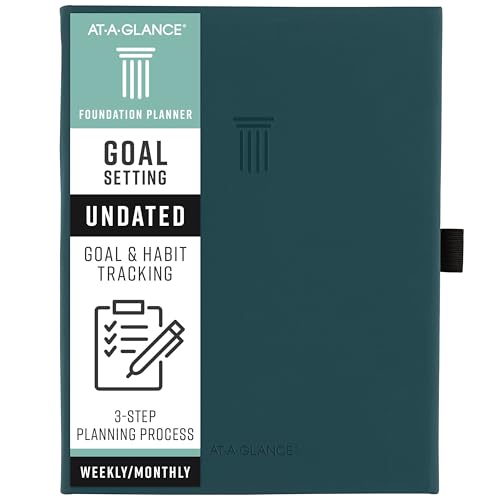
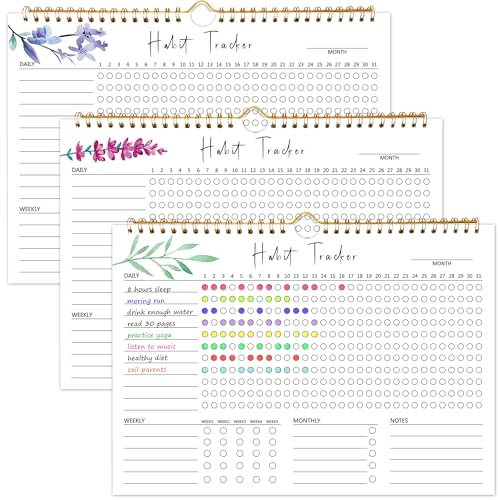
A small stack of physical anchors keeps the resolutions on track. The five recommendations are the ones most consistently mentioned in the goal-setting research.



Recommended reads:
- A Weekly Money Reset for Calmer Financial Self Care
- The Monthly Money Reset That Keeps Your Budget on Track
- A Money Mindset Routine for a Healthier Relationship With Cash
- How to Do a No Spend Month Without Feeling Miserable
- How to Recover Financially Without Shame or Panic
Why Most Financial Resolutions Fail
The 8 to 10 Percent Number
Multiple surveys converge: only eight to ten percent of resolution-setters achieve their goals long-term, and roughly nine percent stick through the full calendar year. The number has held steady for two decades despite the constant flow of new-year content. The failure rate is structural.
Where Financial Resolutions Fail Specifically
Vague goals (‘save more money’). Missing accountability (‘I’ll check in when I have time’). Absent design (‘I’ll just be more disciplined’). The three failure modes are predictable and they show up in roughly that order across January through March.
The protocol below addresses each one directly. The mindset shifts for new year guide covers the broader cognitive frame the financial-specific version fits inside.
The SMART Framework Applied to Money
What SMART Means
Specific (a clear target with a dollar amount). Measurable (a metric that can be tracked monthly). Achievable (within reach given current income). Relevant (connected to a deeper value the goal serves). Time-bound (a deadline by which the goal completes). All five criteria; not just one or two.
A SMART Resolution Example
Vague: ‘Save more money.’ SMART: ‘Save $5,000 to an emergency fund by December 31, 2026, by transferring $420 automatically on the first of each month, because financial cushion is connected to family stability.’ The SMART version is roughly four times more likely to complete than the vague version in the goal-setting literature.
The Three to Five Goal Rule
Three to five SMART financial goals for the year is the working range. More than five and the attention dilutes. Fewer than three and the year feels rudderless. The three to five goals get written explicitly and reviewed at every quarterly check-in. The growth mindset guide covers the broader Dweck framework the goal-setting work sits inside.
The 50/30/20 Starter Structure
The Rule
Fifty percent of after-tax income to needs (rent, utilities, groceries, transportation, insurance, minimum debt payments). Thirty percent to wants (dining out, entertainment, hobbies, non-essential shopping). Twenty percent to savings and debt acceleration. The rule is a starter, not a permanent structure , most households need to adjust within three to six months as the real numbers come into view.
Why It Works as a Starter
Most households arriving at financial-resolution work do not have a current baseline for what percentages they are actually running. 50/30/20 gives an immediate target to measure against. The first month’s actuals often surface that the household is at 65/30/5 or 50/45/5 or some other distortion.
Naming the actuals is the first intervention. The 30 day reset challenge covers the broader monthly framework the percentage tracking fits inside.
When to Customize
After three months of running the rule, customize the percentages to the specific situation. High debt: shift the 30 percent wants down to 20 and the 20 percent savings/debt up to 30. Aggressive savings goal: shift the wants down further.
Low income relative to fixed costs: needs may legitimately run 65 percent, and the structure needs adjusting upstream (income, housing) rather than within the percentages.
Quarterly Check-Ins as the Keystone
Why Quarterly Beats Yearly or Monthly
The yearly review is too slow , by the time the December review happens, the January resolutions have drifted unrecognizably. Monthly is too granular for strategic recalibration. Quarterly is the cadence the long-term-succeeding group uses across the personal-finance research. The 2026 Patten Financial guidance phrases it as ‘treating quarterly check-ins as non-negotiable appointments.’
The 4-Date Calendar
Last Sunday of March. Last Sunday of June. Last Sunday of September. Last Sunday of December. Twenty minutes each. Three questions: what is still true about the goal, what has changed in the underlying situation, what needs adjustment for the next quarter.
The dates go on the calendar in January for the whole year. The sunday reset routine covers how the quarterly slots fold into the broader Sunday architecture.
The Three Questions
Question one: is the goal still relevant , has life shifted enough to change the priority. Question two: is the trajectory on pace , does the current rate actually reach the target by deadline. Question three: what is the one specific adjustment for the next quarter. The format keeps the check-in short and the output actionable.
The Sequence Over Twelve Months
January: Set the Three to Five Goals
First week of January. Write the three to five SMART goals explicitly. Set up the automation for the savings-related goals (automatic transfers on the first of each month). Add the four quarterly check-in dates to the calendar. Total time investment: ninety minutes once.
February to March: Monthly Tracking
The first quarter is mostly about getting the data flowing. Each month’s actuals against the SMART targets. Notice the categories that miss. The categorical drift is what the quarterly check-in needs.
End of Quarter Reviews
March, June, September, December , the four-date format. Twenty minutes. Three questions. By the September check-in, the trajectory is usually visible enough to predict whether the year-end goal hits. If not, the September recalibration is where the year still has time to course-correct.
December Reset
The December check-in doubles as the next-year planning session. What worked. What did not. What goals carry forward. What new goals replace the completed ones. The continuity from year to year is what compounds the resolutions into a long-term financial trajectory. The balance hustle and healing covers the broader sustainable-pace work the year-long financial design fits inside.
Common Traps to Avoid
The Too-Many-Goals Trap
More than five financial goals dilutes the attention. The completion rate drops with each additional goal beyond five. Three is usually right. Five is the upper bound.
The Vague Goal Trap
Goals without specific numbers and dates are wishes. ‘Pay off credit card’ becomes ‘Pay off $8,000 credit card by October 31, 2026, at $800 per month.’ The specificity is the load-bearing variable.
The Solo Practice Trap
Financial resolutions kept entirely private complete at roughly half the rate of resolutions shared with one trusted person. The accountability mechanism is social. One trusted person who hears the quarterly check-in summary is enough.
Want the deeper money rewiring programme underneath the resolutions?
The Money Mindset Makeover is the longer-form programme for the patterns underneath the goal-setting work. It is here.
Frequently Asked Questions
What are good financial resolutions for 2026?
Three to five SMART financial goals for the year. The top categories from 2026 research: build an emergency fund of $5,000 to $10,000, pay off high-interest debt with explicit monthly amounts, increase retirement contributions by 1 to 2 percent, set up a specific savings target with a deadline, and add quarterly check-ins to the calendar.
What is the SMART framework?
Specific, Measurable, Achievable, Relevant, Time-bound. All five criteria. A SMART financial goal includes the dollar amount, the deadline, the monthly mechanism, and the deeper value the goal serves. SMART goals complete at roughly four times the rate of vague ones in the goal-setting literature.
How often should I check on my financial resolutions?
Quarterly is the keystone cadence the 8 to 10 percent who succeed share. Last Sunday of March, June, September, December. Twenty minutes each. Three questions: is the goal still relevant, is the trajectory on pace, what needs adjusting for next quarter. Yearly is too slow; monthly is too granular for strategic work.
What is the 50/30/20 rule?
Fifty percent of after-tax income to needs, thirty percent to wants, twenty percent to savings and debt acceleration. The rule is a starter structure, not a permanent one. Most households customize after three months as real numbers come into view (more savings for aggressive goals, more debt acceleration for high-interest situations).
How many financial goals should I set?
Three to five for the year. More than five dilutes attention and drops completion rates. Fewer than three leaves the year feeling rudderless. The three to five goals get written explicitly in January and reviewed at every quarterly check-in.
Why do most financial resolutions fail?
Three predictable failure modes: vague goals (no specific amount or deadline), missing accountability (no scheduled check-ins), and absent design (no automation or system). The SMART framework, quarterly check-ins, and automated transfers address each failure mode directly.
Key Takeaways
- 46 percent of Americans set ‘save more money’ as a 2026 New Year resolution , the single most common financial goal.
- Only 8 to 10 percent of resolution-setters achieve their goals long-term; the same group consistently uses SMART goals, 50/30/20, and quarterly check-ins.
- SMART = Specific, Measurable, Achievable, Relevant, Time-bound. All five criteria, not just one or two.
- Quarterly check-ins (last Sundays of March, June, September, December) are the keystone compliance practice , 20 minutes, 3 questions, on the calendar by January.
- Three to five financial goals is the working range; more than five dilutes attention and drops completion rates.
Final Thoughts on Financial Resolutions
Financial resolutions that create real change are SMART goals, run on the 50/30/20 starter structure, with quarterly check-ins as the keystone compliance practice. The eight to ten percent who succeed long-term consistently use this stack. The protocol is unglamorous, ninety minutes to set up in January, and eighty minutes of quarterly review across the rest of the year.
By December the trajectory has measurably shifted, and the next year builds on the foundation rather than starting from zero.
Last update on 2026-08-15 / Affiliate links / Images from Amazon Product Advertising API