

A weekly money reset is a 60 minute Sunday practice with 5 steps: revisit financial goals, review the past week’s spending, categorize new transactions, pay bills due in the next 2 weeks, and celebrate one win. The NerdWallet 7 day reset and Illuminate Financial’s 15 minute ADHD-friendly version converge on the same core protocol.
Sunday morning, ten past nine. Coffee on the desk, laptop open to the banking tab, notebook with the weekly budget printed across two pages, and the slight Sunday-afternoon dread that the week ahead is already going to outrun the bank balance. The hour that follows is the weekly money reset.
NPR Life Kit, NerdWallet, Mind Money Balance, and DowJanes all converge on the same five-step weekly format: review goals, review spending, categorize transactions, pay bills due in the next two weeks, celebrate one win. Sixty minutes once a week.
The 2026 version, popularized by Illuminate Financial, compresses the same protocol into fifteen ADHD-friendly minutes for people who cannot reliably block an hour. Both versions outperform monthly budgeting for one reason: weekly catches drift faster than monthly.
Recommended Tools for the Weekly Money Reset
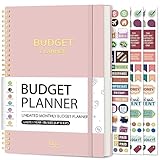
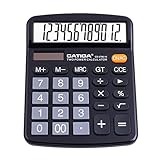
A small set of physical anchors keeps the weekly reset on track. The five recommendations are the ones most consistently mentioned in personal-finance habit research.



Recommended reads:
- The Monthly Money Reset That Keeps Your Budget on Track
- A Money Mindset Routine for a Healthier Relationship With Cash
- How to Do a No Spend Month Without Feeling Miserable
- A Low Buy Challenge for the Year of Intentional Spending
- Financial Resolutions That Create Real Change With Money
Why a Weekly Reset Beats a Monthly Budget
The Drift Problem
Monthly budgets drift unnoticed across four weeks. A $40 overspend in week one compounds with a $60 overspend in week two and a $100 overspend in week three, and by the time the month closes the gap is $200 to $300 that nobody saw coming. Weekly review catches the drift while it is still in single digits.
The Habit Stickiness Difference
Weekly money habits stick at roughly twice the rate of monthly ones in the financial-habit literature. The reason is rhythm. A weekly slot becomes part of the Sunday architecture; a monthly slot is too rare to anchor on an existing weekly pattern. The sunday reset routine covers the broader Sunday architecture the money reset folds into.
The 5-Step Weekly Money Reset
Step One: Revisit Your Financial Goals
Five minutes. Open the document or notebook where the current month’s goals live. Read them aloud. The act of reading them at the start of the session is what reorients the next fifty-five minutes toward the goals rather than toward the inbox of transactions. DowJanes calls this ‘remembering your five reasons’ and the language is right.
Step Two: Review the Past Week’s Spending
Ten to fifteen minutes. Open the bank app or budgeting tool. Scroll through the last seven days. Notice the patterns. Three coffees became seven. The Wednesday-night takeaway became three takeaways. The Sunday-night Amazon scroll cost more than the weekly grocery shop. The aim is awareness, not judgment.
Step Three: Categorize Every New Transaction
Fifteen minutes. Approve or change the category for every new transaction. Most apps auto-categorize incorrectly more than thirty percent of the time. The five minutes spent re-categorizing produces a monthly report that is actually accurate, which is what makes the monthly review meaningful when it happens.
The 30 day reset challenge covers the longer monthly framework the weekly reset reports up into.
Step Four: Pay Bills Due in the Next 2 Weeks
Fifteen minutes. Look at the bill calendar. Pay anything due in the next fourteen days. The two-week horizon is the buffer that protects against the Monday-morning surprise. The mental cost of an unpaid bill scrolling past on Friday is higher than the mental cost of paying it on Sunday.
Step Five: Celebrate One Win
Five minutes. One sentence. ‘I stayed under the eating-out budget this week.’ ‘I moved $80 to savings.’ ‘I caught the duplicate charge from the streaming service.’ The celebration step is what builds the positive association with the practice. Money-management literature without the celebration step turns into a punishment ritual the brain learns to avoid.
The 15 Minute ADHD-Friendly Version
When the Full Hour Is Not Available
Illuminate Financial’s 2026 fifteen-minute version compresses the same five steps into a tighter format. Two minutes per step except for the spending review (five minutes). The compressed version is the right tool for the weeks when an hour is impossible. The full-hour version is the goal; the fifteen-minute version is the floor.
Why the Compressed Version Still Works
The structural integrity of the five steps holds even at fifteen minutes. The reduction is in detail, not in steps. The brain receives the same weekly rhythm signal regardless of whether the session is sixty or fifteen minutes long, and the consistency is what produces the long-term effect.
How to Pick the Sunday Slot
The Best Window
Mid-morning to early afternoon, before the day’s plans take over. Late enough that the morning routine has happened. Early enough that the Sunday-evening wind-down has not started. For most schedules, 10 AM to noon is the natural window.
The Setup Ritual
Coffee or tea. The notebook open. The laptop on the banking tab. A single specific playlist (calm, ambient, no lyrics). The cumulative setup ritual becomes the trigger that the brain associates with the practice.
Three or four weeks of the same setup is enough to make the slot feel automatic. The weekly self care schedule covers how the money reset fits into the broader weekly architecture.
When the Reset Surfaces Emotional Patterns
The ‘Why’ Behind Overspending
Recurring overspending in a specific category usually has an emotional driver. Stress eating becomes stress takeaway. Loneliness becomes online shopping. Boredom becomes the third subscription nobody is watching. The weekly review is where the pattern becomes visible. Naming it is the first intervention.
When to Move to the Journaling Layer
If the same category overspends three weeks in a row, the work moves from budgeting to journaling. The pattern is being driven by an emotion that is not being processed, and the spending is the symptom. The journaling for emotional clarity guide covers the CBT thought-record protocol for processing the underlying emotion.
Building the Practice Across Six Months
Month One: Just Show Up
Four Sundays. Full hour each. Aim is consistency, not optimization. By the end of month one, the rhythm has started to install. The transactions are easier to categorize because the brain has the patterns from the prior weeks loaded.
Month Two to Six: Refinement
By month two, the practice has compressed naturally to forty-five minutes. By month three, the bill payment step takes five minutes instead of fifteen because the bills are anticipated. By month six, the practice runs on autopilot, and the financial picture has measurably shifted.
The recover financially covers the deeper shame-recovery work for the months where the picture is harder to face.
Frequently Asked Questions
What is a weekly money reset?
A weekly money reset is a 60 minute Sunday practice with 5 steps: revisit financial goals, review the past week’s spending, categorize new transactions, pay bills due in the next 2 weeks, and celebrate one win. NerdWallet, NPR Life Kit, DowJanes, and Mind Money Balance all converge on the same protocol.
Why weekly instead of monthly budgeting?
Monthly budgets drift unnoticed across four weeks. A small overspend in week one compounds with overspends in weeks two and three, and by month-end the gap is $200 to $300 that nobody saw coming. Weekly review catches drift while it is still in single digits. Weekly habits also stick at roughly twice the rate of monthly ones.
How long does the weekly money reset take?
60 minutes for the full version. Illuminate Financial’s 2026 ADHD-friendly version compresses the same five steps into 15 minutes. The full-hour version is the goal; the 15-minute version is the floor for weeks when an hour is impossible.
When is the best time to do it?
Mid-morning to early afternoon on Sunday, before the day’s plans take over. For most schedules, 10 AM to noon is the natural window. Late enough that the morning routine has happened, early enough that the Sunday-evening wind-down has not started.
What if I keep overspending the same category?
Recurring overspending in one category usually has an emotional driver , stress, loneliness, boredom. The weekly review surfaces the pattern; if the same category overspends three weeks in a row, move the work to the journaling layer to process the underlying emotion.
Do I need a special app?
No. Any banking app plus a notebook works. YNAB, EveryDollar, and Monarch are popular for the categorization step. The 60-minute weekly slot is the load-bearing part; the specific tool is secondary.
Key Takeaways
- A weekly money reset is a 60 minute Sunday practice with 5 steps grounded in NerdWallet, NPR Life Kit, and DowJanes converging research.
- The 5 steps: revisit goals, review spending, categorize transactions, pay bills due in 2 weeks, celebrate one win.
- Weekly catches drift faster than monthly; weekly habits stick at roughly twice the rate of monthly ones.
- Illuminate Financial’s 2026 ADHD-friendly version compresses the same protocol into 15 minutes for tighter weeks.
- Recurring overspending in one category usually has an emotional driver; if it repeats three weeks running, move the work to the journaling layer.
Final Thoughts on the Weekly Money Reset
The weekly money reset is sixty minutes on Sunday morning, five steps in the same order each week, and a celebration step at the end. The practice is the difference between a financial picture that drifts and a financial picture that holds.
Six months of consistency is the threshold the data converges on. By month six, the reset runs on autopilot and the financial picture has measurably shifted.
Last update on 2026-10-08 / Affiliate links / Images from Amazon Product Advertising API