

An evening skin reset works with your skin’s own circadian clock. Cell turnover and collagen synthesis peak between 11pm and 4am, and the routine that matches this rhythm outperforms any quantity of product applied to skin not yet in repair mode. Chrono-repair serums show 36% morning hydration improvement at four weeks.
Quick answer: An evening skin reset works best when it follows your skin’s circadian clock: double-cleanse early in the evening, add a hydrating layer around 8pm to 9pm, apply actives about an hour before bed, then seal everything in with an occlusive.
There is a specific kind of disappointment that comes from spending forty minutes on an elaborate evening skincare routine and waking up with skin that looks identical to a morning after eight hours and no routine at all.
It is not the products failing. Your skin barrier had no idea your expensive serum was supposed to do anything at midnight, because the repair window had not started yet, and the active ingredient sat on the surface degrading for hours that never came. Skin runs its own circadian clock, and the routine that works is the one that respects the clock instead of fighting it.
Recommended Tools for the Evening Skin Reset
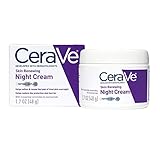
Five anchors that meet the chrono-repair routine. The Ordinary, Paula’s Choice, and the Inkey List all formulate at evidence-supported strengths with clean ingredient lists, and the silk pillowcase has more impact than the price suggests.




Recommended blogs to read:
- The Night Skincare Routine That Helps You Wake Up Glowing
- A Barrier Care Routine for Healthy Glowing Skin
- Minimalist Skincare for Real Results With Fewer Products
- A Morning Skincare Routine for Dewy Glowing Skin
- Skincare Routine Order for Beginners Made Simple
Why the 11pm to 4am Window Matters
Circadia’s clinical framing of sleep and skincare points to the same finding the 2026 chronobiology research has been converging on. Your skin runs on its own circadian clock, regulated by the BMAL1 gene, and the clock has distinct phases.
During daylight hours, skin is in protection mode, defending against UV and pollution. Overnight, it shifts into repair mode, with cell turnover, collagen synthesis, and barrier restoration all peaking together between 11pm and 4am.
The Nature 2025 paper on the body’s master clock and skin cell repair adds the actionable layer. Active ingredients applied to skin already in repair mode absorb differently than ingredients sitting on the surface waiting for the transition.
A retinol or peptide layer applied an hour before sleep, on slightly damp skin, integrates into the barrier as the repair phase begins.
The same layer applied at 6pm on a Tuesday spends six hours degrading before anything useful happens with it.
The 2026 chrono-repair serum trials measured the result directly. Volunteers using clock-matched formulations for four weeks showed a 36 percent increase in morning hydration and a 29 percent improvement in nighttime repair biomarkers, both measured against a control group using the same active ingredients without the timing protocol. The active ingredients were identical. The timing was the difference.
The Chrono-Repair Evening Routine
The routine matches the skin’s biological window. Earlier in the evening for the cleansing and preparation work, then the active ingredients applied roughly an hour before sleep so they are in place when the repair phase begins.
Step 1, double-cleanse (early evening, 7pm to 8pm)
Oil-based cleanser first to dissolve SPF, makeup, and lipid-soluble pollution. Gentle water-based cleanser second to clear the surface. Doing this early matters because it lets the barrier settle before the active ingredients arrive, and the early timing tends to produce better adherence than the bathroom-at-midnight version.
Step 2, hydrating layer (8pm to 9pm)
Hyaluronic acid serum on damp skin, then a thin layer of essence or hydrating toner. This step prepares the barrier to absorb the active ingredients in step three and prevents the dryness reaction that retinol and peptides can produce on inadequately hydrated skin.
Step 3, active treatment (9pm to 10pm)
Retinol or bakuchiol two to three nights a week, peptides on the other nights, niacinamide or hyaluronic acid as the rest day. The active ingredient is what does the chrono-repair work, and the timing (roughly an hour before sleep) is what puts it in place when the repair phase begins.
Step 4, occlusive seal (right before sleep)
A ceramide-rich night cream or a thin slugging layer of petrolatum-based occlusive locks the active ingredients in and prevents transepidermal water loss during the repair window. The seal is the small piece that turns the active layer into something that stays put while your skin does the work.
The Sleep Quality Piece (Equally Important)
Chrono-repair only works if the sleep happens. The 11pm to 4am window is also the window of deepest non-REM sleep for adults on a typical schedule, and that deep sleep is itself part of the repair mechanism. Growth hormone release, which drives collagen synthesis, peaks during deep non-REM. Cellular waste removal through the glymphatic system also runs during sleep.
Which means the evening reset that matters is partly the skincare and partly the sleep itself. Aim for 7 to 9 hours. Cool room (65 to 68 degrees Fahrenheit). Phone out of the bedroom. The same nervous system regulation moves that support sleep quality also support the chrono-repair window, and the two reinforce each other.
The Mistakes That Defeat the Routine
Four reliable ways to do all the steps and still miss the benefit.
- Applying actives at midnight. The repair window starts at 11pm and active ingredients need roughly an hour to integrate. Apply earlier, ideally 9pm to 10pm.
- Skipping the hydrating layer before retinol. Retinol on dehydrated skin produces irritation that defeats the barrier repair you are trying to support.
- Using actives every single night. Even chrono-matched actives need rest nights for the barrier to consolidate. Two to three nights a week is the working cadence.
- Sleeping less than seven hours. The skincare cannot compensate for inadequate sleep. The 11pm to 4am window requires you to actually be asleep through it.
When the Evening Reset Is Not Enough
The chrono-repair routine works for general skin support and ordinary signs of ageing. It is not treatment for active conditions. Persistent acne, rosacea, melasma, perioral dermatitis, and significant barrier damage all benefit from dermatologist consultation rather than additional active ingredients.
Prescription tretinoin, prescription melasma treatments, and oral medications for acne or rosacea can produce results that even chrono-matched OTC actives cannot reach. The reset is the right baseline for healthy skin. Specific conditions warrant the prescription tier.
Evening Skin Reset Questions, Answered
What does my skin do overnight?
Shifts from protection mode to repair mode. Cell turnover, collagen synthesis, and barrier restoration all peak between 11pm and 4am, regulated by the BMAL1 gene and the skin’s own circadian clock. The Nature 2025 research established the mechanism.
Why does sleep matter for skin?
Sleep is when collagen synthesis peaks (driven by growth hormone release during deep non-REM), cellular waste clears (via the glymphatic system), and barrier repair runs at its highest rate. Skincare applied without adequate sleep is doing less than half the work it could.
What is circadian skincare?
Routines and ingredients designed to match the skin’s own circadian rhythm. Active ingredients applied before the repair phase begins (around 11pm) integrate into a barrier ready to use them, producing measurably better results than the same ingredients applied outside the window.
Should I use retinol at night?
Yes, two to three nights a week, applied roughly an hour before sleep on slightly damp skin. The timing matters as much as the strength. Vitamin C belongs in the morning, retinol in the evening, never both in the same routine.
How long does it take to see results from circadian skincare?
The 2026 chrono-repair trials measured 36% morning hydration improvement at four weeks and 29% better nighttime repair biomarkers across the same window. Visible texture and tone improvements typically arrive around eight to twelve weeks of consistent practice.
Can I use the evening reset every night?
Yes for the cleanse, hydration, and occlusive layers. Actives like retinol need rest nights, two to three active nights a week with niacinamide or hyaluronic acid on the other nights. The barrier consolidates during rest nights.
Key Takeaways
- An evening skin reset works when it matches the skin’s circadian clock. Cell turnover and collagen synthesis peak between 11pm and 4am.
- Chrono-repair serums show 36% morning hydration improvement and 29% better nighttime repair biomarkers at four weeks of consistent use.
- The routine matches the window. Cleanse early (7pm to 8pm), hydrate (8pm to 9pm), actives an hour before sleep (9pm to 10pm), occlusive seal right before bed.
- Sleep quality is equally important. The 11pm to 4am window requires you to actually be asleep through it. Aim for 7 to 9 hours, cool room, phone out.
- Specific conditions like persistent acne, rosacea, melasma, or significant barrier damage warrant dermatologist consultation rather than additional active ingredients.
How Do You Keep an Evening Skin Reset Working Every Night?
An evening skin reset done well is the chrono-repair routine that matches the skin’s biological window. Cleanse early, hydrate, apply actives an hour before sleep, seal in with the occlusive layer, and let the 11pm to 4am window do the work. The same products applied with the timing protocol outperform the same products applied at midnight. The clock matters.
The night routine is only half the picture, so pair it with a full beauty reset when your skin needs a restart, and cover the morning side with these sunscreens for oily skin so your daytime protection matches the effort you put in at night.
Last update on 2026-10-09 / Affiliate links / Images from Amazon Product Advertising API