
A clean beauty routine is the 2026 precision-clean version, barrier-first formulations that avoid the toxic trio (parabens, sulfates, phthalates) plus synthetic fragrance and undisclosed ingredients. Gloavia and the broader dermatology field both describe this as better chemistry, not less chemistry.
Clean beauty was a useful idea that got buried under a decade of fear-marketing, vague ingredient lists, and brands using the label as a shortcut to a higher price point. The 2026 version of clean beauty (sometimes called precision clean) is finally the one that holds up. Barrier-first formulations, evidence-based ingredients, transparency without the panic, and a small set of categories that genuinely warrant scrutiny rather than the panicked thirty-page lists that used to circulate on Instagram.
This post is the routine that takes the framing seriously without the fear-mongering. Gloavia’s precision-clean lens is the reference point, the five categories that actually matter (parabens, sulfates, phthalates, synthetic fragrance, heavy-metal contaminants) get explained with their real reasoning, and the five-product routine that meets the 2026 standard is laid out for morning and night.
By the end you will be able to flip a bottle over in Sephora and actually read the ingredients list, know which categories warrant skipping and which got demonised unfairly, and have a routine that respects your skin barrier rather than spending three years rebuilding what fear-clean stripped.
Want a year-long planner that holds the cleaner routine you are building?
The Self-Care and Wellness Planner is the year-long companion built around weekly check-ins, the structure that turns the five-product clean routine into something you can refine across seasons rather than abandon by April. It lives here.
Recommended Clean Beauty Essentials
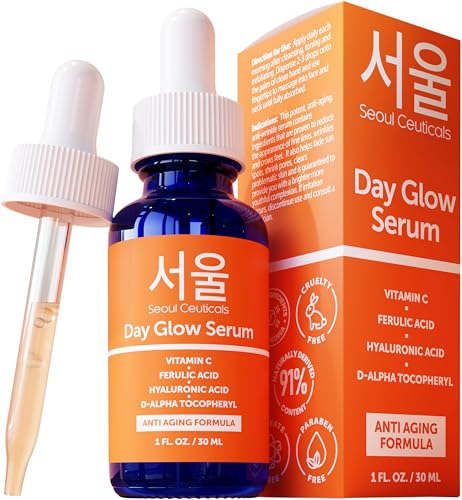
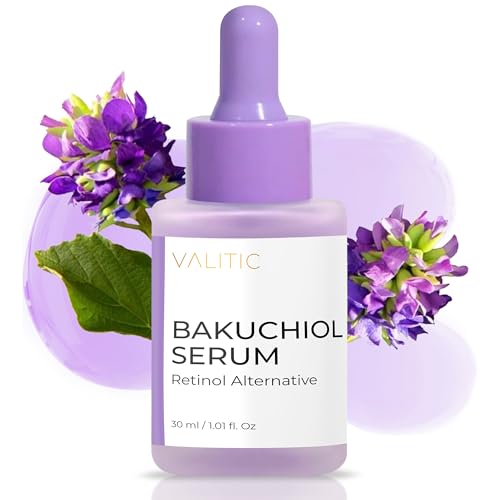
Five products that meet the 2026 precision-clean standard, the barrier-first version that does not rely on fear-marketing. Each one earns its slot by being formulated thoughtfully and tested rigorously, which used to be too much to ask of clean beauty and is now genuinely available.



Recommended blogs to read:
- A Minimalist Beauty Routine for Calm Effortless Mornings
- Minimalist Skincare for Real Results With Fewer Products
- Skincare by Skin Type for a Routine That Actually Works
- A Barrier Care Routine for Healthy Glowing Skin
- A Morning Skincare Routine for Dewy Glowing Skin
What Clean Beauty Actually Means in 2026
Gloavia put it well in their 2026 framing piece, clean beauty has evolved from a free-from checklist into precision clean beauty, which prioritizes barrier health, evidence-based formulations, and ingredient transparency without fear-mongering. The shift matters.
The old clean beauty was defined by what was absent, parabens, sulfates, phthalates, synthetic fragrance. The new clean beauty is defined by what is intentionally included, ceramides, peptides, squalane, postbiotics, bakuchiol, plus the absence of the ingredients that genuinely warrant avoidance. The framing is better because it stops treating consumers like they cannot understand chemistry.
The 2026 sustainable beauty market sits at roughly four hundred billion dollars and is projected to keep growing, which means the incentive to greenwash is also growing. The single best filter remains the ingredient list and a brand that does not hide it.
The Five Ingredients to Actually Avoid
Not the full thirty-page fear list. The five categories that warrant the actual scrutiny, with the reasoning, so you can read your own products and decide.
1. Parabens (methylparaben, propylparaben)
Used as preservatives in moisturizers, body lotions, and creams. The concern is endocrine disruption, parabens can weakly mimic estrogen, and the cumulative exposure question remains open. Vitamin E, rosemary extract, and radish root ferment are the most common clean alternatives. Easy to skip.
2. Sulfates (SLS, SLES)
Detergents used to create lather in shampoos and cleansers. Not definitively harmful, but irritating to the skin barrier and tough on color-treated hair. The 2026 gentle-cleansing consensus favors coco-glucoside, decyl glucoside, and other mild surfactants.
3. Phthalates (often hidden under “fragrance”)
Plasticizers linked to reproductive and hormonal disruption. The tricky part is that phthalates are frequently undisclosed under the umbrella term fragrance. Look for phthalate-free or fragrance-free labels, or products that disclose every fragrance component.
4. Synthetic fragrance
Not all fragrance is bad. Synthetic fragrance can contain dozens of undisclosed compounds and is a top trigger for sensitivity. Fragrance-free is the simplest path for sensitive skin. Natural essential oils carry their own irritation risk and are not a free pass.
5. Heavy metals (lead in lipsticks, cadmium in pigments)
These are contaminants rather than intentional ingredients, which means the brand’s testing rigor is what matters. Established clean brands publish heavy-metal testing results. Brands that do not publish anything are the ones to be cautious of.
Want a weekly planner just for the routine cadence?
The Self-Care Planner is the weekly companion that holds the morning and night versions of the clean routine, the actives schedule, and the small daily check-ins that keep this from becoming another aspirational shelf. It lives here.
The Five-Product Clean Routine
The dermatology consensus in 2026 is converging on the same minimal routine across clean and conventional skincare, four to six products, applied in the order that respects skin biology, used consistently for six weeks before you judge them.
Morning
Low-pH gentle cleanser, vitamin C serum for antioxidant protection and brightness, ceramide moisturizer, mineral sunscreen. Skip actives in the morning that conflict with sunscreen (no retinol, no high-strength acids).
Night
Same cleanser, bakuchiol or low-strength retinol two to three nights a week (bakuchiol is the gentler clean option), ceramide moisturizer. One night a week swap the active for a hydrating mask. The barrier rebuilds overnight, and the routine respects that.
When a Clean Beauty Routine Is Not the Answer
Clean beauty is a useful filter, not a treatment plan. Active acne, rosacea, melasma, perioral dermatitis, and persistent hyperpigmentation all benefit from prescription support, sometimes from ingredients that conventional clean beauty does not include (tretinoin, hydroquinone, certain peptide complexes). A board-certified dermatologist is the right call.
The other failure mode is the perfectionism trap, where the search for the perfectly clean routine becomes a way to spend more money and feel worse about your skin. The clean routine is useful when it lowers your sensitivity and your cognitive load. It is not useful when it becomes another standard you are failing to meet.
Frequently Asked Questions
What is a clean beauty routine?
A skincare routine built around barrier-first, evidence-based formulations that avoid the toxic trio (parabens, sulfates, phthalates), undisclosed fragrance, and heavy-metal contaminants. Gloavia’s 2026 framing calls this precision clean beauty.
What ingredients should I avoid in skincare?
Five categories warrant actual scrutiny, parabens, sulfates (SLS and SLES), phthalates (often hidden under fragrance), synthetic fragrance, and heavy metals (lead in lipsticks, cadmium in pigments). The longer fear-list is mostly marketing.
Is clean beauty actually better for your skin?
Often yes, particularly for sensitive skin, because precision-clean formulations tend to prioritize barrier health and ingredient transparency. The 2026 evidence is real. But clean beauty is a filter, not a treatment, and specific conditions still benefit from dermatological care.
What is the difference between clean beauty and natural beauty?
Clean beauty is about safe, evidence-based formulations, which can include synthetic ingredients that are well-tested. Natural beauty is about plant-derived ingredients, which can include potent irritants. They overlap but are not identical.
How many products are in a clean beauty routine?
Four to six. Cleanser, hydrating serum or vitamin C, ceramide moisturizer, and SPF as the core. Add bakuchiol or low-strength retinol at night and one weekly mask if your barrier is steady.
Can I do clean beauty on a budget?
Yes. The Inkey List, The Ordinary, CeraVe, La Roche-Posay, and Cosrx all offer clean-aligned products under twenty dollars. The expensive clean brands are often paying for marketing, not better formulation.
Key Takeaways
- A clean beauty routine in 2026 is the precision-clean version, barrier-first and evidence-based rather than free-from and fear-marketed.
- The five categories that actually warrant scrutiny are parabens, sulfates, phthalates, synthetic fragrance, and heavy-metal contaminants.
- The five-product routine is gentle cleanser, vitamin C serum, bakuchiol or retinol at night, ceramide moisturizer, and mineral sunscreen.
- Clean beauty is a filter, not a treatment plan. Specific skin conditions still benefit from dermatological care and sometimes from prescription ingredients.
- Established clean brands publish their testing results. Brands that do not publish testing are the ones to be cautious of.
Final Thoughts
A clean beauty routine done well in 2026 is five products that respect your barrier, an ingredient list you can actually read, and a willingness to skip the categories that genuinely warrant skipping.
The precision-clean framing is the one that holds. Better chemistry, not less of it, and the calmer skin that comes with it is the only metric that matters.
Last update on 2026-08-15 / Affiliate links / Images from Amazon Product Advertising API