
Skincare by skin type is the dermatologist-recommended approach of matching your routine to the way your skin actually behaves. The American Academy of Dermatology recognizes five types, oily, dry, combination, normal, and sensitive, and the watch-and-wait test identifies yours in thirty minutes.
Skincare by skin type is the dermatologist-approved approach almost nobody actually uses, partly because the beauty industry quietly prefers you do not, and partly because identifying your skin type has been buried under layers of quiz-funnel marketing that exist to sell you products rather than answer the question. The truth is simpler. Five skin types, recognised by the American Academy of Dermatology, and one thirty-minute test you can do at home with a clean towel and a mirror.
This post walks through the watch-and-wait method dermatologists use in clinic, the per-type morning and night routines that actually fit the way your skin behaves, and the products that have stood up to the 2026 dermatology consensus rather than the latest TikTok wave. We cover dry, oily, combination, normal, and sensitive, with honest notes on what changes as you age and when a type-based routine stops being enough.
By the end you will know your type with reasonable confidence, have a routine that finally stops fighting your skin, and understand which conditions warrant a board-certified dermatologist instead of another serum. Most of the disappointing skincare purchases in your life were not bad products. They were the wrong fit for the skin you actually have.
Want a year-long planner to track which routine your skin actually wants?
The Self-Care and Wellness Planner is the year-long companion built around weekly check-ins, the kind of structure that turns a skincare routine into something you can refine across seasons. It lives here.
Recommended Products by Skin Type
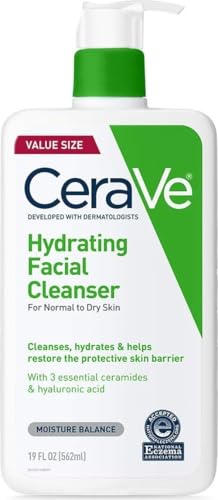
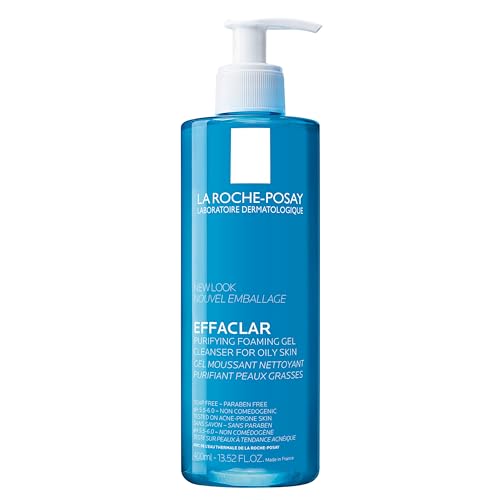
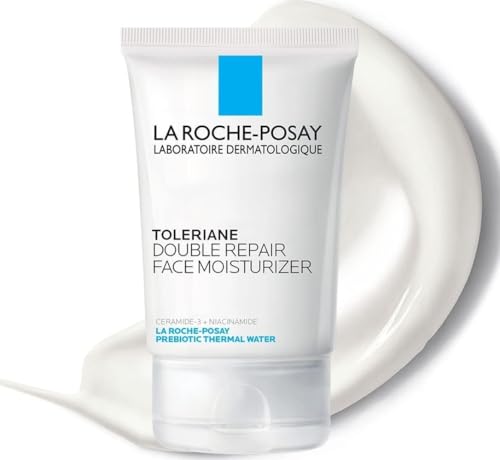
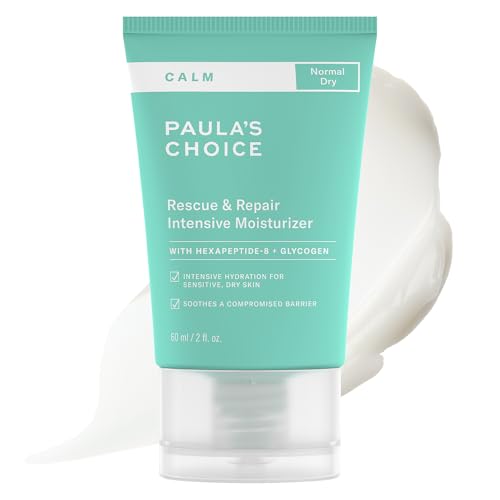
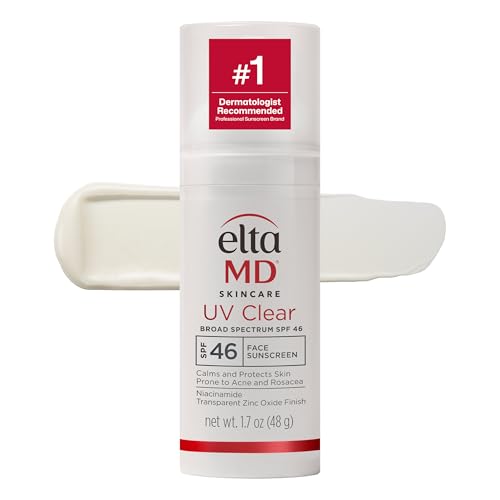
Five products that work hard across multiple skin types, with the notes on which type benefits most. The pattern across each is consistent, the gentlest version of each category outperforms the aggressive one for the majority of skin.

Recommended blogs to read:
- A Minimalist Beauty Routine for Calm Effortless Mornings
- Minimalist Skincare for Real Results With Fewer Products
- A Barrier Care Routine for Healthy Glowing Skin
- A Morning Skincare Routine for Dewy Glowing Skin
- The Night Skincare Routine That Helps You Wake Up Glowing
- the beauty reset that simplifies the routine
- best skincare products for women across skin types
- cleansers for oily skin that actually balance
How to Identify Your Skin Type at Home in 30 Minutes
Dermatologists call this the watch-and-wait method, or sometimes the bare-faced test. Cleanse your face with a gentle, fragrance-free cleanser, pat dry with a soft towel, and do nothing else for thirty minutes. No serum. No moisturizer. No tinted balm. Then look in the mirror in good daylight.
Shiny all over means oily skin. Tight, flaky, or rough means dry. Shine in the T-zone only with comfortable cheeks means combination. Hydrated and comfortable everywhere means normal. Red, stinging, or reactive in patches means sensitive, which the AAD treats as a modifier that can co-occur with any of the other four.
If you want a second data point, repeat the test using blotting papers at midday after a normal day. The papers pick up the oil your face actually produces, and the pattern across forehead, nose, and cheeks tells you the same story the mirror did.
Dry Skin, the Routine That Actually Rebuilds
Dry skin produces less sebum than other types, which means the barrier loses water faster than it can replace it. The whole routine is built around lipid-based repair, layered hydration, and avoiding anything stripping.
Morning, dry skin
Cream cleanser with lukewarm water, hyaluronic acid serum on damp skin, ceramide moisturizer over the top while it is still slightly tacky, mineral sunscreen as the last step. Skip toner unless it is explicitly a hydrating one. The fewer steps that touch dry skin while it is still vulnerable, the better.
Night, dry skin
Same cleanser, hyaluronic acid serum, and a richer night cream that includes squalane or shea butter. Two nights a week, swap the serum for a bakuchiol or a low-strength retinol if your skin tolerates it. Once a week, a hydrating mask for ten minutes does more than three extra serums.
Oily Skin, the Routine That Stops the Oil Loop
The mistake most oily skin makes is stripping, which triggers more sebum production. The 2026 dermatology consensus has moved firmly toward microbiome-friendly cleansing and oil-balancing rather than oil-removing actives.
Morning, oily skin
Gentle gel or foaming cleanser, a niacinamide serum at five percent for sebum regulation, a lightweight gel moisturizer, and an oil-free mineral sunscreen. Yes, oily skin still needs moisturizer. Skipping it is what makes the oil rebound by 2pm.
Night, oily skin
Same cleanser, the niacinamide serum, a salicylic acid or BHA two to three nights a week for the T-zone only, and the same gel moisturizer. Avoid heavy oils. Avoid alcohol-based toners. The barrier responds best to consistency, not aggression.
Want a simpler weekly planner just for the skincare cadence?
The Self-Care Planner is the weekly companion that holds the actives schedule, the moisturizer rotation, and the small daily check-ins that turn a skin-type routine into something visible. It lives here.
Combination Skin, the Routine That Treats Two Zones at Once
Combination skin behaves like oily skin in the T-zone and like dry skin on the cheeks. The 2026 approach is targeted layering rather than choosing a single regime, which is why combination skin posts are so often wrong on the SERP.
Morning, combination skin
Gentle cleanser, niacinamide serum across the whole face for sebum regulation and brightness, then a lightweight gel-cream moisturizer everywhere with a richer layer just on the cheeks if they feel tight. SPF as always.
Night, combination skin
Same cleanser, hyaluronic acid serum on damp skin everywhere, BHA two nights a week on the T-zone only, ceramide moisturizer everywhere with the cheeks getting slightly more. The two-zone thinking is the whole point.
Normal and Sensitive Skin, the Quick Versions
Normal skin is the easiest type to maintain and the easiest to ruin by over-treating. The routine is genuinely the four-product minimalist core, cleanser, hyaluronic acid serum, ceramide moisturizer, SPF. Avoid the urge to add a fifth product because everyone else has one.
Sensitive skin is a modifier rather than a type, and the routine is built around what NOT to use. Skip fragrance, essential oils, alcohol-based toners, and exfoliating acids until your barrier is stable for six weeks. A board-certified dermatologist is the right call if patches persist past that window.
When a Type-Based Routine Stops Working
Your skin type can shift with age, hormones, pregnancy, climate, and stress. If a routine that worked in your twenties stops working in your thirties, the type has probably moved, not the routine. Run the watch-and-wait test again. Sometimes the answer is that you were combination and you are now dry, and the same products are doing different work.
If the routine continues to underperform after six weeks of consistent use AND a re-tested type, the issue is usually a specific condition rather than a typing mistake. Acne, rosacea, perioral dermatitis, melasma, and eczema all benefit from a dermatologist visit. A type-based routine is a foundation, not a diagnosis.
Frequently Asked Questions
How do I know my skin type?
Cleanse with a gentle fragrance-free cleanser, pat dry, and wait thirty minutes without applying anything else. Look in good daylight. Shiny everywhere is oily, tight or flaky is dry, shine in the T-zone only is combination, comfortable everywhere is normal, and red or reactive is sensitive.
Can my skin type change?
Yes. The AAD notes that skin type shifts with age, hormones, climate, pregnancy, and stress. Most people see at least one type shift between their twenties and forties, and it is worth re-running the watch-and-wait test once a year or after any major change.
What is the difference between oily and combination skin?
Oily skin produces excess sebum across the whole face, including cheeks. Combination skin produces excess sebum only in the T-zone (forehead, nose, chin) while the cheeks stay normal or dry. The blotting paper test is the cleanest way to tell.
Do I need different products for AM and PM?
Mostly yes. AM is built around protection (antioxidants and SPF), PM is built around repair (retinol or peptides and hydration). Cleanser and moisturizer can be the same, the serum and the actives change.
How long should I wait before judging a new skincare product?
Six to eight weeks for early results, twelve weeks for the real shift. The skin cell cycle is roughly twenty-eight days at age twenty and slower past forty, which is why nothing seems to happen for the first month.
Is sensitive skin a real skin type?
The AAD treats it as a modifier rather than a primary type, because sensitivity can co-occur with oily, dry, combination, or normal skin. The practical effect is the same, avoid known triggers like fragrance and harsh actives, and add new products one at a time.
Key Takeaways
- Skincare by skin type is the dermatologist-recommended approach. The AAD recognizes five types, oily, dry, combination, normal, and sensitive.
- The watch-and-wait method identifies your type in thirty minutes after cleansing with a gentle cleanser. Repeat with blotting papers at midday for a second data point.
- Dry skin needs lipid-based repair and layered hydration. Oily skin needs gentle cleansing and niacinamide for sebum regulation, NOT stripping.
- Combination skin is treated as two zones at once, with targeted actives on the T-zone and richer hydration on the cheeks.
- Skin type can shift with age, hormones, and stress. Re-test once a year or after any major life change.
Final Thoughts
Skincare by skin type done well is the watch-and-wait test, the matched four to six product routine, and the willingness to re-test when life changes. Most disappointing skincare purchases were never bad products, just bad fits. The routine that actually works on your skin is the one built for the skin you actually have.
Last update on 2026-08-15 / Affiliate links / Images from Amazon Product Advertising API