
A minimalist beauty routine is a deliberately small set of four to six products, picked for what they do rather than what they promise. Dermatologists call this skinimalism, and a 2026 NIH-referenced finding puts irritation 40 percent lower in routines built around three to four products instead of eight.
A minimalist beauty routine is the small quiet rebellion against an industry that has been selling you the wrong thing for decades. Skincare brands need you to keep buying, which means they keep promising that the answer is one more serum, one more active ingredient, one more carefully marketed bottle on the bathroom shelf. The actual answer for most adult skin is the opposite. Four to six well-chosen products, used consistently for six weeks before you judge them, and a barrier that has been allowed to rebuild itself between launches.
This post is the dermatology-supported version of skinimalism, the 2026 framing the Inkey List and the broader research community both back, and the four-product core routine you can actually live with through the year. We cover why fewer products lower irritation by roughly forty percent, which optional add-ons make sense and which do not, and the four common mistakes that make minimalist routines quietly fall apart by March.
You will leave with a five-step morning, a four-step night, a list of ingredients that genuinely earn their place, and the calmer skin barrier that comes from finally letting it settle. The bathroom drawer that does not need an annual clearout is part of the deal.
Want a year-long planner that holds the routine you are simplifying?
The Self-Care and Wellness Planner is the year-long companion built around daily and weekly anchors, the structure that turns a four-product routine into something that compounds across months. It lives here.
Recommended Minimalist Beauty Routine Essentials
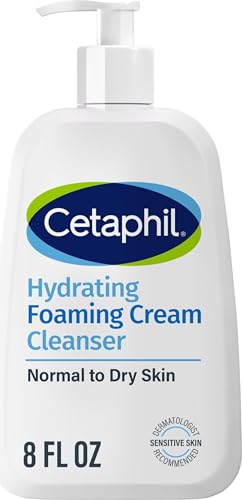
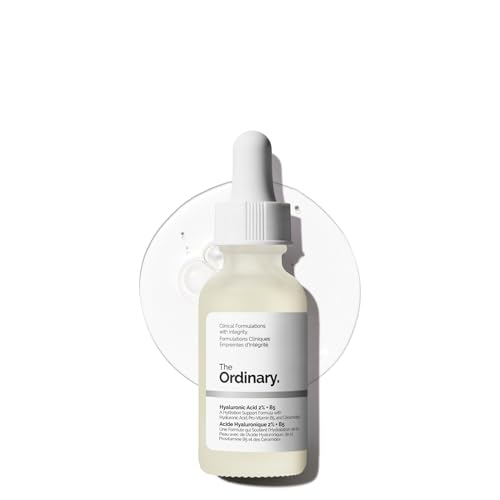
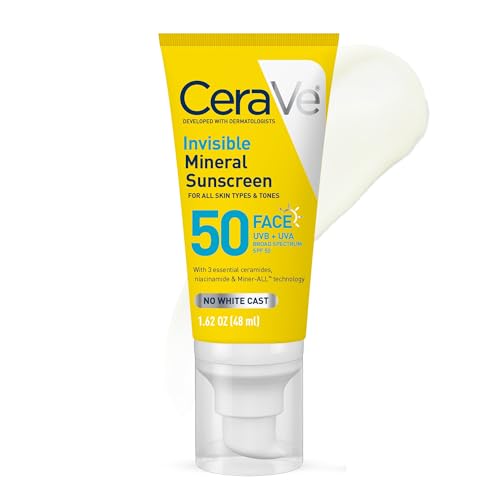
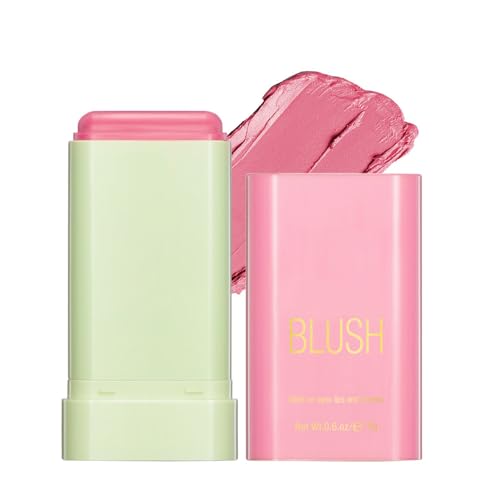
These are the five things people who stick with this approach past the honeymoon tend to keep on the counter. Each one earns its slot by doing more than one job, the principle dermatologists call multifunctional skincare.


Recommended blogs to read:
- Minimalist Skincare for Real Results With Fewer Products
- A Barrier Care Routine for Healthy Glowing Skin
- The Minimalist Morning Routine for a Clearer Head and Less Friction
- A Morning Skincare Routine for Dewy Glowing Skin
- The Night Skincare Routine That Helps You Wake Up Glowing
Why Skinimalism Works (the 2026 Evidence)
The case for fewer products is not aesthetic, it is biochemical. The skin barrier is a lipid-and-protein layer that holds water in and irritants out, and every active ingredient you layer on top of it carries a small cost.
Niacinamide and salicylic acid in the same step is a chemistry argument waiting to happen, and your face is the room where it argues.
The Inkey List cited a 2026 dermatology study that put irritation 40 percent lower among people using three to four products daily, compared with those using eight or more. The reduction was not subtle. Fewer products gave the skin barrier time to rebuild, which is most of what the skin actually wants.
Skinimalism is also the trend the industry hates, which is usually a sign it works. A four-product routine sells fewer bottles. Skin that is calm enough to stop reaching for new products is bad for quarterly numbers and good for the person who has to look at her skin every morning.
The Four-Product Core Routine
The version that works for most people most of the time, before any personalization. Four products, used twice a day, applied in the order that respects how the skin actually absorbs.
Step 1, gentle cleanser, morning and night
A fragrance-free cream or gel cleanser, used with lukewarm water, for thirty seconds. The job is removing the night’s sweat and the day’s pollution. The job is not stripping the barrier. If your skin feels tight after cleansing, the cleanser is too aggressive, and the rest of the routine cannot fix that.
Step 2, hydrating serum, morning and night
A hyaluronic acid serum on damp skin holds water into the surface layer and gives the moisturizer something to seal. One pump, patted in, not rubbed. The whole point is plumping without irritation, which is why the simple one usually beats the fifteen-ingredient one.
Step 3, ceramide moisturizer, morning and night
Ceramides are the lipids that hold the skin barrier together, and topical ceramides genuinely top up the supply. A pea-sized amount, patted from the cheeks outward. This is the step that does the barrier work, which is the step that does the long-term glow work.
Step 4, mineral sunscreen, morning only
SPF 30 minimum, SPF 50 if you can find one that wears well under your makeup. The reason this lives in the core four and not the optional pile is that all the other steps are quietly undone by UV exposure. The skin you protect at 9am is the skin you have at 35.
Want help building a beauty routine that does not blow the monthly budget?
The Ultimate Budget Planner is the workbook for the spending patterns that show up around skincare, the four to six products approach that quietly saves a few hundred dollars across the year. It lives here.
Optional Add-Ons (Only When Your Core Routine Holds)
Once the four-product core has been steady for six to eight weeks, you can add ONE active at a time. Not three. One. Wait two weeks between additions so you can tell what is actually doing the work.
- A retinol or bakuchiol at night, two to three times a week, for long-term texture and tone. Bakuchiol is the gentler option and the one most dermatologists now reach for first.
- A vitamin C serum in the morning before sunscreen, for brightness and antioxidant protection. Skip if your skin reacts to acids.
- A weekly exfoliant, either a chemical AHA or a soft physical one. Once a week is enough. Twice is where most skin barrier issues actually start.
- An eye cream, if the rest of the face routine has been steady. This one is genuinely optional and the cheapest version often performs as well as the expensive one.
The Mistakes That Make Minimalist Routines Quietly Fail
There are four ways a minimalist routine falls apart, and they tend to happen in the same order every time.
- Adding a fifth product in week three because nothing is happening yet. Nothing happens for six weeks. That is the design.
- Skipping the moisturizer because your skin is oily. Oily skin still needs the ceramide layer, and skipping it is what makes the oil rebound by 4pm.
- Switching the cleanser every fortnight chasing the perfect one. The perfect cleanser is the unremarkable one that does not make your skin feel tight.
- Reading a single TikTok review and adding the recommended serum. The recommended serum was made for someone else’s barrier.
When a Minimalist Beauty Routine Is Not Enough
Most adult skin does well with four to six products. If yours does not, it usually means there is a specific condition underneath the routine, and the routine cannot fix it on its own. Active acne, rosacea, eczema, perioral dermatitis, and persistent hyperpigmentation all benefit from a dermatologist visit, sometimes for prescription support, sometimes just for a diagnosis.
The minimalist approach also stops being enough when you are using it as a way to under-care. Four products is the minimum, not the ceiling. If your skin feels neglected on the core routine, you are probably missing a moisturizer that actually suits you, or sunscreen you can stand wearing, which means the routine is not minimalist, it is incomplete.
Frequently Asked Questions
What is a minimalist beauty routine?
A deliberately small set of four to six skincare and makeup products, chosen for what they actually do rather than what they promise. Dermatologists call the approach skinimalism, and a 2026 study put irritation 40 percent lower among people using three to four products compared with eight or more.
How many products should a minimalist routine have?
Four for the core, up to six with one or two optional add-ons. The core is cleanser, hydrating serum, ceramide moisturizer, and mineral sunscreen. Add a retinol or vitamin C only after the core has been steady for six to eight weeks.
Is skinimalism better for your skin?
For most adult skin, yes. Fewer active ingredients means a lower chance of ingredient conflicts, a calmer barrier, and easier tracking of what is actually working. The exception is active conditions like acne or eczema, which sometimes need targeted prescription support.
Can I do a minimalist routine on a budget?
Yes, and it tends to be cheaper than the maximalist version because you are buying fewer products and replacing them less often. CeraVe, La Roche-Posay, The Ordinary, and The Inkey List all sell four-product setups under thirty dollars.
How long does it take to see results from a minimalist routine?
Six weeks for early signs, twelve weeks for the real change. The skin cell cycle is roughly twenty-eight days at your age and slower as you get older, which is why nothing happens in the first month and then everything happens at once in the third.
What is the difference between skinimalism and clean beauty?
Skinimalism is about quantity of products, clean beauty is about ingredient philosophy. The two overlap, but a minimalist routine is not automatically clean, and a clean routine is not automatically minimalist. You can do both at once or pick one.
Key Takeaways
- A minimalist beauty routine is four core products used consistently, not a constantly shifting set of new launches.
- The 2026 evidence puts irritation 40 percent lower in three to four-product routines compared with eight or more.
- The core four is gentle cleanser, hydrating serum, ceramide moisturizer, and mineral sunscreen. Add a retinol or vitamin C only after six to eight weeks of steady core.
- Six weeks is the minimum window before judging whether a product is working. The skin needs at least one full cell cycle.
- If the routine is not enough, the problem is usually a specific condition (acne, rosacea, eczema) that benefits from a dermatologist visit, not from a sixth product.
Final Thoughts
A minimalist beauty routine done well is four products picked for what they actually do, used twice a day for six weeks before you judge them, and added to one product at a time.
The 40 percent irritation drop is real. The calmer barrier is real. And the bathroom drawer that does not need an annual clearout is, in its quiet way, also a beauty result.
Last update on 2026-08-15 / Affiliate links / Images from Amazon Product Advertising API