

A minimalist morning routine is a 20 to 30 minute start to the day built around three small things: water and light, a few minutes of stillness, and one quiet decision about the day ahead. The point is to remove what is unnecessary, not to add anything new.
Quick answer: A minimalist morning routine is a 20 to 30 minute start built on three small things: water and light, a few minutes of stillness, and one quiet decision about the day, with nothing extra added.
The myth around morning routines is that more is better. The five AM club, the twelve-step ritual, the seventy-minute walk-meditate-journal-cold-plunge-workout sequence. The truth, based on every habit-formation study that has ever been done, is the opposite. The mornings that compound into something meaningful are not the elaborate ones. They are the small ones that survive the bad weeks.
A minimalist morning routine works because every part of it can be done on the tired days, the rushed days, and the days the kids woke up at five. It does not require a forty-five-minute time block. It does not require buying anything. It does not require an aesthetic to perform for. Three small things, done in roughly twenty minutes, with the phone elsewhere.
Below is the case for stripping back, the three things that earn their place, what to remove from a routine that has grown too big, and the seven-day reset for anyone whose current morning has quietly become a second job.
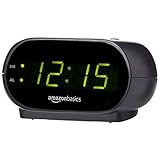
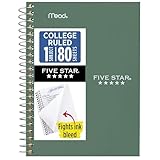
Recommended Products for a Minimalist Morning
Minimalism in a morning routine means almost no kit. A few small items help, but every one of them is optional. The five below show up most often on the bedside tables of women whose minimalist morning has survived past the six-month mark.


Recommended reads:
- Morning Routine Ideas for a Calmer and More Productive Day
- A Mindful Morning Routine for a Calmer Start to the Day
- The 5 Step Morning Routine That Makes Your Whole Day Feel Easier
- Simple Self Care Habits for a Calmer More Grounded Year
- Minimalist Skincare for Real Results With Fewer Products
The Case Against Long Morning Routines
The Productivity Influencer Fantasy
Long morning routines work for the productivity influencers because their job is to do them. The forty-five minutes is content. The aesthetic is monetised. The sustainability is not the point because the routine itself is the output. For everyone else, the same routine collapses by week three under the weight of normal life. Real mornings have small children, missed alarms, and weeks when nothing goes to plan.
The Compounding Argument
A twenty-minute morning routine done five days a week for a year is roughly eighty-five hours of intentional time. A forty-five-minute routine done two days a week before quietly stopping is about thirty-five hours. Consistency at a small dose beats intensity at a big one, every time. The math is unromantic and entirely consistent.
Three Things That Earn Their Place
Water and Light, Together
The first ten minutes belong to two physical things at once: a glass of water on an empty stomach, and ten minutes of natural light. Both can happen on a balcony, on a walk to the kettle, or outside the front door. The water rehydrates the body after eight hours of fasting. The light anchors the circadian rhythm and sets sleep quality for tonight, not just energy for today.
A Few Minutes of Stillness
Five minutes of doing nothing in particular. Sitting with the coffee. Watching the sky. A short breathwork practice if breath helps. The aim is not meditation, exactly. The aim is the absence of input for long enough that the brain settles into its own thoughts before the world arrives with its agenda. For more on the breath-led version, the morning skincare routine pairs well with it for a longer slow start.
One Quiet Decision
The final piece is one quiet decision about the day. Not a to-do list. Not a goal setting session. One sentence in a notebook or in the head: today, the most important thing is X. That sentence does the work of thirty minutes of planning. The rest of the day still happens, but the most important hour now has somewhere to land.
What to Remove From Your Current Routine
The Six AM Wake-Up
Waking up earlier than the body wants to is the most over-prescribed advice in modern productivity culture. The morning routine works at six, seven, or nine. The evidence on early waking and success is correlation, not causation, and the women who keep minimalist mornings tend to wake up when their sleep is genuinely complete. Sleep is non-negotiable. The morning routine fits whatever time is left.
The Three-Page Journal
Morning Pages and similar long-form journalling practices are beautiful and almost never sustainable. The reason they fail is that they are demanding on the worst days and unnecessary on the good ones. Three lines does the same emotional work in three percent of the time. The minimalist beauty routine applies the same logic to skincare.
The Workout Slot
Working out is good. Working out in the morning is not inherently better than working out at six PM. Plenty of research now suggests evening workouts have slight advantages for muscle development. Remove the morning workout from the minimalist routine and put it where it actually fits in real life.
The Capsule Wardrobe Effect (and Other Decision Cuts)
Why Choices Cost More in the Morning
Decision fatigue is real and accumulates through the day. The fewer choices made before nine AM, the better the decisions later. The minimalist morning routine extends naturally into the choices around the routine: a single outfit type for workdays, two breakfast options, one type of coffee, one mug. Anything that can be decided once rather than every morning should be.
What to Pre-Decide
Outfit. Breakfast. Order of the routine. Where the phone lives during the routine. The smaller version of this list, decided in advance, is what makes the routine feel automatic rather than effortful. The weekly self-care schedule is the broader version of the same principle.
When Minimalism Stops Helping
The Underwhelming Phase
Around week three or four, a minimalist morning routine sometimes feels too quiet. Nothing dramatic is happening. The journal has the same three lines. The walk is the same walk. This is usually the moment people abandon the routine and add five new things to it. The actual move is to wait. The underwhelming phase is when the routine is becoming a baseline rather than an event.
When to Add One Thing
After two months of a minimalist morning that holds, one new piece can be folded in: a short workout, a longer meditation, a particular skincare step. Just one. Added slowly. The routine should not grow more than once every six to eight weeks. Anything faster than that is rebuilding the elaborate routine the minimalist version was supposed to fix.
The 7-Day Reset Plan to Strip Back
Day 1: Audit
Write down every part of the current morning routine, however small. Number them. Most people are surprised at how many steps are in there once written out. Twelve is common. Fifteen is not unusual.
Days 2 to 5: Remove
Cut the routine down to three things. The ones that survive should be the easiest, not the most virtuous. The aim is not to keep the workout. The aim is to keep what actually gets done every day without negotiation. For the very loose version of mornings, the that girl morning routine and the productivity-led power hour morning routine both offer alternative angles to compare.
Days 6-7: Test
Run the three-thing routine for two days back to back. Notice how it feels by the end of day seven. Most people report a quiet relief and a vague suspicion that the long routine was costing more than it produced. That suspicion is usually correct.
Minimalist Morning Routine FAQs
What is the shortest morning routine that still works?
Twenty minutes is the minimum that produces a meaningful effect. The minimum-viable version is water plus light (ten minutes), five minutes of stillness, and one quiet sentence about the day. Below twenty minutes the cumulative effect drops noticeably.
Is a minimalist morning routine right for me?
If your current morning routine has more than five steps and you skip parts of it more than twice a week, the minimalist version is probably a better fit. The honest test is whether the routine survives the bad weeks. Long routines rarely do.
Can I skip exercise?
Yes. Morning exercise is a preference, not a requirement, and the evidence on morning versus evening workouts is much more split than productivity influencers suggest. The minimalist morning routine moves exercise to wherever it actually fits in your life.
What is the difference between minimal and lazy?
Minimal is three deliberate things done consistently. Lazy is no routine at all. The minimalist morning is structured even though it is short. The deliberateness is what makes it work.
Will this work if I have kids?
Yes, and arguably better than a long routine. Twenty minutes can usually be carved out before children wake or alongside their breakfast. The routine flexes around the kids without collapsing, which a forty-five-minute routine cannot.
How long does it take to build the habit?
About two weeks for the routine to feel automatic, and about thirty days to feel like a default rather than a decision. The smaller the routine, the faster it becomes the baseline.
Key Takeaways
- More is not better when it comes to morning routines; consistency at a small dose beats intensity at a big one.
- Three things earn their place: water and light, a few minutes of stillness, and one quiet decision about the day.
- Remove the early wake-up, the long journal, and the morning workout slot unless they genuinely fit your life.
- Decision-fatigue cuts (capsule wardrobe, fixed breakfast, set order) make a small routine feel automatic.
- When the routine starts to feel underwhelming around week three, wait; that is the routine becoming a baseline.
How Short Can a Minimalist Morning Routine Be?
The minimalist morning routine is not less than a long morning routine. It is what is left when you remove everything that does not survive a bad week. Water. Light. A few minutes of stillness. One quiet decision. Twenty minutes, done daily, with the phone elsewhere. The compounding effect is not visible from the outside. It is just the difference between a year of intentional mornings and a year of reactive ones.
One of the easiest things to pre-decide is what you wear, and a pared-back closet helps, so my minimalist outfit ideas and these 90s minimalist outfits are useful if getting dressed still eats into your twenty minutes.
Last update on 2026-10-08 / Affiliate links / Images from Amazon Product Advertising API