

Museum outfit ideas should be comfortable for walking, polished in quiet rooms, and layered enough for cool galleries or warm city streets.
Quick answer: The best museum outfit ideas pair shoes made for standing with a light layer for cool galleries, like black trousers with a fine knit, a column dress with a cropped jacket or a white shirt with dark denim and a compact bag.
Museum outfits are about quiet polish: good shoes, calm layers, compact bags, and clothes that look clean in bright gallery light.
You need enough comfort for standing and enough structure that the outfit does not disappear into the background.
I would keep the palette calm and let proportion do the styling.
Recommended museum outfit ideas Reads
- casual outfit ideas
- everyday outfit ideas for women
- how to look put together in casual clothes
- casual capsule wardrobe for women
Which 15 Museum Outfit Ideas Work for Walking and Cool Galleries?
Start with the actual setting behind museum outfit ideas: the shoes, the weather, the bag, and how long you need to feel comfortable. The outfits below are meant to work as flexible starting points, so you can swap the color, fabric, or layer while keeping the same balance of ease and polish. Use the notes under each look to think through proportion, fabric weight, and the practical little details that decide whether an outfit feels natural once you leave the mirror and move through the day comfortably.
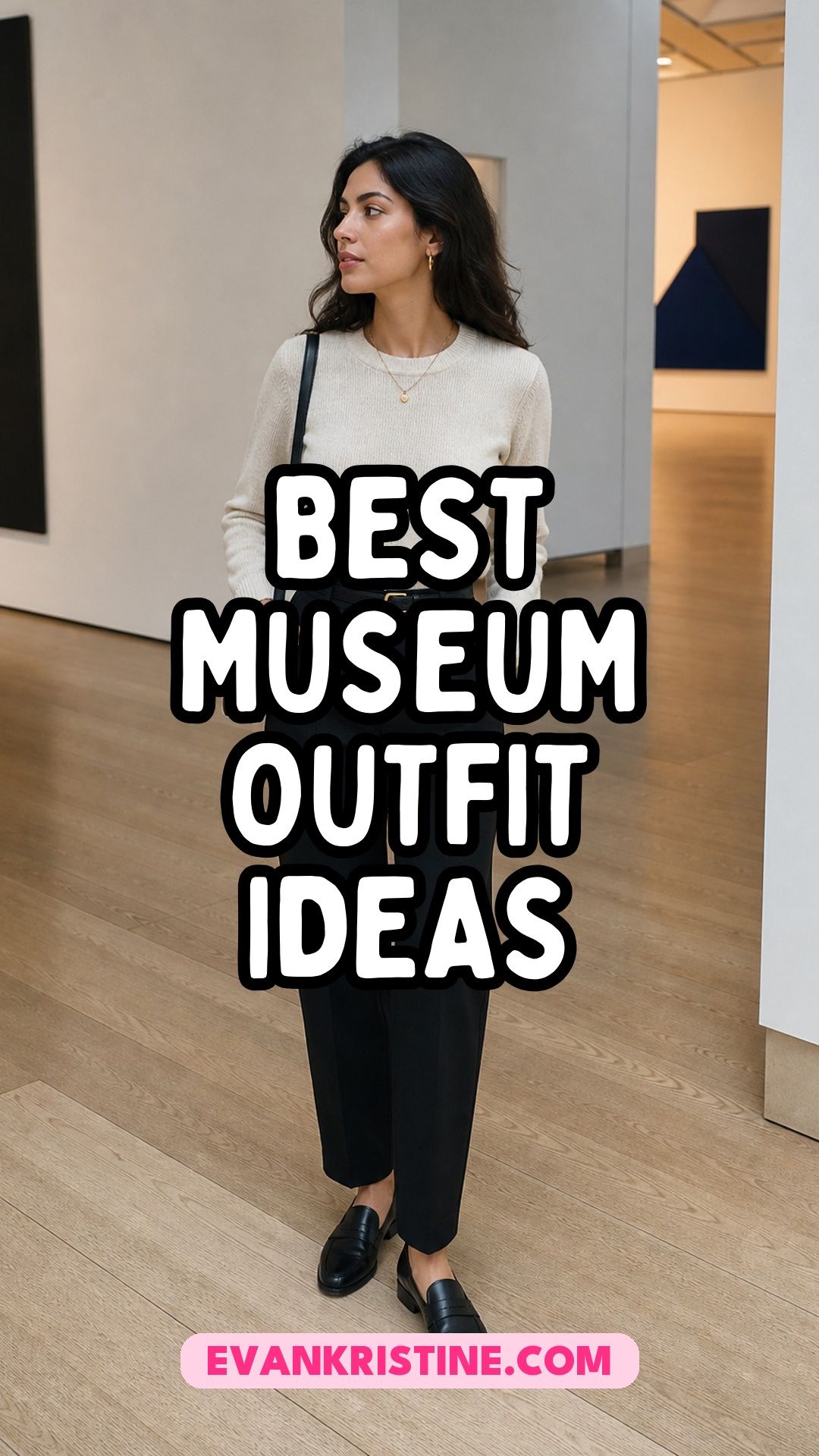
1. Black Trousers with a Fine Knit


The charm here comes from the black trousers with a fine knit. Black trousers feel polished without distracting from the setting. It has enough presence for a museum day, but it still works with daylight, walking, errands, coffee stops, and clothes that have to look good without evening drama because the styling does not ask every piece to be special.
Pay attention to fabric and movement. Choose a knit that layers cleanly before committing to the outfit for the day. Loafers are museum-friendly. If something needs constant adjusting, it is not the right version yet, no matter how good it looked for one minute.
2. Column Dress with a Cropped Jacket


The combination of the column dress with a cropped jacket gives the outfit one strong idea. A column dress gives a clean line for gallery spaces. That is especially helpful for casual plans where fabric, fit, and shoes are more obvious than heavy styling, when simple pieces have to carry more of the styling. The look should feel specific enough to be pretty, but not so styled that it becomes fragile.
The finishing detail should help the outfit, not decorate it for no reason. Keep the jacket cropped enough to show shape and keep the bag or shoe in the same mood. Flat sandals work in warm weather. When the base is strong, the smallest accessory choice can be enough.
3. Pleated Skirt with a Soft Sweater
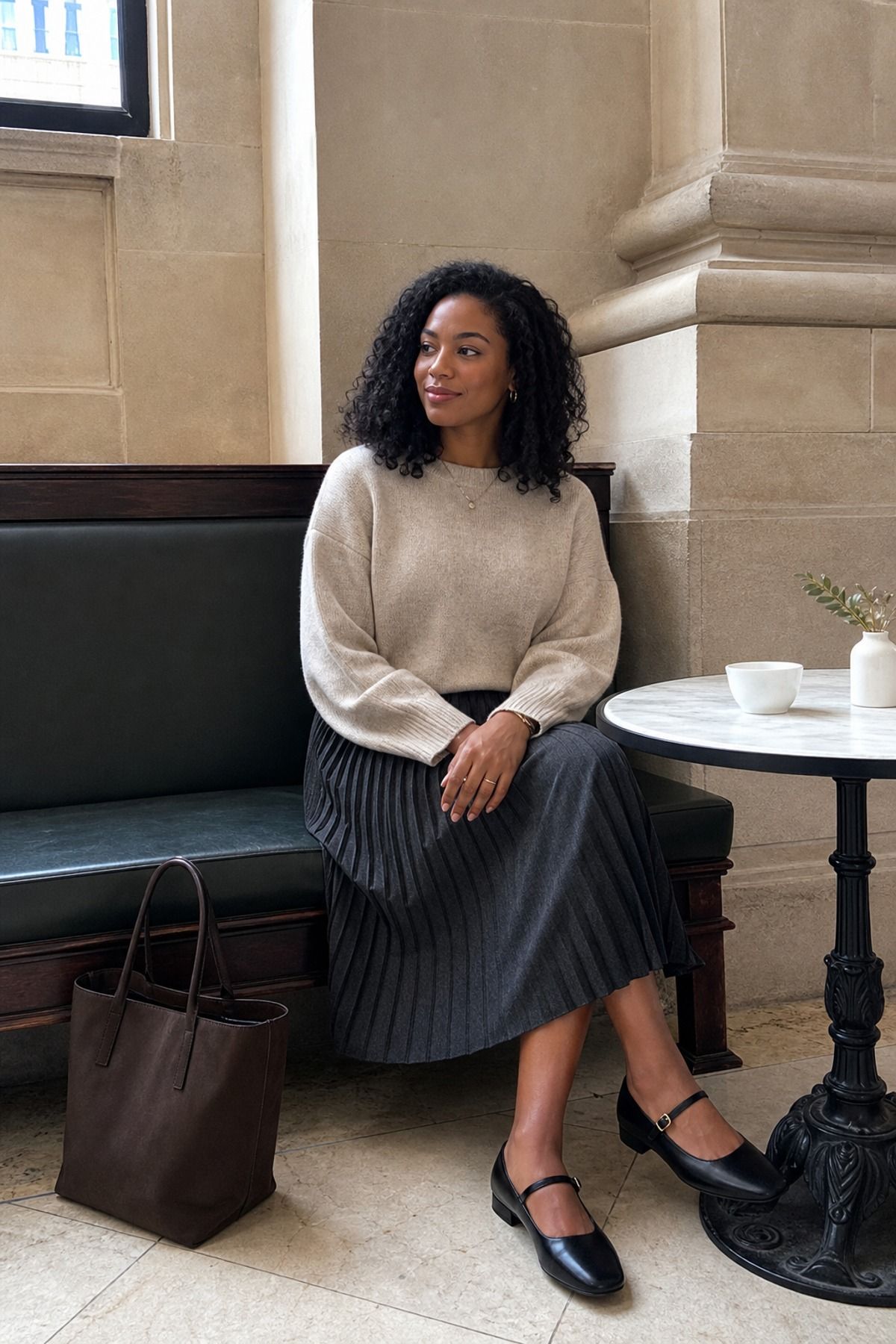


Try the pleated skirt with a soft sweater when the styling needs to stay close to the actual plan. A pleated skirt moves beautifully while you walk. That keeps the look polished without turning it into a costume. The best detail is the one that makes the outfit easier to wear and nicer to look at.
Check proportion instead of chasing perfection. Choose a sweater that does not shed. Make sure the outfit still has a clean line from the side. Ballet flats suit the quiet mood. That side view is often where hems, volume, and bag straps tell on themselves.
4. White Shirt with Dark Denim
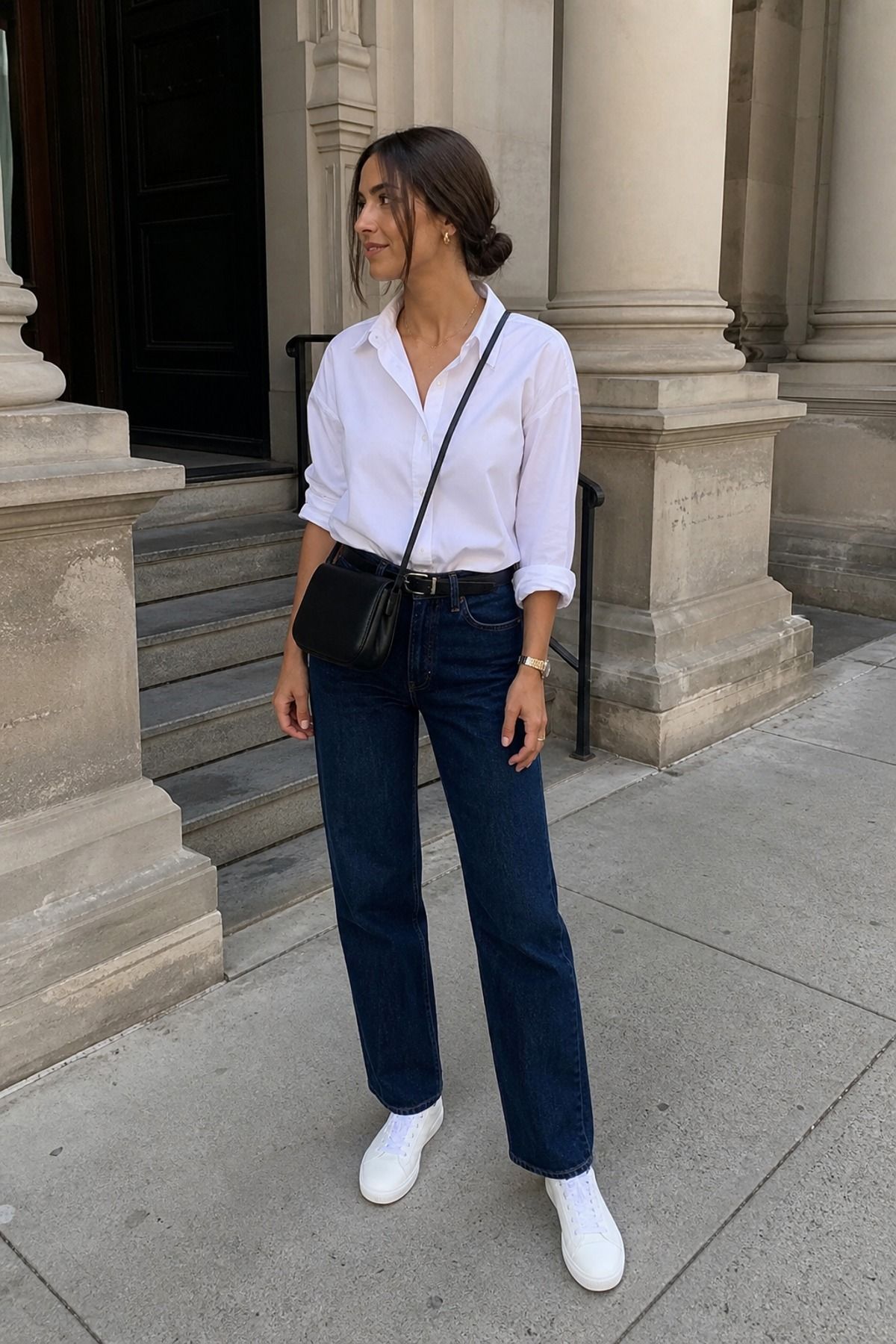


The styling around the white shirt with dark denim gives the look a useful kind of polish. A white shirt and dark denim feel crisp but not formal. It can handle simple daytime plans that need comfort first and polish close behind without losing the casual ease that makes the outfit feel like something you would actually wear.
Start with fit before thinking about accessories. Steam the collar and cuffs and then use the shoe to decide how casual the outfit should feel. A small crossbody keeps hands free. If the shoe feels wrong, the whole outfit usually reads wrong.
5. Vest with Wide-Leg Pants
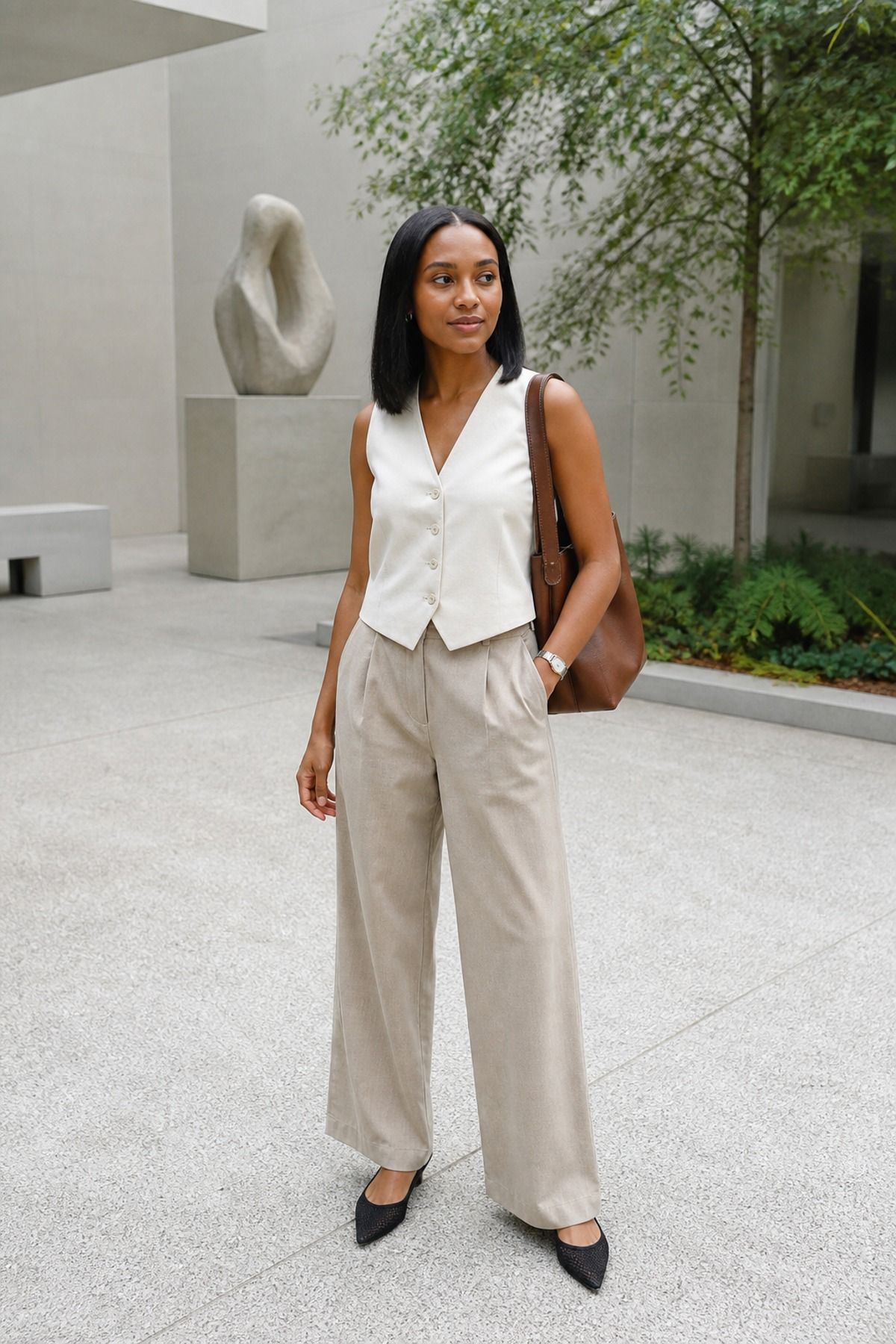
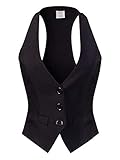

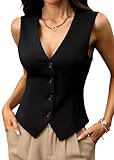
Let the vest with wide-leg pants set the mood before accessories do anything. A vest gives structure without needing a blazer. Once that part is handled, the rest of the outfit can stay softer and more realistic. That is especially useful when you want to look put together without making the whole day revolve around the clothes.
Keep the practical details honest: check the buttons while sitting. Pointed flats make it elegant. The outfit should feel comfortable once you are walking, sitting, carrying a bag, or dealing with weather. Pretty pieces only work if they can keep up with the plan.
6. Trench Coat with Straight Jeans
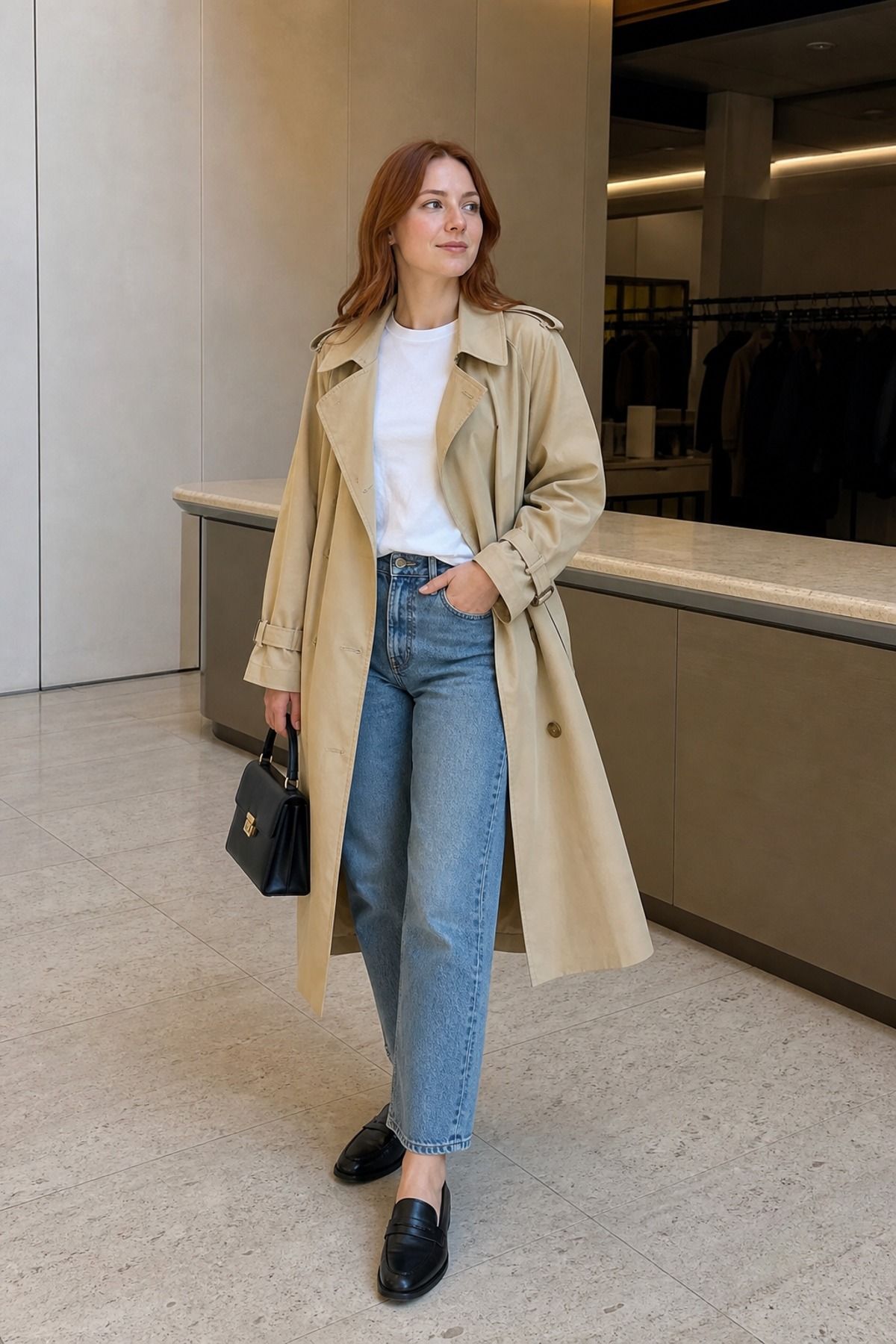


Build the look around the trench coat with straight jeans if a museum day needs something easy but not plain. A trench works for museum days that start outside. The outfit feels more deliberate when comfort is handled first and the polish comes through fabric or shape.
Fit matters here. Choose a coat that is easy to carry and let the rest of the styling stay clean. Loafers keep it classic. The outfit should have one clear focal point, then enough ease that you are not fixing it every time you sit down.
7. Sleeveless Knit with Midi Skirt


When you style the sleeveless knit with midi skirt for a museum day, the outfit works best when it looks relaxed but still edited. A sleeveless knit feels polished under gallery lighting. The look should feel easy to wear, not built only for a photo. That usually means one polished piece, one comfortable piece, and nothing that needs constant attention.
Choose the piece carefully: check the armhole and bra line. A compact bag is best. If the outfit still feels flat, adjust the tuck, sleeve, hem, or bag before adding another statement piece. Small edits usually look more natural than a pile of extras.
8. Monochrome Cream Outfit
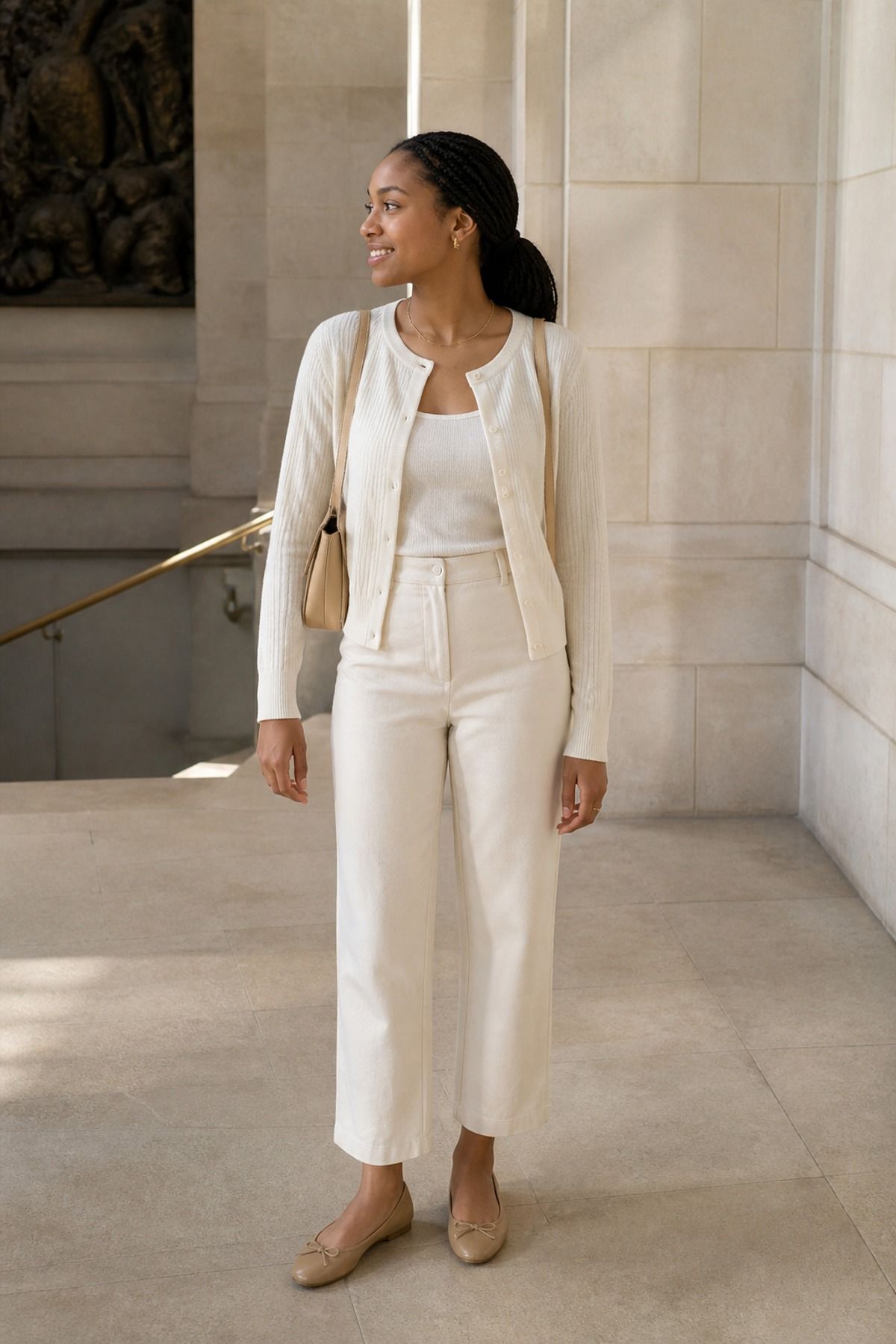


The reason this outfit earns its place is simple: cream looks soft and expensive when fabrics differ. It solves the main styling problem while still feeling natural for simple daytime plans that need comfort first and polish close behind. That makes it a better outfit choice than something cuter on the hanger but annoying once the day starts.
Make the outfit repeatable by keeping the styling clear. Watch transparency and undertone and choose accessories that solve something. Tan flats keep it gentle. A piece earns closet space when it works with more than one plan.
9. Striped Sweater with Black Pants


Let the day lead, then bring in the striped sweater with black pants. Stripes add interest without being loud. That order keeps a museum day from feeling overplanned and makes the outfit easier to adjust if the weather, shoes, or schedule changes.
Texture, weight, and proportion matter more than extra jewelry here. Keep the stripe scale clean and let the outfit breathe. A trench can finish it. If the pieces already have contrast, let that be the styling.
10. Soft Blazer with a Tee Dress
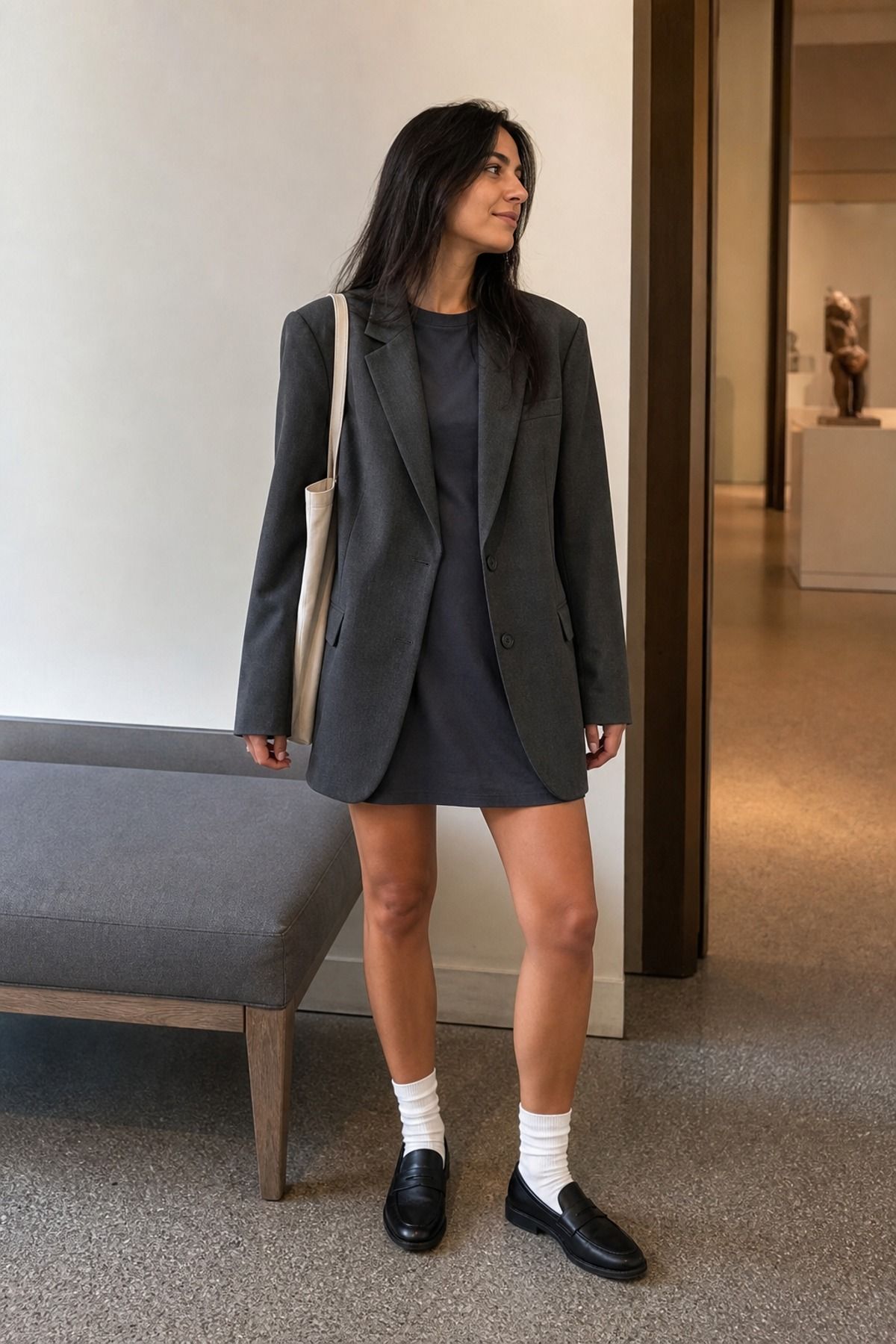


What works about the soft blazer with a tee dress is that a blazer makes a tee dress feel more museum-ready. It has enough style for the setting, but it still leaves room for casual plans where fabric, fit, and shoes are more obvious than heavy styling. The outfit should feel like it belongs to the plan, not like it was borrowed from a more formal occasion.
The outfit needs one final practicality check. Choose a tee dress with enough weight before leaving, especially if the day includes walking or sitting for a while. Minimal sneakers work. The right version should feel good after the first hour, not just at the door.
11. Satin Skirt with a Cotton Shirt


Consider the satin skirt with a cotton shirt when the day needs polish without fuss. Cotton keeps satin from feeling too evening. It gives the outfit a clear mood for sitting, carrying a tote, walking farther than expected, and still feeling put together, while the rest of the styling can stay simple and wearable.
Keep the base believable. Half tuck where the shirt falls naturally and avoid adding pieces that fight the original shape. Flat shoes keep it daytime. A cleaner outfit usually looks more confident than a busier one, especially in casual settings.
12. Cardigan Jacket with Jeans
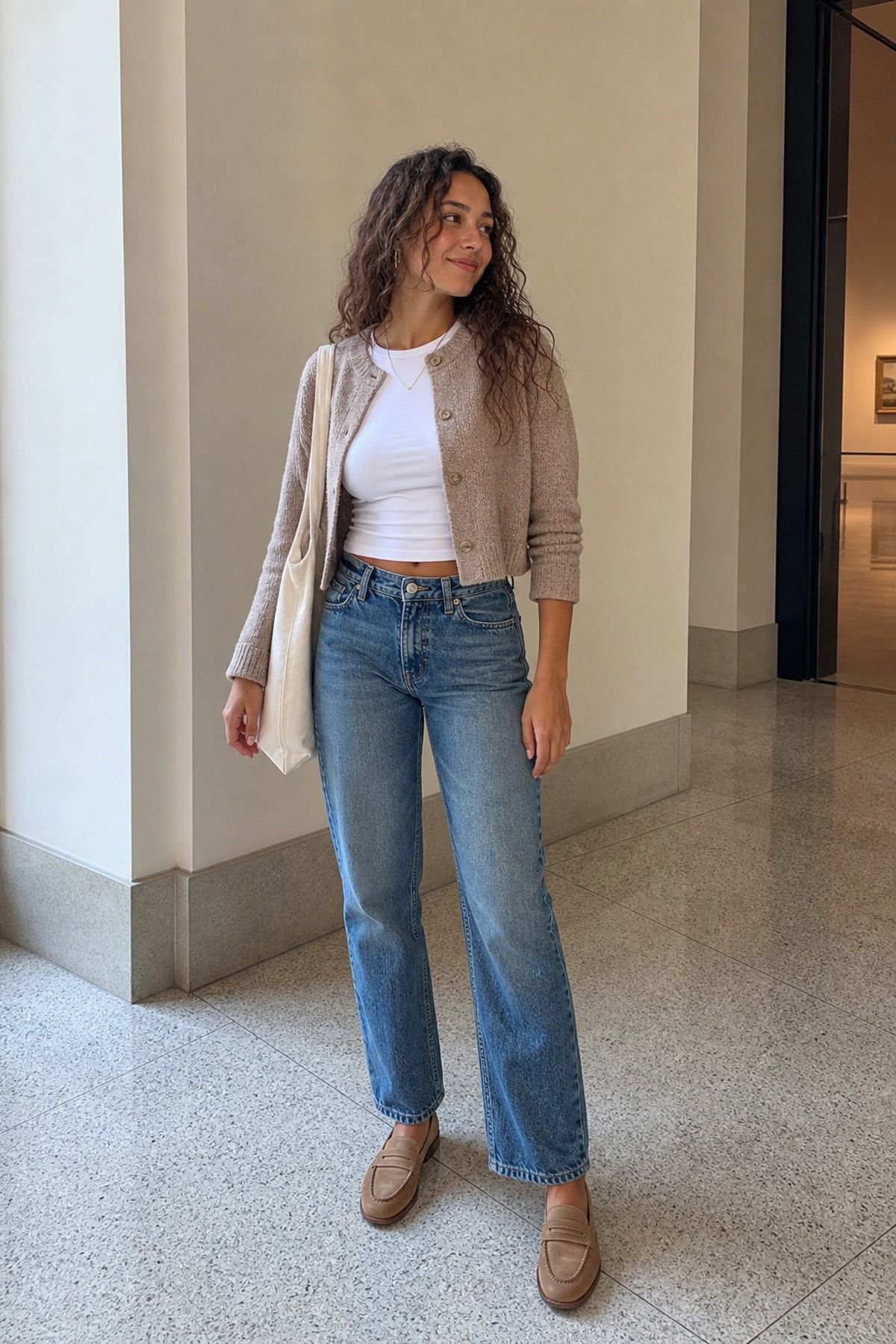


Putting the cardigan jacket with jeans together makes getting dressed for a museum day feel intentional quickly. A cardigan jacket feels softer than a blazer but still neat. That balance is what keeps the outfit wearable through simple daytime plans that need comfort first and polish close behind. It also gives the look a little direction, so the pieces feel chosen instead of simply comfortable.
Let the shoe do some of the styling work. Loafers add polish. The rest is mostly about fit: keep denim clean and non-distressed so the outfit feels intentional in daylight and in motion. A practical shoe can still look polished when the proportions are right.
13. Utility Pants with a Black Turtleneck
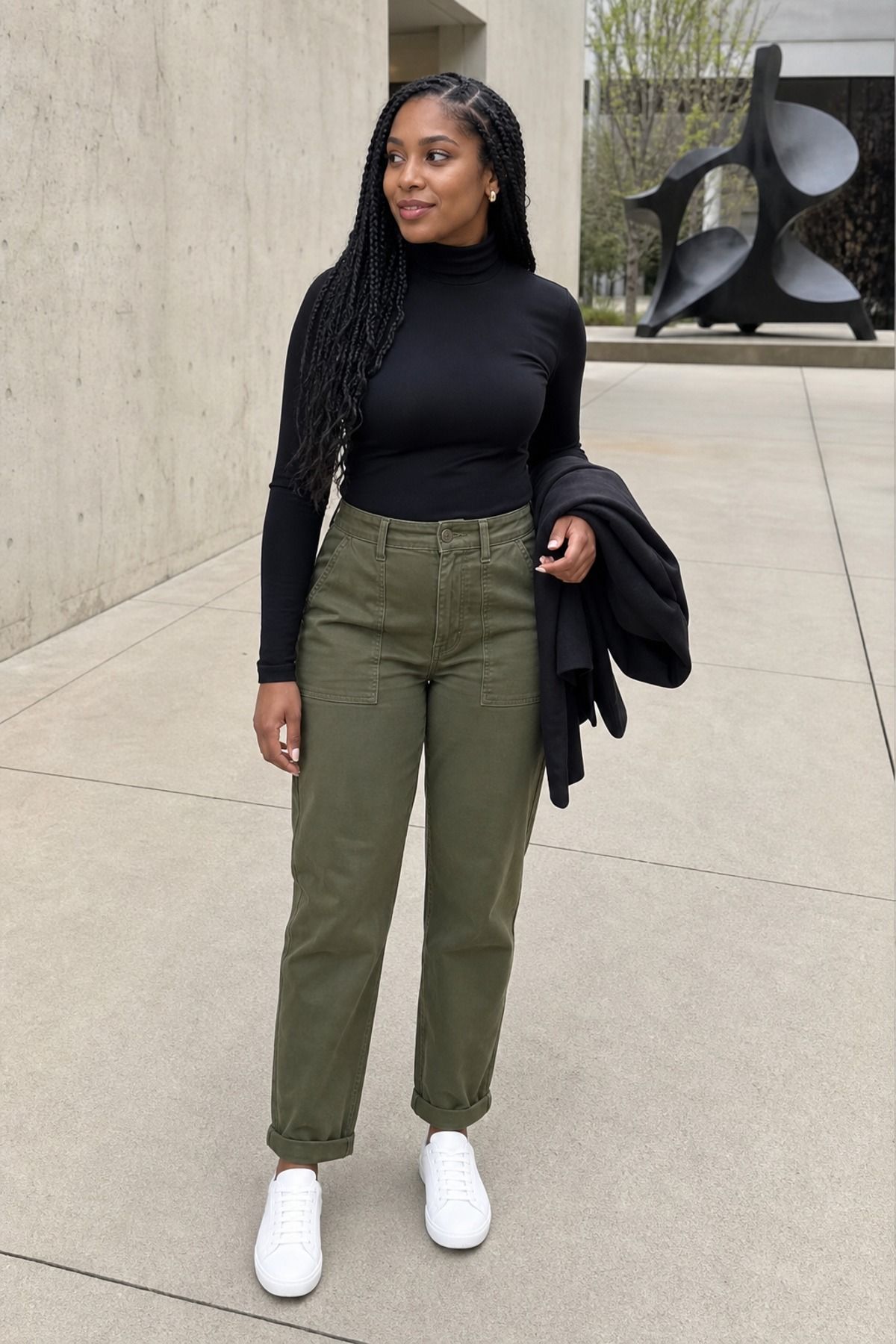


Reach for the utility pants with a black turtleneck when a museum day needs structure without losing ease. Utility pants can look refined with a sleek top. The look should still feel like something you can live in for a few hours. If it only works while standing still, it is probably too precious for the plan.
Pay attention to fabric and movement. Avoid overfilled pockets before committing to the outfit for the day. A low boot works well. If something needs constant adjusting, it is not the right version yet, no matter how good it looked for one minute.
14. Midi Dress with Mary Janes


Nothing about the midi dress with mary janes has to feel complicated. Mary Janes give a midi dress a thoughtful, art-school feel. The outfit works for casual plans where fabric, fit, and shoes are more obvious than heavy styling because the main pieces already explain the mood, leaving the accessories to stay quiet.
The finishing detail should help the outfit, not decorate it for no reason. Check strap comfort before a long walk and keep the bag or shoe in the same mood. A cardigan handles AC. When the base is strong, the smallest accessory choice can be enough.
15. Silk Scarf with a Minimal Base


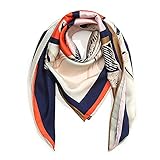

Styling the silk scarf with a minimal base this way keeps a museum day from feeling unfinished. A scarf can add personality without making the outfit busy. It gives you polish without asking for a complicated shoe, bag, or stack of accessories. That kind of restraint is what makes the outfit easier to repeat without looking flat.
Check proportion instead of chasing perfection. Tie it away from bag straps. Make sure the outfit still has a clean line from the side. Keep the base clean. That side view is often where hems, volume, and bag straps tell on themselves.
Key Takeaways
- Wear shoes that can handle standing.
- Bring a light layer for cool galleries.
- Keep bags compact and easy to manage.
Museum Outfit FAQs
How do you make daytime outfits look put together?
Use comfortable pieces with one clean detail: a good layer, neat shoe, structured bag, or fabric that holds shape.
What shoes work best for casual daytime outfits?
Sneakers, loafers, ballet flats, flat sandals, low boots, and Mary Janes work when they match the walking plan.
How do you keep casual outfits from looking sloppy?
Check fit, fabric, hem length, and shoe condition. One polished detail usually does more than several accessories.
What Should You Wear to a Museum All Day?
Museum outfits should feel calm, comfortable, and quietly styled.
When the shoe is kind and the layer is thoughtful, the outfit can stay simple and still look chic.
Because a light layer matters so much in chilly galleries, my cardigan outfit ideas are a good next read, and these graphic tee outfits show a more relaxed base for casual museum days.
Last update on 2026-10-07 / Affiliate links / Images from Amazon Product Advertising API