
Expensive beauty tools earn their price when the cost-per-use math holds across two to three years. The Dyson hair line, NuFace MINI+, Omnilux Contour, and ZIIP Halo lead the editor-consensus 2026 list of one-time-purchase picks that last.
The Dyson Supersonic that has lived in the bathroom drawer for five years is still pulling its weight every morning, next to the $180 jade roller you used twice and the $250 hair steamer that broke at month nine.
The expensive beauty tool category is full of products that promise to be the one-time purchase that lasts a decade, and a fair share of them fail that test within the first 18 months. The tools that genuinely earn the splurge share a specific pattern: a track record of three-plus years in editor rotation, cost-per-use math that holds up against the cheaper alternatives, and a brand service-and-replacement policy that means a broken unit at year three is not a $400 loss.
Want a clear-eyed companion that helps you decide which beauty splurges deserve the budget?
The Money Mindset Makeover is the honest companion for thinking through which expensive beauty tools earn their place in your spending, which ones are paying for the branding, and where the cheaper version delivers the same long-term result. It lives here.
Recommended Expensive Beauty Tools at a Glance
Five of the strongest one-time-purchase picks across the category. The numbered listicle further down has the full cost-per-use math for each one, plus the cheaper alternative if the splurge is more than the current routine justifies.


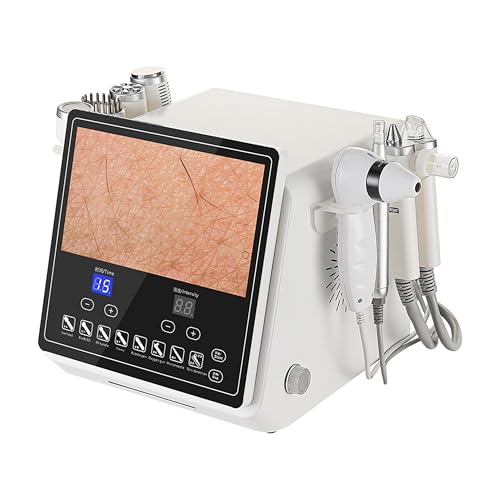
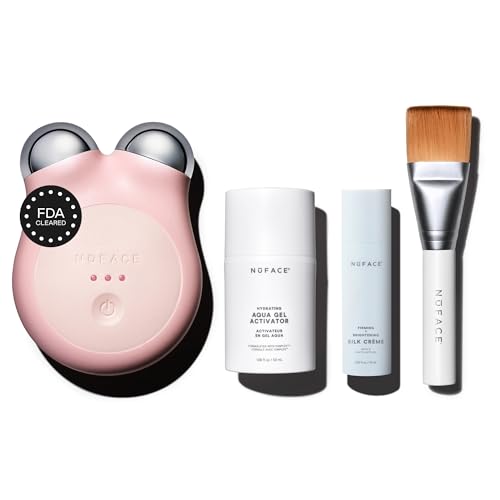
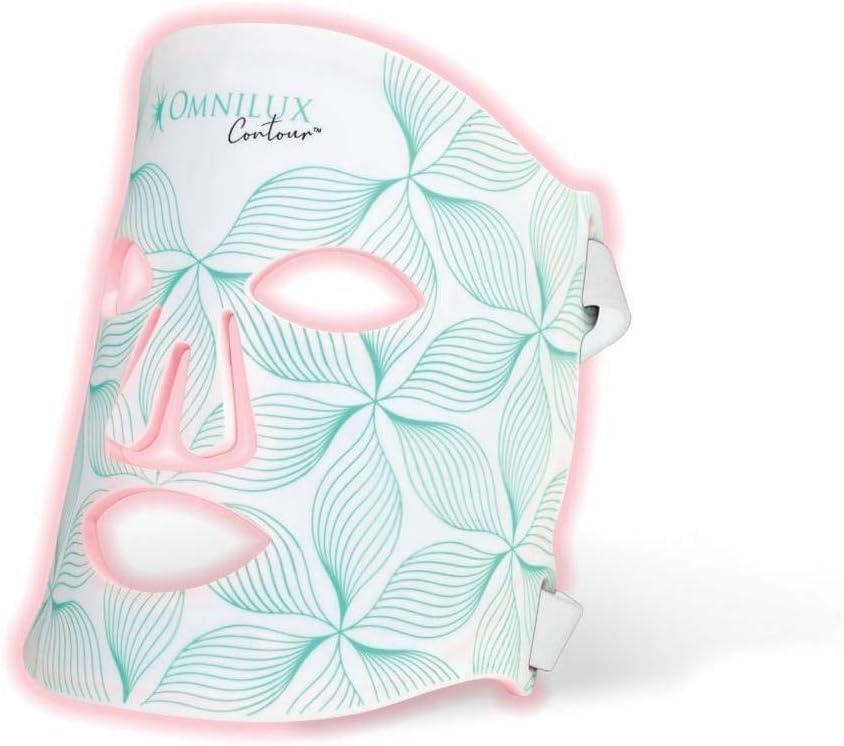

Recommended blogs to read:
- Luxury Glow Up Tools for Hair Skin and Body
- Luxury Skincare Devices for Firmer Clearer Skin
- High End Wellness Devices Women Use at Home Every Week
- Beauty and Wellness Investments Women Actually Keep Using
- Luxury Beauty Tools Women Say Are Worth the Money
How to Tell Whether the Splurge Will Hold Across Three to Five Years
The honest test for any expensive beauty tool is the cost-per-use math projected across the realistic ownership window. A $400 Dyson used daily for five years works out to roughly 22 cents per use, which beats the cheap drugstore dryer that needs replacement every 18 months.
A $500 LED mask used twice a year because the user forgets it exists works out to $250 per use, which is more than the in-office facial it was supposed to replace. The Quality Edit and Really Ree 2026 expert beauty-tool rankings both surface this same pattern: the tools that hold up share durability, brand service policies, and editor-rotation longevity that the trend tools do not.
The honest catch is that most expensive beauty tools fail on use frequency rather than build quality. The $500 device would last a decade if it actually got used, but the discipline of three-times-weekly sessions is what most users underestimate at the point of purchase. The picks that consistently earn their price across editor rankings are the ones that slip into an existing routine (Dyson hair tool used in the morning, Theragun used during evening TV time) rather than the ones that require a new dedicated session that never quite happens.
The 10 Expensive Beauty Tools Worth Buying Once
Ordered by use case rather than ranking, with explicit cost-per-use math for each pick. Each entry also names the cheaper alternative if the splurge is not yet justified by the current routine.
1. Dyson Supersonic R or Airstrait
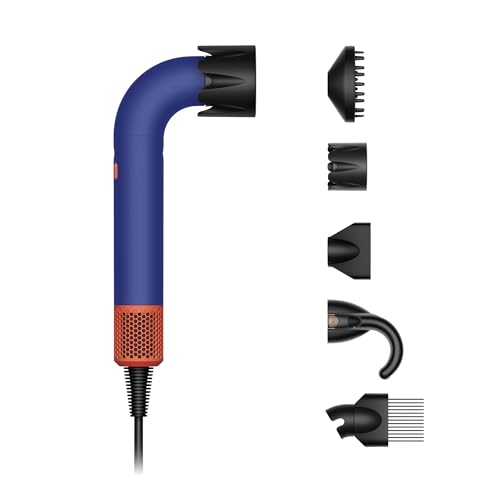
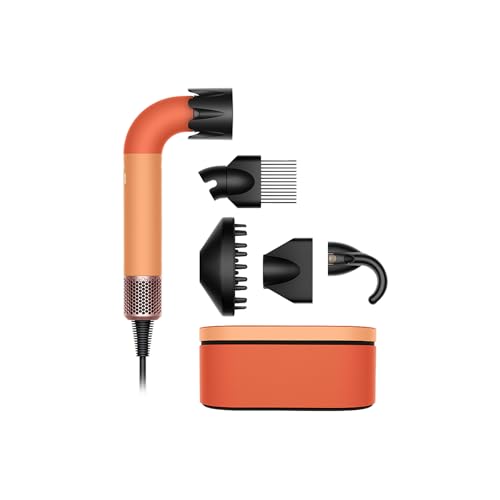
Dyson’s flagship hair tools earn the splurge because the technology genuinely prevents the heat damage that drugstore tools cause over years of daily use. $499 to $599 depending on model, with the realistic five-year ownership window producing roughly 22 cents per use at daily styling.
The ghd Platinum+ at $249 is the alternative if you style two to three times per week rather than daily.
2. ZIIP Halo 2.0
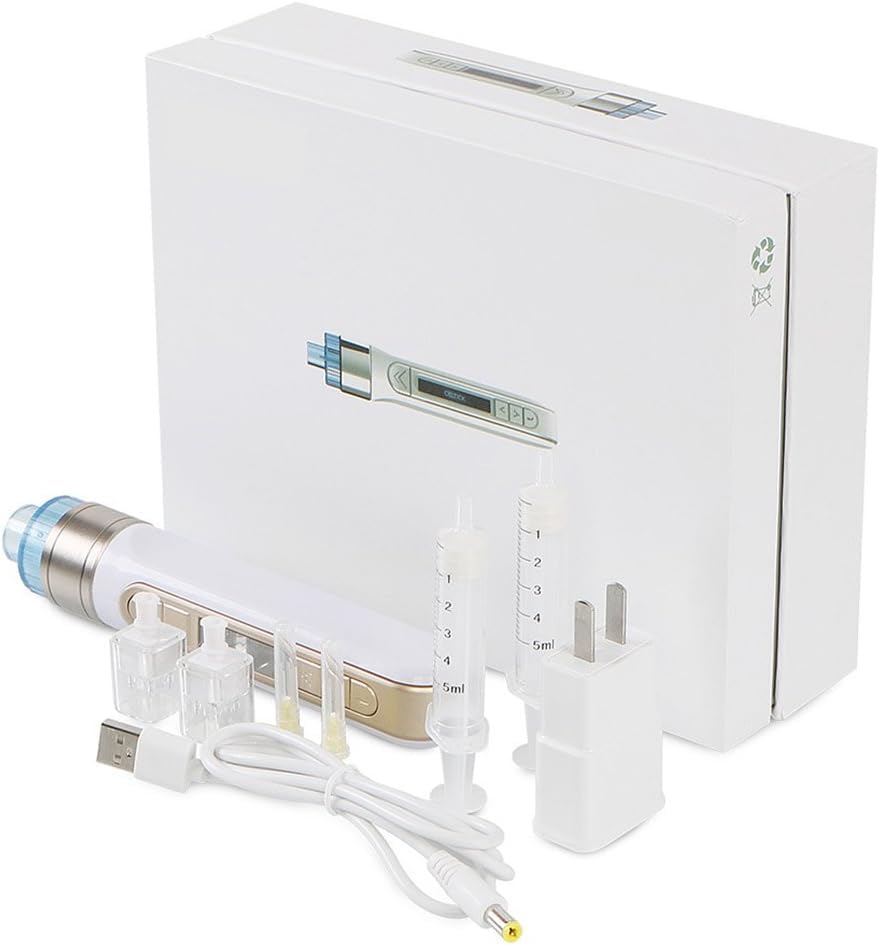
Microcurrent plus nanocurrent device with app-guided treatment programs. $495 for the device. The cost-per-use math earns out at roughly $1.60 per session across two years of three-times-per-week use, which is dramatically below the $200 in-office microcurrent facial it replaces. The NuFace MINI+ at $295 is the alternative if you do not want the app-led programming.
3. NuFace MINI+
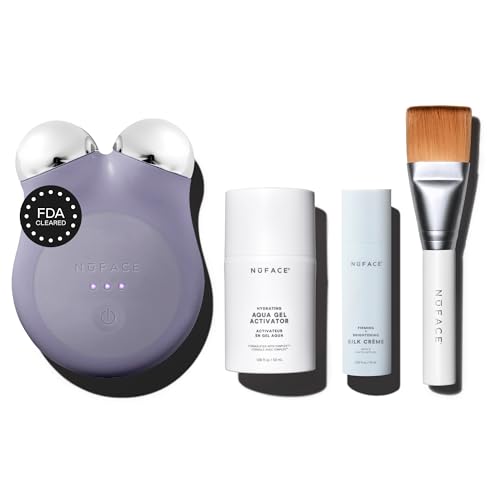
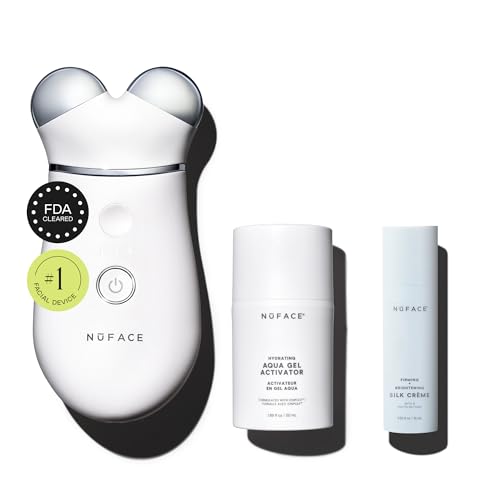
FDA-cleared microcurrent device for facial sculpting and skin tightening. $295. The cost-per-use math earns out at under $1 per session across two years of three-times-per-week use. The original NuFace at $209 is the alternative if you want the proven formula without the upgraded controls and battery.
4. Omnilux Contour Face Mask
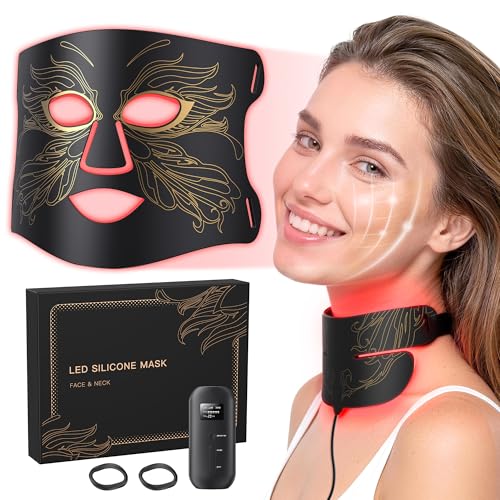
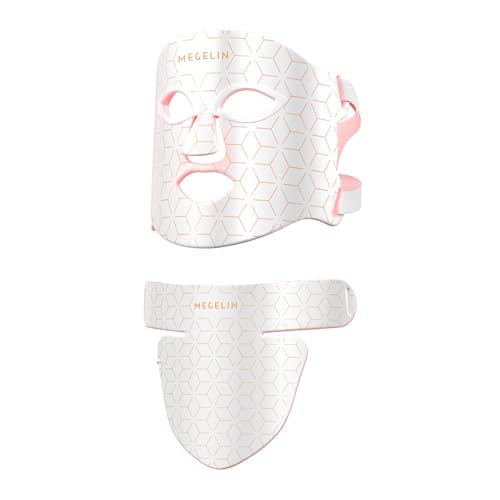
Red LED therapy mask with FDA clearance for collagen stimulation. $395. The cost-per-use math earns out at roughly $1.30 per session across two years of three-times-per-week use, which beats the $150 in-office LED facial by 100x. The CurrentBody Series 2 at $395 is the design-alternative pick at the same price.
5. Lyma Laser Pro
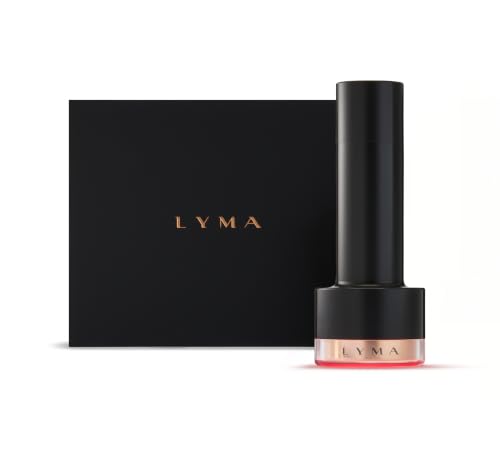
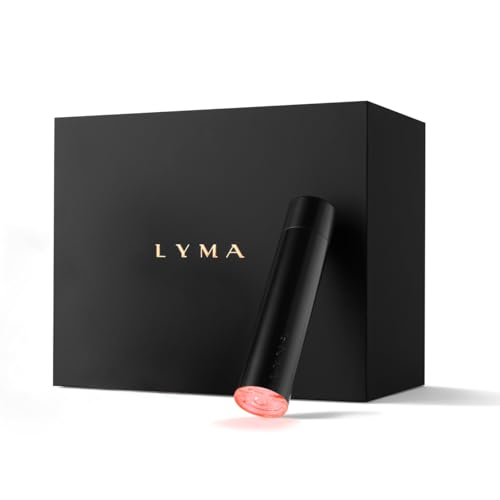
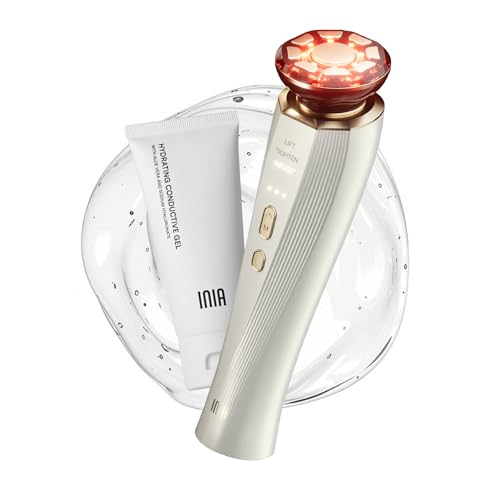
Near-infrared laser for deep-tissue collagen stimulation. $2,695, the highest-priced pick on this list. The cost-per-use math earns out only for users committed to the 12-week protocol followed by ongoing maintenance. The Omnilux Contour is the lower-tier alternative if you are not ready for the Lyma commitment.
Want a weekly planner that makes sure your $400 device actually gets used three times a week?
The Self-Care Planner is the weekly companion that anchors the scheduled device sessions in your calendar, so the cost-per-use math of the splurge actually earns out the way the brand promised. It lives here.
6. Theragun Pro Plus
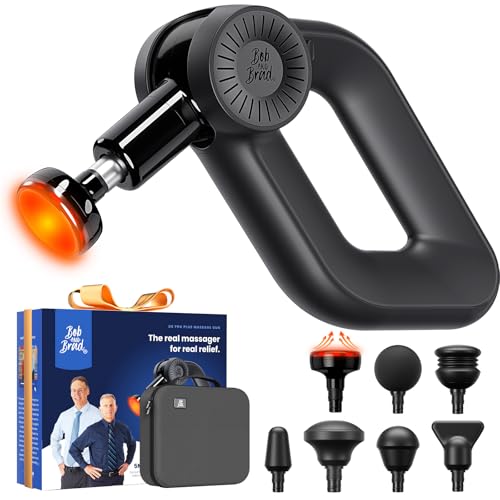

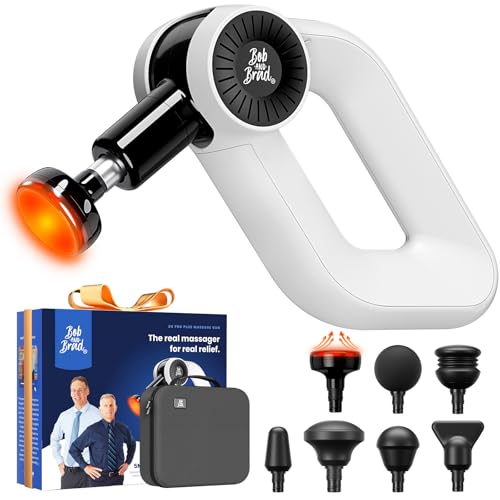
Percussion massager with heat, vibration, and red-light head attachments. $599. The cost-per-use math earns out at under $0.50 per session across three years of three-times-weekly use, which beats the $80 in-person massage session it partially replaces. The Theragun Mini at $199 is the alternative for the portable use case.
7. TheraFace Pro
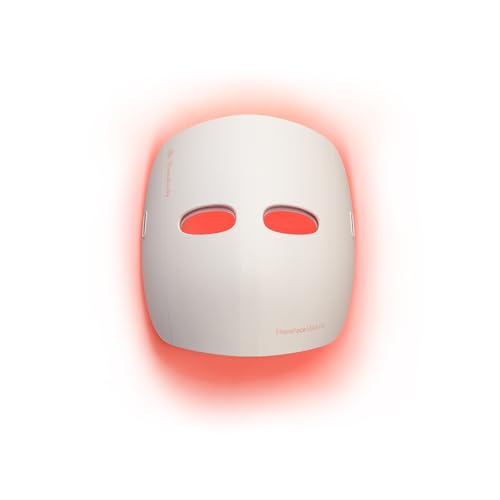
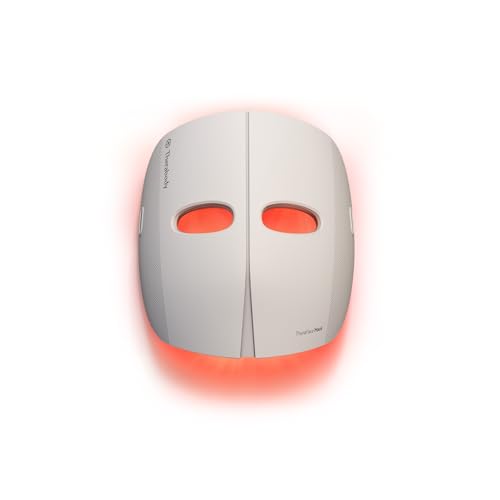
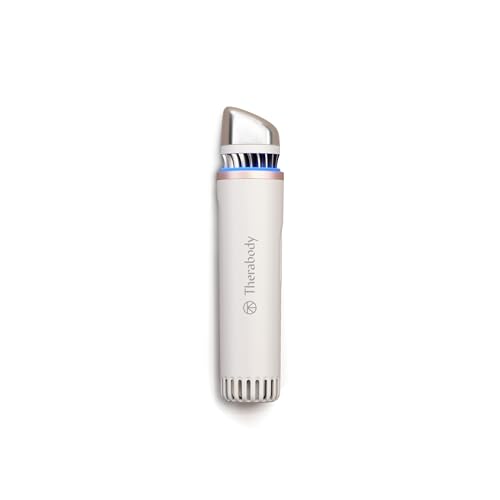
Multi-modal facial device combining microcurrent, LED, and percussion in a single tool. $399. The cost-per-use math earns out at roughly $1.30 per session for users who actually use all three modes. The catch: most users settle into one or two modes and the multi-modal premium becomes a single-mode tool at a higher price.
8. Foreo Luna 4


Silicone facial cleansing device with T-Sonic pulsations. $279. The cost-per-use math earns out at roughly 25 cents per session across three years of daily use, but the honest catch is that the cleansing benefit over a hand wash is incremental. The right pick if you want the ritual layer to the routine.
9. ghd Platinum+ Styler
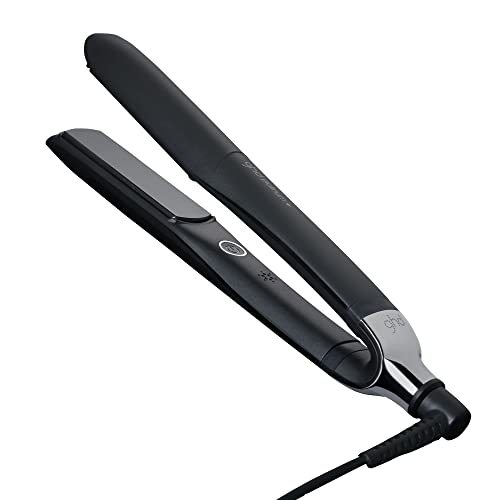
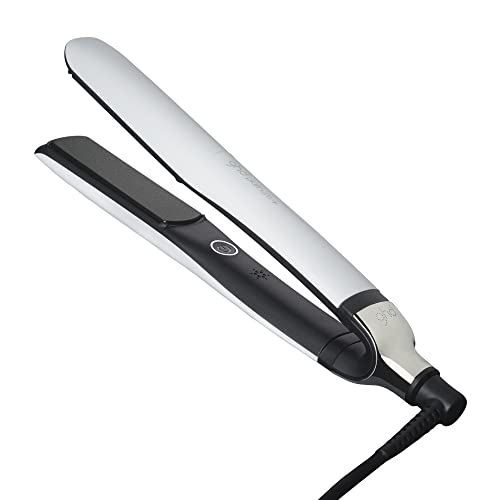
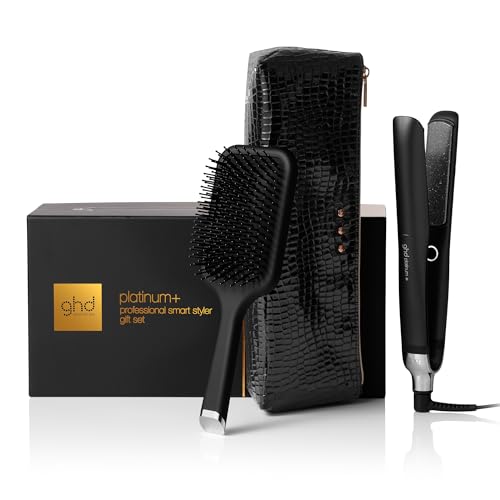
Flat iron with ultra-zone predictive technology for heat control. $249. The cost-per-use math earns out at roughly 14 cents per use across five years of daily styling, which makes it the highest-return value pick in the luxury hair-tool category.
10. T3 AireBrush Duo
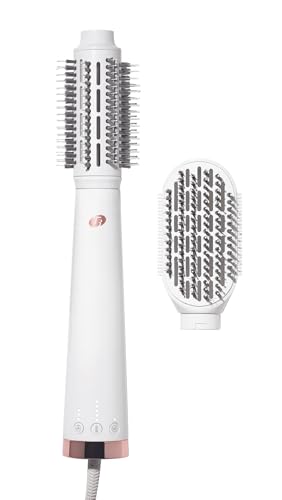


Hot air brush with ionic technology for the morning blow-out routine in a single tool. $200. The cost-per-use math earns out at roughly 18 cents per use across three years of daily styling, which beats the comparable Dyson Airwrap by half on entry price.
How to Run the Cost-Per-Use Math Before You Buy
Three rules for the honest calculation that separates the splurge that earns its place from the trend purchase that does not.
- Project the realistic use frequency, not the aspirational use frequency. If you will use the LED mask three times a week consistently, the $395 Omnilux earns out. If you will forget about it after week three, $395 buys a single in-office facial.
- Compare the cost-per-use against the in-person service the tool replaces. A $500 microcurrent device earning $1.60 per use against a $200 in-office facial is a factor-of-100 savings if the use frequency holds.
- Check the brand service-and-replacement policy. Dyson and Therabody both offer two-to-five-year warranties that reset the risk math. A no-warranty $400 trend tool is a different purchase from a Dyson with a five-year coverage policy.
When the Splurge Is Not the Answer
Active cystic acne, severe rosacea, hair loss beyond early thinning, and chronic pain that the Theragun would only mask all warrant a dermatologist or specialist visit. The luxury beauty tool tier is the enhancement and maintenance layer, not a substitute for the clinical evaluation where the underlying problem lives.
For pregnancy and breastfeeding, microcurrent and laser devices should be paused. LED therapy, hair tools, and body massage (avoiding the abdomen) all continue to work normally.
Frequently Asked Questions
Which expensive beauty tools are worth buying?
Dyson hair line, NuFace MINI+ or ZIIP Halo for microcurrent, Omnilux Contour or CurrentBody Series 2 for LED, Theragun Pro Plus for body recovery. The tools share a 3-plus-year editor-rotation track record and brand service policies that protect the investment.
Are luxury beauty tools a waste of money?
Only when the use frequency does not match the purchase justification. A $500 device used three times a week for two years is excellent value. The same device used twice a year is a waste of money. The math is in the consistency, not the tool.
What beauty tools last the longest?
The Dyson Supersonic R, ghd Platinum+, and NuFace MINI+ have the strongest three-to-five-year editor-rotation track record. The brands with the longest warranty coverage (Dyson, Therabody) also have the highest equipment-survival rates.
Is the ZIIP Halo worth $500?
If you want the app-guided microcurrent programming and you will use it three times per week, yes. The cost-per-use math at $1.60 per session over two years dramatically beats the in-office facial it replaces. If you want the proven microcurrent without the app, the NuFace MINI+ at $295 is the more boring but equally effective alternative.
What is the best one-time-purchase beauty splurge?
Dyson Supersonic R or Airstrait at $499 to $599. The cost-per-use math earns out the fastest of any expensive beauty tool because daily use is realistic for almost any user, and the build quality genuinely holds across five years of ownership.
What luxury beauty tool delivers the fastest results?
NuFace MINI+ for visible facial sculpting at week three. The Dyson hair tools for the same-morning result. Theragun for immediate tension relief. The tools with the fastest visible result are the ones that earn the consistent use that makes the cost-per-use math actually work.
Key Takeaways
- Expensive beauty tools earn their price when the cost-per-use math holds across two to three years. The Dyson hair line, ZIIP Halo, NuFace MINI+, and Omnilux Contour lead the editor-consensus list.
- The honest test is the realistic use frequency projected across the ownership window. Three-times-per-week use for two years brings most premium tools under $2 per session.
- Brand warranty and service policies (Dyson, Therabody) reset the risk math. A no-warranty trend tool at $400 is a fundamentally different purchase from a Dyson with five years of coverage.
- The picks that consistently earn their price slip into existing routines rather than requiring new dedicated sessions. Hair tools at morning styling, Theragun during evening TV time.
- Active cystic acne, severe rosacea, hair loss, and chronic pain warrant a specialist visit rather than another tool addition.
Final Thoughts
The expensive beauty tools worth buying once are the small set that pass three filters: three-plus-year editor-rotation track record, cost-per-use math that earns out across two to three years of realistic use, and brand service policies that protect the investment. The Dyson hair line, NuFace, Omnilux, Theragun, and ZIIP anchor the editor-consensus list.
The math is in the consistency, not the equipment. Pick one or two that match the categories you will actually use, schedule the sessions like an appointment, and the splurge earns the place it was supposed to.
Last update on 2026-08-15 / Affiliate links / Images from Amazon Product Advertising API