

Habit stacking is anchoring a new habit to an existing routine using the format: ‘After [existing anchor], I will [new habit].’ BJ Fogg’s Stanford research found tiny habits anchored this way have roughly a 90% success rate when the new behavior takes under 30 seconds.
To avoid overwhelm: install ONE stack at a time, max 3-5 active stacks total, no chains longer than three steps.
Quick answer: Habit stacking anchors a new habit to an existing routine with one sentence, ‘After this, I will do that,’ and it works best when the new habit is tiny and each stack is installed before adding the next.
BJ Fogg founded the Behavior Design Lab at Stanford and spent more than twenty years studying why most attempts at new habits fall apart in the first three weeks. His answer, in plain English, is that we keep trying to use willpower instead of design.
The design move that does most of the heavy lifting is something he calls habit stacking. You take a routine that already runs on autopilot, your morning coffee, brushing your teeth, the commute, sitting down at your desk, and you piggyback a new tiny habit on top of it.
His tiny-habits research found that habits anchored this way have roughly a **90% success rate** when the new behavior takes less than 30 seconds. That is a remarkable number for a behavior-change intervention this small.
And here is the catch most habit-stacking guides skip. The Cleveland Clinic’s 2026 piece on habit stacking flags it directly: the moment you try to build a 10-step morning chain on day one, the whole thing collapses by day three.
Long chains are fragile because one missed link breaks everything downstream. So this guide covers the formula AND the size limits that make it actually sustainable across a year.
Recommended Tools for Habit Stacking
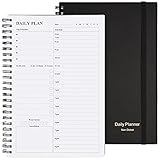
A short stack of physical anchors keeps the habit work visible. The five below are the ones most often cited by people who have kept habit stacks running for more than six months.



Recommended reads:
- Healthy Habits for the New Year That Feel Easy to Keep
- Micro Habits for the New Year That Create Real Change
- A Mindful Morning Routine for a Calmer Start to the Day
- How to Build a Growth Mindset That Changes Your Year
- A 5 Minute Mindset Routine to Rewire Your Thoughts
- building habits that hold across the year
- time management hacks that actually reclaim your day
The BJ Fogg Formula in Plain Terms
After X I Will Y
The whole thing fits in one sentence. ‘After [existing anchor], I will [new habit].’ ‘After I pour my morning coffee, I will write one thing I am grateful for.’ ‘After I sit down at my desk, I will set my top priority for the day.’ ‘After I brush my teeth at night, I will lay out tomorrow’s workout clothes.’ Pick the anchor, pick the new habit, write the sentence.
That is the entire formula.
Why It Works (the Science Part)
Your existing anchors are routines that already run without willpower. The neural pathway is already there. When you stack a new habit on top of an anchor, the new habit borrows that pathway instead of having to build its own from scratch.
That borrowed efficiency is why Fogg’s research keeps showing such high success rates for stacked habits compared to standalone ones. The stay consistent guide covers the longer-game maintenance work that protects the stacks once they are installed.
How to Pick the Right Anchor
The Three Criteria
A good anchor has three features. First, it happens every single day, not most days, not weekdays only. Every day. Second, it happens at roughly the same time. Third, you do it without thinking. Morning coffee, brushing teeth, sitting at your desk, the post-lunch tea, the evening shower. Anything you do reliably without negotiation.
Anchors That Look Good But Are Not
‘After my morning workout’ sounds great but most people miss workouts. The workout itself is not yet a reliable anchor, so stacking on top of it just doubles your failure modes. ‘After I meditate for 20 minutes’ has the same problem.
The anchor needs to already be solid before anything else gets stacked onto it. If the proposed anchor is still wobbly, build it first, stack onto it later.
The Under-30-Seconds Rule
Why the New Habit Has to Be Tiny
Fogg’s research is unambiguous on this. The 90% success rate kicks in when the new behavior takes less than 30 seconds. The moment the new habit stretches to 5 minutes, the friction rises and the failure rate climbs with it.
So the new habit gets shrunk down to its tiniest viable version. Not ‘meditate for 10 minutes’ but ‘take three slow breaths.’ Not ‘do my full skincare routine’ but ‘cleanse my face.’ Tiny first, expand later.
How to Shrink a Habit
Take the habit you actually want and ask: what is the smallest version of this that still moves me toward the bigger goal? Reading more becomes one page before bed. Drinking more water becomes one glass on waking.
Strength training becomes one push-up. The tiny version installs reliably; the expansion happens naturally once the install is solid. The resilience rituals guide covers the broader pillar framework the tiny daily habits support.
The Overwhelm Trap (and How to Avoid It)
Why 10-Step Morning Chains Collapse
Long chains are fragile. The most common habit-stacking failure is the Pinterest morning routine, 8 to 12 steps, all stacked on top of each other, started enthusiastically on Monday and abandoned by Thursday.
One missed step disrupts the entire downstream sequence. The Cleveland Clinic 2026 guide flags this directly: keep chains to three steps maximum if you want them to actually survive.
The One-At-A-Time Rule
Install one new stack at a time. Master it for 2 to 4 weeks before adding the next one. By the end of month three, you have three solid stacks running on autopilot. By the end of month six, six stacks. The slow build wins. The fast build collapses. Maximum recommended active stacks at any given time: 3-5.
How to Know a Stack Has Installed
You know a stack has installed when you stop having to remember it. The after-coffee gratitude habit has installed when you find yourself writing the line without thinking about it. That usually takes 2-4 weeks.
Once it feels automatic, the slot is freed up for the next stack. The weekly self care schedule covers the broader weekly architecture that holds the stacks in place.
Stack Examples That Actually Hold
Morning Stacks
‘After I pour my coffee, I will write one sentence in my journal.’ ‘After I sit down at my desk, I will name my top priority for the day.’ ‘After I drink my first glass of water, I will take three deep breaths.’ Each one is under 30 seconds. Each one anchors to something already automatic.
Evening Stacks
‘After I wash the dinner dishes, I will lay out tomorrow’s workout clothes.’ ‘After I brush my teeth, I will read one page of a book.’ ‘After I plug my phone into the charger in the kitchen, I will close my laptop for the night.’ The cozy night routine guide covers how the evening stacks fit into a longer wind-down.
Workday Stacks
‘After I close a meeting, I will stand up and stretch for 30 seconds.’ ‘After I finish lunch, I will walk around the block.’ ‘After I open my inbox, I will set a 15-minute timer for email triage.’ Stacks at the work transition points are some of the easiest to install because the transitions themselves are already automatic.
When a Stack Stops Working
The Anchor Has Shifted
Sometimes the anchor you picked stops happening. You stopped drinking morning coffee. The desk-sitting moved to a different room. The brushing-teeth moved from 10 PM to 11. When the anchor shifts, the stack shifts with it. Move the new habit to whatever the new reliable anchor is, or rebuild the anchor first.
The Habit Has Outgrown Tiny
If your tiny gratitude line has naturally grown into a 10-minute journaling practice, the stack has worked. The next move is not to compress it back to tiny, it is to give it its own dedicated slot if needed, and stack something new in the after-coffee position.
Successful stacks become standalone habits and free up the anchor for the next stack. The break bad habits guide covers the inverse work, using the habit loop to dismantle the patterns you actually want to remove.
Habit Stacking FAQs
What is habit stacking?
Habit stacking is anchoring a new habit to an existing routine using the format ‘After [existing anchor], I will [new habit].’ BJ Fogg developed it at Stanford as part of his Tiny Habits method. His research found stacked habits have roughly a 90% success rate when the new behavior takes under 30 seconds.
How do I avoid overwhelm with habit stacking?
Install ONE stack at a time. Master it for 2-4 weeks before adding another. Keep chains to three steps maximum, long chains collapse when one link breaks. Cleveland Clinic’s 2026 guide recommends max 3-5 active stacks at any time.
What makes a good anchor habit?
Three criteria: it happens every single day (not weekdays only), at roughly the same time, and you do it without thinking. Morning coffee, brushing teeth, sitting at your desk, evening shower. If the anchor itself is still wobbly, build it first before stacking onto it.
How long does it take for a stack to feel automatic?
Usually 2-4 weeks for a tiny stack to install. You know it has installed when you stop having to remember it. The after-coffee gratitude habit has installed when you find yourself writing the line without thinking about it.
Why is the under-30-seconds rule important?
Fogg’s 90% success rate kicks in specifically when the new behavior takes less than 30 seconds. The moment the new habit stretches to 5 minutes, the friction rises and the failure rate climbs with it. Tiny first, expand later.
Can I stack multiple habits on the same anchor?
Yes, but keep the total chain to three steps maximum. ‘After my coffee, I will write one gratitude line, take three breaths, and name my priority’ works. ‘After my coffee, I will do these 10 things’ does not, the chain collapses within a week when one link breaks.
Key Takeaways
- BJ Fogg’s Stanford research found stacked habits have ~90% success rate when the new behavior takes under 30 seconds.
- The formula: ‘After [existing anchor], I will [new habit].’ Pick an anchor that happens daily, at the same time, without thinking.
- Cleveland Clinic 2026: keep chains to 3 steps maximum; long 10-step chains collapse when one link breaks. Max 3-5 active stacks total.
- Install ONE stack at a time, master for 2-4 weeks before adding the next. The slow build wins; the fast build collapses.
- If the anchor itself is wobbly (workouts, meditation), build it first before stacking onto it , stacking onto unreliable anchors doubles your failure modes.
How Many Habits Should You Add With Habit Stacking?
Habit stacking done well is one sentence, one anchor, one tiny habit, and the patience to install it before adding the next one. BJ Fogg’s research backs the small version. The Cleveland Clinic 2026 guidance backs the size limits.
By month six, you have 5 or 6 stacks running on autopilot, and the cumulative effect on your day is bigger than the 10-step Pinterest version would have produced if it had survived (which it would not have).
A simple habit tracker makes it easy to see when a stack has installed, and my guide to self-discipline and procrastination helps on the days the anchor happens but the new habit does not.
Last update on 2026-10-07 / Affiliate links / Images from Amazon Product Advertising API