
Premium self-care tech earns the spend when the data it captures changes a behavior you would not have changed otherwise. The Oura Ring, Hatch Restore, Chilipad, and red-light therapy panels lead the 2026 editor-consensus list.
You look down at the Oura ring on your finger at 11pm and realize the readiness score has been climbing steadily for six months, even though you cannot point to the exact night the shift started.
That is what premium self-care tech actually delivers when it earns its place in a routine. Not a single breakthrough moment, but a quiet behavioral change that compounds across months. The CES 2026 wellness category surfaced a wave of new devices, but the ones that survive the trend cycle and stay in daily rotation are a narrower list, and they share one specific trait: the data the device captures has to change a behavior you would not have changed otherwise.
Anything else is expensive jewelry.
Want a year-long planner that holds the tech-supported routine you actually committed to?
The Self-Care and Wellness Planner is the year-long companion that anchors the morning sleep score check, the evening wind-down ritual, the weekly device session, and the seasonal review that shows you whether the tech actually shifted the underlying behavior. It lives here.
Recommended Premium Self-Care Tech at a Glance
Five of the strongest picks across the category, from the wearable that lives on your finger to the smart mirror that tracks your skin over time. The numbered listicle further down has the honest version of which device earns its place in which routine.




Recommended blogs to read:
- Beauty and Wellness Investments Women Actually Keep Using
- High End Wellness Devices Women Use at Home Every Week
- Luxury Skincare Devices for Firmer Clearer Skin
- Luxury At Home Treatments That Feel Better Than an Appointment
- Luxury Glow Up Tools for Hair Skin and Body
What Separates Premium Self-Care Tech From Expensive Gadgets
The CES 2026 wellness category was full of beautifully designed objects with vague benefit claims. The tech that earns long-term use shares three specific traits. First, the data the device captures is actionable, which means the user can change a behavior based on what the device shows. Second, the clinical evidence is real and published, not just marketing language.
Third, the device fits into a routine without requiring daily willpower to remember. Athletech’s CES 2026 coverage and Sleep.me’s wellness gift roundups both converge on this filter, and the products that pass show up across multiple editor lists for a reason.
The honest pattern across the category is that the wearables (Oura, Whoop, Apple Watch Ultra) earn their subscription cost when the readiness or recovery data changes a real decision (whether to push hard at the gym, when to actually go to bed, whether to take the recovery day).
The wellness tech that lives in the bedroom (Hatch, Chilipad, smart sleep masks) earns its price when the morning energy shift becomes noticeable around week three.
The skincare-adjacent tech (smart mirrors, LED masks) earns its price when used consistently, which is the gating factor most people underestimate at the point of purchase.
The 10 Best Premium Self-Care Tech Picks
Ordered by use case rather than ranking. Each entry names the data the device captures, the honest tradeoff, and which behavior change it most reliably produces.
1. Oura Ring Gen4

Sleep, recovery, and readiness tracking in a discreet ring format. The right pick if you want the wellness wearable that has held the editor-consensus top slot for sleep tracking since 2022. $349 for the ring plus $70 annual subscription.
The readiness score is the single highest-value data point in the category, because it tells you whether to push or rest before the body would have to tell you the hard way.
2. Hatch Restore 2
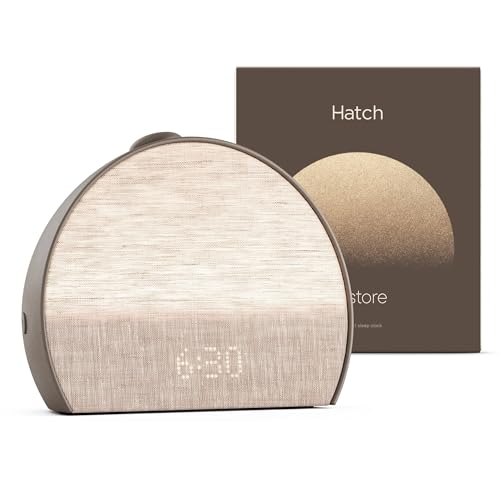
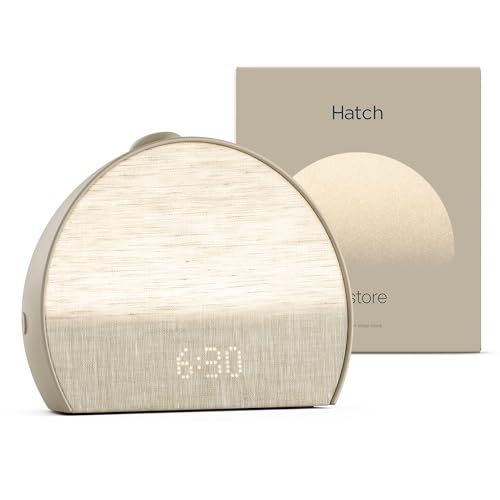
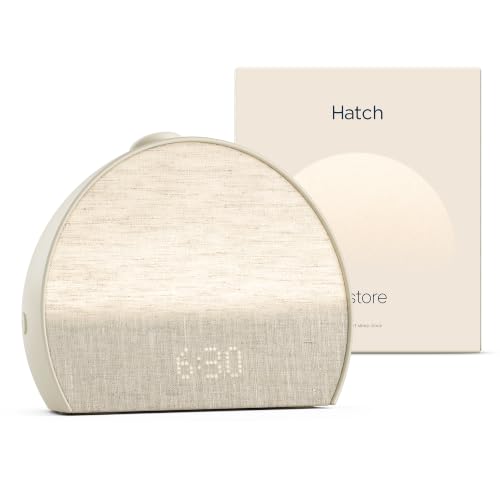
Smart sunrise alarm and wind-down sleep light that anchors the circadian rhythm without requiring you to remember anything. The right pick if morning energy has been a consistent struggle and the phone-alarm routine has been making it worse. $199. The wellness tech pick that quietly delivers the highest behavior-change return in the category for the lowest entry price.
3. Chilipad Dock Pro
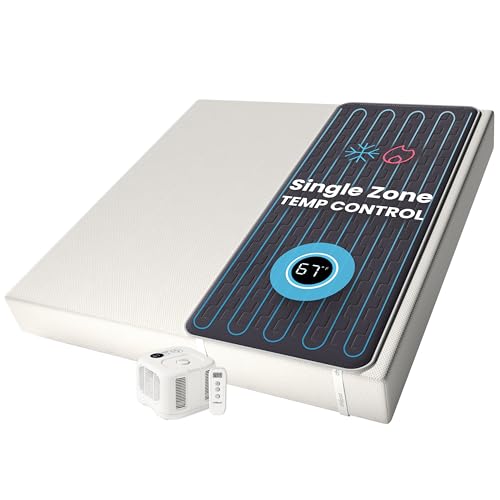

Temperature-regulated mattress topper that keeps you in the sleep-optimal range (60 to 68 degrees Fahrenheit) through the night. The right pick if you wake hot, your partner runs a different temperature, or you have been struggling with deep-sleep quality. $999 to $1,499 depending on size. The single highest-return tech purchase for sleep quality in the category.
4. Theragun Pro Plus
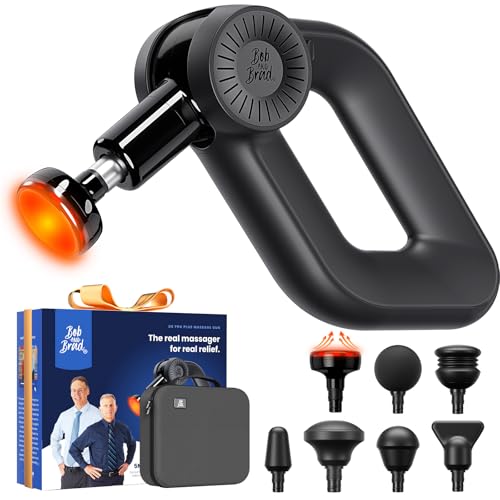

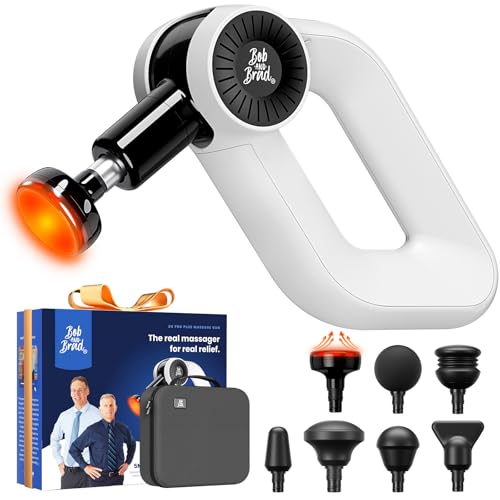
Percussion massager with heat, vibration, and red-light head attachments for muscle recovery and tension release. The right pick if you sit at a desk and the shoulder-neck pattern is constant, or you train hard and need the recovery support. $599. The Therabody flagship that earns daily use across editor lineups.
5. Lumen Metabolic Tracker
No products found.
Handheld breath analyzer that reads metabolic flexibility (fat vs carb burning) through CO2 exhalation. The right pick if you have been confused about metabolism and want real data instead of generic advice. $249 plus annual subscription. The CES 2026 editor-pick that has consistently earned use beyond the initial novelty window.
Want help deciding which premium tech actually deserves the spend in your budget?
The Money Mindset Makeover is the honest companion for thinking through which premium self-care tech earns its place in the budget, which devices are paying for the marketing language, and where the cheaper version delivers the same behavior change. It lives here.
6. Swan AI Smart Mirror
No products found.
AI-powered smart mirror that tracks skin changes over time and recommends routine adjustments. The right pick if you have been guessing whether your skincare is working and want objective tracking. $899 to $1,499 depending on model. The CES 2026 wellness-tech category winner, with the longest-term value going to users who actually log their routine alongside the data.
7. CurrentBody Series 2 LED Mask

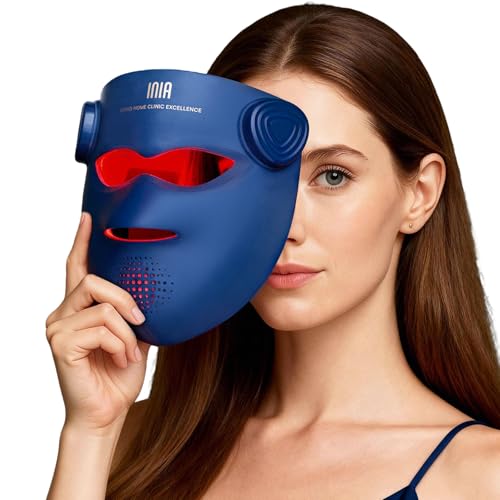
Red LED therapy mask with FDA clearance and clinical evidence for collagen stimulation. The right pick if you want the smart-leaning LED mask with app integration and you prefer the CurrentBody design over the Omnilux. $395. The editor-favorite pick that overlaps with the skincare device category but earns its place here because of the smart app integration.
8. Apple Watch Ultra 2 or Garmin Venu 3
![Apple Watch Ultra 2 [GPS + Cellular, 49mm] - Titanium Case With White Ocean Band, One Size (Renewed)](https://m.media-amazon.com/images/I/41gGnPrmuQL.jpg)
![Apple Watch Ultra 2 [GPS + Cellular, 49mm] - Titanium Case with Blue Ocean Band, One Size (Renewed...](https://m.media-amazon.com/images/I/41F7JZPolrL.jpg)
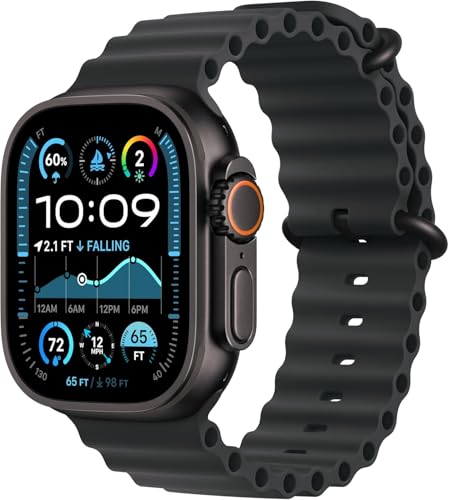
Full-feature smartwatch with sleep, recovery, fitness, and health tracking plus the on-wrist screen for notifications. The right pick if you want richer data than the Oura provides and you do not mind wearing a watch. $799 for the Apple Watch Ultra 2, $449 for the Garmin Venu 3.
9. Withings Body Scan Smart Scale
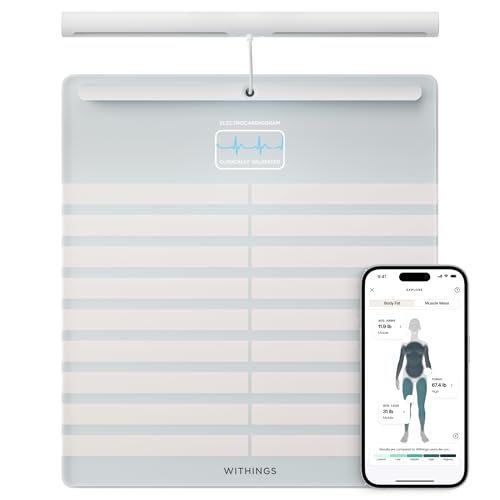

Smart scale that reads body composition (fat percentage, muscle mass, water weight) plus cardiovascular metrics. The right pick if you have been frustrated by scale-weight-only data and want the fuller picture without the $200 in-office DEXA scan. $399. The editor pick for smart scales that genuinely use the data they collect.
10. Aura Smart Sleep Mask
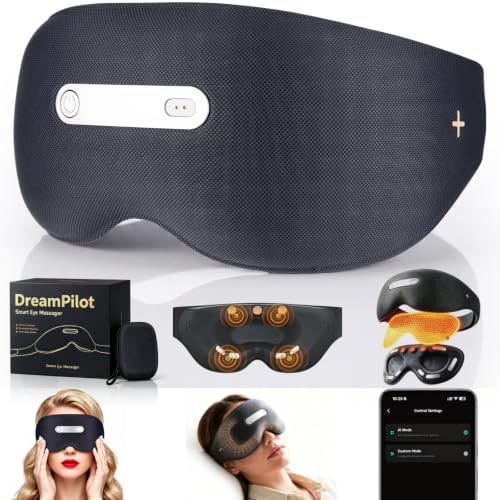
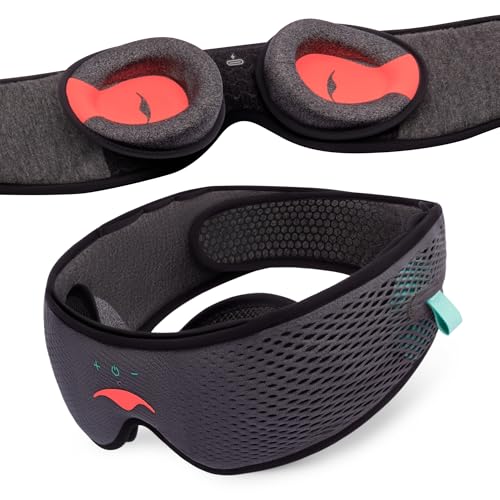
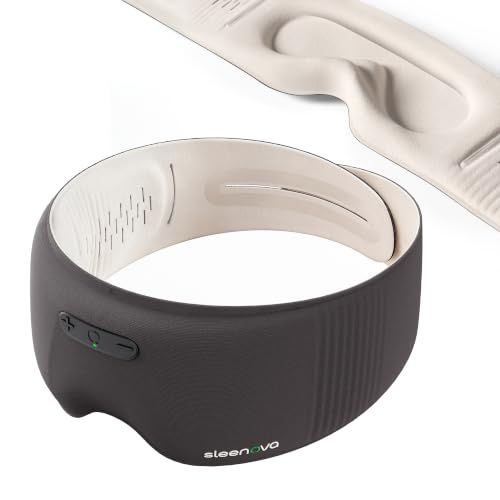
Smart sleep mask with light blocking, gentle pressure, and integrated sound therapy. The right pick if you travel, your bedroom has light bleed you cannot fully block, or you want the closing-the-loop tech for the sleep-routine investment. $179. The cheapest premium self-care tech pick on the list with genuine daily-use return.
How to Decide Whether Premium Tech Is Worth It for You
Four honest questions that separate the devices that earn long-term use from the ones that disappear into a drawer.
- Will the data the device captures actually change a decision you make? If you cannot name the decision in advance, the device probably will not deliver the behavior change.
- Does the device require you to remember to use it? Wearables (Oura, Apple Watch) win because they live on the body. Devices that require active sessions (LED masks, microcurrent) win only if scheduled like an appointment.
- Is there clinical evidence behind the claims, or only marketing language? Real published research is what separates the premium-tech tier that earns the price from the trend-tech tier that does not.
- Does the subscription cost (if any) match the data value? An Oura subscription at $70 a year is reasonable if the readiness score changes a behavior. A Lumen subscription that you stop opening is just an annual auto-charge.
When Premium Tech Is Not the Answer
If sleep, recovery, or metabolism issues are persistent and consequential, a clinical sleep study, a metabolism panel, or a doctor consult outperforms every consumer wearable. The premium tech tier is the maintenance and optimization layer, not a substitute for medical evaluation.
Eating disorder history, severe anxiety around body data, or compulsive tracking patterns are all reasons to step away from the data-driven self-care category entirely.
For pregnancy and breastfeeding, wearables continue to work normally. Specific algorithms (Oura’s cycle tracking, Apple Watch fall detection) may need calibration. Smart scales are generally safe but the metrics shift during this window in ways the algorithms do not account for.
Frequently Asked Questions
What are the best self care tech gadgets for women?
Oura Ring Gen4 for sleep and recovery, Hatch Restore for the morning routine, Theragun for muscle recovery, and the Chilipad for sleep temperature regulation. The combination delivers the largest single behavior shift in the wellness category.
Is the Oura ring worth it?
If you have been guessing at your sleep quality and want the data to actually fix it, yes. The readiness score is the single highest-value data point in the wearable category. The $70 annual subscription pays off when the data changes a real decision.
What is the best at-home wellness device for sleep?
Chilipad Dock Pro for temperature regulation plus Hatch Restore for the sunrise alarm plus a smart sleep mask. The three together deliver the largest sleep-quality shift in the wellness tech category for most users.
Does AI-powered skincare actually work?
AI tracking (Swan smart mirror, dermatologist-grade apps) does work for documenting skin changes objectively over time, which is genuinely useful for deciding whether a routine is working. The AI-powered recommendations themselves are still early; the tracking is the real value.
How often should I use my self care tech?
Wearables should live on the body continuously to capture the data the device is built for. Session-based devices (LED masks, microcurrent, Theragun) need three to five times per week minimum to deliver the cumulative benefit.
What is the best beginner self-care tech?
Hatch Restore for the sunrise alarm and a basic Oura or Apple Watch for the wearable tracking. The two together cost under $700 and deliver the largest behavior shift for users new to the category.
Key Takeaways
- Premium self-care tech earns the spend when the data the device captures changes a behavior you would not have changed otherwise. Anything else is expensive jewelry.
- Oura Ring Gen4, Hatch Restore 2, Chilipad Dock Pro, and Theragun Pro Plus anchor the 2026 editor-consensus list across sleep, recovery, and metabolism tracking.
- Wearables win on consistency because they live on the body. Session-based devices need to be scheduled like appointments to deliver the cumulative benefit.
- The CES 2026 wave surfaced new devices (Lumen, Swan AI Mirror, Aura smart sleep mask) that have earned editor validation by genuinely producing behavior change.
- Persistent or consequential sleep, recovery, or metabolism issues warrant a clinical evaluation rather than another consumer wearable.
Final Thoughts
The premium self-care tech category has matured in 2026 to where the right combination of wearables and session-based devices genuinely changes the underlying behaviors that drive sleep, recovery, and skin quality. The Oura ring leads the wearable tier. The Hatch and Chilipad lead the bedroom tier.
Theragun and LED masks lead the recovery and beauty tiers. Pick the one or two that match the behavior you actually want to change, commit to the data for six weeks, and the small steady shift is the kind of result that earns the spend.
Last update on 2026-08-15 / Affiliate links / Images from Amazon Product Advertising API