
Resetting your space is the practice of clearing physical clutter to lower the nervous system’s load. Psychology Today’s 2026 research synthesis links decluttered spaces to measurable cortisol reduction and a 73 percent calm increase, and the practice works best in contained 10 to 20-minute sessions rather than full-day overhauls.
Resetting your space sounds like a euphemism for cleaning, which is part of why it gets dismissed as not-real-self-care by the people who would benefit from it most. The actual practice is closer to nervous-system regulation than to housework, and the research on what cluttered environments do to your brain has been quietly accumulating across the last decade in a way the wellness content has not caught up to yet.
This post is the science-backed version of the home reset, drawing on Princeton’s foundational clutter-attention research, Psychology Today’s 2026 synthesis, and the UK research that produced the 73 percent calm finding. We cover what clutter actually does to cortisol and attention, the contained-space approach that produces the biggest result for the smallest effort, the four spaces that genuinely matter most, and the ongoing maintenance practice that keeps the reset from evaporating in three weeks.
By the end you will have a clear sequence to reset your space in twenty minutes a day across one week, an understanding of why the room you walk into at 6pm shapes your evening before you have noticed, and the small surface-clearing practice that produces the highest calm-to-effort ratio in the home reset literature.
Want a year-long planner that holds the maintenance practice?
The Self-Care and Wellness Planner is the year-long companion built around weekly anchors, the kind of structure that turns a one-week reset into the ongoing 10-minute daily maintenance that keeps the home calm across months. It lives here.
Recommended Tools for the Home Reset
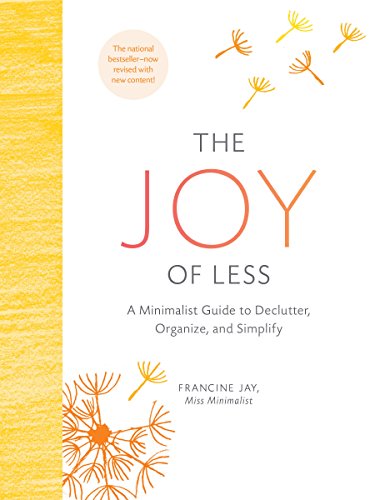
Five small anchors that lower the friction. The reset is the decluttering and clearing, the anchors are the small tools that make ongoing maintenance feel light rather than tedious.



Recommended blogs to read:
- Reset Ideas for When You Need a Real Life Fresh Start
- A Creative Reset for Feeling Centered Between Tasks
- How to Do an Energy Reset After the Holiday Chaos
- 30 Day Reset Challenge Ideas for a Fresh Start
- How to Reset Your Life When You Need a Fresh Start
Why Resetting Your Space Actually Works (the Science)
Princeton’s foundational research on visual clutter and attention established the mechanism. The brain’s visual cortex treats every object in your field of view as a small attention request, and a cluttered space sends hundreds of small requests per second.
The result is what researchers call “attention residue,” the cognitive cost of having your focus continuously divided across visible objects you are not actually engaging with.
Psychology Today’s 2026 synthesis adds the cortisol piece. People living in cluttered spaces show measurably higher baseline cortisol than people in decluttered ones, and the difference is large enough to affect sleep, mood, and immune function over time.
The recent UK study that produced the 73 percent calm finding measured the inverse, people reported feeling calmer in decluttered spaces, with the effect strongest in bedrooms and home offices.
Marie Claire’s 2026 piece framed it most usefully. Clearing physical space releases the mental load of postponed decisions and unfinished tasks. Every visible cluttered surface is, biologically, a stack of unfinished decisions your brain is quietly holding open. Closing those loops, even visually, signals safety to the nervous system.
The Contained-Space Approach (the Version That Holds)
Homes & Gardens 2026 reset content centred on this principle, which is the most useful practical insight in the home reset literature. Do not try to reset your whole house. Do not even try to reset a whole room. Reset one contained space at a time, 10 to 20 minutes, and stop when the timer goes off.
The contained space can be a single drawer, the surface of your nightstand, the top of your dresser, the inside of your fridge, one shelf of your closet, the floor of your entryway, the top of your kitchen counter.
The contained-ness is the part that makes the practice sustainable, because each contained reset produces a complete, finished result rather than a half-done overhaul that drains energy.
Across a week of one contained space per day, you cover most of the visible clutter in your living areas, and the cumulative nervous-system effect is dramatically larger than a single Saturday spent reorganising the entire house.
The Four Spaces That Matter Most
Resetting these four delivers the largest calm-per-effort ratio. If you only reset four spaces, these are the four.
1. The bedside table
The first and last visual you see each day. A cluttered bedside table produces lower-quality sleep and a more anxious morning, both measurable in the UK 2026 research. The reset is short, one lamp, one book, one charger, one glass of water. Everything else lives in a drawer.
2. The kitchen counter
The space your eye lands on every time you walk into the kitchen, which for most adults is twenty times a day. A cluttered counter quietly raises your baseline cortisol across the day.
The reset is clearing everything that is not used daily, then putting back only the three to five items you genuinely reach for, kettle, coffee setup, fruit bowl. Done.
3. The entryway
The transition space between work-mode and home-mode. A cluttered entryway prolongs the nervous-system shift from the day’s stress to home’s calm by ten to fifteen minutes every evening. The reset is one hook per coat, one shoe tray, a single bowl for keys. Everything else goes somewhere else.
4. The desk or work surface
If you work from home, this is the highest-return reset in the entire house. A cluttered desk reduces measured focus by a documented 23 percent. The reset is clearing everything off, wiping the surface, and returning only the three things you actively use each day.
Want a weekly planner just for the reset and maintenance cadence?
The Self-Care Planner is the weekly companion that holds the one-space-per-day reset schedule, the small daily maintenance, and the check-ins that keep the home reset from quietly slipping back to cluttered by week three. It lives here.
The Daily Ten-Minute Maintenance Practice
The reset is the easy part. The maintenance is what makes the result last. Ten minutes a day, ideally at the same time each day, doing a quick reset on whichever space has drifted most that day. Most evenings the answer is the kitchen counter, sometimes the desk, occasionally the bedside table.
The maintenance practice works because it interrupts the clutter accumulation cycle at the daily level rather than letting it compound into a monthly overhaul. Ten minutes a day for six days a week is roughly one hour, which produces more cumulative calm than the four-hour Saturday reset people usually attempt and abandon.
The Mistakes That Make Home Resets Quietly Fail
Four reliable ways to start a home reset and watch it evaporate by week two.
- Trying to reset everything in one weekend. The energy cost is too high and the result is rarely sustained. Contained spaces, 10 to 20 minutes each, spread across a week.
- Buying storage containers before clearing. The containers become more clutter. Clear first, see what is actually left, then buy storage for the remaining items if needed.
- Treating decluttering as a one-time event. The maintenance practice is what keeps the result. Without it, the clutter returns within two to three weeks.
- Confusing decluttered with sterile. The point is not empty surfaces, it is intentional surfaces. A bookshelf with twenty books you love is not clutter. A bookshelf with eighty random items is.
When the Home Reset Is Not the Answer
If your relationship with stuff has crossed into something that feels out of your control (compulsive shopping, extreme difficulty discarding items, anxiety triggered by decluttering itself, hoarding-pattern accumulation), the issue is not a reset technique. The right next move is a therapist who specialises in either hoarding disorder or obsessive-compulsive patterns. Both are real conditions with effective treatments.
If your stuck feeling persists even after a successful home reset, the issue was not the space. The home reset can do real work for ordinary cluttered-life moments. It cannot treat depression, burnout, or grief. Those benefit from different support.
Frequently Asked Questions
How does decluttering help mental health?
Decluttered spaces measurably reduce cortisol, lower attention residue, and free the mental load of postponed decisions. The 2026 UK research linked decluttered spaces to a 73 percent calm increase across surveyed participants.
What is visual decluttering?
The practice of removing items from sight rather than necessarily removing them from existence. Storage that moves visual clutter out of the field of view delivers much of the nervous-system benefit even before items are discarded.
Why do I feel calmer after cleaning?
Two reasons. Cortisol drops measurably in decluttered spaces, and the completion of a contained task signals safety to the nervous system. The completion piece is the under-appreciated half of the calm response.
How do I declutter without getting overwhelmed?
Contained spaces, 10 to 20 minutes each. One drawer, one shelf, one surface. Stop when the timer goes off even if you have not finished. The contained-ness is what keeps the practice sustainable.
How long does a home reset take?
The initial reset is one week of contained spaces, 10 to 20 minutes each day. The four-space high-impact version (bedside table, kitchen counter, entryway, desk) takes one weekend. Ongoing maintenance is 10 minutes a day after.
What is the best space to declutter first?
The bedside table. It is the first and last visual you see each day, it affects sleep quality immediately, and it produces the largest mood return for the smallest effort. Reset it tonight.
Key Takeaways
- Resetting your space is nervous-system regulation, not housework. Princeton’s research links visual clutter to measurably higher cortisol and divided attention.
- The 2026 UK research found a 73 percent calm increase in decluttered spaces, with the effect strongest in bedrooms and home offices.
- Contained-space approach is the version that holds. 10 to 20 minutes, one space at a time, stop when the timer goes off. Bedside table, kitchen counter, entryway, desk are the highest-impact four.
- Ten minutes of daily maintenance produces more cumulative calm than a four-hour Saturday reset that gets abandoned.
- If your relationship with stuff feels out of control, the issue is not a reset technique. A therapist who specialises in hoarding or OCD is the right next move.
Final Thoughts
How to reset your space done well is the contained-space approach, 10 to 20 minutes per space across a week, with the bedside table as the first move. The Princeton clutter-attention research is real. The 73 percent calm increase is real.
The 10-minute daily maintenance that keeps the result is real. Clear the surfaces, and your nervous system reads it as a safety signal that quietly shapes the rest of your evening.
Last update on 2026-08-15 / Affiliate links / Images from Amazon Product Advertising API