
Journal prompts get you unstuck when they shift the question from what should I want to what do I actually want, from what is the goal to what is the smallest step, and from outcome by year end to value lived this week. The right three prompts beat 50 surface ones.
The journal open at the kitchen table on a Sunday morning, the pen hovering above the line, the cursor blinking on the blank page. The internal pull to write the standard goals (lose 10 pounds, save more, read more, exercise more, be more present).
The deeper pull to write the question underneath those goals, the one nobody handed you on the productivity podcast, the one that asks why those specific goals and not the ones the deeper part of you has been quietly wanting for years.
Goal setting journal prompts genuinely help you get unstuck when they shift the level of the question you are answering. The surface prompts (“What do you want to accomplish this year?”) produce the same borrowed goals year after year because the surface question only invites the surface answer.
The deeper prompts (“What would you commit to if no one ever knew about it?”, “What is the smallest step that scares you slightly?”, “What value do you want this week to honor?”) produce different answers because they ask different questions.
Research on expressive writing from Dr. James Pennebaker forward consistently finds reflective writing increases goal achievement rates by roughly 42% and life satisfaction by roughly 23%, with the effect strongest when the prompts move past surface ambition to values-based clarity.
The right three to five prompts answered honestly beat the list of 50 surface prompts skimmed without depth every single time.
Want the weekly planner that anchors the prompts into a real Sunday reflection rhythm?
The Self-Care Planner is the structured weekly companion that holds the Sunday reflection prompts, the weekly review pages, and the small daily anchors the journal practice needs to actually compound into the goal clarity the prompts were designed to produce. It lives here.
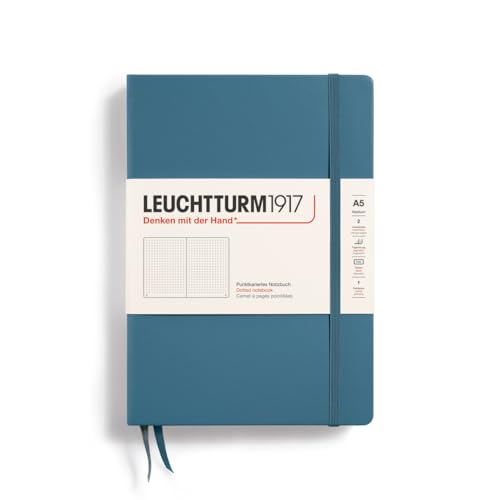
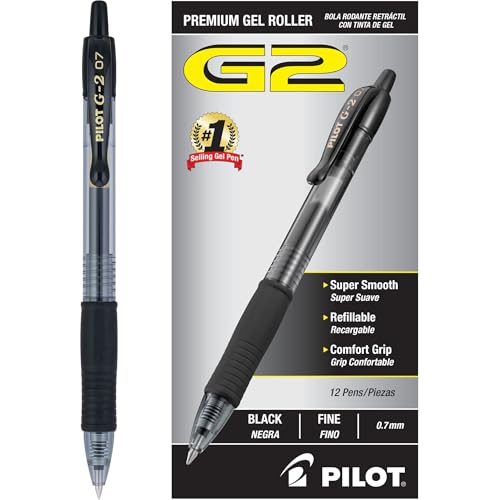
Recommended Journaling Supplies at a Glance
Five practical supplies for the prompt sessions. The numbered prompts further down are the actual questions worth sitting with.



Recommended blogs to read:
- Smart Goal Setting That Actually Produces Results
- Self Discovery Journal Prompts to Actually Know Yourself
- Set Intentions That Actually Show Up in Your Week
- How to Follow Through on Your Goals When Motivation Fades
- Goal Examples to Set for Every Season of Your Life
Why the Right Three Prompts Outperform the List of Fifty
The Pinterest-aesthetic 50-prompt list is the goal-setting journaling equivalent of the 47-goal annual plan: the appearance of depth without the actual depth. The reader who scrolls the 50 prompts answers five or six superficially, gets bored, and closes the journal.
The reader who sits with three carefully chosen prompts for 20 minutes each produces the actual clarity the goal-setting practice was designed to deliver. Dr. James Pennebaker’s research on expressive writing across decades consistently finds the depth of engagement with a single prompt matters more than the breadth of prompts attempted.
The brain needs the time to move past the rehearsed surface answer to the harder honest one underneath.
The other failure pattern is the outcome-only prompt framing. “What do you want to achieve this year?” produces outcome-focused goals (save 10,000 dollars, lose 15 pounds, write the book). Outcome-focused goals have weaker adherence than values-focused goals because the brain orients around the long-distant outcome rather than the daily value lived in service of it.
The values-based prompt framing (“What value do you want this week to honor?”) produces stronger weekly action because the value is something the current week can actually express. The prompts worth sitting with are the ones that move the question from outcome to value, from year-end to this week, from what should I want to what do I actually want.
The 10 Goal Setting Journal Prompts That Actually Get You Unstuck
Ordered by depth. Pick three to five to sit with for the next session. Write for 15 to 20 minutes per prompt. The honest answer is the one that takes longest to arrive.
1. What Would You Commit to If No One Ever Knew About It

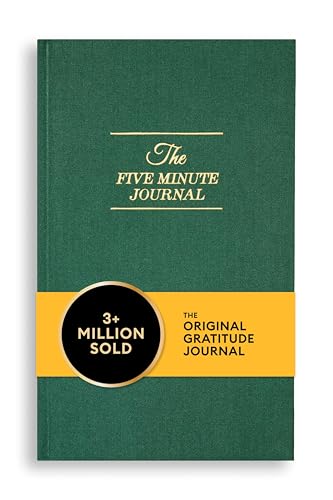
The prompt strips away the social performance layer from the goal selection. The goal pursued for Instagram, for the LinkedIn announcement, for the approval of family or friends is not the same goal as the one the deeper self would still want in complete privacy.
The prompt surfaces the difference. Write the answer honestly. The goals that survive the prompt are the ones worth the year’s attention.
2. What Is the Smallest Step That Scares You Slightly


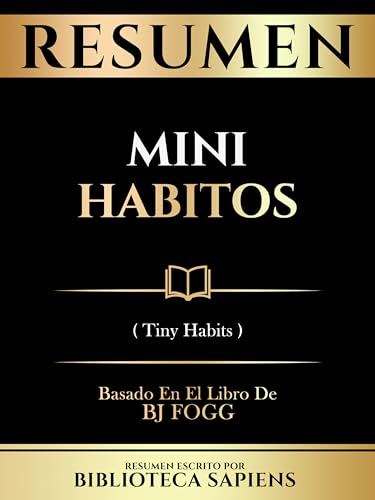
BJ Fogg’s Tiny Habits research and the broader behavior-design literature converges on the same principle: the smallest possible scary step is usually the right first action. Email the person you have been meaning to email.
Open the savings account you have been bookmarking. Run for 90 seconds before stopping. The prompt produces the action the larger goal would otherwise indefinitely defer.
3. What Value Do You Want This Week to Honor


The values-based reframe of the outcome-based goal. Instead of “save 10,000 dollars this year,” the value-level question becomes “this week, I want to honor the value of financial steadiness.” The weekly actions get oriented around the value: the automated transfer, the no-spend Tuesday, the conscious spending plan review. The values-based framing produces stronger weekly action than the distant outcome alone.
4. Write a Letter From Your Future Self

Date the letter December 31 of the current year. Write from the future-self perspective looking back at the year that just happened. What did the year produce. What did the future self learn.
What does the future self wish you had focused on more (and less). The exercise activates a different cognitive system than forward planning and consistently surfaces priorities the forward-planning approach missed.
5. What Pattern Have You Been Repeating That Is No Longer Serving You
The prompt forces the honest naming of the self-defeating pattern. The relationship pattern that keeps producing the same outcome. The work pattern that keeps producing the same burnout. The money pattern that keeps producing the same January panic.
The pattern named is the pattern that can begin to be changed. The pattern unnamed quietly runs the year underneath the conscious plan.
6. If Time and Money Were Not Constraints, What Would You Choose



The constraint-removal prompt. The honest answer often reveals the goal the practical constraints had been quietly suppressing. The book draft. The creative project. The career shift. The geographic move. The constraint-removal exercise does not produce the actual goal (the constraints remain real) but it surfaces the direction the year wants to move toward and the constraints worth working to release.
7. What Are You Tolerating That You Should Be Changing

The tolerations list. The small dissatisfactions that have become background noise but quietly drain the available energy for larger growth. The cluttered workspace. The friend who only takes. The job that is no longer feeding you.
The morning routine that stopped working two seasons ago. Naming the tolerations is the prerequisite to the small decisions that release the energy the year actually needs.
8. Who Do You Want to Be by December 31
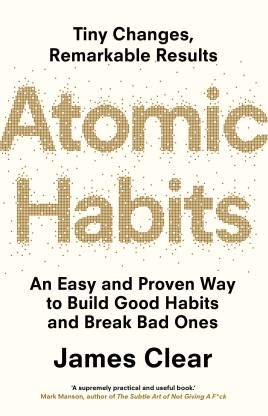
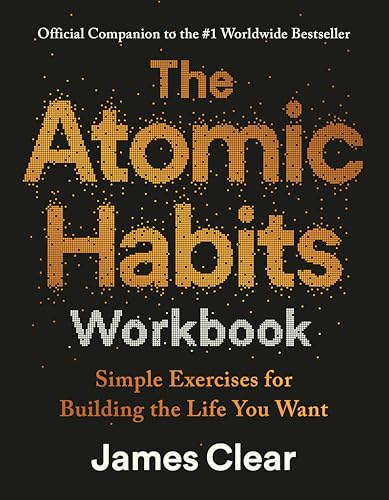
The identity-based framing James Clear makes central in Atomic Habits. Write the one-paragraph identity statement describing the person you want to be at year end. “The person who runs consistently, saves automatically, calls the parents weekly, and finished the draft.” The identity statement provides the frame every intermediate decision gets oriented around: does this serve the identity, or does it pull away from it.
9. What Would the Wisest Version of You Tell You Right Now


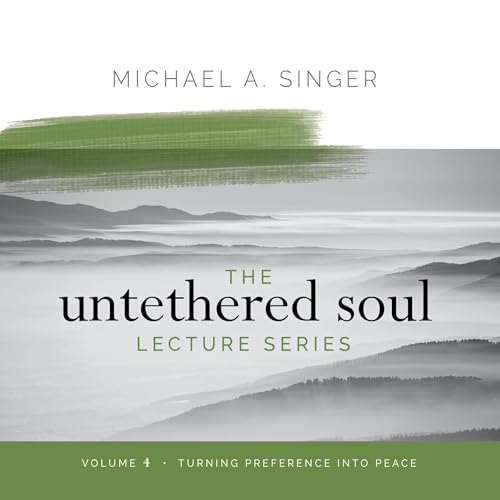
The wise-self prompt. The version of you that has seen the year already happen, knows what worked and what did not, and is offering counsel in advance. The wise-self answer often differs from the anxious-self answer that drives the typical goal-setting session, and the wise-self answer is usually the one worth following.
10. What Is the One Goal That, If Achieved, Would Make the Others Easier

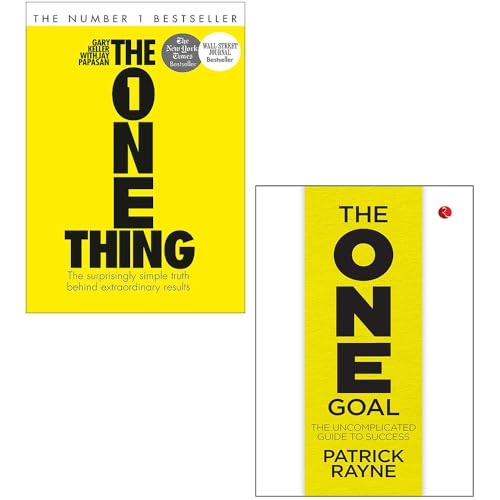
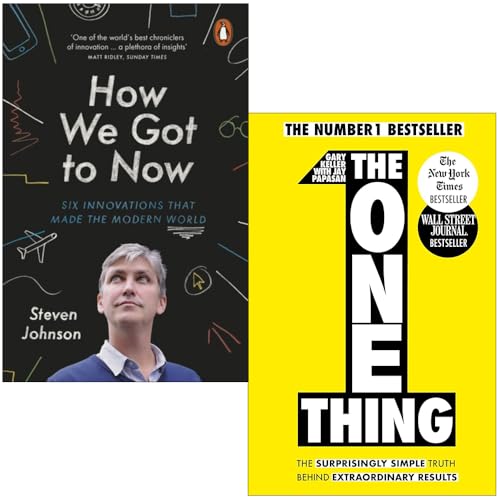
Gary Keller’s One Thing question applied directly to the journal prompt session. The answer surfaces the keystone goal underneath the goal list. The fitness goal that would produce the energy for the work goal. The boundary goal that would produce the time for the creative goal.
The savings goal that would produce the freedom for the geographic goal. The keystone goal is the one the year’s attention should concentrate on first.
Want the wellness planner that anchors the prompts, the future-self letter, and the weekly value check?
The Self-Care and Wellness Planner adds the prompt pages, the future-self letter template, the weekly value check, and the Sunday reflection prompts the journal practice needs to compound across the year into the clarity it was designed to produce. It lives here.
How Long Before the Prompts Start Producing Real Clarity
The first measurable shift arrives the same day. The right prompt sat with for 20 minutes produces an honest answer that has been quietly waiting underneath the surface for weeks or months. The future-self letter exercise consistently surfaces priorities the forward-planning approach missed.
The tolerations list produces the small actions that release the energy the larger goals required. Weeks one through two are the discomfort window where the deeper prompts feel uncomfortable and the pull back toward the surface goal lists is loudest.
The deeper compounding gains arrive between months three and 12. The values-based weekly framing has produced stronger weekly action than the outcome-only framing ever managed. The identity-based December 31 statement has become an accurate description rather than an aspirational claim. The keystone goal identified through the One Thing prompt has pulled the other goals along behind it.
The journal practice has produced the long-term pattern recognition that powers genuine self-knowledge, and the goal-setting session has shifted from the annual performative ritual to the ongoing reflective practice the year actually gets lived against.


Frequently Asked Questions
What journal prompts help with goal setting?
The prompts that genuinely help are the ones that shift the level of the question. “What would you commit to if no one ever knew about it?” “What is the smallest step that scares you slightly?” “What value do you want this week to honor?” The deeper question produces the deeper answer.
How do journal prompts get me unstuck?
Surface prompts produce the same borrowed goals year after year because the surface question only invites the surface answer. Deeper prompts move the question from outcome to value, from year-end to this week, from what should I want to what do I actually want. The deeper questions surface the honest answers the surface prompts kept burying.
What is a values-based goal?
A values-based goal orients around the value to be lived rather than the outcome to be achieved. Instead of “save 10,000 dollars,” the value-based version is “honor financial steadiness this week.” The reframe produces stronger weekly action because the value is something the current week can express, while the distant outcome is not.
How do I write a letter from my future self?
Date the letter December 31 of the current year. Write from the future-self perspective looking back at the year that just happened. What did the year produce. What did the future self learn. What does the future self wish you had focused on more or less. The exercise activates a different cognitive system than forward planning.
How many journal prompts should I do in one session?
Three to five carefully chosen prompts answered honestly for 15 to 20 minutes each beat 50 surface prompts skimmed without depth. Dr. James Pennebaker’s expressive writing research consistently finds the depth of engagement with a single prompt matters more than the breadth of prompts attempted.
How long until journal prompts produce real clarity?
The right prompt sat with for 20 minutes produces an honest answer the same day. The deeper compounding clarity arrives between months three and 12 as the values-based framing produces stronger weekly action and the identity-based statements become accurate descriptions rather than aspirational claims.
Key Takeaways
- Goal setting journal prompts get you unstuck when they shift the question from outcome to value, year-end to this week, what should I want to what do I actually want.
- Three to five carefully chosen prompts answered honestly beat 50 surface prompts skimmed without depth.
- The future-self letter consistently surfaces priorities the forward-planning approach misses.
- The smallest-step prompt produces the action the larger goal would otherwise indefinitely defer.
- The keystone goal (Gary Keller’s One Thing question) pulls the other goals along behind it.
- First clarity arrives the same day. Compounding gains between months three and 12 as values-based framing shifts daily action.
Final Thoughts
Goal setting journal prompts that actually get you unstuck are the ones that shift the level of the question. What would you commit to if no one ever knew. What is the smallest step that scares you slightly.
What value do you want this week to honor. Who do you want to be by December 31. What is the one goal that, if achieved, would make the others easier. Pick three to five prompts. Sit with each for 15 to 20 minutes.
Write the honest answer, not the rehearsed one. The deeper question produces the deeper answer, and the deeper answer is the one the year is actually waiting for you to write down.
Last update on 2026-08-15 / Affiliate links / Images from Amazon Product Advertising API