

Following through on goals when motivation fades works when systems replace willpower. Write if-then implementation intentions, reduce friction around the action, track visibly, and recognize self-endorsed goals outlast borrowed ones every single time.
Quick answer: Following through on your goals when motivation fades works when systems replace willpower: write if-then implementation intentions, reduce friction around the action, track progress visibly, use the two-day rule, and run a Sunday review.
Motivation is the wrong foundation for goal follow-through. The advice plastered across the productivity internet keeps promising the morning routine that will finally make motivation arrive on demand, and the research keeps quietly saying the same thing: motivation is a weather pattern, not a building material.
It comes and goes on its own schedule. Building a goal-pursuit system on top of it is the psychological equivalent of building a house on sand in a flood zone.
Peter Gollwitzer’s research on implementation intentions lays out a stronger foundation. Writing an if-then plan (“if it is 7am, then I will run for 20 minutes”) produces a 2-3x improvement in follow-through compared to goal intentions alone (“I want to run more”).
Studies on goal tracking from the American Psychological Association add a parallel finding: people who track progress visibly are 40% more likely to achieve goals than people who hold the goal mentally.
The follow-through that survives a Tuesday in February when motivation has evaporated is the follow-through built on if-then plans, reduced friction, visible tracking, and self-endorsed goals the person actually wanted.
The dramatic willpower approach almost never makes it past week three.
Recommended Goal Follow-Through Books at a Glance
Five canonical books behind the systems-over-motivation approach. The numbered tactics further down are the actual practice.


Recommended blogs to read:
- Smart Goal Setting That Actually Produces Results
- How to Create a Personal Improvement Plan That Sticks
- Goal Examples to Set for Every Season of Your Life
- Goal Planning Ideas for a More Focused Year
- How to Become More Productive Without Burning Out
- how to set goals and achieve them with the right plan
- self discipline tips to stop procrastinating
Why Motivation Is the Wrong Foundation for Follow-Through
The cleanest articulation of why motivation fails as a strategy comes from James Clear’s Atomic Habits. Goals work in the abstract; systems work in the daily execution. The goal of running a marathon does not put running shoes on at 6:45 on a rainy Tuesday morning. The system does.
The system is the set of structural decisions made when motivation was high (laying out the shoes the night before, sleeping in workout clothes, having the route already mapped) that eliminate the moment of choice when motivation is low. The moment of choice is where willpower dies.
BJ Fogg’s Tiny Habits research at Stanford reaches the same conclusion through behavior design. Lasting behavior change comes from making the desired action so small and so anchored to an existing routine that motivation becomes unnecessary. Two push-ups after brushing teeth. One sentence written after morning coffee.
The reduced size produces consistency, and consistency produces the actual progress that motivation was supposed to deliver. The dramatic high-motivation start that floods week one almost always produces the week-three crash; the small boring anchor produces the year-end completion.
The 10 Strategies to Follow Through When Motivation Fades
Ordered by long-term impact. Each strategy builds on the prior. Implementation intentions in step one are the keystone that makes the rest work.
1. Write If-Then Implementation Intentions


Gollwitzer’s research consistently finds that if-then plans double or triple follow-through rates. The structure is specific: “If it is Monday at 6:30am, then I will put on running shoes and go out the front door.” “If I finish dinner, then I will read 10 pages before turning on the TV.” The if-then structure pre-commits the brain to the action at the specific trigger, which removes the moment of choice willpower would otherwise have to fight through.
2. Reduce Friction Around the Action

Every additional step between you and the action lowers follow-through. Shoes by the front door. Workout clothes laid out the night before. The journal beside the bed. The water glass already filled. The reading book on the pillow.
Each removed step compounds. The friction reduction is the single largest under-appreciated lever in the goal follow-through literature, and the structural redesign of the environment beats the willpower battle every time.
3. Track Progress Visibly


The American Psychological Association’s research on goal achievement consistently finds visible tracking produces a 40% higher follow-through rate than mental tracking. A wall calendar with red X marks for each day completed. A bullet journal habit tracker grid.
A simple app with the daily streak count. The visible progress is the small dopamine reinforcement that keeps the system running on the days when the larger goal feels distant.
4. Choose Self-Endorsed Goals Over Borrowed Ones


Goals that came from someone else’s vision of who you should be have terrible follow-through rates because the deeper self never agreed to them. Self-endorsed goals (the ones you actually want, not the ones your parents, partner, or LinkedIn feed implied you should want) outlast borrowed goals by significant margins across multiple studies.
The honest question to ask before any goal: would I still want this if no one ever knew about it.
5. Plan for Motivation’s Inevitable Decline


Motivation fades roughly three weeks in. This is predictable and normal. The system should be designed around the prediction, not surprised by it. Charles Duhigg’s Power of Habit covers this as the cue-routine-reward loop that runs on autopilot once the habit is built; the first three weeks are the willpower-dependent installation period, and the weeks after are the autopilot period.
Design the first three weeks for the willpower budget you actually have.
6. Use the Two-Day Rule
James Clear’s two-day rule is the small recovery discipline that prevents one missed day from becoming the spiral. Never miss twice in a row. Missing once is being human. Missing twice in a row is the start of a new pattern.
The rule keeps the structure intact through the inevitable bad days without requiring the all-or-nothing perfectionism that almost always produces the all-of-nothing collapse.
7. Build the Sunday Review Into the System


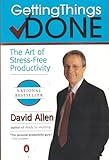
Sunday evening, 30 minutes, the goals reviewed, the coming week planned. What worked. What did not. What the system needs to adjust. The Sunday review is the strategic anchor David Allen identifies as the keystone of Getting Things Done. Skipping it is what lets the small drift accumulate into the major abandonment by April.
8. Pair the Goal with an Accountability Partner


One trusted person who knows the goal and gets the weekly check-in. The check-in does not need to be elaborate. A Sunday text with the week’s progress report is sufficient. Research on accountability consistently finds a single committed accountability partner produces a 65-95% improvement in goal completion versus solo pursuit.
The pairing is the highest-impact social lever in the follow-through system.
9. Celebrate Small Wins Out Loud
BJ Fogg’s research at Stanford on the role of emotion in habit formation finds that celebrating small wins (audibly, even briefly) reinforces the neural pathway the habit is building. “Yes” out loud after the morning walk.
The small fist pump after the daily writing block. The celebration feels silly the first few times and produces the consistent reinforcement the habit installation requires after the first few weeks.
10. Adjust the Plan Without Abandoning the Goal



The plan and the goal are separate things. The plan is the strategy for reaching the goal. The plan needs regular adjustment as life changes; the goal can hold steady. The strategic discipline is recognizing the difference.
When the plan stops working, adjust the plan. When the goal stops feeling like yours, ask why before abandoning it. Goal abandonment after a plan failure is the single most common error in the follow-through literature.
How Long Before the System Starts Producing Real Results
The first measurable shift arrives between weeks two and six. The if-then plans have produced the first automatic morning execution. The visible tracker has produced the first 14-day streak. The Sunday review has caught its first useful adjustment. The accountability partner has produced the first Tuesday-night text that kept the system intact through a bad week.
Weeks one through two are the discomfort window where the structure feels artificial and motivation still feels like the obvious driver.
The deeper compounding gains arrive between months three and 12. The autopilot period Charles Duhigg names in The Power of Habit has kicked in. The if-then plans run without conscious effort. The Sunday review has become the anchor that holds the entire week together.
The accountability partnership has weathered at least two motivation-fade episodes that would have ended a solo pursuit. The boring proven structure has produced the goal completion that the dramatic willpower attempts kept promising and never quite delivering.


Goal Follow-Through FAQs
Why do I lose motivation halfway through?
Motivation is a weather pattern, not a building material. It fades roughly three weeks in for predictable neurological reasons (the initial novelty wears off and the cue-routine-reward loop has not yet built the autopilot). The fix is designing the system to survive the fade, not trying to maintain the high-motivation state indefinitely.
What is an implementation intention?
An implementation intention is an if-then plan specifying exactly when, where, and how the goal action will happen. “If it is 6:30am, then I will run for 20 minutes from my front door.” Peter Gollwitzer’s research consistently finds if-then plans produce a 2-3x improvement in follow-through versus goal intentions alone.
How do I build discipline for goal follow-through?
Discipline is the willingness to take the action regardless of how motivation feels. The discipline builds through small repeated execution, not through dramatic statements of intent. Start smaller than feels reasonable. Track the streak visibly. Never miss twice in a row. Build the accountability partnership. The discipline is the downstream effect, not the upstream cause.
Why do my goals fail by February?
The February failure pattern is almost always the motivation-fades-and-system-was-not-built pattern. The January goals relied on willpower; the willpower depleted by week three; no system existed to take over; the goals quietly fell away. The fix is building the if-then plans, friction reduction, visible tracking, and accountability partnership during the high-motivation January window.
How does friction reduction help follow-through?
Every step between you and the goal action lowers follow-through. Shoes by the door. Clothes laid out. Journal beside the bed. Reading book on the pillow. Each removed step compounds across days and weeks. The structural redesign of the environment produces consistent execution the willpower-only approach almost never matches.
How long does it take to build a goal habit?
Research from University College London found the average habit takes 66 days to become automatic, with a range of 18 to 254 days depending on the complexity of the behavior. The first three weeks are willpower-dependent installation. Weeks four through twelve are the consolidation period. After that, the habit runs largely on autopilot.
Key Takeaways
- Following through on goals when motivation fades works when systems replace willpower as the foundation.
- If-then implementation intentions produce a 2-3x improvement in follow-through per Gollwitzer research.
- Visible progress tracking produces a 40% higher follow-through rate than mental tracking.
- Self-endorsed goals outlast borrowed goals by significant margins. Ask: would I still want this if no one ever knew about it.
- The two-day rule (never miss twice in a row) prevents one missed day from becoming the spiral.
- First measurable shifts between weeks two and six. Compounding gains between months three and twelve.
How Do You Follow Through on Goals When Motivation Fades?
Following through on goals when motivation fades is the work that separates the year that compounds from the year that quietly resets every January. Build the if-then plans during the high-motivation window. Reduce friction around the action. Track visibly. Choose self-endorsed goals. Pair with an accountability partner. Run the Sunday review.
Never miss twice in a row. The system does the work motivation was supposed to do, and the system holds through the Tuesday in February when motivation has evaporated entirely. The goal completion arrives in month nine, not month one. The structure is what carries it there.
A few bullet journal tracking pages make the visible progress part easy, and these time management hacks clear space for the action before motivation has a chance to argue.
Last update on 2026-10-07 / Affiliate links / Images from Amazon Product Advertising API