

Productive habits stick when they match your actual life rather than the influencer aesthetic. The 66-day average for habit automaticity, habit stacking onto existing routines, and the small-wins approach beat the dramatic 5am overhaul every time.
Quick answer: Becoming more productive comes from habits that fit your actual life: a consistent sleep schedule, habit stacking onto something you already do, defended deep work blocks, a top-three task plan each morning, and a weekly review.
The half-empty bullet journal from the January where you tried the 5am club for nine days before quitting is still in the drawer, and the recognition that the right routine for you might genuinely start at 7am with coffee rather than 5am with cold water has been forming slowly across the past three months.
Productivity is mostly a fit problem, not a willpower problem. The habits that stick are the ones that match your actual life, energy, and routines rather than the influencer aesthetic that demands you wake at 5am to journal in candlelight before your kids do.
The 21-day habit-formation myth has been replaced with the average-66-day finding from University College London research, with a range of 18 to 254 days depending on complexity.
The honest version of productive habit-building is patient, fit-based, and built on the boring proven moves (consistent sleep, daily movement, habit stacking, single-focus practice) rather than the dramatic overhaul.
Recommended Books at a Glance
Five of the strongest practical resources for the evidence-based productivity work. The numbered habits further down are the actual practice.

![Deep Work: Rules for Focused Success in a Distracted World [Paperback] [Jan 01, 2016] Newport, Cal](https://m.media-amazon.com/images/I/31O7mZRFFGL._SL160_.jpg)


Recommended blogs to read:
- Micro Habits That Add Up to Real Change
- How to Use Habit Stacking Without Overwhelming Yourself
- Habit Tracker Ideas That Make Consistency Feel Easier
- Monthly Challenge Ideas That Build Better Habits in 30 Days
- Daily Habits to Improve Your Life Without Overhauling Everything
- time management hacks that actually reclaim your day
- time management strategies for a more productive day
Why the 5am Club Productivity Myth Fails for Real People
The 5am-routine productivity culture sells a specific aesthetic: wake at 5am, drink lemon water, journal in candlelight, work out, meditate, read 20 pages, all before the sun is up. The aesthetic works for a narrow slice of users (genetic early chronotypes with flexible schedules and minimal caregiving responsibilities) and fails for everyone else.
The University College London research on habit formation is unambiguous that the habits that stick are the ones that match the user’s existing patterns rather than fighting against them. The productive habit at 7am with coffee that you actually run for 66 days dramatically outperforms the 5am routine that you abandon at day nine.
The honest framework comes from James Clear’s Atomic Habits work and BJ Fogg’s Tiny Habits research, both of which converge on the same observation: make the habit fit your life, stack the new habit onto an existing routine, start with the tiniest possible version.
The 5am-cold-plunge stack fails. The 7am-after-coffee small-walk habit succeeds. The difference is not discipline; it is fit.
The 10 Habits That Genuinely Build Long-Term Productivity
Ordered by impact. The first three deliver the bulk of the heavy lifting; the remaining seven layer in for the longer-term consistency the productivity baseline depends on.
1. Read Atomic Habits and Apply the Identity Framework


James Clear’s identity-based habit framework is the single most useful productivity foundation in the category. The right pick at $15 for the canonical work. The identity shift (from ‘I want to be productive’ to ‘I am someone who attempts small things daily’) is what carries the practice past the first month.
2. Maintain a Consistent Sleep Schedule


Same bedtime, same wake time, every day including weekends. The single highest-return productivity habit in the category because sleep regularity outperforms total sleep hours on mood, focus, and decision-making quality. Magnesium glycinate at 200 to 400 mg in the evening supports the wind-down.
3. Use Habit Stacking for Every New Habit


After I do X, I will do Y. Anchor every new habit to an existing routine moment. After morning coffee, the 10-minute walk. After lunch, the inbox review. After brushing teeth, the journal. BJ Fogg’s Tiny Habits framework at $18 covers the practical mechanics.
4. Do Deep Work in Defended Blocks

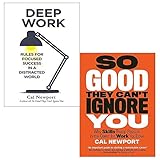
Cal Newport’s framework for protected deep-work time. The right pick at $20 for the structural argument that two hours of defended deep work produces more output than eight hours of fragmented attention. The deep work practice itself is what most modern productivity loss actually requires.
5. Accept the Four-Thousand-Weeks Reframe


Oliver Burkeman’s counter-productivity book that argues productivity culture is the disease, not the cure. The right pick at $17 for the mindset reset that frees you from the productivity-as-virtue trap and lets you choose what actually matters across the limited time a human life contains.
6. Read Covey’s Seven Habits


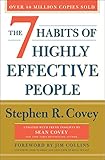
Stephen Covey’s framework that has held the canonical productivity-classic position for 35 years. The right pick at $19 for the timeless foundation that newer books often reference without crediting. Particularly useful for the quadrant-based time management framework.
7. Use a Habit Tracker That Survives Past Month Two


What gets tracked, gets done. The plain grid habit tracker outperforms the Pinterest-aesthetic version on long-term use. The right pick at $20 for the dedicated tracker journal that handles the daily input without requiring elaborate setup.
8. Practice 10 Minutes of Daily Mindfulness


Ten minutes of breathwork or meditation produces measurable cortisol reduction and supports focus throughout the day. The right pick if you have been running on chronic stress and the productivity decline is signaling burnout rather than laziness. Headspace and Calm both offer guided practices.
9. Plan the Top Three Tasks Each Morning
Three specific tasks, written down, in priority order, before the inbox opens. The boring planning move that produces dramatic output gains across consistent users. The morning planning habit anchors the rest of the day around what actually matters rather than what the inbox is loudest about.
10. Build the Weekly Review Into Sunday Evening
Twenty-minute Sunday-evening review covering what worked this week, what did not, and what the upcoming week most needs. The boring weekly anchor that carries the practice across months. Most consistent high-performers across professions name this practice as the single highest-return productivity habit.
How to Run the Fit-Based Approach Without Burning Out
Three rules that separate the productivity practice that actually compounds from the dramatic overhaul that always collapses by February.
- Pick one habit at a time. The four-habit January is the predictable failure. The single-focus habit anchored to an existing routine moment, held for 30 days, becomes a real practice. Add the second only after the first runs on autopilot.
- Match the habit to your existing energy patterns. Late chronotypes do better with afternoon deep work. Early chronotypes do better with morning deep work. The fight against your genetic chronotype is the fight that always loses across the long term.
- Track inputs, not outcomes. Did the habit happen today, yes or no. The outcomes (productivity gains, energy lifts, output volume) follow the inputs across week six to twelve. Tracking the outcome too early produces the discouragement that ends the practice.
When the Habit Tier Is Not the Answer
Chronic burnout, undiagnosed ADHD, depression, or anxiety patterns that interfere with daily functioning all warrant a therapist or doctor visit rather than another habit tracker. The productivity-habit tier supports a baseline that already responds to behavioral intervention; it does not replace clinical care when the underlying issue needs professional support.
If habit attempts repeatedly fail across years and the harsh internal voice that follows is loud, the pattern often signals an underlying issue (ADHD, trauma, chronic burnout, depression) that responds to therapy in ways the habit tier cannot replicate. A single therapy consultation often surfaces whether the work belongs at the behavioral tier or the clinical tier.
Productive Habits FAQs
What habits make you more productive?
Consistent sleep schedule, habit stacking onto existing routines, defended deep-work blocks, morning top-three-task planning, Sunday-evening weekly review, and 10 minutes of daily mindfulness. The boring proven five outperform the dramatic 5am overhaul every time.
Is the 5am club worth it?
Only for a narrow slice of users (genetic early chronotypes with flexible schedules and minimal caregiving). For everyone else, the habits that work at 7am after coffee dramatically outperform the 5am routine that gets abandoned at day nine.
How long until habits become automatic?
An average of 66 days per the University College London research, with a range of 18 to 254 days depending on complexity. The 21-day myth has been decisively debunked. Patience plus consistency is the actual formula.
Can you build productive habits in a week?
No. The week-long version is the productivity-myth marketing pitch. Real habit formation takes 60-plus days of consistent practice. The week-long challenge can start the process; it does not complete it.
What is the easiest productive habit to start?
Habit stacking the top-three-task planning onto your existing morning coffee routine. Two minutes, three specific tasks, before the inbox opens. The lowest-friction productive habit with the highest single-day return.
How do I stop quitting habits after a week?
Pick smaller habits. Anchor each to an existing routine moment. Build the recovery plan for the first missed day in advance. Track inputs, not outcomes. The four-rule framework addresses the main reasons habit attempts collapse in the first two weeks.
Key Takeaways
- Productive habits stick when they match your actual life, not the influencer 5am-club aesthetic. The 66-day average for habit automaticity is the honest timeline, not the 21-day myth.
- Atomic Habits by James Clear, Deep Work by Cal Newport, Tiny Habits by BJ Fogg, and Four Thousand Weeks by Oliver Burkeman anchor the canonical productivity reading.
- Consistent sleep schedule, habit stacking onto existing routines, defended deep-work blocks, and the morning top-three-task plan deliver the bulk of the practical productivity return.
- Pick one habit at a time. Match the habit to your existing energy patterns. Track inputs, not outcomes. The boring rules consistently outperform the dramatic January overhaul approach.
- Chronic burnout, undiagnosed ADHD, depression, and anxiety patterns warrant a therapist or doctor visit rather than another habit tracker. The behavioral tier supports a baseline; it does not replace clinical care.
Which Productive Habits Should You Build First?
Productivity gets clearer when you stop trying to become someone who wakes at 5am and start running the habits that actually fit your existing life. The consistent sleep schedule. The habit stacked onto the morning coffee. The two-hour defended deep-work block in the afternoon when your chronotype is actually sharp.
The top-three-task plan before the inbox opens. The Sunday-evening 20-minute review that anchors the next week. Read Atomic Habits, hold the single-focus practice for 66 days, and the compound shift across the next year is the kind of result the 5am overhaul never quite manages to deliver.
For the bigger picture behind these habits, my personal growth strategies for women pair well with this list, and if you’re starting from a slump, this guide to restarting when life feels stuck is the gentler first step.
Last update on 2026-10-08 / Affiliate links / Images from Amazon Product Advertising API