
Daily habits that improve your life are the boring proven small ones. Water before coffee, 10 minutes of natural morning light, a 20-minute afternoon walk, lights out at 10:30. James Clear’s 1 percent rule compounds these to roughly 37x across a year.
The 1pm energy slump that signals the morning habits got skipped, the cup of coffee that already happened before the water, the slow accumulation across the year of the small wins that no single day quite registered as a turning point.
The daily habits that genuinely improve your life are not the dramatic 5am-cold-plunge-meditation-stack the productivity influencers sell. They are the boring proven small ones, and the math behind them is unusually clean. James Clear’s 1 percent rule compounds a 1 percent daily improvement to roughly 37 times better across 365 days.
Conversely, a 1 percent daily decline compounds to roughly 0.03 across the same year. The Atomic Habits framework, BJ Fogg’s Tiny Habits research, and Charles Duhigg’s Power of Habit all converge on the same observation: tiny consistent actions compound into large cumulative shifts in a way the dramatic overhaul attempts never manage.
Want a weekly planner that holds the small daily habits across the months they take to compound?
The Self-Care Planner is the weekly companion that anchors the morning water habit, the daily walk, the evening wind-down ritual, and the small daily check-ins that turn six months of consistent tiny habits into the visible compound shift the dramatic overhaul attempts never quite delivered. It lives here.
Recommended Habit-Building Books and Tools at a Glance
Five practical books and tools that support the small consistent habits. The numbered listicle further down has the full lineup with the specific role each one plays in the protocol.



Recommended blogs to read:
- Micro Habits That Add Up to Real Change
- How to Use Habit Stacking Without Overwhelming Yourself
- How to Change Yourself for the Better in Real Life
- Self Care Tips That Actually Change How You Feel
- Self Care Essentials Worth Building Your Routine Around
Why the Tiny Habits Compound and the Dramatic Overhaul Does Not
The math behind James Clear’s 1 percent rule is deceptively simple. A 1 percent improvement per day compounds (1.01 raised to the 365th power) to roughly 37.78 times better across a year. A 1 percent decline per day compounds (0.99 raised to the 365th power) to roughly 0.03.
The asymmetry is the whole point. Tiny habits do not feel like progress in real time because the daily increment is genuinely tiny. What they produce is the cumulative compound across months that the dramatic overhaul approach burns out before reaching.
The Power of Habit research, the Tiny Habits Stanford studies, and the Atomic Habits 20-million-copy bestseller all reinforce the same observation: consistency over intensity, every time.
The Atomic Habits framework adds the practical layer that makes the math actually run. Habit stacking (‘after I do X, I will do Y’) links the new habit to an existing anchor, which carries the consistency.
Environment design (water bottle by the bed, running shoes by the door, phone in the kitchen at night) removes the friction that willpower would otherwise have to overcome.
Identity-based framing (‘I am someone who drinks water before coffee’) is what sustains the practice past the initial enthusiasm phase. The three together produce the daily habits that genuinely compound.
The 10 Daily Habits That Compound Into Real Life Improvement
Ordered by impact. The first three habits deliver the largest single shifts; the remaining seven layer in for the cumulative effect. Pick one to start; add the next only after the first runs on autopilot.
1. One Glass of Water Before the First Coffee

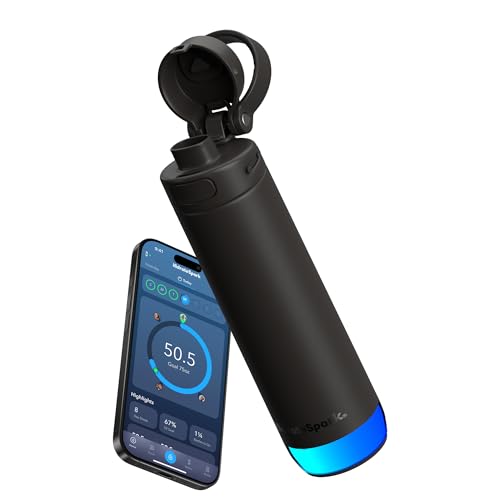
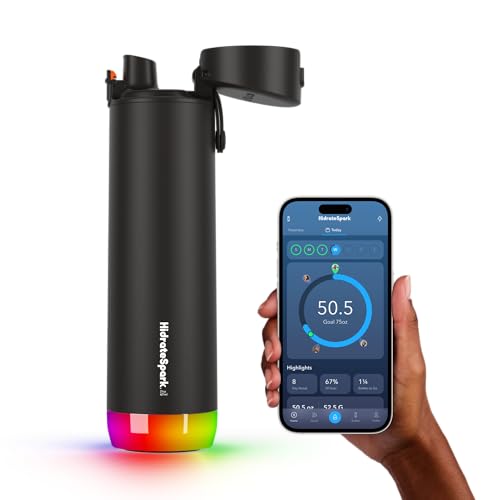
The boring hydration habit that produces the biggest single morning-energy shift. The eight-hour sleep deficit produces real dehydration, and a glass of water on waking supports the cortisol wake response and rehydrates the system. The HidrateSpark Pro is the tech-supported version; a regular glass on the bedside table works just as well.
2. Ten Minutes of Natural Morning Light
Outside walk, window seat with coffee, or sunrise alarm lamp. The morning-light step resets the circadian rhythm, suppresses remaining melatonin, and starts the cortisol wake response. The single highest-return habit for daytime energy and nighttime sleep onset combined.
3. A 20-Minute Afternoon Walk
Twenty minutes outside between 2pm and 4pm covers the energy slump that signals the morning routine has not carried through. The walk does not have to be fast or hard. The cumulative shift across three months of consistent afternoon walks is one of the strongest mood-and-energy predictors in the wellness research.
4. Atomic Habits Framework Applied to One New Habit
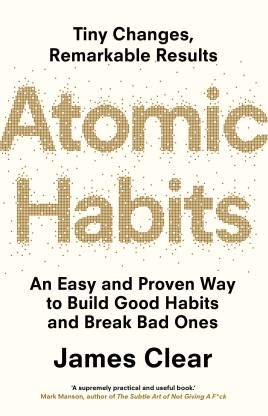
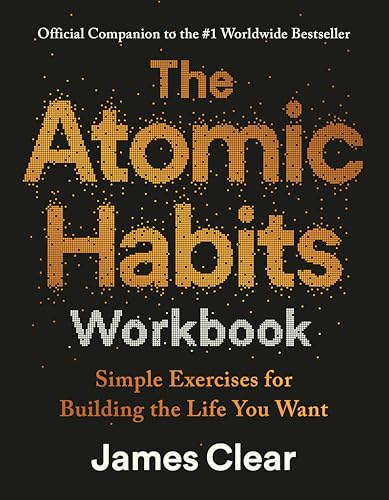

Pick one new habit, apply the four laws of behavior change (make it obvious, attractive, easy, satisfying), anchor it to an existing routine. The Atomic Habits book at $15 covers the framework in genuine detail. The single most useful personal-growth purchase in the category.
5. Five Minutes of Evening Journaling


Five minutes, three honest sentences. What happened today. How you felt. What you want tomorrow to look like. The Five-Minute Journal format at $30 covers the structured version; a regular notebook works just as well. The evening journal practice consistently outperforms longer journaling on completion rates across a year.
Want a year-long planner to track whether the small daily habits actually compounded into the visible shift?
The Self-Care and Wellness Planner is the year-long companion that holds the daily habit tracker, the weekly review, the seasonal check-ins, and the year-end review that shows you whether the 1 percent compound actually delivered the 37x shift the math predicted. It lives here.
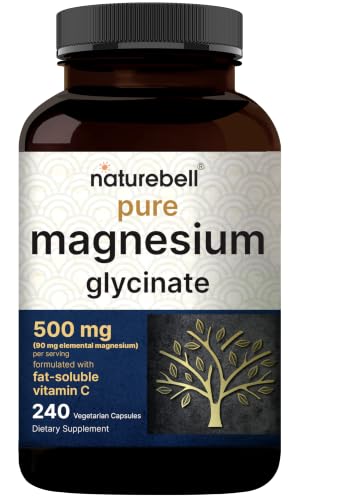
6. Magnesium Glycinate at Evening for Sleep


200 to 400 mg of magnesium glycinate one hour before bed supports sleep onset and muscle relaxation. The right pick at $15 to $25 for a 60-day bottle. The boring supplement habit that produces real measurable sleep-quality improvement without producing the side effects of magnesium citrate.
7. Habit Tracker Journal for the Input Tracking


A simple physical habit tracker where each habit gets a check mark for the days it happened. The right pick at $20 for the tactile tracking method that produces higher adherence than the digital alternatives across the first six months.
8. HidrateSpark Pro Smart Water Bottle
Smart water bottle that glows to remind hydration throughout the day. The right pick at $79 for users who have been struggling to hit the daily 64 ounces consistently. The bottle works only if you keep it on the desk where the glow can do its job.
9. Oura Ring Gen4 for Sleep and Recovery Tracking


Sleep, recovery, and readiness tracking in a discreet ring format. The right pick at $349 plus subscription for users who want the data layer to confirm the small daily habits are actually shifting the underlying physiology. The readiness score becomes the practical feedback loop that anchors the habit consistency.
10. Walking Pad for Indoor Movement Habit



Under-desk walking pad for users whose work schedule prevents the outdoor afternoon walk. The right pick at $199 to $499 depending on model. The walking pad earns its place when used 30 minutes daily during work calls or while reading.
How to Build the Daily Habits Without Burning Out
Three rules for actually compounding the small habits across the months it takes to produce the visible shift.
- Pick one habit, hold it for four weeks before adding the next. The maximalist version (start five habits this January) produces the predictable February burnout. The minimalist version (one habit at a time) produces the cumulative compound the math actually predicts.
- Anchor each new habit to an existing routine. After the morning alarm, the water. After brushing teeth, the journal. After the afternoon work call, the walk. The anchor carries the consistency that standalone willpower cannot.
- Track the input, not the outcome. Did the habit happen today, yes or no. The outcomes (energy shifts, mood improvement, sleep quality, body composition) follow the inputs across months three through six. Tracking the outcome too early produces the discouragement that ends the practice.
When the Daily Habits Tier Is Not the Answer
Persistent depression, generalized anxiety, chronic fatigue, and significant life-functioning impairment all warrant a therapist or doctor visit rather than another habit addition. The daily-habits tier is the maintenance and enhancement layer for an already-functioning baseline; it is not a substitute for clinical mental or physical health care when the underlying issue needs professional support.
If the small daily habits repeatedly fail to compound into the predicted shift, the issue often signals an underlying clinical driver (depression, hypothyroidism, low vitamin D, sleep apnea, anemia) that responds to medical evaluation in a way no habit-stacking framework can replicate. A baseline blood panel and a single therapy consultation often surface the actual driver.
Frequently Asked Questions
What daily habits change your life?
Water before coffee, 10 minutes of natural morning light, a 20-minute afternoon walk, lights out by 10:30, five minutes of evening journaling. The boring proven small ones outperform every dramatic 5am-cold-plunge stack the productivity influencers sell.
What are healthy daily habits?
Adequate hydration (64 to 80 ounces), seven plus hours of regular-schedule sleep, daily natural light exposure, 30 minutes of movement, three balanced meals, evening wind-down ritual. The list the dermatology and nutrition consensus has held constant for decades.
How do I build daily habits that stick?
Apply the Atomic Habits framework: make it obvious (environment design), attractive (link to something you already enjoy), easy (start with the tiniest possible version), satisfying (track the input). Anchor each new habit to an existing routine and hold for four weeks before adding the next.
What habits do successful women have?
Consistent sleep schedule, daily morning routine with light and water, daily movement (even if just a walk), evening wind-down ritual, regular weekly review and intention setting. The longitudinal research on high-performing women consistently surfaces these same boring proven anchors.
How long until daily habits show results?
Six weeks for visible shifts in energy and mood. Three to six months for visible shifts in body composition and skin quality. One year for the cumulative compound that becomes self-reinforcing. The 1 percent daily compound delivers the 37x shift across the full year specifically.
What is the easiest habit to start?
One glass of water before the first coffee, kept by the bedside the night before. The lowest-friction habit in the category, anchored to the existing morning routine, with immediate sensory feedback. Earns the highest compliance rates across users new to habit-building.
Key Takeaways
- The daily habits that improve your life are the boring proven small ones. Water before coffee, morning light, afternoon walk, lights out at 10:30, evening journal. Consistency over intensity, every time.
- James Clear’s 1 percent rule compounds tiny improvements to roughly 37 times better across a year. The asymmetry between 1 percent up and 1 percent down is what makes the small daily habits genuinely matter.
- Pick one habit, hold it for four weeks, anchor it to an existing routine. The maximalist version (start five habits in January) produces the predictable February burnout. The minimalist version produces the compound.
- Atomic Habits by James Clear, Tiny Habits by BJ Fogg, and The Power of Habit by Charles Duhigg anchor the habit-formation canon. The frameworks pair cleanly with the practical tools (habit tracker, smart water bottle, magnesium for sleep).
- Persistent depression, anxiety, chronic fatigue, and significant life-functioning impairment warrant a therapist or doctor visit rather than another habit addition. The daily habits tier is maintenance, not clinical care.
Final Thoughts
The daily-habits category gets clearer when you stop chasing the dramatic 5am-cold-plunge overhaul and start protecting the small boring proven ones. Water before coffee. Ten minutes of morning light. The 20-minute afternoon walk. Magnesium and lights out by 10:30. Five minutes of evening journaling. The 1 percent rule compounds these to a 37x shift across the year.
Pick one, anchor it to an existing routine, hold it for four weeks, then add the next. The cumulative compound across six months is the kind of shift the dramatic overhaul approach never quite manages to deliver.
Last update on 2026-08-15 / Affiliate links / Images from Amazon Product Advertising API