

Self-care essentials worth building a routine around are the small set of products and tools women still use a year later. Silk pillowcase, magnesium glycinate, a real journal, daily SPF, and a walking habit cover most of the actual return.
Quick answer: The best self-care essentials are the ones you still reach for a year later: a silk pillowcase, magnesium glycinate, EltaMD UV Clear SPF 46, a weighted blanket, and a simple journal notebook.
Six months into a real self-care practice, the bedside table tells you which essentials earned their place. The silk pillowcase, the magnesium bottle, the journal, the EltaMD tube, these are the boring proven tools that survived. The trend purchases have quietly moved into a drawer.
The honest pattern is that the essentials still on the counter six months later are infrastructure for a habit you already wanted to keep. The silk pillowcase exists for the morning hair and skin you were already trying to protect. The magnesium bottle exists for the sleep you were already trying to fix.
The journal exists for the evening five minutes you were already trying to carve out. Trend products that arrive demanding a brand-new habit almost never survive the third month, because the habit they require was never quite real in the first place.
Recommended Self-Care Essentials at a Glance
Five of the strongest year-one essentials women keep using. The numbered listicle further down has the full lineup with the specific habit each essential supports.


Recommended blogs to read:
- Self Care Tips That Actually Change How You Feel
- Self Care Sunday Ideas to Reset and Recharge
- Beauty and Wellness Investments Women Actually Keep Using
- High End Wellness Devices Women Use at Home Every Week
- An Energy Reset for the Seasons When You Cannot Find the Bottom
Why a Year-Long Track Record Is the Honest Test
Self-care essentials that earn their place share a specific pattern. They show up in the routine the week after purchase, they stay in the routine at month three when the initial enthusiasm fades, and they are still being used at month twelve when the next trend product launches.
The Sephora wellness aisle is full of products that pass the first test (week-of-purchase use) and fail the second and third. The year-long track record is the honest filter that cuts the category down to the small set of essentials worth building a routine around.
The pattern across the year-one survivors is that they tend to support habits women already wanted to keep. A silk pillowcase supports the morning-skin-and-hair routine. Magnesium glycinate supports the bedtime wind-down. A daily SPF supports the morning skincare habit. A weighted blanket supports the sleep-quality work.
Each essential is infrastructure for an existing intention rather than a standalone trend purchase. The products that fail the year-long test are usually the ones that required a new habit to make them useful.
The 10 Self-Care Essentials Worth Building a Routine Around
Ordered by impact. Each essential names the habit it supports and the honest reason it earns long-term use.
1. Silk Pillowcase


100 percent mulberry silk pillowcase at $40 to $80. The highest-return self-care essential under $100 in the category. The silk reduces friction-based hair breakage and the morning sleep-line problem, plus it stays cooler than cotton against the skin. The boring proven tool that quietly outperforms most $200 serums for combined hair and skin benefit.
2. Magnesium Glycinate Supplement


200 to 400 mg of magnesium glycinate at $15 to $25 per bottle (60-day supply). The right pick for the evening wind-down ritual that supports sleep onset and muscle relaxation. Magnesium glycinate is the bioavailable form that produces the benefit without the digestive issues of magnesium citrate.
3. EltaMD UV Clear SPF 46


SPF 46 with 5 percent niacinamide for the daily morning SPF habit. The right pick at $43 for the single highest-return self-care investment available at any age. The dermatologist-favorite formulation that doubles as a niacinamide layer.
4. Weighted Blanket
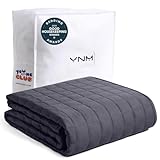

15 to 20 pound weighted blanket for the sleep-and-anxiety support layer. The right pick at $50 to $100 for the deep-pressure-stimulation tool that supports the parasympathetic nervous system. Earns its place across years one through five of daily use.
5. Journal Notebook


A simple lined notebook (Moleskine, Leuchtturm1917, or a drugstore alternative at $5 to $25). The right pick for the daily five-minute evening journal that consistently outperforms longer journaling practices on completion rates across a year.
6. AG1 or a Daily Greens Powder

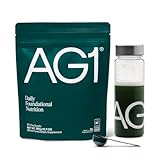
Daily greens powder for the nutritional baseline support. The right pick at $99 for AG1 or $30 to $50 for alternatives if you have been inconsistent with vegetables and want a single-product daily nutrition anchor.
The honest catch is that real food still outperforms the powder; the powder is the safety-net layer for the days when real food does not happen.
7. Hatch Restore 2 Sunrise Alarm


Smart sunrise alarm and wind-down sleep light at $199. The right pick if morning energy has been a consistent struggle and the phone-alarm routine has been making it worse. The wellness-tech pick that quietly delivers the highest behavior-change return for the lowest entry price in the smart-bedroom category.
8. Theragun Mini


Portable percussion massager for tension release at $199. The right pick if you sit at a desk and the shoulder-neck pattern is constant. The Therabody Mini is the portable form factor that produces the consistent daily use across three-plus years of ownership.
9. Essential Oil Diffuser


Ultrasonic essential oil diffuser at $20 to $50 plus a small set of essential oils (lavender, bergamot, eucalyptus). The right pick for the evening wind-down atmosphere that supports the sleep ritual. The boring proven tool that has held its category for over a decade.
10. Aquaphor Healing Ointment
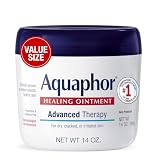
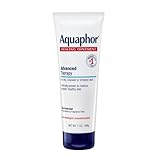

Multi-use petrolatum-based ointment for lips, cuticles, dry patches, and skincare slugging. The right pick at $14 for the single most dermatologist-recommended product in the category. The boring proven tool that quietly does five jobs across the year.
How to Build the Routine Around the Essentials
Three rules for turning the cabinet inventory into the actual routine that delivers the return.
- Keep the morning essentials visible on the bathroom counter (SPF, water bottle, magnesium for the evening wind-down view). The friction of opening a cabinet kills consistency. Visible products get used.
- Anchor each essential to an existing routine moment. SPF after morning moisturizer. Magnesium after dinner cleanup. Journal after brushing teeth. Theragun during evening TV time. The anchor carries the consistency.
- Track which essentials actually got used at the month-three mark. Replace the ones that did not stay in rotation with something else, or remove them entirely. The cabinet should hold what works, not what aspired to work.
When the Essentials Are Not the Answer
Persistent depression, generalized anxiety, severe insomnia, chronic pain, and significant life-functioning impairment all warrant a therapist or doctor visit rather than another essential addition. The self-care essentials tier is the support layer for an already-functioning baseline; it is not a substitute for clinical care when the underlying issue needs professional support.
For pregnancy and breastfeeding, magnesium glycinate at 200 to 400 mg is generally safe per ACOG but should be discussed with the prescribing OB. AG1 and similar greens powders should be reviewed for pregnancy-appropriate formulations. SPF and the rest of the essentials are safe at typical use.
Self-Care Essentials FAQs
What self-care products do women actually use?
The year-one survivors are silk pillowcase, magnesium glycinate, daily SPF, weighted blanket, journal notebook, and a movement anchor. The trend products that pass week-of-purchase use almost never pass the year-long test.
What are the most popular wellness products?
Oura Ring for sleep tracking, Hatch Restore for morning alarms, AG1 for daily greens, magnesium glycinate for sleep, weighted blankets for anxiety support, and silk pillowcases for hair-and-skin support are the consistent year-one editor and user favorites in the wellness category.
What are essential self care items?
A daily SPF, a magnesium supplement for evening, a silk pillowcase for sleep, a journal for evening reflection, and a walking anchor habit cover the foundational essentials that genuinely support a year-long self-care practice.
What self care gifts last?
Silk pillowcase, weighted blanket, journal notebook, essential oil diffuser, and a Theragun Mini all deliver year-one to year-three usage with high satisfaction across reviewer cohorts. Avoid single-use trend products that look luxurious but fail the long-term-use filter.
How much should I spend on self-care essentials?
The foundational essentials run roughly $300 to $500 total across the year (silk pillowcase, magnesium, SPF, journal, weighted blanket). Premium additions (Hatch Restore, Theragun, Oura Ring) add another $600 to $900 if the habit fit justifies them.
What is the most underrated self-care essential?
The silk pillowcase at $40 to $80 quietly produces more visible morning hair-and-skin benefit than almost any product at five times the price. The boring proven tool that nobody talks about on TikTok and everyone keeps using a year later.
Key Takeaways
- Self-care essentials worth building a routine around are the small set of products and tools women still use a year later. Silk pillowcase, magnesium, journal, daily SPF, and a walking anchor cover the foundation.
- The year-long track record is the honest filter. The Sephora aisle is full of products that pass the week-of-purchase test and fail the month-three and year-one tests.
- The essentials that earn their place support an existing habit you already wanted to keep. Standalone trend products that require a new habit to be useful almost never survive the year-long test.
- Keep the essentials visible on the counter. Anchor each to an existing routine moment. Track which actually got used at the month-three mark and remove the ones that did not.
- Persistent depression, generalized anxiety, severe insomnia, and chronic pain warrant a therapist or doctor visit rather than another essential addition.
Which Self-Care Essentials Earn a Spot in Your Routine?
The self-care essentials category gets clearer when you stop shopping for the launch and start asking which products you would still use at the year-one mark. The silk pillowcase, the magnesium glycinate bottle, the EltaMD tube, the weighted blanket, the journal. The boring proven tools that quietly support the routine without competing for attention.
Pick the three or four that match the habits you already want to keep, anchor each to an existing routine moment, and the essentials that earn their place are the ones still in rotation the next time the wellness aisle launches a new trend product.
To turn these tools into an actual routine, start with my simple self-care plan, and keep the period self-care guide close for the weeks when the weighted blanket and a slow evening matter most.
Last update on 2026-10-08 / Affiliate links / Images from Amazon Product Advertising API