
The four research-backed stress relief rituals that work in real time are 4-7-8 breathwork (the natural tranquilizer), cold water on the wrists or face, a ten-minute walk for endorphins, and a written brain-dump that drops cognitive arousal by about 30%.
Three PM on a Thursday. The deadline moved. The jaw is tight. Breath is shallow without registering as shallow. Shoulders have crept up to ear level over the last forty minutes. Something somewhere has gone slightly wrong and the body has been preparing to deal with it since lunch.
Acute stress is physiological before it is psychological. The body responds in seconds; the brain catches up several minutes later. Which is why trying to think your way out of stress almost always fails and why the rituals that work fastest are the ones that act on the body directly. Breath. Cold water. Movement. Paper.
The four rituals that follow each shift the nervous system in measurable ways within ninety seconds to ten minutes. None of them requires a meditation app, a yoga mat, or a quiet room. All of them can be deployed mid-Thursday, mid-meeting, mid-sentence, in real time, when the stress is happening rather than after it has already shaped the rest of the day.
Ready to build a stress-response toolkit you can actually use mid-day?
The Self-Care & Wellness Planner holds the broader framework that makes these rituals more than emergency moves. It lives here.
Recommended Products for Stress Relief Rituals
A handful of small items quietly make the stress rituals more usable. The five below are the ones most consistently mentioned in stress-management literature.




Recommended reads:
- A 5 Minute Mindset Routine to Rewire Your Thoughts
- A Mindful Morning Routine for a Calmer Start to the Day
- Moonlight Journaling Ideas for a Quieter Mind at Night
- Bedtime Rituals for Deeper Sleep and a Softer Night
- Simple Self Care Habits for a Calmer More Grounded Year
The Physiology of Acute Stress
What’s Happening in the Body
An acute stress response triggers a cortisol and adrenaline release that lifts heart rate, contracts blood vessels, tightens muscle groups (especially jaw, neck, shoulders), and shifts breathing into the upper chest. The shift happens in seconds. The body is preparing to run or fight. None of it is wrong; the system is doing exactly what it evolved to do.
Why the Body Goes First in the Recovery
The fastest path back to calm is through the body, not the brain. Vagus nerve activation (achievable through breath, cold, and movement) signals to the entire nervous system that the threat has passed, which drops the cortisol level within ninety seconds to three minutes. Talking yourself out of stress takes much longer and works much less reliably.
The 90-Second Breathwork Reset (4-7-8)
The Method
Inhale through the nose for four counts. Hold the breath for seven. Exhale slowly through the mouth for eight. Four full cycles, about ninety seconds total. The long exhale (twice as long as the inhale) activates the parasympathetic nervous system reliably across most adults.
Why It Works
Dr. Andrew Weil, who popularized the 4-7-8 method, calls it a ‘natural tranquilizer.’ The mechanism is consistent across the breathwork literature: longer exhales than inhales trigger vagus nerve activation, which slows heart rate and reduces cortisol. The effect is measurable on heart-rate variability monitors within sixty seconds. For the morning version of the same idea, the morning routine ideas menu covers breathwork as a daily practice.
Cold Water on the Wrists (The Dive Response)
The Quickest Reset Available
Cold water on the inside of the wrists, the side of the neck, or the face triggers the mammalian dive response: an automatic physiological cascade that slows heart rate and shifts the body into rest mode. Thirty seconds is enough. The water should be cold enough to register as cold but not painful (around 50-60°F is the research sweet spot).
When to Use It
The dive response is the fastest available stress intervention. It works during anxiety spikes, panic moments, post-argument adrenaline, and the 3 PM cortisol drop. A bathroom sink for thirty seconds is all the setup required. Most people feel a measurable shift before drying their hands.
The 10-Minute Walking Practice
Why Movement Works
Aerobic movement, even gentle, triggers endorphin release and reduces circulating cortisol within ten to fifteen minutes. A ten-minute walk produces about 60-70% of the stress-reduction effect of a thirty-minute walk, which makes it the highest-return ratio in stress-relief movement.
Outside Beats Inside
Outdoor walks outperform indoor walks for stress relief by a meaningful margin. Natural light, peripheral vision moving across non-screen surfaces, and the rhythm of walking outdoors all contribute. A ten-minute outdoor loop around the block in the middle of a difficult day produces measurable shifts in mood by the time you return to the desk. The evening routine ideas menu includes longer walking practices for the wind-down.
The Written Brain-Dump
The Cognitive Arousal Drop
Writing down what’s bothering you, on paper, for ten minutes, reliably drops cognitive arousal by about 30% according to expressive-writing research. The brain stops actively holding the worry once the paper has it. The pen-and-paper format outperforms typing because the slower pace forces more processing.
How to Brain-Dump Effectively
Set a timer for ten minutes. Write whatever the brain is loudest about, in any order, without editing. The point is not to solve anything; the point is to transfer the weight from the mind to the page. After the timer ends, close the notebook. The relief is usually felt within the hour. The moonlight journaling guide covers the night-time version of this practice.
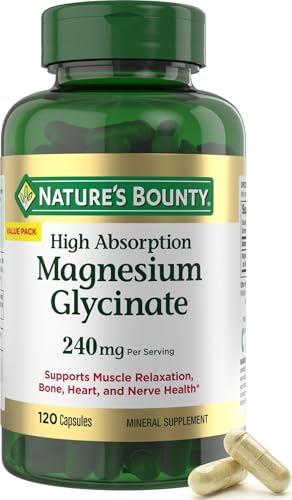
The Magnesium Conversation (Honestly)
When It Helps
Magnesium glycinate, taken in the evening, has modest but real evidence behind it for reducing baseline stress and improving sleep quality. Roughly 50-60% of people respond to it. The effect builds over two to three weeks. It is not a same-day stress reliever, but it lowers the floor.
When It Doesn’t
Magnesium will not save a panic attack. It will not undo a stressful workday. The supplement industry overpromises on this molecule, but the honest version is that it modestly supports the system rather than fixing anything acute. For acute stress, use the four body-based rituals above instead. For deeper sleep-related stress, the improve your sleep guide covers the broader picture.
Building a Stress Toolkit
The Daily Practice
One short ritual built into the daily routine (a morning breathwork practice, an afternoon walk, an evening brain-dump) lowers baseline stress more than any acute intervention does. The acute rituals work when stress arrives; the daily practice raises the threshold at which stress arrives in the first place.
The Acute Toolkit
Memorize the four-ritual list (4-7-8 breath, cold water, ten-minute walk, written brain-dump) and pick the right one for the moment. Cold water for adrenaline spikes. Breath for racing thoughts. Walking for built-up tension. Brain-dump for sustained worry. The cozy night routine is the broader evening practice that runs alongside, and the weekly self-care schedule is where these rituals fit across the week.
Want a soft planner to hold the practice across weeks?
The Self-Care Planner is the lighter weekly companion built for the kind of practice that compounds across months. It is here.
Frequently Asked Questions
What’s the fastest way to calm down when stressed?
Cold water on the wrists, the face, or the back of the neck triggers the mammalian dive response and slows the heart rate within thirty seconds. It’s the fastest physiological intervention available without medication.
Does 4-7-8 breathing actually work?
Yes, measurably. The 4-7-8 method activates the parasympathetic nervous system through the elongated exhale, which slows heart rate and reduces cortisol. Studies on heart-rate variability show effects within sixty to ninety seconds.
Is cold water on the face safe to do?
Yes, for most adults. Cold water around 50-60°F is the research sweet spot. People with cardiovascular conditions should check with a doctor before deliberately triggering the dive response, since it does temporarily shift heart rate.
How long does the breathwork effect last?
The acute calming effect lasts about thirty minutes to two hours, depending on the underlying stress level. Done daily, breathwork lowers baseline stress over three to four weeks of consistent practice.
Should I take magnesium for stress?
Magnesium glycinate has modest evidence for reducing baseline stress and improving sleep. About half of people respond. It is not a same-day intervention; the effect builds over two to three weeks. Useful as a foundation, not as an emergency tool.
What if breathwork makes my anxiety worse?
Some people with panic disorders find that focusing on breath actually triggers panic. If that’s the case, the walking practice or cold water rituals work better as the primary tools. Not every ritual works for every body.
Key Takeaways
- Acute stress is physiological before it is psychological; the fastest path back to calm is through the body, not the brain.
- Cold water on the wrists or face triggers the mammalian dive response and slows heart rate within thirty seconds.
- 4-7-8 breathwork acts as a natural tranquilizer because the long exhale activates the parasympathetic nervous system.
- A ten-minute outdoor walk produces about 60-70% of the stress-reduction benefit of a thirty-minute walk.
- A written brain-dump drops cognitive arousal by about 30% within ten minutes of writing.
Final Thoughts on Stress Relief Rituals
Stress relief that works in real time runs on the body rather than the brain. Breath that activates the vagus nerve. Cold water that triggers the dive response. Movement that releases endorphins. Paper that transfers cognitive weight away from the mind. Four rituals, all free, all deployable mid-Thursday. The brain catches up after the body has already started the shift. Done daily, the same rituals build a higher threshold for the stress that arrives in the first place.
Last update on 2026-08-15 / Affiliate links / Images from Amazon Product Advertising API