

Micro break rituals are 2 to 5 minute resets between meetings or focused work blocks designed to keep founder energy from collapsing by 3 PM. The Hustle’s 2024 survey of 300+ entrepreneurs found 63% have dealt with burnout.
The fix is not more discipline; it is short, contrast-based breaks (movement after thinking, quiet after talking) every 60 to 90 minutes throughout the workday.
Quick answer: Micro break rituals for entrepreneurs are two to five minute resets between meetings or focus blocks, like the kettle reset, ten air squats, a cold water splash, 4-7-8 breathing, or a 90-second step outside.
The Hustle ran a 2024 survey of more than 300 entrepreneurs and the number that came back was honest: 63% had dealt with burnout. Fifty-nine percent had wrestled with anxiety. Forty-seven percent with depression. If you are running your own thing and quietly feeling fried by Wednesday, you are very much not alone.
Micro break rituals are the simplest fix, two to five minutes between meetings, designed to keep your nervous system out of the always-on register. Stanford research found productivity drops sharply past 55 hours a week. Here are eight that actually work for founders.
Recommended Tools for Micro Break Rituals
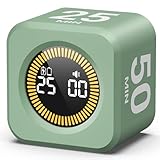
A few small physical anchors make the micro break habit so much easier to keep. Here are five things founders who actually take their breaks tend to have within arm’s reach.


Recommended reads:
- A Creative Reset for Feeling Centered Between Tasks
- How to Balance Hustle and Healing Without Burning Out
- The Workday Shutdown Ritual That Helps You Stop Scrolling
- How to Reset Your Nervous System and Feel Calm Again
- Stress Relief Rituals That Actually Lower the Cortisol
Why Founder Burnout Hits So Hard
The Always-On Trap
When you own the thing, there is no clock-out moment. Slack notifications at 9 PM feel like duty. Email at 11 PM feels like care. Sunday afternoons get absorbed into ‘just one quick thing.’ The Hustle’s 2024 data did not surprise anyone running their own company, 63% burnt out is just the number that matches the felt experience.
Why Discipline Is the Wrong Tool
Most founder burnout content tells you to wake up earlier or work harder. The Stanford research points the other way. Productivity drops sharply past 55 hours a week, meaning the extra 20 hours past that line are essentially free work you are doing badly. Micro break rituals do not require more discipline.
They require a small structural change: every 60 to 90 minutes, you take a 2 to 5 minute reset, no matter what you were in the middle of. The new year productivity tips covers the broader Cal Newport slow productivity framework these micro breaks fit inside.
The Contrast Principle (Pick the Right Kind of Break)
Cognitive Work Needs Physical Breaks
If your last block was thinking, writing, designing, strategy, deep client calls, your break should move your body. Walk to the kettle. Stretch your shoulders. Do ten air squats. The contrast is the medicine. Sitting in the same chair scrolling Instagram is not a break, it is a context switch that doubles your cognitive load.
Physical or Social Work Needs Quiet Breaks
If your last block was talking, meetings, calls, sales, client management, your break should be quiet. Sit somewhere alone for two minutes. Close your eyes. Sip something warm. The principle is the same; the direction of contrast is the opposite. Talking-then-talking-then-talking is what fries the social battery faster than anything else in a founder week.
Which 8 Micro Break Rituals Actually Work?
The 2-Minute Window Look
Stand up. Walk to a window. Look at something at least 20 feet away for 30 seconds. Notice three things you can see (a tree, a building edge, the sky). Resets eye strain, breaks the screen lock, and the small physical change of location signals ‘I have actually paused’ to your brain. Two minutes flat.
The Kettle Reset
Walk to the kitchen. Boil the kettle. Make a fresh tea or coffee. Do not look at your phone while it boils. The whole ritual takes about four minutes and creates a complete physical and sensory break, water sound, warmth, the smell of whatever you are brewing. The kettle is the founder’s friend.
The 10 Air Squats
Ten body-weight squats. Or ten push-ups. Or thirty seconds of jumping jacks. Whatever moves blood without requiring you to change clothes. Movement after an hour of sitting does more for your afternoon energy than any caffeine boost will.
The Cold Water Splash
Cold water on your face and the back of your neck for thirty seconds. Triggers the mammalian diving reflex, heart rate drops, parasympathetic kicks in. This is one of the fastest physiological resets you can do with no equipment.
Useful when you have been in back-to-back calls and your nervous system is still revved. The cozy night routine covers the evening-side version of the same principle.
The 4-7-8 Breath
Four seconds in through the nose. Seven seconds hold. Eight seconds out through the mouth. Three cycles. About a minute total. The long exhale tells your vagus nerve you are safe, which dials down the sympathetic activation that builds across a back-to-back morning.
The 90-Second Step Outside
Outside the building. Even just standing on the doorstep. Even in winter coat over your laptop sweater. The combination of natural light, fresh air, and removed-from-screens reliably resets the cognitive register. Ninety seconds is enough.
The One-Line Brain Dump
Open a notebook or notes app. Write one sentence about what is loudest in your head right now. Not analysis. Just the sentence. The act of naming what is cycling lets your brain release it from working memory. Then close the notebook and start the next thing. The emotional reset toolkit covers the longer version for the harder moments.
The 90-Second Anger or Frustration Sit
If something has just made you angry or anxious (the email you did not want to read, the client who keeps moving the deadline), set a 90-second timer and just feel it without acting. Neuroscience research suggests the actual chemistry of an emotion lasts about 90 seconds. Sit with it, breathe, and respond from a quieter place.
How Often to Take Them
The 52/17 Ratio
DeskTime’s data, often cited in productivity research, found the most productive employees followed roughly a 52-minute work, 17-minute rest cycle. Most founders do nothing like this. Most founders do 6 hours straight, then wonder why their afternoon energy is gone.
The 52/17 frame is a useful ballpark even if you flex it to 45/10 or 60/15 depending on the day. The resilience rituals covers the broader four-pillar framework that the micro breaks support.
The Calendar Rule
Block the breaks on your calendar. Twenty-minute buffer between back-to-back meetings (the meeting is 40 minutes, the calendar block is 60). Lunch is on the calendar as a meeting with yourself. End-of-day shutdown ritual is on the calendar at 6 PM.
If it is not on the calendar, it is not actually protected. Founders are very good at honouring what is on the calendar and very bad at honouring what is not.
What NOT to Do as a Micro Break
Social Media Is Not a Break
Feels like one. Is not one. Different content stream, different decisions, often a low-grade emotional charge from whatever is on the feed today. The cognitive load goes UP, not down. You feel worse after five minutes of scrolling than you did before, that is the data made personal. Real breaks release cognitive load. Scrolling adds to it.
Checking Work Email Is Worse
Checking email between meetings as a ‘palate cleanser’ is one of the most common founder mistakes. Email triggers the Zeigarnik Effect, your brain now has three new unfinished tasks to keep cycling for the rest of the afternoon. The cleaner move is to leave email closed entirely between scheduled email blocks.
Building the Habit (Week-by-Week)
Week 1: Just the Kettle Reset
Pick one ritual from the eight above and just do that for the first week. The kettle reset works for most founders because it is hard to forget, the thirst hits, you stand up, the habit installs around an existing need. By day seven you have started to expect the small mid-morning pause.
Week 2: Add the Calendar Buffer
Add the 20-minute buffer between meetings. Watch how often you reflexively fill the buffer with email or Slack. The first week will feel awkward. By week two the buffer starts to feel like the breathing room your day was missing. The mindful morning routine covers the wider morning architecture the breaks fit inside.
Week 3: Pick Your 3 Daily Breaks
By week three, pick three specific times of day for non-negotiable breaks. Mid-morning kettle. Post-lunch walk. Mid-afternoon stretch. The same three times every weekday. The structure carries the practice once motivation drops.
Micro Break Ritual FAQs
What are micro break rituals for entrepreneurs?
Micro break rituals are 2 to 5 minute resets between meetings or deep-work blocks designed to keep founder energy from collapsing by mid-afternoon. The Hustle’s 2024 survey of 300+ entrepreneurs found 63% have dealt with burnout. Short structural breaks every 60 to 90 minutes are the most evidence-backed intervention available.
How often should I take a micro break?
Every 60 to 90 minutes during a working day. DeskTime’s data on the most productive employees pointed to roughly a 52-minute work, 17-minute rest cycle. You can flex that to 45/10 or 60/15 depending on your work pattern, but the frequency matters more than the exact ratio.
What is the contrast principle?
The most effective break activity is one that contrasts with your last work block. If you were doing cognitive work (writing, strategy, deep client calls), the break should move your body. If you were doing talking work (meetings, calls, sales), the break should be quiet and alone. Doubling the same kind of activity is not a real break.
How long should a micro break be?
2 to 5 minutes is the sweet spot. Long enough for your brain to actually release the previous task, short enough that you do not lose work momentum. PLOS ONE’s 2022 microbreak meta-analysis (22 studies, 2,300+ participants) found breaks of 10 minutes or less reduce fatigue and increase vigor.
Why is social media not a real break?
Because it increases cognitive load instead of releasing it. Different content stream, different decisions, often a low-grade emotional charge from the feed. You feel worse after 5 minutes of scrolling than before, that is the cognitive load made personal. Real breaks release load; scrolling adds to it.
How do I make sure I actually take the breaks?
Put them on the calendar. 20-minute buffer between back-to-back meetings, lunch as a calendar block, end-of-day shutdown at 6 PM. Founders are very good at honouring what is on the calendar and very bad at honouring what is not. The calendar is the commitment device that beats willpower.
Key Takeaways
- The Hustle 2024 survey of 300+ entrepreneurs: 63% have dealt with burnout, 59% with anxiety, 47% with depression. You are not alone in being fried by Wednesday.
- Stanford research: productivity drops sharply past 55 hours/week. DeskTime data on the most productive workers points to a 52-minute work, 17-minute rest ratio.
- The contrast principle: cognitive work needs physical breaks; talking work needs quiet breaks. Doubling the same kind of activity is not a real break.
- 8 micro break options that work in 2 to 5 minutes: window look, kettle reset, 10 air squats, cold water splash, 4-7-8 breath, step outside, one-line brain dump, 90-second feel-it sit.
- Put the breaks on the calendar. 20-minute buffer between back-to-back meetings. Lunch as a meeting with yourself. End-of-day shutdown at 6 PM. The calendar beats willpower.
Which Micro Break Rituals Help Entrepreneurs Recharge?
Micro break rituals are not a productivity hack, they are how founders stay in this for the long haul. The Hustle’s burnout number is the data telling us the always-on model is broken. The eight rituals above are small enough to do without thinking and structured enough that they actually land.
By week three of running them, your afternoons feel different, your evenings have more room, and the work that gets done in the protected hours is measurably better than the work that used to fill all of them.
Breaks work better when your phone is not pulling you back, so my guide to digital boundaries pairs well with these, and this one on how to break bad habits helps if scrolling has become the default break.
Last update on 2026-10-08 / Affiliate links / Images from Amazon Product Advertising API