

To reset your nervous system: practice 4-6 breathing (inhale 4 seconds, exhale 6), splash cold water on the face and back of the neck for 30 to 60 seconds, hum or chant for one minute, and gargle warm water for 30 seconds. Each technique activates the vagus nerve and triggers the parasympathetic response. The Cleveland Clinic protocol works within minutes.
Quick answer: To reset your nervous system, try 4-6 breathing, cold water on your face and the back of your neck, a minute of humming, and a short warm-water gargle, all simple ways to support the body’s calming response.
Heart rate up. Shoulders pulled toward the ears. Breathing high in the chest. The thing that triggered it ten minutes ago is irrelevant; the body has already shifted into sympathetic activation and the cognitive frame is downstream of the physiology.
Cleveland Clinic published the 2026 nervous-system-reset protocol after the vagus nerve content exploded across TikTok and wellness media. The protocol is four specific techniques that activate the vagus nerve and trigger the parasympathetic response within minutes. The science is settled.
The techniques cost nothing. The frame below covers how to use them when the body is already in fight-or-flight, and how to build them into the day so the activation happens less often in the first place.
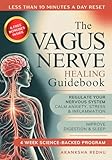
Recommended Tools for the Nervous-System Practice
A small set of physical anchors lowers the friction of the nervous-system reset practice. The five recommendations are the ones most consistently mentioned in vagus-nerve research.




Recommended reads:
- Stress Relief Rituals That Actually Lower the Cortisol
- An Emotional Reset Toolkit for the Days the Day Wins
- Resilience Rituals That Train the Nervous System to Recover Faster
- Emotional First Aid for the Small Daily Injuries Nobody Names
- A Cozy Night Routine for Winter Evenings That Feel Magical
Why the Vagus Nerve Is the Reset Button
The Polyvagal Frame in Plain Terms
The vagus nerve is the longest cranial nerve. It runs from the brainstem down through the throat, the heart, the lungs, and the gut. The nerve carries the parasympathetic signal that tells the body to stop the stress response and return to rest-and-digest.
Activating the vagus nerve directly is the fastest way to reset the nervous system from a sympathetic state.
Why the Techniques Are Anatomical, Not Aspirational
Each of the four protocols below works because of where the vagus nerve runs physically through the body. Cold water on the face activates the diving reflex. Slow exhales engage the heart-rate response the nerve mediates. Humming vibrates the vocal cords the nerve passes alongside.
The mechanisms are physical, not psychological, which is why the techniques work even when the cognitive frame is hijacked. The balance hustle and healing guide covers the broader rest-and-work design the techniques support.
Technique One: 4-6 Breathing
The Protocol
Inhale through the nose for four seconds. Exhale slowly through the mouth for six seconds. Repeat for one to three minutes. The longer exhale is the active ingredient , exhales longer than inhales signal the vagus nerve that the body is safe and the parasympathetic response can take over.
Why the 4-6 Ratio Specifically
The target rate is five to six breaths per minute, which is roughly half the average resting rate of twelve to sixteen. The slower pace forces the cardiovascular and respiratory systems into the synchronized rhythm called respiratory sinus arrhythmia, which is the strongest single signal the vagus nerve responds to.
Two minutes of 4-6 breathing usually drops resting heart rate measurably.
Technique Two: Cold Water on Face and Neck
The Diving Reflex
Cold water on the face triggers the mammalian diving reflex. The body responds as if submerged: heart rate drops, blood flow shifts toward the core, the parasympathetic nervous system activates within seconds. The reflex is involuntary and works even when the conscious mind is in panic.
How to Use It
End the shower with thirty to sixty seconds of cold water focused on the face and the back of the neck (where the vagus nerve runs closest to the surface). For an in-the-moment reset, splash cold water on the face six to eight times from the sink.
A bag of frozen peas wrapped in a tea towel held against the face and neck for one minute produces the same effect without the shower.
Technique Three: Humming, Chanting, or Singing
Why Vocal Cord Vibration Matters
The vagus nerve passes through the throat alongside the vocal cords. The vibration produced by humming, chanting, or singing physically stimulates the nerve. Long sustained tones (the ‘om’ chant from yoga, hummed continuously for thirty to sixty seconds) produce the strongest effect.
The 1-Minute Practice
One minute. Any sustained tone. The exhale-and-hum combination layers the vagus-nerve activation from technique one with the vocal-cord vibration from this technique. Two simultaneous mechanisms, two minutes total. Useful as the first action when the body has already shifted into stress activation.
The journaling for emotional clarity guide covers the CBT thought-record protocol for the cognitive work after the physiology has settled.
Technique Four: Gargling Warm Water
The Lower-Friction Version
Gargle warm water for thirty seconds, twice a day. The gargling motion engages the muscles connected to the vagus nerve and tones the nerve over time the way physical exercise tones muscle. The effect is cumulative, not acute, which makes it the right tool for daily maintenance rather than in-the-moment reset.
Why to Add It to the Morning
Morning is the natural slot , paired with brushing teeth, no extra time required. Two thirty-second sessions per day, sustained for a month, produces measurable improvements in heart rate variability (the standard proxy for vagal tone). The mindful morning routine covers how the gargling fits into the broader morning sequence.
The Daily Maintenance Stack
Morning: 4-6 Breathing + Gargling
Two minutes of 4-6 breathing after the first sip of coffee. Thirty seconds of warm-water gargling during the brushing-teeth window. Total time: less than three minutes. Together, they set the parasympathetic baseline for the day.
Evening: Cold Water + Humming
Thirty seconds of cold water on the face at the end of the evening shower. Sixty seconds of humming or low chanting during the wind-down. The evening version primes the parasympathetic response for sleep, which is when the vagus nerve does most of its restorative work.
When Stress Hits Mid-Day
Layer the techniques. Two minutes of 4-6 breathing while gargling between exhales (skip the gargling if not at home). Splash cold water on the face. Hum quietly for one minute. The full reset stack takes about five minutes and brings the body back to baseline most of the time.
The weekly self care schedule covers how the maintenance practice fits into the broader weekly architecture.
When the Reset Is Not Enough
Acute vs Chronic Activation
The four techniques handle acute sympathetic activation , the spikes that come and go across the day. They are less effective for chronic baseline elevation (persistent anxiety, prolonged stress states). For the chronic version, the techniques are a useful daily-maintenance layer underneath therapy, not a replacement for it.
When to Add the Bigger Tools
Three months of consistent daily practice with no measurable shift in baseline stress is the signal to add bigger tools , a therapist, a movement practice, a sleep-hygiene overhaul, or a medication conversation with a doctor. The techniques are powerful but not unlimited. The sunday reset routine covers the broader weekly framework the daily practice fits inside.
Nervous System Reset FAQs
How do I reset my nervous system?
Four techniques activate the vagus nerve and trigger the parasympathetic response: 4-6 breathing (inhale 4 seconds, exhale 6), cold water on the face and back of the neck for 30 to 60 seconds, humming or chanting for one minute, and gargling warm water for 30 seconds. The Cleveland Clinic 2026 protocol covers all four.
Does 4-6 breathing actually work?
Yes. Exhales longer than inhales signal the vagus nerve that the body is safe. The target rate of 5 to 6 breaths per minute is roughly half the average resting rate and forces the cardiovascular and respiratory systems into respiratory sinus arrhythmia , the strongest single signal the vagus nerve responds to.
How does cold water on the face calm anxiety?
Cold water on the face triggers the mammalian diving reflex. The body responds as if submerged: heart rate drops, blood flow shifts toward the core, the parasympathetic system activates within seconds. The reflex is involuntary and works even when the conscious mind is in panic.
Why does humming help?
The vagus nerve passes through the throat alongside the vocal cords. The vibration from humming, chanting, or singing physically stimulates the nerve. Long sustained tones (one minute of continuous humming) produce the strongest effect because the vibration is constant.
How often should I do these techniques?
Daily maintenance is the goal. Morning: 4-6 breathing + gargling (3 minutes total). Evening: cold water + humming during the wind-down (2 minutes). When stress hits mid-day, layer all four into a 5-minute reset. The practice is cumulative; daily consistency outperforms intensive use.
When should I see a doctor instead?
Three months of consistent daily practice with no measurable shift in baseline stress is the signal to escalate. The techniques handle acute spikes well; chronic baseline elevation (persistent anxiety, prolonged stress states) usually needs the bigger tools , therapy, a movement practice, a sleep overhaul, or a medication conversation.
Key Takeaways
- The vagus nerve is the longest cranial nerve; activating it triggers the parasympathetic response and resets the nervous system from sympathetic activation.
- Four techniques (Cleveland Clinic 2026 protocol): 4-6 breathing, cold water on face/neck, humming or chanting, and warm-water gargling.
- The 4-6 breathing target rate is 5 to 6 breaths per minute , half the average resting rate , which forces respiratory sinus arrhythmia.
- Cold water on the face triggers the mammalian diving reflex, which works even when the conscious mind is in panic.
- Daily practice is cumulative; three months with no measurable shift is the signal to add bigger tools like therapy or medical support.
How Quickly Can You Reset Your Nervous System?
Resetting the nervous system is anatomical, not aspirational. The four techniques work because of where the vagus nerve runs physically through the body. Daily maintenance plus a five-minute reset stack for the harder moments covers most of what a sympathetic-leaning nervous system needs.
The science is settled, the techniques cost nothing, and the body responds within minutes once the practice is in place.
Calm is easier to hold in a calm room, so my guide to resetting your space is a natural next step, and this list of simple reset ideas gives you more options for harder days.
Last update on 2026-10-07 / Affiliate links / Images from Amazon Product Advertising API