

Real change comes from identity work, not goal-setting. The question ‘who do I want to become’ produces lasting change that ‘what do I want to do’ never quite manages, because identity-based habits self-reinforce while goal-based habits collapse when the goal is met.
Quick answer: Changing yourself for the better starts with identity work rather than goal-setting: decide who you want to become, then back it with a habit tracker, an environment design audit, a weekly identity check-in, and a 90-day identity experiment.
The reinvent-yourself-by-January narrative is one of those personal-growth shortcuts that nobody quite questions, even when every previous January resolution has quietly evaporated by Valentine’s Day.
Real change comes from identity work, not goal-setting. The Atomic Habits framework that James Clear built around this single observation has held the bestseller position for seven years because the underlying claim is genuinely true: identity-based habits self-reinforce while goal-based habits collapse the moment the goal is met.
The Soulful Strides 5-identity-shifts research, Psychology Today’s keystone-habits analysis, and the Mooremomentum identity-based habits blueprint all converge on the same shift. The question changes from ‘what do I want to do’ to ‘who do I want to become,’ and the small consistent actions follow the identity naturally rather than requiring the willpower the goal-based version always burns through.
Recommended Books and Tools for the Identity Shift at a Glance
Five practical books and tools that support the identity-based change work. The numbered listicle further down has the full lineup with the specific role each one plays in the protocol.


Recommended blogs to read:
- Daily Habits to Improve Your Life Without Overhauling Everything
- Self Discovery Journal Prompts to Actually Know Yourself
- Micro Habits That Add Up to Real Change
- A Year End Reflection That Sets Up the Next Year Honestly
- Self Care Tips That Actually Change How You Feel
Why Identity Work Outperforms Goal-Setting
The goal-based version of self-improvement runs into a specific structural problem: once the goal is met, the behavior that produced the goal collapses because the external target was the only thing holding it. A January weight-loss goal hit in March produces the rebound by summer.
A goal of running a marathon completed in October produces the abandoned running shoes by Thanksgiving. The identity-based alternative works differently. When the person becomes ‘someone who runs,’ the running continues after the marathon because the identity itself rewards the behavior.
James Clear’s framework, validated across his 20-million-copy bestseller and the surrounding research, puts the practical reframe this way: every action you take is a vote for the type of person you wish to become.
The Soulful Strides 5-identity-shifts work names the same pattern from a slightly different angle. Sustainable personal growth starts with identity rather than behavior. You can only maintain habits that match the story you believe about yourself. The story has to shift first. Then the habits follow.
The environment design layer (BJ Fogg’s Tiny Habits, the Mooremomentum blueprint) closes the loop by removing the friction that the identity work alone cannot overcome. Identity plus environment plus small consistent actions produces the actual change. Any one of these alone produces the predictable February failure.
The 10 Tools and Practices That Anchor the Identity Shift
Ordered by impact. The first three handle the identity and mindset work directly. The remaining seven support the practical environment and habit-stacking layer.
1. Atomic Habits by James Clear

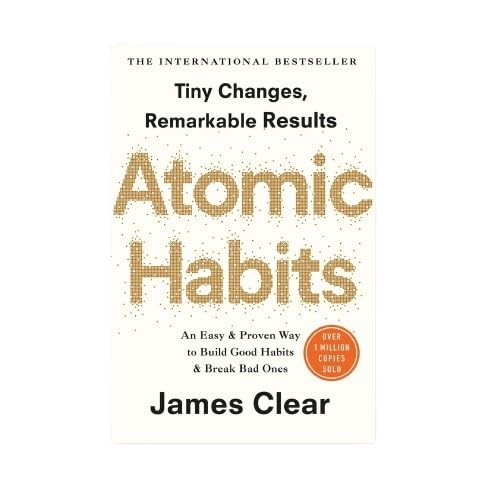
The canonical text on identity-based habits. The right pick at $15 for the framework that anchors the entire category. The four-laws of behavior change (make it obvious, attractive, easy, satisfying) plus the identity-based reframe is the single most useful book in the personal-growth shelf.
2. The Four Agreements by Don Miguel Ruiz


Toltec wisdom framework reduced to four principles: be impeccable with your word, do not take anything personally, do not make assumptions, always do your best. The right pick at $13 for the mindset shift that supports the identity work alongside the practical habit-building.
3. The Subtle Art of Not Giving a F*ck by Mark Manson
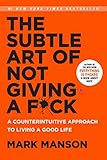

Counter-cultural personal-growth book that argues for choosing what to care about rather than trying to care about everything. The right pick at $15 for users who have been burned out by the more aspirational personal-growth canon and want the harder-edged alternative.
4. Tiny Habits by BJ Fogg


The Stanford behavior researcher’s framework for change through tiny actions and emotion-anchored habit formation. The right pick at $18 for the practical behavior-design layer that pairs with the Atomic Habits identity layer.
5. The 5 Second Rule by Mel Robbins

The countdown-from-five mental trick that interrupts the hesitation pattern and triggers action. The right pick at $15 for the specific tool that addresses the moment-of-friction problem the identity work alone cannot solve.
6. Habit Tracker Journal


A simple habit tracker that lets you mark the inputs (did the habit happen today, yes or no) rather than the outcomes. The right pick at $20 for the practical tracking layer that James Clear specifically recommends for the identity-based protocol.
7. Five-Minute Journal


Morning and evening structured journaling in five minutes per session. The right pick at $30 for the low-friction journal practice that pairs with the identity-based work without requiring the elaborate weekly review the maximalist version asks for.
8. Environment Design Audit
Environment design (Atomic Habits chapter 6) is the single highest-return practice for sustaining the identity shift. Move the books you want to read to the bedside. Move the phone to the kitchen at night. Pre-pack the gym bag by the door. The environment carries the consistency that willpower cannot.
9. The Weekly Identity Check-In
Sunday-evening five-minute reflection on the question: what did I do this week that voted for the person I want to become, and what did I do that voted against it. The honest version of the weekly review that anchors the identity work without requiring the hour-long planning session productivity influencers sell.
10. The 90-Day Identity Experiment
Pick one identity shift (someone who runs, someone who writes, someone who cooks, someone who reads before bed). Hold it for 90 days. Track only the inputs, not the outcomes. The 90-day window is what produces the actual identity formation; shorter experiments produce only the temporary behavior shift that always reverts.
How to Run the Identity Shift Without Burnout
Three rules for actually changing across the six-month window that the personal-growth industry promises in two weeks.
- Pick one identity shift, not five. Trying to become a morning person plus a runner plus a writer plus a minimalist plus a vegetarian in the same January produces the predictable February burnout. One shift, held for 90 days, produces the actual change.
- Design the environment before relying on willpower. Move the running shoes to the door. Move the phone to the kitchen. Pre-prepare the journal at the bedside. The environment is the daily friction layer that determines whether the identity work survives.
- Track inputs, not outcomes. Did you do the thing today, yes or no. The outcomes (visible change, the new identity feeling real, other people noticing) follow the inputs across months three through six.
When the Self-Help Tier Is Not the Answer
Persistent depression, generalized anxiety, post-traumatic stress, addiction patterns, and significant life-functioning impairment all warrant a therapist or doctor visit rather than another Atomic Habits chapter. Identity-based personal growth is the maintenance and enhancement tier for an already-functioning baseline; it is not a substitute for clinical mental health care when the underlying issue needs professional support.
If the identity-based work repeatedly produces the shift only to have the new identity collapse within weeks, the pattern often signals an underlying issue (unprocessed trauma, undiagnosed ADHD, depression, chronic burnout) that responds to therapy in a way the personal-growth canon cannot replicate. The book stack is genuinely valuable; it is not always the first move.
Changing Yourself for the Better: FAQs
How do I change myself for the better?
Start with identity, not goals. Ask ‘who do I want to become’ rather than ‘what do I want to do.’ Pick one identity shift, design the environment to support it, hold the small consistent actions for 90 days. The Atomic Habits framework is the canonical playbook.
What habits change your life?
Keystone habits (sleep, daily movement, consistent meal timing) cascade into other behaviors per Psychology Today’s research. The 1 percent rule (improve by 1 percent daily) compounds to roughly 37x over a year per the Atomic Habits framework. Identity-based habits hold longer than goal-based habits.
How long does it take to change yourself?
Ninety days for the identity to feel real to yourself. Six months for other people to notice. One year for the cumulative change to become permanent. The personal-growth industry’s two-week promises produce only temporary behavior shifts that always revert.
Can you really change as a person?
Yes, within the bounds of your core temperament. Personality research suggests roughly 50 percent of personality is heritable and roughly 50 percent is shaped by environment and experience. The shaped half is what responds to identity-based habit work across months and years.
What is the best book on changing yourself?
Atomic Habits by James Clear for the canonical framework. Tiny Habits by BJ Fogg for the practical behavior-design layer. The Four Agreements by Don Miguel Ruiz for the mindset shift. Reading the three together covers most of the personal-growth canon worth taking seriously.
Why do I always go back to old habits?
Two reasons, usually. The environment still rewards the old habits (the phone next to the bed, the junk food in the cabinet, the running shoes in the closet). And the new behavior has not yet become part of the identity, which means willpower has to carry it indefinitely. Both are fixable with environment redesign and the 90-day identity experiment.
Key Takeaways
- Real change comes from identity work, not goal-setting. The question ‘who do I want to become’ produces lasting change that ‘what do I want to do’ never quite manages.
- Atomic Habits by James Clear, Tiny Habits by BJ Fogg, and The Four Agreements by Don Miguel Ruiz anchor the personal-growth canon that the rest of the category draws from.
- Pick one identity shift, design the environment to support it, hold the small consistent actions for 90 days. Trying to shift five identities at once produces the predictable February burnout.
- Track inputs, not outcomes. Did the habit happen today, yes or no. The outcomes follow the inputs across months three through six.
- Persistent depression, anxiety, trauma patterns, and addiction patterns warrant a therapist visit rather than another self-help book. The personal-growth tier is the maintenance layer, not the clinical layer.
How Do You Change Yourself for the Better and Make It Last?
Changing yourself for the better is genuinely possible within the bounds of your core temperament. The identity-based framework Atomic Habits popularized outperforms the goal-based approach because identity-based habits self-reinforce while goal-based habits collapse the moment the goal is met.
Pick one identity shift, design the environment, hold the small consistent actions for 90 days, run the weekly Sunday-evening identity check-in, and the cumulative shift across the six-month window is the kind of change that genuinely holds.
If you feel a little lost right now, begin with my guide to reconnecting with yourself, then use these time management hacks to protect room in your week for that identity check-in.
Last update on 2026-10-09 / Affiliate links / Images from Amazon Product Advertising API