
Self-confidence builds through mastery experiences (doing small things and succeeding) and self-compassion practice, not through affirmations. Bandura’s research is the canonical evidence base; the small-wins protocol carries the work across months.
The sticky note on the mirror that reads ‘I am confident, I am beautiful, I am enough’ has been there for six months, and you have started feeling slightly worse every time you see it, even though you cannot quite say why.
A Psychological Review study found that repeating positive affirmations can actively worsen mood in users who already have low self-esteem, because the brain registers the gap between what the affirmation says and what the person actually believes, and the gap amplifies the original low-confidence belief.
The trick is supposed to be the opposite. The evidence-based alternative comes from Albert Bandura’s work on mastery experiences, where confidence builds through the accumulation of small things attempted and successfully done. Self-compassion (treating yourself the way you would treat a friend) layers in as the practice that protects against the harsh internal voice between mastery attempts.
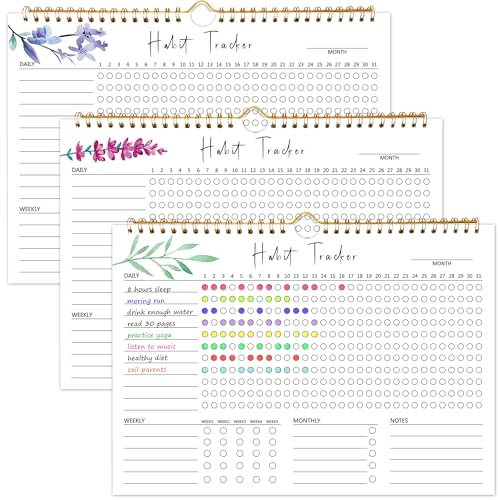
Want a weekly planner that holds the small-wins routine instead of another mirror sticky note?
The Self-Care Planner is the weekly companion that anchors the daily mastery practice, the weekly self-compassion check-in, and the small daily wins that turn six months of consistent action into the genuine confidence shift the affirmations never managed to produce. It lives here.
Recommended Books and Tools at a Glance
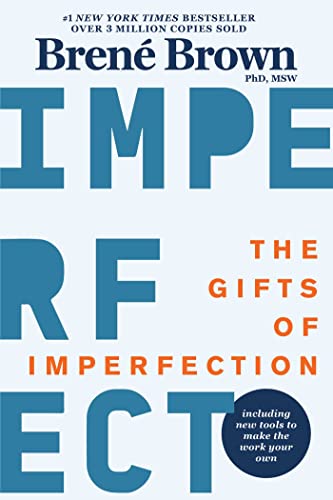
Five of the strongest practical resources for the evidence-based confidence work. The numbered habits further down are the actual practice; these support it.



Recommended blogs to read:
- How to Change Yourself for the Better in Real Life
- Self Discovery Journal Prompts to Actually Know Yourself
- Monthly Challenge Ideas That Build Better Habits in 30 Days
- A Year End Reflection That Sets Up the Next Year Honestly
- Micro Habits That Add Up to Real Change
- personal growth strategies for women that create real change
Why Mastery Experiences Outperform Affirmations
Bandura’s research, conducted across decades at Stanford, identified mastery experiences as the single strongest predictor of self-efficacy, which is the technical term for the confidence that comes from believing you can do something based on having done similar things before. The mechanism is simple. When you attempt a small thing and succeed, the brain stores that evidence.
The next attempt draws on the stored evidence rather than on the empty affirmation. After a few weeks of consistent small successes, the brain has built a real database of competence to draw from.
Self-compassion (the framework Kristin Neff has spent her research career building) is the second piece. The harsh internal voice that follows a failed attempt is what stops most people from trying again. Treating yourself the way you would treat a friend in the same situation is the specific practice that lowers the cost of failure enough to keep showing up.
The two together (mastery plus self-compassion) produce the confidence shift that affirmations alone cannot.
The 10 Habits That Actually Build Self-Confidence
Ordered by impact. The first three habits do the bulk of the heavy lifting; the remaining seven layer in for the long-term consistency that the practice depends on.
1. Pick a Small Daily Mastery Attempt
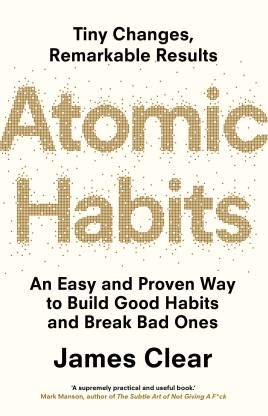
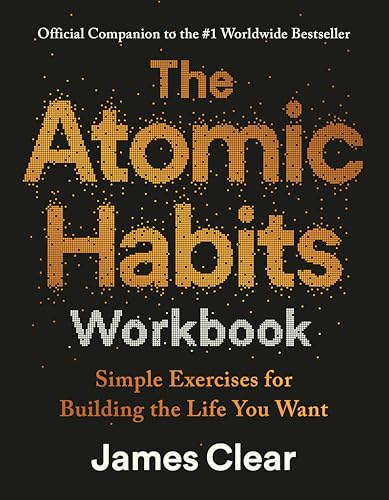
One small thing per day that you attempt and complete. Make the bed. Send the email you have been postponing. Do the 10-minute walk. The thing itself does not matter; the daily evidence of competence is what builds the stored database the brain draws on for confidence. James Clear’s Atomic Habits framework provides the practical scaffolding for this work.
2. Practice Self-Compassion Like a Skill

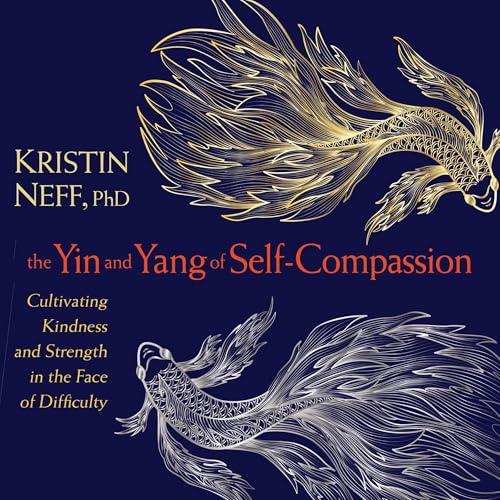
When the harsh internal voice arrives after a setback, pause and ask what you would say to a friend in the same situation. Then say that instead. Kristin Neff’s research shows that self-compassion correlates with better recovery from failure, higher motivation afterward, and more accurate self-assessment than either harsh self-criticism or empty affirmations.
3. Adopt a Growth Mindset


Carol Dweck’s research on fixed versus growth mindsets is the second canonical confidence framework. The growth mindset (the belief that abilities develop through effort) specifically supports the willingness to attempt the small mastery experiences that build confidence. The fixed mindset (the belief that abilities are inborn) blocks the attempts before they begin.
4. Stop the Social Comparison Loop

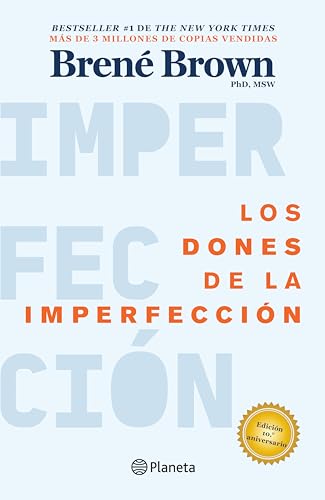
Comparison is the death of self-confidence because every time you measure yourself against someone else, you train the brain to see yourself as inadequate. The specific fix is reducing exposure to the comparison triggers (curated Instagram feeds, the ‘should be further along’ internal narrative, the friend whose Sunday updates leave you feeling worse).
Brené Brown’s work covers the practical side of this.
5. Keep a Five-Minute Daily Win Journal


Five minutes, three sentences, every evening. What did you do today that you are proud of. What did you handle well. What small win came from a previous effort. The evening review locks the small daily mastery experiences into long-term memory, which compounds the confidence effect across months.
Want a year-long planner to track whether the small-wins routine actually shifted your confidence baseline?
The Self-Care and Wellness Planner is the year-long companion that holds the daily mastery anchor, the weekly self-compassion check-in, and the seasonal review that shows you whether the confidence work has actually compounded across the year. It lives here.
6. Build Olympic-Athlete Style Small Wins
Olympic coaches use a specific technique: they break the long-term goal into a stack of small but achievable milestones, each completed and recognized before the next begins. The same approach applies to confidence work. A 30-day mastery streak. A 60-day self-compassion practice. A 90-day comparison-free Instagram detox. Each milestone completed becomes stored evidence.
7. Practice the Two-Minute Confidence Action


BJ Fogg’s Tiny Habits framework applied to confidence: the smallest possible version of a confidence-building action repeated daily for two weeks. Two minutes of public speaking practice. One difficult email per day. One networking message per week. The tiny version builds the larger capability across months.
8. Anchor Your Identity to the Habit, Not the Outcome
The identity-based confidence approach: shift the internal story from ‘I want to be confident’ to ‘I am someone who attempts small things daily.’ The identity shift is what sustains the practice past the first month of enthusiasm. Atomic Habits covers the specific framework for this work.
9. Reduce Cognitive Dissonance With Specific Wins
Affirmations fail because the brain registers the gap between the claim and the evidence. Specific small wins close the gap by providing the evidence. Instead of ‘I am confident,’ the practice produces ‘I sent the email I had been postponing for two weeks,’ which the brain cannot argue with.
10. Schedule the Weekly Self-Compassion Check-In
Sunday evening, ten minutes, three questions. Where did I show myself kindness this week. Where did the harsh internal voice take over. What small mastery attempt do I want to anchor this coming week. The weekly review carries the practice past the initial enthusiasm phase and into the long-term consistency that produces the actual confidence shift.
How to Hold the Practice Past the First Month
Three rules that separate the confidence work that actually compounds from the version that gets abandoned in week three.
- Track the input, not the outcome. Did the small mastery attempt happen today, yes or no. Confidence is a lagging indicator; it shows up six to twelve weeks after the consistent inputs begin, not the next morning.
- Anchor each new confidence habit to an existing routine moment. Morning coffee, lunch break, evening teeth-brushing. The anchor carries the consistency that willpower alone cannot.
- When you slip, return without commentary. The harsh internal voice that follows a missed day is what produces the abandonment cycle. The self-compassion response (catching the voice and saying what you would say to a friend) is what keeps the practice alive.
When the Habit Tier Is Not the Answer
Persistent low self-esteem with no responsive interval, trauma patterns, and significant life-functioning impairment all warrant a therapist visit rather than another confidence-building habit. The behavioral tier supports a baseline that already responds to intervention; it does not replace clinical care when the underlying issue needs professional support.
Schema therapy and cognitive behavioral therapy both have strong evidence bases for treating chronic low self-esteem in ways the habit tier cannot replicate. A single consultation often surfaces whether the work belongs at the behavioral tier or the clinical tier.
Frequently Asked Questions
How do you build confidence as a woman?
Through mastery experiences (small things attempted and completed daily) plus self-compassion practice. Bandura’s research shows mastery is the strongest single predictor of self-efficacy. Kristin Neff’s work shows self-compassion outperforms both harsh self-criticism and positive affirmations on the long-term outcomes.
Are affirmations effective for self-confidence?
Not for users who already have low self-esteem. A Psychological Review study found affirmations can worsen mood when the gap between the affirmation and the believed self-image is wide. Self-compassion and mastery experiences are the evidence-based alternatives.
What habits do confident women have?
A daily small mastery attempt, a five-minute evening win journal, a Sunday self-compassion check-in, low exposure to social-comparison triggers, and a growth mindset orientation that supports trying things before knowing they will work.
Can confidence be learned?
Roughly 50 percent of confidence has a genetic component; the other 50 percent is buildable through behavioral practice. Bandura’s research, Dweck’s growth mindset work, and Neff’s self-compassion framework all support the trainable half of the confidence equation.
How long until confidence habits show results?
Six to twelve weeks of consistent practice for visible internal shift. Other people often notice around month three. The cumulative compound becomes self-reinforcing around month six, which is when the practice carries itself forward without requiring daily willpower.
What is the difference between confidence and self-esteem?
Self-esteem is the general sense of self-worth; confidence is the specific belief in your ability to do something. Mastery experiences build confidence directly; the cumulative confidence shifts then support the broader self-esteem work across longer time horizons.
Key Takeaways
- Affirmations can actively worsen mood in users with low self-esteem due to cognitive dissonance. Bandura’s mastery experiences and Neff’s self-compassion practice are the evidence-based alternatives.
- Mastery experiences (small things attempted and completed daily) build the stored evidence database the brain draws on for confidence. The daily win is the input that compounds.
- Self-compassion practice (treating yourself the way you would treat a friend) lowers the cost of failure and keeps the practice alive past the first missed day. Kristin Neff’s framework is the canonical reference.
- Track the input, not the outcome. Confidence is a lagging indicator that shows up six to twelve weeks after the consistent inputs begin. Anchor each new habit to an existing routine moment.
- Persistent low self-esteem, trauma patterns, and significant life-functioning impairment warrant a therapist visit. The behavioral tier supports a baseline; it does not replace clinical care.
Final Thoughts
Self-confidence builds through evidence, not affirmations. The small mastery attempt completed today. The harsh internal voice caught and replaced with the response you would give a friend. The five-minute evening journal that locks the small wins into long-term memory. The Sunday self-compassion check-in that resets the practice for the next week.
Pick the smallest possible mastery anchor, hold it for the next 30 days, and the cumulative confidence shift across the next six months is the kind of result the mirror sticky notes never quite produced.
Last update on 2026-08-15 / Affiliate links / Images from Amazon Product Advertising API