

Seasonal goal-setting works as a 90-day cycle that matches human attention better than January resolutions. Spring for renewal, summer for movement, fall for focus, winter for reflection. Pick one anchor goal per season aligned with the energy of that quarter.
Quick answer: Good goal examples for every season follow a 90-day cycle: a spring decluttering reset, more outdoor movement in summer, a fall reading habit or skill build, and reflective journaling with an honest year-end review in winter.
The January gym membership signed up for the day after New Year’s stayed unused after week three, and the recognition by mid-March that maybe the timing itself was the problem took longer than it should have.
Seasonal goal-setting works because three-month cycles match human attention better than the year-long January-resolution approach or the goalless drift that follows when the resolutions inevitably collapse. Each new season becomes a natural checkpoint with built-in opportunities to reflect, reset, and realign with what actually matters in this specific quarter.
Spring carries renewal energy. Summer carries movement and connection. Fall carries focus and depth. Winter carries reflection and rest. Pick one anchor goal per season that genuinely matches the energy of that quarter, hold it for 90 days, then reset for the next season with what you have learned.
Recommended Goal-Setting Books and Tools at a Glance
Five practical resources that support the seasonal goal framework. The numbered examples further down are the actual quarter-by-quarter suggestions.


Recommended blogs to read:
- Smart Goal Setting Ideas for a New Year That Actually Works
- A New Year Goal Setting Routine That Turns Plans Into Action
- How to Set Intentions That Actually Guide Your Life
- Monthly Challenge Ideas That Build Better Habits in 30 Days
- A Year End Reflection That Sets Up the Next Year Honestly
Why the 90-Day Cycle Outperforms January Resolutions
January resolutions fail at predictable rates because the 12-month commitment requires sustaining a single goal through energy shifts the human nervous system was not designed to ignore. Summer brings different cravings than January does. Fall brings different priorities than spring. The seasonal frame works with these shifts rather than against them.
The Arootah research on seasonal energy and the Bloom Daily Planners seasonal goal guide both surface the same observation: 90 days is short enough to maintain motivation without burnout and long enough to produce real behavior change.
The cycle works as a rhythm. Start each season by writing one anchor goal in plain language with a clear why. Hold it for the 90 days. Review at the end of the quarter with three questions: what worked, what did not, what does the next season actually need.
The structured review is the part most goal-setting frameworks skip and the part that produces the cumulative growth across the year. Atomic Habits by James Clear and the Bullet Journal Method by Ryder Carroll both cover the structured-review practice in genuine detail.
The 10 Seasonal Goal Examples Organized by Quarter
Ordered by season starting with spring. Pick one anchor goal per quarter that matches your actual life situation rather than the influencer-aesthetic version of what a season should look like.
1. Spring: The Decluttering Reset


Clear out the fall and winter clothing you have not worn in 12 months. Donate the items you forgot you owned. Reset the bathroom cabinet, the kitchen pantry, and the junk drawer. Spring energy supports this work because the longer daylight gives you the activation energy the winter months took away.
2. Spring: Start the Morning Walk Habit
Twenty minutes outside before 9am, every day. Spring weather makes this the easiest season to install the outdoor-morning-light habit that supports circadian rhythm regulation, mood, and the cumulative energy benefits that carry across the remaining three seasons.
3. Spring: Sign Up for One Class or Workshop


Spring renewal energy supports trying something new. Pottery, painting, language, cooking, photography. One class with a scheduled time slot, attended consistently for the quarter. The new-learning anchor produces a different kind of growth than the optimization-based goals.
4. Summer: Move Outside More Days Than Inside
Use the warmer months for outdoor movement. Hiking, swimming, outdoor yoga, evening tennis, weekend bike rides. The summer anchor goal commits to spending more exercise time outdoors than indoors across the 90 days. The cumulative vitamin D, mood, and movement benefit compounds significantly.
5. Summer: Schedule the Real Trip


One real trip you have been postponing. Not the work trip with two days tacked on. The actual vacation you would book if the planning was already done. Summer energy supports both the planning and the going, which the rest of the year does not.
6. Fall: Start the Reading Habit
![[By Ryder Carroll] The Bullet Journal Method: Track the Past, Order the Present, Design the Future...](https://m.media-amazon.com/images/I/51u-mrU+o-L._SL160_.jpg)

Ten pages before bed, every night, for the 90 days. Fall energy supports this work because the shorter days create the natural wind-down window that bedside reading fits cleanly into. The cumulative effect across the quarter is roughly four books read at the ten-page pace.
7. Fall: Run a Focused Skill-Building Quarter
![Deep Work: Rules for Focused Success in a Distracted World [Paperback] [Jan 01, 2016] Newport, Cal](https://m.media-amazon.com/images/I/31O7mZRFFGL._SL160_.jpg)


Fall focus energy supports defended-time skill building. Pick one specific skill (writing, public speaking, negotiation, a programming language, financial modeling) and commit to 30 minutes daily for the 90 days. The depth-of-practice timeline matches the season.
8. Winter: The Reflective Journaling Practice


Winter quiet supports the reflection work the other seasons rush past. Daily five-minute journaling plus a Sunday-evening 20-minute reflection on the past week. The winter cumulative effect is dramatic clarity on what worked across the year and what the next year should actually contain.
9. Winter: Set Up the Financial Year-Ahead

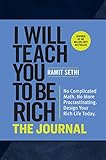

Winter reflective energy supports the financial planning the other quarters avoid. Review the past year’s spending. Set the next year’s savings rate. Increase the Roth IRA contribution. Schedule the annual money review. The boring administrative work that produces compound benefits across decades.
10. Winter: Honest Year-End Reflection


The final season specifically holds the year-end reflection work. What worked, what did not, what would you do differently. The honest review is what makes the next year’s January-versus-spring goal-setting decision a real choice rather than a default.
How to Run the Seasonal Cycle Without Abandoning It
Three rules that separate the seasonal goal practice that actually compounds from the version that gets abandoned in week three of the first quarter.
- Pick one anchor goal per season, not four. The multi-goal quarter is the predictable failure. The single anchor goal with daily attention produces real shift; the four parallel goals produce the abandonment cycle you have already lived through.
- Write the anchor goal on the first page of the journal with the why underneath. The visible commitment carries the consistency that hidden goals cannot. Look at the page weekly during the first month and monthly after.
- Schedule the end-of-quarter review for a specific Sunday afternoon. Twenty minutes. Three questions: what worked, what did not, what does the next season actually need. The review is what closes the cycle and sets up the next one cleanly.
When the Seasonal Framework Is Not the Answer
If goal-setting repeatedly fails across years and the harsh internal voice that follows is loud, the pattern often signals something deeper than the framework choice. Persistent depression, undiagnosed ADHD, trauma patterns, and significant life-functioning impairment all warrant a therapist visit rather than another planning system.
For users in genuine crisis or major life transition (divorce, job loss, severe illness, grief), the seasonal framework should wait until the baseline is stable. The 90-day cycle supports a functioning life; it does not replace clinical support during acute stress periods.
Seasonal Goal Setting FAQs
What are seasonal goals?
Goals organized into 90-day cycles aligned with the natural energy of each season. Spring for renewal and decluttering, summer for movement and adventure, fall for focus and learning, winter for reflection and rest. One anchor goal per season.
How do you set quarterly goals?
Pick one anchor goal that matches the energy of the upcoming quarter. Write it on the first page of the journal with the underlying why. Schedule the end-of-quarter review for a specific Sunday afternoon. Review with three questions: what worked, what did not, what next.
What are good goals for spring?
The decluttering reset, the morning walk habit, and signing up for one class or workshop. Spring renewal energy supports new starts, fresh routines, and the activation that the winter months took away.
How often should I reset my goals?
Every 90 days, aligned with the seasonal change. The quarterly cadence matches human attention better than the January-only approach and produces more sustained behavior change than the goalless drift.
Can I set the same goal for multiple seasons?
Yes, when the goal genuinely requires a longer horizon (skill building, fitness transformation, savings target). The seasonal review still happens every 90 days; the underlying goal can extend across two or three quarters.
What if I miss a season entirely?
Restart the next season without commentary. The harsh internal voice that follows the missed quarter is what produces the long-term abandonment. The seasonal frame includes the recovery move (restart the next quarter) by design.
Key Takeaways
- Seasonal goal-setting works because 90-day cycles match human attention better than the year-long January-resolution approach or the goalless drift that follows when resolutions collapse.
- Spring carries renewal energy (decluttering, morning walks, new classes). Summer carries movement energy (outdoor exercise, real trips). Fall carries focus energy (reading, skill building). Winter carries reflection energy (journaling, financial planning).
- Pick one anchor goal per season, write it on the first page of the journal with the underlying why, schedule the end-of-quarter review for a specific Sunday afternoon.
- The structured review is the part most goal-setting frameworks skip and the part that produces the cumulative growth across the year. Three questions: what worked, what did not, what next.
- Persistent depression, ADHD, trauma patterns, and significant life-functioning impairment warrant a therapist visit rather than another planning framework. The seasonal cycle supports a baseline; it does not replace clinical care.
Which Goal Examples Fit the Season You’re In Right Now?
Seasonal goal-setting gets clearer when you stop trying to compress 12 months of ambition into a January resolution and start running the 90-day cycle the human nervous system actually accommodates. Spring for renewal. Summer for movement. Fall for focus. Winter for reflection. One anchor goal per season.
The Sunday-afternoon end-of-quarter review with the three questions. The boring rhythm outperforms the dramatic resolution every year of the compound it produces, and the goal that finally compounds is the one that survived the seasonal rhythm rather than fighting it.
To plan each 90-day cycle in more detail, my goal planning ideas break the anchor goal into monthly steps, and visual goal mapping shows how all four seasons connect on one page.
Last update on 2026-10-07 / Affiliate links / Images from Amazon Product Advertising API