
Set goals and achieve them with a real plan by limiting the goal count to three to five, applying SMART specifics, layering OKR ambition for strategic goals, and running a monthly check-in cadence. The 47-goal annual plan and the goal-less drift produce the same nothing.
Goals do not fail because of motivation. They fail because the plan was either too ambitious for the available attention or too vague to be executed at all. The January notebook with 18 goals written in confident handwriting collapses by April because no human attention budget can sustain 18 active priorities across 12 months.
The goal-less drift produces the same outcome from the opposite direction. Neither version produces the year the writer was imagining when the notebook first got opened.
Setting goals and actually achieving them comes from a real plan with architecture: a small number of Big Goals (three to five, not 18), SMART specifics so each goal is measurable rather than aspirational, OKR ambition layered on the goals that deserve strategic stretch, quarterly Checkpoint Goals breaking the annual summit into reachable campsites, and a monthly check-in cadence that adjusts the plan based on what the prior month actually taught you.
The Microsoft Viva goal-setting research and the broader OKR literature consistently find the highest-performing individuals and teams use both frameworks simultaneously: OKRs for the strategic ambition layer, SMART for the executable specifics underneath.
Annual goals plus quarterly objectives plus monthly check-ins is the cadence that holds the plan together when the year does what years do and quietly changes everything you thought you knew in January.
Want the weekly planner that anchors the Big Goals, the monthly check-ins, and the quarterly reviews?
The Self-Care Planner is the structured weekly companion that holds the Big Goal reminder, the monthly check-in prompts, the quarterly review templates, and the small daily anchors a real plan needs to actually compound across 12 months. It lives here.
Recommended Goal Setting Books at a Glance
Five canonical books behind the SMART + OKR + Checkpoint Goal architecture. The numbered steps further down are the actual practice.



![Deep Work: Rules for Focused Success in a Distracted World [Paperback] [Jan 01, 2016] Newport, Cal](https://m.media-amazon.com/images/I/31O7mZRFFGL.jpg)
Recommended blogs to read:
- Smart Goal Setting That Actually Produces Results
- How to Follow Through on Your Goals When Motivation Fades
- Goal Planning Ideas for a More Focused Year
- How to Create a Personal Improvement Plan That Sticks
- Goal Examples to Set for Every Season of Your Life
Why the 47-Goal Plan and the Goal-Less Drift Both Produce Nothing
Gary Keller’s The One Thing makes the case as bluntly as it gets made in the goal-setting literature: extraordinary results come from concentrating effort on the smallest number of critical priorities. Twelve goals competing for attention each receive roughly 8% of the cognitive real estate. Three goals competing each receive roughly 33%.
The 33% level is where actual progress happens; the 8% level is where the goal stays a sentence in a notebook and never becomes a real outcome. The 47-goal plan looks impressive on January 2 and collapses by April because the math was never on its side.
The goal-less drift produces the same outcome from the opposite direction. No structured priorities means daily attention gets allocated by whatever happens to be loudest that week: the inbox, the social-media notification, the urgent-but-not-important request. The year passes.
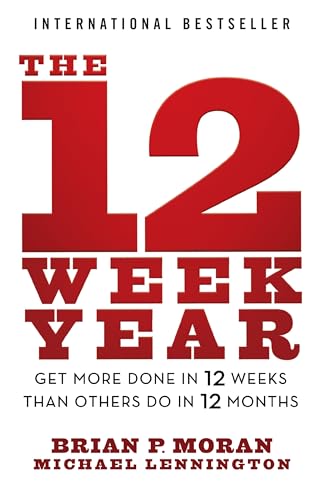
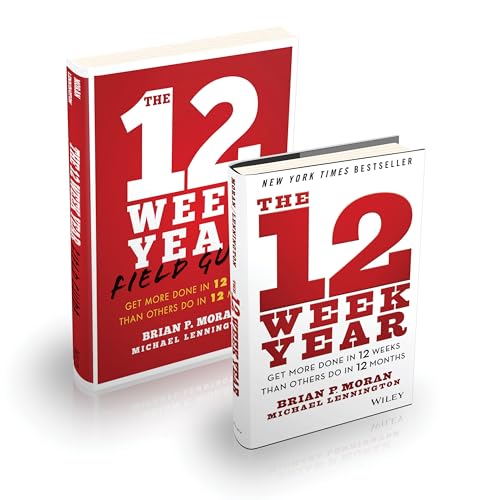
The drift produces a different version of the same nothing the 47-goal plan produced. Brian Moran’s The 12 Week Year frames the alternative directly: treat a quarter as the planning unit, focus on three to five priorities per quarter, run a monthly check-in, and rebuild the plan every 90 days based on what the prior quarter actually taught.
Four 12-week years per calendar year compound into more outcomes than one 52-week plan that fragmented by March.
The 10 Steps to Set Goals and Achieve Them With a Real Plan
Walk through the steps in order. The Big Goal selection in step one is the keystone the rest of the architecture serves. Skipping that step is the single most common reason plans collapse.
1. Pick Three to Five Big Goals for the Year
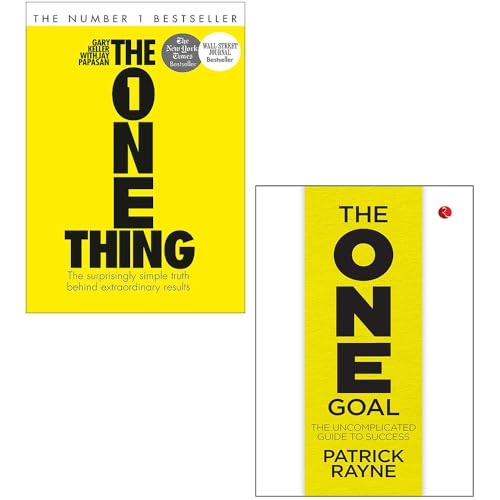
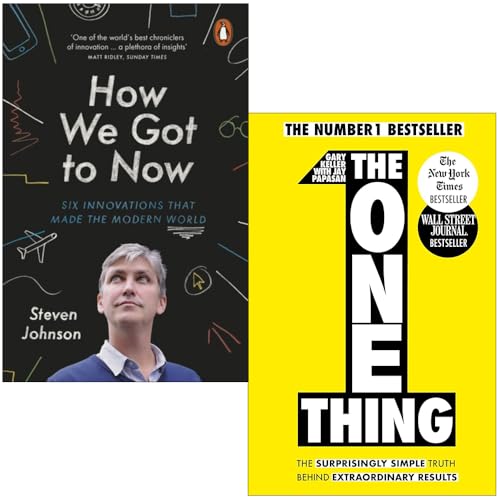
Not 18. Not 47. Three to five. Apply Gary Keller’s One Thing question to each candidate: “What is the one thing I can do, such that by doing it, everything else will be easier or unnecessary?” The goals that pass the question are the ones that earn the year’s attention.
The discipline of choosing three to five is itself a growth move and a forcing function for the clarity the rest of the plan depends on.
2. Write Each Goal in SMART Format
Each Big Goal gets the SMART specifics: Specific (what exactly), Measurable (with a clear number), Attainable (from current baseline), Relevant (to the life you are building), Time-bound (with a deadline). “Run more” is not SMART.
“Run a 10K by August 15, training from current 1-mile baseline through a structured 12-week program” is. The SMART specifics convert aspirational goals into executable ones.
3. Apply the OKR Layer for Strategic Goals
![[By John Doerr ] Measure What Matters (Hardcover)【2018】 by John Doerr (Author) (Hardcover)](https://m.media-amazon.com/images/I/51TXBTW7dfL.jpg)
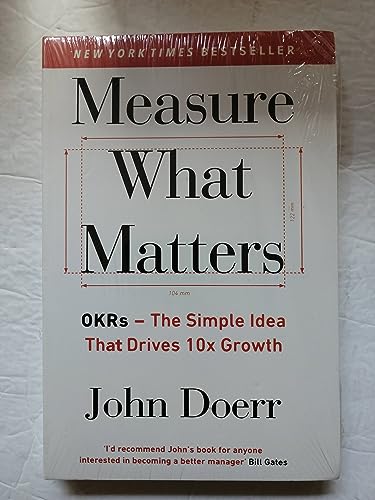
John Doerr’s Measure What Matters lays out the OKR structure: one Objective (qualitative, inspiring) plus three to five Key Results (measurable, time-bound). Objective: “Build real strength.” Key Results: “Squat bodyweight by June. Hold a 60-second plank by April. Run a 10K by September.” The OKR layer adds the measurability the qualitative goal alone misses and works best for ambitious or strategic goals where the SMART specifics need a broader directional frame.
4. Break Each Goal into Quarterly Checkpoints

Each Big Goal gets four Checkpoint Goals across the year, one per quarter. The 10K goal becomes Q1 (run 1-2 miles consistently), Q2 (run 3-4 miles), Q3 (run 5-6 miles), Q4 (race and recover).
Each checkpoint is achievable inside its quarter and produces visible progress on the trajectory toward the annual summit. Brian Moran’s 12 Week Year framework calls this the single highest-impact structural change to goal planning.
5. Build the Monthly Check-In Cadence

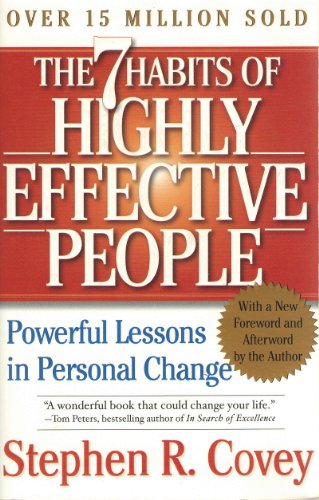
First Sunday of each month, 45 minutes. The Big Goals reviewed. The Checkpoint Goal progress assessed. The action plan for the coming month written. Most organizations set major goals annually but the actual highest performers run monthly check-ins to review progress, address obstacles, and adjust.
The monthly cadence catches drift inside 30 days of it happening rather than three months later when the annual plan finally gets reviewed.
6. Block the Calendar for Deep Work on Each Goal


Each Big Goal earns a defended block on the weekly calendar. The writing goal gets the Tuesday and Thursday morning 90-minute block. The fitness goal gets the 6:30am block five mornings. Cal Newport’s Deep Work research consistently finds calendar-blocked goal pursuit produces dramatically higher completion rates than the rely-on-finding-time approach.
The block is the structural commitment the daily execution needs to actually happen.
7. Add Implementation Intentions for the Daily Action
Peter Gollwitzer’s research on implementation intentions finds the if-then plan format produces a 2-3x improvement in follow-through versus goal intentions alone. “If it is 6:30am Monday, then I will put on running shoes and go out the front door.” The if-then structure pre-commits the brain to the specific action at the specific trigger, which removes the moment of choice that willpower would otherwise have to fight through.
8. Track Progress Visibly
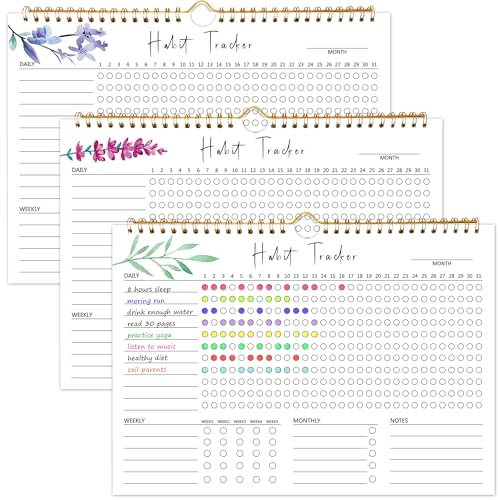


A wall calendar with red X marks for completed days. A bullet journal habit tracker grid. A simple app with the daily streak count. The American Psychological Association’s research on goal achievement consistently finds visible tracking produces a 40% higher follow-through rate than mental tracking.
The visible progress is the small daily reinforcement that keeps the system running on the days when the larger goal feels distant.
9. Run the Quarterly Reset



Every 90 days, the plan gets rebuilt. The Big Goals usually stay. The Checkpoint Goals get updated based on what the prior quarter actually produced. The monthly task lists get rewritten for the new quarter.
The quarterly reset is what keeps the plan responsive to a life that changes and prevents the plan from calcifying into a January document the writer outgrew six months ago.
10. Write the December 31 Identity Statement


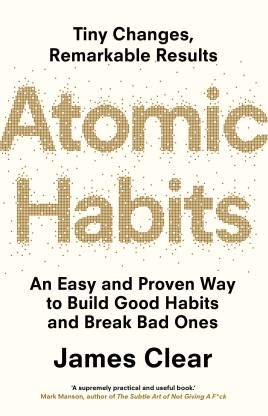
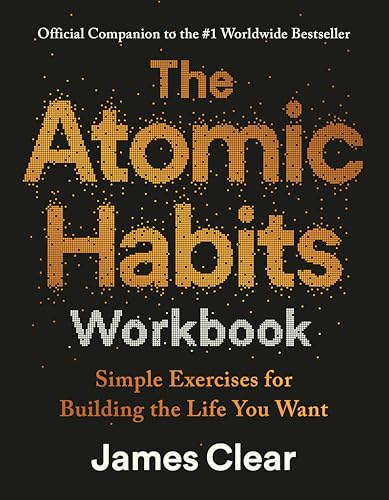
The closing layer of the plan. One paragraph describing the person you want to be at year end. “The person who runs consistently, saves automatically, calls the parents weekly, and finished the draft.” James Clear’s identity-based habits framing in Atomic Habits makes the case directly: every action becomes a vote for the identity you are building, and the daily vote count is what produces the December 31 person.
Want the wellness planner that anchors the OKRs, the monthly check-ins, and the December 31 identity statement?
The Self-Care and Wellness Planner adds the OKR structure pages, the monthly check-in prompts, the quarterly reset templates, and the December 31 identity statement the focused year needs to actually compound across all four quarters. It lives here.
How Long Before the Plan Starts Producing Real Outcomes
The first measurable shift arrives between weeks two and six. The first quarterly Checkpoint Goal has either been hit or honestly adjusted. The monthly check-in has caught its first useful drift pattern. The calendar-blocked deep work has produced the first set of completed weekly actions.
The implementation intentions have produced the first automatic morning execution. Weeks one through two are the discomfort window where the architecture feels like extra overhead and the pull back toward the unstructured ambitious plan is loudest.
The deeper compounding gains arrive between months three and 12. The first quarterly reset has produced the Q2 plan based on Q1 reality. The Big Goals have visible measurable progress that would not have existed under the 47-goal approach. The OKR Key Results have accumulated into Big Goal completion.
The December 31 identity statement has begun to feel like an accurate description of who you are becoming rather than an aspirational claim. The real plan produces the outcomes the unfocused approach kept promising and never quite delivering.

Frequently Asked Questions
How do I set realistic goals I can actually achieve?
Limit the goal count to three to five Big Goals per year. Apply SMART specifics to each (specific, measurable, attainable, relevant, time-bound). Break each into four quarterly Checkpoint Goals. Block the calendar for deep work on each. Run monthly check-ins. Use implementation intentions for the daily action.
What is the difference between SMART goals and OKRs?
SMART is a framework for writing individual goals with clear specifications. OKRs are a framework for moving an organization or strategic ambition forward with one Objective plus three to five Key Results. The highest performers use both: OKRs for strategic ambition, SMART for the executable specifics underneath.
How do I make a goal-setting plan that actually works?
Start with the December 31 identity statement. Pick three to five Big Goals that serve the identity. Break each into four quarterly Checkpoint Goals. Apply SMART specifics. Layer OKR ambition on the strategic goals. Block deep work calendar time. Run monthly check-ins and quarterly resets. Track progress visibly.
Why do I fail at goals every year?
Two common failure patterns: too many goals (the 47-goal plan exceeds the available attention budget) or too few specifics (the vague “get healthier” goal cannot be executed because the brain cannot execute an abstraction). The fix is three to five Big Goals with SMART specifics and a monthly review cadence.
How often should I review my goals?
Weekly Sunday review of 30 to 45 minutes for tactical adjustments. Monthly check-in on the first Sunday of each month for strategic progress. Quarterly reset every 90 days where the entire plan gets rebuilt based on actual outcomes. Annual review at year end to write the next year’s December 31 identity statement.
How long does it take to achieve a goal?
First measurable shifts between weeks two and six as the first checkpoint lands and the monthly check-in catches drift. Compounding gains between months three and twelve as the quarterly resets refine the plan, the deep work blocks produce consistent execution, and the OKR Key Results accumulate into Big Goal completion.
Key Takeaways
- Goals get set and achieved when the plan limits the goal count to three to five Big Goals per year.
- Apply SMART specifics for measurability. Layer OKR ambition for strategic stretch goals.
- Break each Big Goal into four quarterly Checkpoint Goals. The annual summit gets reached through quarterly campsites.
- Run monthly check-ins on the first Sunday of each month. Quarterly resets every 90 days rebuild the plan.
- Block the calendar for deep work on each goal. Add implementation intentions for the daily action.
- First shifts between weeks two and six. Compounding gains between months three and twelve.
Final Thoughts
Setting goals and actually achieving them comes from a real plan with real architecture. Three to five Big Goals. SMART specifics. OKR ambition for the strategic stretch. Quarterly Checkpoint Goals. Monthly check-ins. Calendar-blocked deep work. Implementation intentions. Visible tracking. Quarterly resets. The December 31 identity statement.
The plan is what holds when motivation fades, when the year changes everything, when the original January version stops describing the life being lived. The structure produces the outcomes the 47-goal plan and the goal-less drift both kept promising and never quite delivering.
Last update on 2026-08-15 / Affiliate links / Images from Amazon Product Advertising API