

At-home skincare devices in 2026 replace specific in-office treatments: LED facials, microcurrent sculpting, and basic RF tightening. NuFace Trinity+, Omnilux Contour, ZIIP Halo, and EvenSkyn Lumo+ lead the editor list across the categories.
Quick answer: At home skincare devices that replace professional treatments cover LED facials, microcurrent sculpting, and basic RF tightening, led by the NuFace Trinity+, the Omnilux Contour Face Mask, the ZIIP Halo 2.0, and the EvenSkyn Lumo+.
A single in-clinic RF session runs $300 to $600. A standard six-treatment course runs $1,800 to $3,600. A three-year in-office anti-aging protocol exceeds $10,000.
The at-home device tier at $300 to $2,700 replaces meaningful portions of that spending when the right tool actually gets used. The math is what makes the category sit up in 2026. NuFace Trinity+ is the gold-standard microcurrent that replaces in-office microcurrent facials at $200 each.
Omnilux Contour replaces in-office LED at $150 a session. EvenSkyn Lumo+ replaces the entry tier of RF skin tightening, which is the priciest in-office category. The honest catch is the discipline of three-to-five-times-per-week use for the first eight weeks, which is what separates the women who get the in-office equivalent result from the ones with expensive cabinet equipment.
Recommended At-Home Skincare Devices at a Glance
Five of the strongest in-office-replacement picks across the category. The numbered listicle further down has the full lineup with the specific professional treatment each device replaces and the cost math.


Recommended blogs to read:
- Luxury Skincare Devices for Firmer Clearer Skin
- Luxury Glow Up Tools for Hair Skin and Body
- Expensive Beauty Tools Worth Buying Once
- High End Retinoids and Night Treatments Worth the Splurge
- Luxury Beauty Tools Women Say Are Worth the Money
How At-Home Devices Genuinely Replace Specific In-Office Treatments
The at-home device category has matured in 2026 to where three specific in-office treatment categories now have credible at-home alternatives. Red LED facials at the 633 nanometer wavelength are matched by Omnilux Contour and CurrentBody Series 2 masks, which use the same wavelength and FDA-cleared protocols.
Microcurrent facials in the 100 to 400 microampere range are matched by NuFace Trinity+ and ZIIP Halo, which use the same amperage band as the in-office machines at slightly lower intensity. Basic RF tightening is matched by EvenSkyn Lumo+ and similar 5-in-1 devices, which deliver clinical-grade RF in a home format.
The 2026 EvenSkyn comparison is the canonical resource for the cost-and-protocol matching, with the math consistently showing the home tier earns out within two years.
The honest scope is narrower than the marketing suggests. At-home devices do not replace chemical peels at higher concentrations (35 percent glycolic and above), microneedling with RF, laser resurfacing, neuromodulator injections, or dermatologist consultations for active acne, rosacea, melasma, or photo-damage.
The home tier is the maintenance and enhancement layer that handles the routine in-office category. The clinical tier handles everything past it.
The 10 Best At-Home Skincare Devices for In-Office Replacement
Ordered by the in-office treatment each device replaces. Each entry names the professional protocol, the at-home alternative, and the honest cost math across two years of consistent use.
1. NuFace Trinity+ (Replaces In-Office Microcurrent Facials)
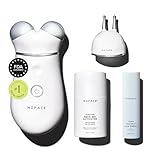

FDA-cleared microcurrent device with app support and the broader attachment system. The right pick to replace in-office microcurrent facials at $200 per session. $395 for the Trinity+. Cost math: at three-times-per-week use for two years, the device cost works out to roughly $1.30 per session against $200 per in-office visit.
2. ZIIP Halo 2.0 (Beginner-Friendly Microcurrent)


Microcurrent plus nanocurrent device with app-guided treatment programs that walk through specific protocols. The right pick if you want the beginner-friendly version of microcurrent with the app teaching you the technique. $495. The app integration is what differentiates ZIIP from the simpler NuFace tier.
3. Omnilux Contour Face Mask (Replaces In-Office LED Facials)


FDA-cleared red and near-infrared LED therapy mask. The right pick to replace in-office LED facials at $150 per session. $395 with the strongest clinical evidence in the at-home LED category. Cost math: at three-times-per-week use for two years, the device works out to under $1.30 per session against $150 in-office.
4. CurrentBody Series 2 LED Mask


Red LED mask with the silicone design preferred by some users over the rigid Omnilux shell, plus app integration. $395, the same price point as Omnilux. The clinical evidence is comparable; the choice between the two comes down to fit preference and whether the app integration matters to you.
5. EvenSkyn Lumo+ (Replaces Basic In-Office RF Tightening)
No products found.
5-in-1 device combining clinical-grade RF, EMS, red and blue LED, and ionic cleansing. The right pick to replace the basic in-office RF tightening tier at $300 to $600 per session. $599. The CES 2026 wellness-tech award winner for the multi-modal skincare device category.
6. Therabody TheraFace Pro (Multi-Modal Daily Tool)


Multi-modal facial device combining microcurrent, LED, and percussion massage in one tool. The right pick if you want the all-in-one daily device that replaces multiple smaller tools in your bathroom. $399. The honest catch is that users tend to settle into one or two modes, making the multi-modal premium less valuable than it looks at purchase.
7. Lyma Laser Pro (Replaces In-Office Near-Infrared Laser)
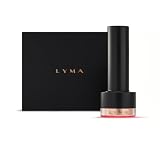
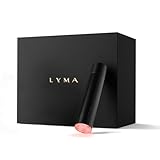

Near-infrared laser for deep-tissue collagen stimulation. The right pick if you have outgrown LED and want the deepest-penetration at-home option. $2,695, the highest-priced pick on this list. The clinical evidence is strong, but the cost-per-use math earns out only for users committed to the 12-week protocol followed by ongoing maintenance.
8. FOREO UFO 3 (Smart Mask Treatment Tool)

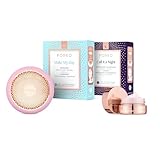

Smart mask treatment device combining LED, thermal, cryo, and T-Sonic pulsations in a portable format. The right pick if you enjoy the device-led mask routine and you want the closing-the-loop technology for the in-shower skincare ritual. $299.
9. Medicube AGE-R Booster Pro (K-Beauty Multi-Modal)


K-beauty multi-modal device with microcurrent, LED, and ultrasound at a mid-price tier. The right pick if you want the K-beauty alternative to NuFace at a comparable $295 price and you trust the Medicube formulation philosophy. The cult favorite of the K-beauty multi-modal device category.
10. Solawave 4-in-1 Wand (Budget Entry Tier)


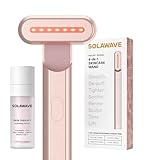
Affordable wand combining red LED, microcurrent, therapeutic warmth, and facial massage. The right pick if you want the multi-modal entry tier without the $400-plus commitment of the premium picks. $169. The honest catch is that the intensity and clinical evidence are below the Omnilux and NuFace tier.
How to Decide Which Device Replaces Which In-Office Treatment for You
Three rules for matching the at-home device to the in-office session you are actually trying to skip.
- If you have been booking in-office LED facials at $150 per session, Omnilux Contour or CurrentBody Series 2 at $395 earns out at session four. The wavelength and protocol genuinely match.
- If you have been booking in-office microcurrent at $200 per session, NuFace Trinity+ at $395 earns out at session two. The amperage range matches the in-office tier at slightly lower intensity.
- If you have been booking basic RF tightening at $400 per session, EvenSkyn Lumo+ at $599 earns out at session two. The clinical-grade RF in the multi-modal device matches the entry in-office tier.
When the Home Tier Is Not the Answer
At-home devices do not replace dermatologist consultations, chemical peels at higher concentrations, microneedling with RF, laser resurfacing, or neuromodulator injections. Active cystic acne, severe rosacea, melasma, and significant photo-damage all warrant a dermatologist visit rather than another device addition.
For pregnancy and breastfeeding, microcurrent and laser devices should be paused per dermatology consensus. LED therapy is generally considered safe. RF devices should also be paused. Check with a doctor before continuing any device during this window.
At Home Skincare Device FAQs
Can at-home skincare devices replace professional treatments?
For specific categories, yes. LED facials at $150, microcurrent sculpting at $200, and basic RF tightening at $300 to $600 all have credible at-home alternatives at $395 to $599. Chemical peels, microneedling with RF, and laser resurfacing still require in-office supervision.
What at-home device is most like a Hydrafacial?
FOREO UFO 3 plus the EvenSkyn Lumo+ ionic cleansing mode is the closest at-home approximation. The Hydrafacial’s specific vacuum-extraction step does not have a true at-home equivalent; the closest alternative is a pore-extraction tool used after a warm-towel prep.
Is the NuFace as good as in-office microcurrent?
At slightly lower intensity, yes. The NuFace Trinity+ uses the same amperage range as in-office microcurrent machines. The result takes slightly longer to show (week three at home versus week one in-office) but the cumulative outcome matches at the week-eight mark.
How much money do at-home devices save?
The cost math depends on the in-office treatment being replaced. NuFace Trinity+ at $395 against $200-per-session in-office microcurrent earns out at session two. Omnilux Contour at $395 against $150-per-session LED earns out at session four. The savings compound across years three through five.
How often should I use at-home skincare devices?
Three to five times per week for the first eight weeks, then twice weekly for maintenance. Daily microcurrent use is safe and produces faster results. LED therapy maxes out at five times per week; more frequent use does not produce additional benefit.
What is the best at-home device for beginners?
ZIIP Halo at $495 with the app-guided programs is the most beginner-friendly because the app walks through specific treatment protocols. NuFace MINI+ at $295 is the budget-friendly alternative for first-time microcurrent users.
Key Takeaways
- At-home skincare devices genuinely replace LED facials, microcurrent sculpting, and basic RF tightening. The device cost typically earns out within two to four in-office sessions.
- NuFace Trinity+, ZIIP Halo, Omnilux Contour, CurrentBody Series 2, and EvenSkyn Lumo+ anchor the 2026 editor consensus across microcurrent, LED, and RF.
- The at-home tier does not replace chemical peels, microneedling with RF, laser resurfacing, or dermatologist consultations. The home tier is maintenance and enhancement, not clinical care.
- Three-to-five-times-per-week use for the first eight weeks is the protocol that produces the in-office-equivalent result. Twice-weekly maintenance after that.
- Active cystic acne, severe rosacea, melasma, and significant photo-damage warrant a dermatologist visit rather than another device addition.
Which At Home Skincare Devices Can Replace a Salon Visit?
At-home skincare devices have crossed a threshold in 2026 where the right combination of LED, microcurrent, and basic RF genuinely replaces the in-office treatment categories the women in editor lineups used to book monthly.
NuFace Trinity+ leads the microcurrent tier. Omnilux Contour leads the LED tier. EvenSkyn Lumo+ leads the multi-modal RF tier. The cost math earns out within two to four in-office sessions. The honest discipline of holding the schedule for the first eight weeks is what makes the savings real, and the in-office appointments that quietly disappear from the calendar are what tells you the home tier actually delivered.
Devices work best alongside a consistent routine, so my skincare products to use at night and these skincare essentials cover the basics to keep in place around your sessions.
Last update on 2026-10-09 / Affiliate links / Images from Amazon Product Advertising API