
The beauty and wellness investments worth the spend are the small set of products and tools you still use a year later. The category includes proven skincare anchors, high-end devices with clinical data, and the wellness tech that genuinely changes a daily behavior.
There is a bathroom-cabinet reckoning in late February where the $200 serum you used twice in January, the $400 device sitting unplugged since March, and the $35 niacinamide bottle that has been the actual workhorse all season suddenly look at each other.
The beauty and wellness category has gotten genuinely better at delivering long-term results in 2026, but the gap between what earns its price and what disappears has also widened. The investments women actually keep using a year later are a specific small list, and the difference between that list and the influencer-haul list is not price.
It is whether the product matches a problem that was actually real, and whether the formulation can deliver on the promise without daily willpower.
Want a clear-eyed companion that helps you decide where the beauty spend is actually worth it?
The Money Mindset Makeover is the honest companion for thinking through which beauty and wellness purchases earn their place in the budget, which ones are paying for packaging, and where the drugstore alternatives genuinely deliver the same result. It lives here.
Recommended Beauty and Wellness Investments at a Glance
Five of the strongest picks across the category, from skincare staples to wellness devices. The numbered listicle further down has the honest version of why each one earns the spend.


Recommended blogs to read:
- Luxury At Home Treatments That Feel Better Than an Appointment
- Premium Self Care Tech for Women Who Want Visible Results
- Luxury Glow Up Tools for Hair Skin and Body
- Expensive Beauty Tools Worth Buying Once
- Luxury Skincare Devices for Firmer Clearer Skin
How to Tell a Real Beauty Investment From a Trend Purchase
Three honest filters separate the products and tools that earn long-term use from the ones that get unboxed, used twice, and live in a drawer. First, does the product match a problem you actually have, not a problem an ad convinced you to worry about.
Second, does the formulation have clinical evidence behind it, or is it leaning on celebrity endorsement and beautiful packaging. Third, does the use require a major daily willpower investment, or does it slip into a routine you already have.
Whowhatwear’s 2026 longevity-skincare frame and Refinery29’s Innovator Awards both converge on this same filter, and the products that pass are a smaller list than the category suggests.
The honest pattern is that the staples that earn their place tend to be either the boring proven skincare actives (vitamin C, retinol, niacinamide, ceramide moisturizer) or the high-end devices with real clinical data behind them (Omnilux LED, NuFace microcurrent, Oura ring sleep tracking).
The category in between (single-function gadgets, trend serums with novel ingredients, $300 boutique creams without published research) is where the cost-to-use ratio breaks down, and where the Sephora returns happen quietly.
The 10 Beauty and Wellness Investments Worth the Spend
Ordered by use case rather than ranking, because the right investment depends on what your current routine is actually missing. Each entry names the problem it solves, the honest tradeoff, and the cheaper alternative if the splurge is not the right move yet.
1. Augustinus Bader The Rich Cream

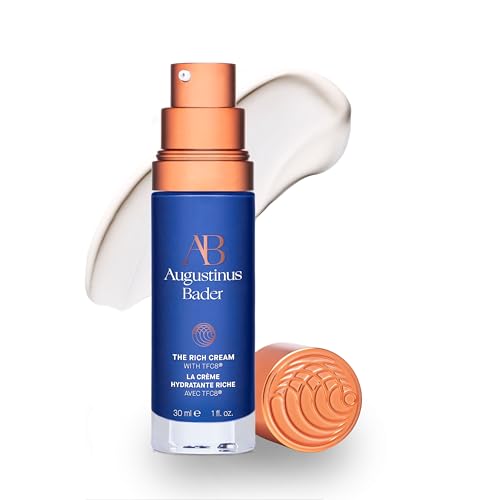
TFC8 technology with the strongest clinical evidence base of any active luxury moisturizer. The right pick if your skin has plateaued on drugstore ceramide creams and you want the barrier repair that drugstore formulations cannot match. $295 for 1.7oz.
The editor-consensus 2026 top pick across Modern Luxury, Coveteur, and Whowhatwear. CeraVe Skin Renewing Night Cream at $19 is the working alternative if the splurge is not yet justified.
2. Oura Ring Gen4

Sleep, recovery, and readiness tracking in a ring form that lives on your finger without negotiation. The right pick if you have been guessing at your sleep quality and want the data that helps you actually fix it. $349 for the ring plus $70 annual subscription.
The wellness wearable that has held the editor-consensus top slot for sleep tracking since 2022. The Apple Watch Ultra 2 is the alternative if you want a screen and richer fitness data.
3. SkinCeuticals C E Ferulic

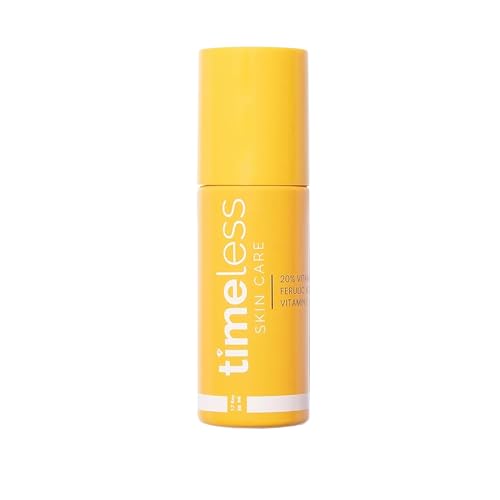
The dermatologist-go-to vitamin C serum, with Duke-validated low-pH formulation and a 20-year track record. The right pick if you have visible hyperpigmentation or sun damage and want the gold-standard L-ascorbic delivery. $185 for 1oz. Drunk Elephant C-Firma Fresh at $80 is the comparable alternative if the SkinCeuticals premium is not yet justified.
4. Theragun Mini

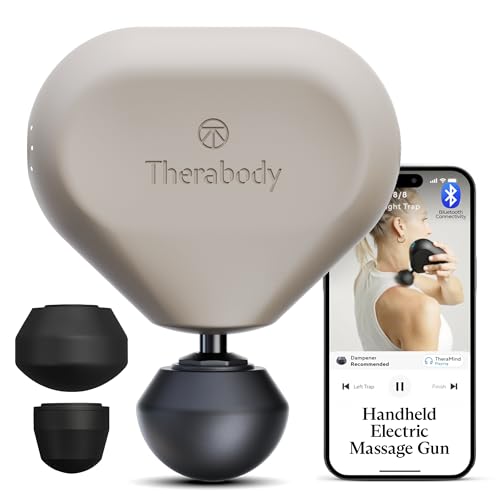
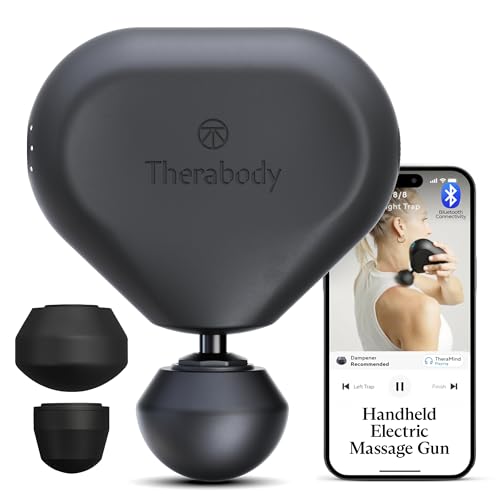
Portable percussion massager for tension release, recovery, and the kind of muscle-knot work that happens at 11pm when you cannot get to a massage. The right pick if you sit at a desk and the shoulder-neck pattern is constant. $199.
The Therabody pick that consistently earns daily use in editor lineups, with the cost-per-use math holding up across three to five years of ownership.
5. NuFace MINI+
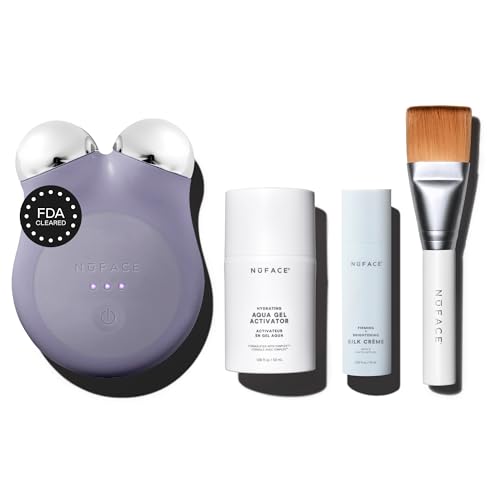
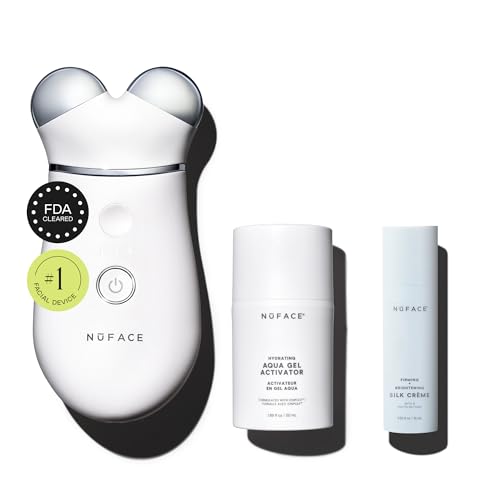
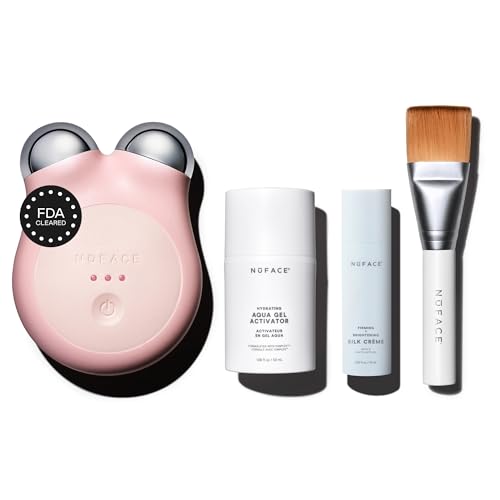
FDA-cleared microcurrent device for facial sculpting and skin tightening. The right pick if you want the at-home alternative to in-office microcurrent facials at $200 per session. $295. The editor-favorite microcurrent pick that earns its place when used three to five times per week for the first eight weeks, then twice weekly for maintenance.
Want a weekly planner that holds the routine you actually committed to?
The Self-Care Planner is the weekly companion that anchors the morning skincare, the wellness device sessions, and the small daily check-ins that turn six weeks of consistent use into the visible result the investment was for. It lives here.
6. Omnilux Contour Face Mask

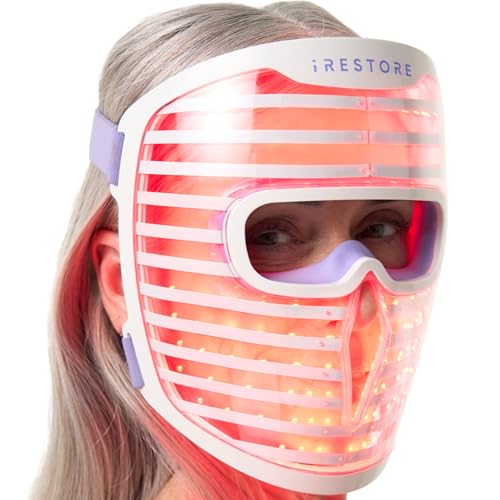
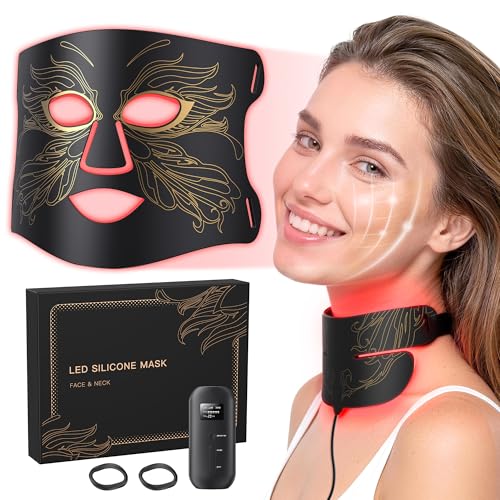
Red LED therapy mask with FDA clearance and clinical evidence for collagen stimulation and fine line softening. The right pick if you want the at-home alternative to in-office LED facials and you are ready for the ten-minute daily session. $395. The editor-consensus red LED pick across The Daily Beast, Toksick, and EvenSkyn 2026 rankings.
7. Dyson Airstrait or Supersonic R
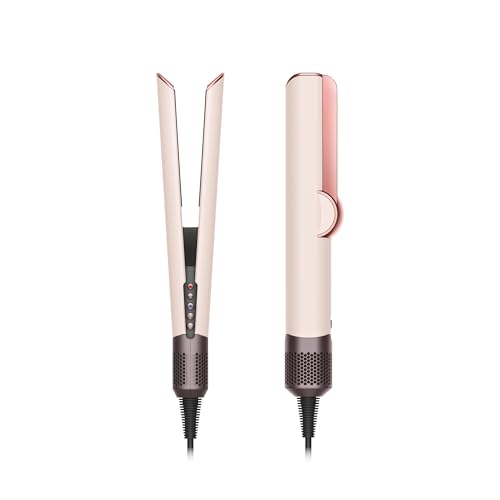
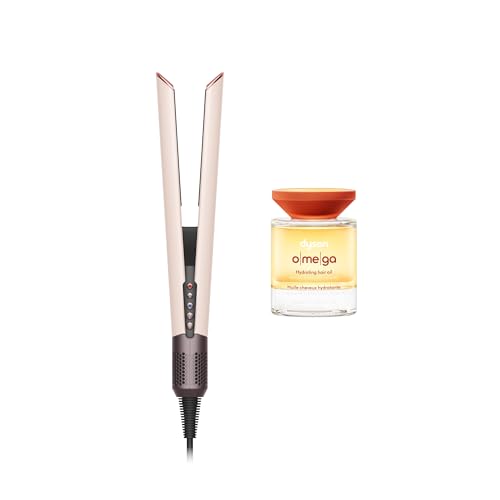
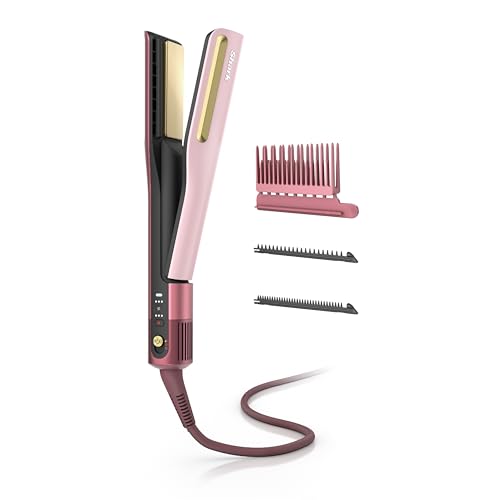
Dyson’s hair tool line earns the splurge because the cost-per-use math holds across five-plus years of ownership without degradation. The right pick if you style your hair daily and want the genuine heat-damage prevention the Dyson technology delivers. $499 to $599 depending on model.
The ghd Platinum+ is the alternative at $249 if the Dyson premium is more than the use justifies.
8. Hatch Restore 2

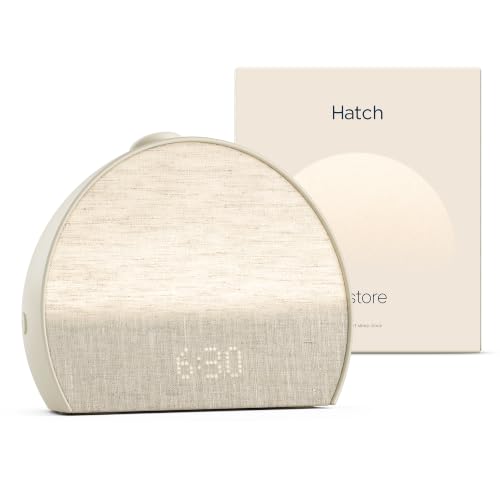
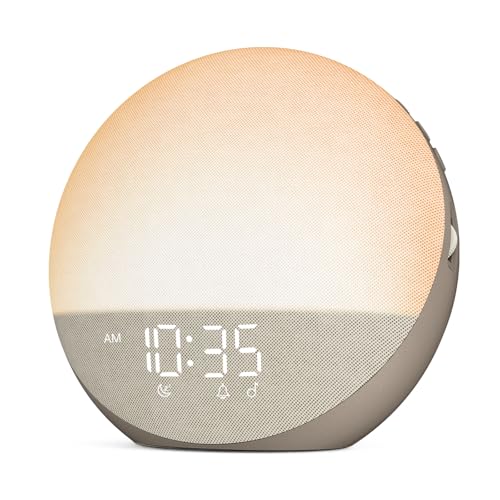
Smart sunrise alarm and sleep light that anchors the circadian rhythm without requiring you to remember anything. The right pick if you have been struggling with morning energy and the alarm-clock-on-phone routine has been making it worse. $199. The wellness tech pick that quietly delivers the highest-ROI behavior change in the category for the lowest entry price.
9. ZIIP Halo 2.0
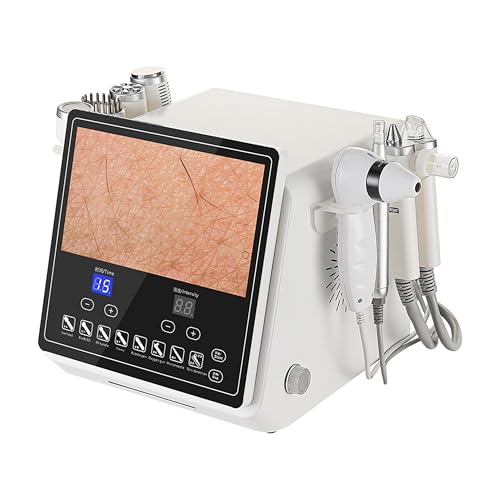
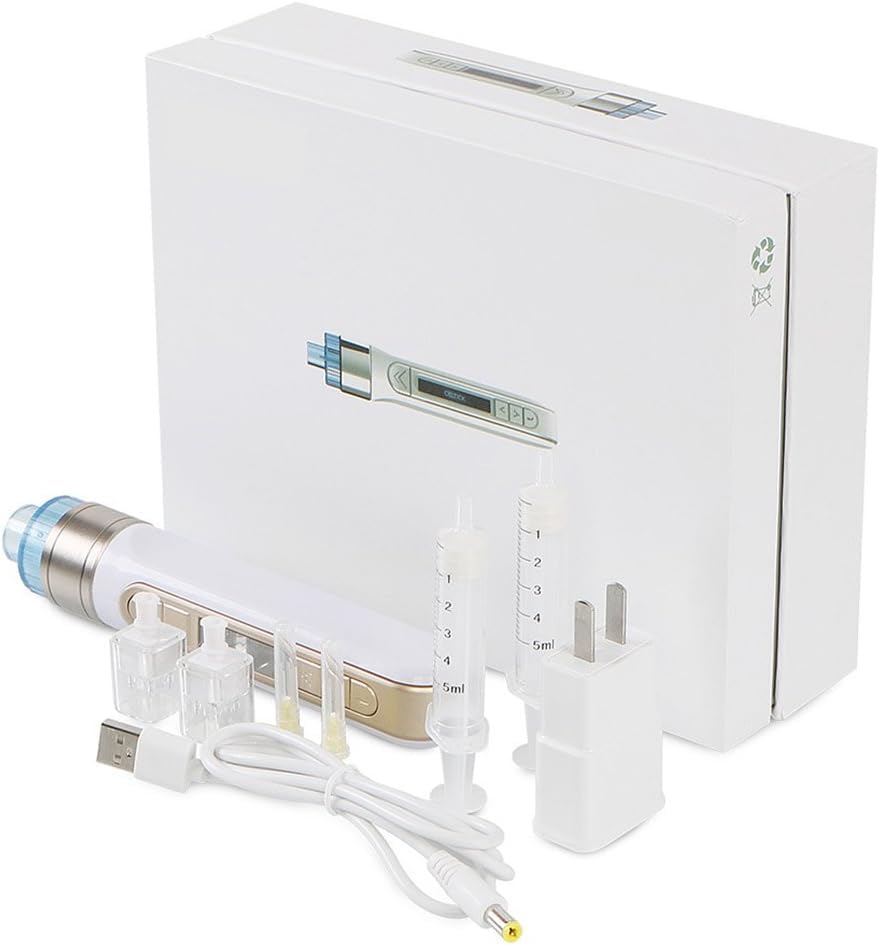
Microcurrent plus nanocurrent skincare device with an app that walks through specific treatment programs. The right pick if you have outgrown NuFace and want the next-tier device with broader programming. $495. The Therabody and Lyma alternatives sit in the same tier; the ZIIP is the pick when the app-guided programming matters.
10. Silk Pillowcase (the Underrated Pick)
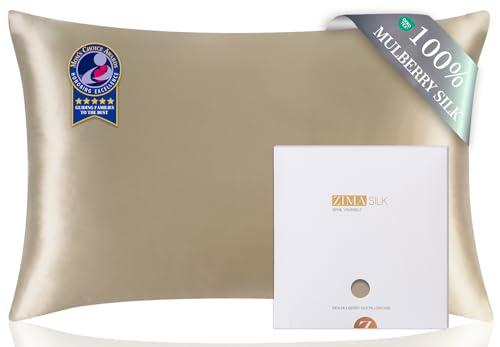

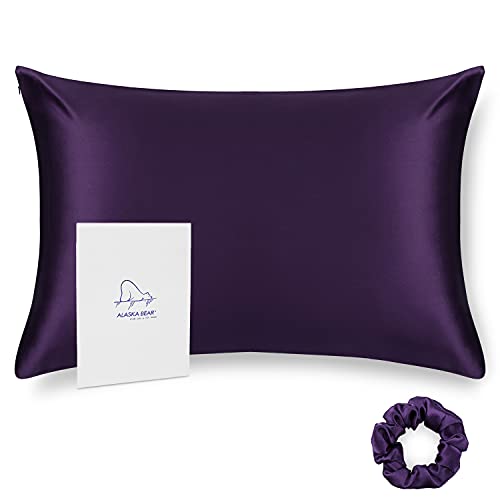
100% mulberry silk pillowcase that reduces friction-based hair breakage and the morning sleep-line problem. The right pick if you want the highest-return beauty investment available for under $80, and you have been skeptical of single-purpose textiles. $40 to $80 depending on size and brand. The boring beauty pick that quietly outperforms most $200 serums for hair and skin combined.
How to Decide Whether Any Single Investment Is Right for You
Four honest questions that separate the purchases that earn their place from the ones that disappear.
- Have you used the cheaper alternative consistently for at least six months and hit a real plateau? If no, start with the cheaper version. The plateau is what justifies the upgrade.
- Does the product or device have clinical evidence behind it, or only celebrity endorsement and beautiful packaging? Real data is what separates a luxury splurge that earns its price from a trend purchase that does not.
- Will the use slip into a routine you already have, or does it require a major daily willpower investment? The investments that earn long-term use are the ones that fit into the routine without negotiation.
- Does the cost-per-use math hold across two to three years of ownership? A $400 device used five years is $80 per year. A $400 device used twice is $200 per use.
When the Splurge Is Not the Answer
Active cystic acne, severe rosacea, persistent hormonal breakouts, and significant photo-damage all warrant a dermatologist visit rather than another luxury moisturizer or device. Prescription tretinoin at $25 to $40 outperforms every OTC product for anti-aging. The clinical tier of wellness (a sleep study, a metabolism panel, a dermatologist consult) consistently outperforms the device tier for the underlying issue.
For pregnancy and breastfeeding, niacinamide and ceramide-based skincare are explicitly safe per ACOG. Retinol, tretinoin, salicylic at high concentrations, and benzoyl peroxide should be paused. Azelaic acid is the dermatology-recommended brightening active for the window.
Frequently Asked Questions
What are the best beauty investments to make in 2026?
The investments that earn long-term use are the proven skincare anchors (SkinCeuticals C E Ferulic, Augustinus Bader Rich Cream, niacinamide) plus the devices with real clinical data (Omnilux LED, NuFace microcurrent, Oura ring). The category in between is where the spending tends to disappear.
Is it worth buying expensive skincare?
In specific situations, yes. If you have plateaued on consistent drugstore use, the next tier (Augustinus Bader, SkinCeuticals, La Mer) delivers results drugstore formulations cannot match. If you have not yet hit that plateau, the drugstore tier is genuinely still enough.
What wellness purchases give long-term results?
Sleep tracking (Oura, Whoop), sunrise alarms (Hatch Restore), percussion massagers (Theragun), and red light therapy panels deliver the longest-lasting behavior changes. The wearables specifically earn the subscription cost when the data actually shifts a habit.
How much should I spend on skincare?
The honest answer ranges from $50 monthly (drugstore tier with proven actives) to $300 monthly (luxury tier with TFC8 or comparable technology). The spend that matters is the consistency, not the total. A $30 niacinamide used daily beats a $200 serum used twice.
What beauty investments do dermatologists recommend?
Daily SPF (every dermatologist’s first recommendation), retinoid (prescription tretinoin or OTC adapalene), vitamin C serum, ceramide-based moisturizer, and professional in-office treatments as supplements. The consensus list is shorter than the luxury aisle suggests.
What wellness device is worth the money for sleep?
Oura Ring Gen4 for the tracking, Hatch Restore for the sunrise alarm and wind-down light, and a chiliPad or 8Sleep cover for the temperature regulation. The combination delivers the largest single behavior shift in the wellness category for most adults.
Key Takeaways
- The beauty and wellness investments worth the spend are the small set of products and tools you actually use a year later. The difference from the influencer-haul list is not price; it is consistency.
- Augustinus Bader Rich Cream, SkinCeuticals C E Ferulic, and ceramide moisturizers anchor the skincare tier. Oura Ring, Omnilux LED, NuFace, and Theragun anchor the device tier.
- Three honest filters separate real investments from trend purchases: does it solve a real problem, does it have clinical evidence, and does the use slip into a routine without willpower.
- A silk pillowcase at $40 to $80 quietly outperforms most $200 serums for hair and skin combined. The highest-return beauty investment in the category is also the most underrated.
- Active cystic acne, severe rosacea, and persistent hormonal breakouts warrant a dermatologist visit rather than another luxury product or device.
Final Thoughts
The beauty and wellness investments that earn their place are the products and devices that match a real problem, have clinical evidence behind them, and slip into a routine without requiring daily willpower.
The list is shorter than the Sephora aisle suggests, and the cost-per-use math is what separates the splurges that pay off from the ones that quietly become Sephora returns.
Pick the one or two that match the problems you actually have, hold the consistency for six weeks, and the visible result is what tells you whether the spend was the right call.
Last update on 2026-08-15 / Affiliate links / Images from Amazon Product Advertising API