
A no shop reset is a short, category-specific behavior reset where you stop buying within a defined set of categories (clothing, beauty, decor) for two to four weeks. Unlike a no-buy month, it targets impulse-shopping channels rather than all discretionary spending, which is why it tends to actually stick.
A no shop reset is the small structured break from impulse buying that sits in the useful middle ground between a strict no-buy month (which collapses by day eleven for most people) and a year-long low-buy commitment (which is too much to ask if you have never tried any version of this before). Two to four weeks, four specific banned categories, one daily check-in, and the chance to watch the urge to shop rise and fall in your own body without converting it into a transaction.
This post is the working version of the reset, drawing on the 2026 deinfluencing wave that has Gen Z shoppers measurably pulling back from TikTok Shop, plus the behavioural-economics research on temptation cycles that explains why short structured breaks tend to outperform long restrictive ones. You will get the day-by-day plan, the four categories that account for roughly ninety percent of impulse spending for most adults, and the common mistakes that quietly tank a reset by day four.
By the end of two weeks you will usually have saved a few hundred dollars, identified one or two categories that should stay closed permanently, and developed a quieter relationship with the Tuesday-evening Amazon scroll that most of us pretend we do not have.
Want a planner that holds the spending data this reset will surface?
The Ultimate Budget Planner is the longer-form companion that tracks where the money actually went last month and where it is going this one, the kind of structure that turns a two-week reset into a permanent shift. It lives here.
Recommended Tools for a No Shop Reset
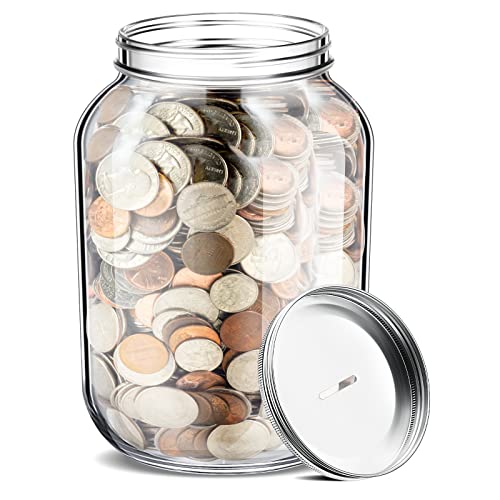
The reset itself is free. These five small anchors lower the friction of staying with it past the third day, which is the day the brain stages its biggest rebellion.




Recommended blogs to read:
- How to Do a No Spend Month Without Feeling Miserable
- How to Start a Low Buy Challenge That Feels Sustainable
- The Budget Reset That Helps You Feel in Control Again
- A Weekly Money Reset for Calmer Financial Self Care
- How to Set Money Boundaries Without Guilt
How a No Shop Reset Differs From a No-Buy Month
A no-buy month bans all non-essential spending, which is the kind of all-or-nothing rule that sounds disciplined and quietly breaks by day eleven. A low-buy year is a year-long lifestyle shift, which works for some people and is too much commitment for others.
A no shop reset sits in between, deliberately. Two to four weeks. Specific banned categories, usually the three or four that account for ninety percent of your impulse spending. Everything else stays normal, which means you can still go to dinner with a friend and buy your kid the school supplies and replace the moisturizer that actually ran out.
The point is behavioral, not punitive. You are training your nervous system to let an urge rise and pass without converting it into a transaction. The two-week window is long enough to feel the loop and short enough that the brain does not stage a full rebellion the way it does on day twenty-three of a no-buy month.
The Two-Week No Shop Reset (the Actual Plan)
Two weeks. Four banned categories. One daily check-in. That is the whole structure. The version below is the one that actually holds, tested against Gen Z 2026 deinfluencing data, eMarketer’s pull-back from TikTok Shop, and several years of personal-finance writing on what makes spending resets stick.
Day 1, write the four banned categories
The four categories are the ones that account for ninety percent of your impulse spending. For most adults this is clothing, beauty, home decor, and small Amazon purchases. Look at your bank statement from last month and the answer is usually obvious. Write the four on a sticky note. Put it where you can see it.
Days 2 to 4, the hardest stretch
The first three days are when the urge is loudest, which is the exact nervous system pattern Tim Pychyl describes for any behavior reset. Unsubscribe from one promotional email each time an urge rises. Move the shopping apps off your home screen. Notice the feeling underneath the urge, it is rarely about the thing you want to buy.
Days 5 to 10, the settling
Around day five, something quiet happens. The urge does not disappear, it just gets less interesting. You scroll past the fashion ad without the small lurch you used to feel. The twenty-three minute Amazon binge becomes a six-minute look that ends without checkout.
Write down anything you almost bought that you would have regretted. The list is usually long and instructive.
Days 11 to 14, the recalibration
The last four days are about what comes after. Write down which one or two of the four categories should stay banned past the reset, and which should come back with a new rule (a 24-hour wait, a monthly cap, a one-in-one-out swap).
The no shop reset is most useful when it produces a slightly stricter permanent rule, not when it ends and the old habits return.
Want to actually save the money the reset frees up?
The Savings Trackers Planner is the companion for the second half of this work, the planner that gives the freed money somewhere intentional to go rather than letting it absorb back into the regular spending. It lives here.
The Mistakes That Make a No Shop Reset Quietly Fail
Four reliable ways to derail this in the first week. If your last reset fell apart, it is probably because of one of these.
- Banning too many categories. Four is the working number. Seven is a no-buy month wearing a different costume, which means it will fail for the same reasons.
- Telling no one. The reset works better when one friend knows you are doing it. Not as accountability, but as someone you can text when the urge is loudest.
- Leaving the shopping apps on your home screen. The friction is the point. Move them, or delete them for the two weeks.
- Forgetting to recalibrate at the end. The reset is half the work. The new rule is the other half, and most people quit before they write it down.
When a No Shop Reset Is Not Enough
If your spending is rooted in a deeper pattern (shopping as emotion regulation during a hard time, compulsive buying that feels out of your control, debt that has reached the point of real anxiety), a two-week behavioral reset will surface the issue but cannot resolve it.
A licensed financial therapist or a nonprofit credit counseling service (the NFCC has free intake) is the right next move.
The reset is also not a replacement for actually building a budget, paying down debt, or setting up a savings system. It is the breath between the old pattern and the new one.
The structural work comes after, and the people who get the most out of the reset are the ones who use the freed energy and money to start that structural work.
Frequently Asked Questions
What is a no shop reset?
A short, category-specific behavior reset where you stop buying within a defined set of categories (typically clothing, beauty, decor, small Amazon purchases) for two to four weeks. Unlike a no-buy month, it targets impulse channels rather than all spending.
How is a no shop reset different from a no-buy month?
A no-buy month bans all non-essential spending, which is the kind of all-or-nothing rule that tends to break by day eleven. A no shop reset is shorter (two to four weeks), more surgical (four categories), and built around behavioral recalibration rather than full restriction.
How long should a no shop reset last?
Two weeks for the standard version, four for the deeper one. Two weeks is long enough to feel the urge loop and short enough that the nervous system does not stage a full rebellion.
What categories should I ban in a no shop reset?
The four that account for ninety percent of your impulse spending. For most adults this is clothing, beauty, home decor, and small Amazon purchases. Look at last month’s bank statement and the answer is usually obvious.
Will a no shop reset save me money?
The average two-week reset saves around two hundred to six hundred dollars depending on baseline spending. The bigger benefit is behavioral, the recalibration usually leads to a stricter permanent rule that compounds across the year.
How do I make a no shop reset stick after the two weeks?
Recalibrate on days eleven to fourteen. Write down which one or two categories should stay banned, and which should come back with a new rule (24-hour wait, monthly cap, one-in-one-out). The reset is most useful when it produces a slightly stricter permanent rule, not when it ends cleanly.
Key Takeaways
- A no shop reset is two to four weeks of banning four specific impulse-spending categories, not a full no-buy.
- The four categories for most adults are clothing, beauty, home decor, and small Amazon purchases. Look at last month’s statement for confirmation.
- Days two to four are the hardest. Days five to ten are when the urge gets less interesting. Days eleven to fourteen are for writing the permanent rule.
- The reset frees an average two hundred to six hundred dollars across two weeks, but the bigger benefit is behavioral recalibration that compounds.
- If spending is rooted in a deeper pattern (compulsive buying, real debt anxiety, emotion regulation during crisis), the reset will surface it but cannot resolve it. A financial therapist or the NFCC is the right next move.
Final Thoughts
A no shop reset done well is two weeks, four banned categories, one daily check-in, and a new rule written on day fourteen. The Tuesday-evening Amazon scroll quiets down. The fashion brand promo emails get unsubscribed.
The money that used to disappear into impulses goes somewhere intentional. The reset is the breath between the old pattern and the new one, and the new pattern is the part that actually lasts.
Last update on 2026-08-15 / Affiliate links / Images from Amazon Product Advertising API