

The beginner bullet journal that survives past month two starts with the absolute minimum: a simple key, a future log, a monthly log, and a weekly spread. Leuchtturm1917 dotted notebook plus Pilot G2 pens covers the entry tier for under $40.
Quick answer: The best bullet journal ideas for beginners are the minimum setup: a Leuchtturm1917 dotted notebook, Pilot G2 pens, a simple key, a future log, a monthly log, and a weekly spread you review on Sunday evenings.
The Pinterest-aesthetic bullet journal abandoned in the third drawer was started in January with elaborate hand-lettered headers, watercolor mood trackers, and seven different washi tapes, and it was quietly defeated by week three when the daily setup took longer than the daily tasks.
The bullet journal that survives past month two starts with the absolute minimum. A simple key (dot for tasks, dash for notes, arrow for migration). A future log covering six to 12 months. A monthly log for the current month. A weekly spread that breaks the month into days.
That is the entry tier. The Ryder Carroll original methodology and the Oopsadaisy + Diary of a Journal Planner simple-bullet-journal guides all converge on the same minimum-viable system: start small, add only what proves itself after 30 days, and let the journal stay practical rather than performative.
Recommended Bullet Journal Supplies at a Glance
Five of the strongest minimum-viable supplies for the beginner setup. The numbered listicle further down has the full lineup with the specific role each one plays.


Recommended blogs to read:
- Self Discovery Journal Prompts to Actually Know Yourself
- How to Change Yourself for the Better in Real Life
- A Year End Reflection That Sets Up the Next Year Honestly
- Self Care Tips That Actually Change How You Feel
- Micro Habits That Add Up to Real Change
- bullet journal ideas for pages you will actually use
Why the Minimum-Viable Bullet Journal Outperforms the Pinterest Version
Bullet journals tend to fail for the same reason most productivity systems fail: the setup overhead becomes larger than the practical value. The Pinterest-aesthetic version that requires 30 minutes of hand-lettering and color-coding per weekly spread produces beautiful pages and then a quiet abandonment by week three.
The Ryder Carroll original methodology was specifically designed to avoid this trap. The Bullet Journal Method book the system is built around emphasizes function over form, with the explicit rule that anything beyond the basics (key, index, future log, monthly log, weekly or daily spread) gets added only after the basics have proven themselves across a month.
The Oopsadaisy ten-spread guide, Diary of a Journal Planner simple-bullet-journal walkthrough, and the MasterClass beginner tutorial all reinforce the same approach. Start with a Leuchtturm1917 dotted notebook ($24) or a Muji A5 notebook ($8 for the budget version). Use Pilot G2 pens or any pen you already have.
Add washi tape and stencils only after the basic system has run for 30 days without abandonment. The minimum-viable system is the one that actually survives into month two, three, and beyond.
The 10 Bullet Journal Supplies and Layouts for the Minimum-Viable Setup
Ordered by setup priority. The first five items are the essential supply kit. The remaining five are the optional additions that earn their place after the basic system runs for 30 days.
1. Leuchtturm1917 Dotted Notebook (the Standard)


The canonical bullet journal notebook. 249 dotted pages, numbered pages, two ribbon bookmarks, and the page weight that holds up to fountain pens and brush pens. The right pick at $24 for the entry tier of the minimum-viable setup. The standard that the Ryder Carroll method specifically recommends.
2. Muji Notebook (the Budget Alternative)


Simple A5 notebook with quality paper at a dramatic price discount. The right pick at $8 for users who want to try the minimum-viable system before committing to the Leuchtturm. The Muji aesthetic also pairs cleanly with the minimalist version of the practice.
3. Pilot G2 Pens


Gel ink pens in fine point (0.5mm or 0.7mm) for the daily writing. The right pick at $10 for a set of 10 that lasts roughly six months. The boring proven pen that bullet journal community members consistently return to after experimenting with the fancier options.
4. Tombow Dual Brush Pens (Headers Only)


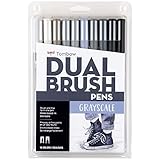
Brush pens for monthly and weekly spread headers, added only after the basic system has run for 30 days. The right pick at $35 for a 10-color set that handles the limited hand-lettering work without becoming the elaborate Pinterest version.
5. Washi Tape Decorative Set


Decorative tape for occasional visual interest, added after the basic system proves itself. The right pick at $15 for a 10-roll set that lasts roughly a year. Use sparingly; the maximalist washi-tape spreads are the predictable abandonment trigger.
6. The Key (Setup First Page)
A simple key on the first page: dot for tasks, dash for notes, arrow for migrated tasks, circle for events, X for completed. The original Ryder Carroll system. Add color codes only after the basic key has run for 30 days (blue for work, pink for personal, green for health).
7. The Future Log (6-to-12-Month View)
Two-page spread covering the next six to 12 months in a column-per-month format. The future log captures events, deadlines, and intentions that fall outside the current month. The Bird’s-eye view that the practice specifically needs to avoid the calendar-fragmentation problem standalone planners produce.
8. The Monthly Log (Calendar Plus Goals)
Two-page spread for each new month. Left page is a calendar grid or vertical date list. Right page is the month’s goals, recurring tasks, and intentions. Setup takes 15 minutes at the start of each month and anchors the rest of the monthly bullet journal work.
9. The Weekly Spread (Tasks Broken Into Days)


Two-page spread for each week. Vertical column layout with one column per day is the editor-favorite format for beginners. Tasks migrate from the monthly log into specific days. The weekly review on Sunday evening is the practice that anchors the entire system.
10. Bullet Journal Method Book by Ryder Carroll

![[By Ryder Carroll] The Bullet Journal Method: Track the Past, Order the Present, Design the Future...](https://m.media-amazon.com/images/I/51u-mrU+o-L._SL160_.jpg)

The canonical book by the bullet journal inventor. The right pick at $20 for users who want the deeper framework behind the minimum-viable system. The book explicitly emphasizes function over form, which is the single most underrated shift in beginner bullet journaling.
How to Set Up the Beginner Bullet Journal Without Abandoning It by Week Three
Three rules that separate the bullet journals that survive past month two from the ones that get abandoned in the third drawer.
- Start with the absolute minimum (key, future log, monthly log, weekly spread). Add washi tape, stencils, color codes, mood trackers, and hand-lettered headers only after the basic system has run for 30 days without abandonment. The maximalist setup is the predictable failure pattern.
- Limit the weekly setup to 10 minutes maximum. If the weekly spread takes 30 minutes to set up, the journal becomes a craft project rather than a productivity tool, and the practice collapses within the month. Speed and function over aesthetic and form.
- Anchor the weekly review to Sunday evening at a specific time. The 20-minute review that migrates the next week’s tasks, sets the weekly intentions, and closes the prior week is what makes the system self-reinforcing across months.
When the Bullet Journal Is Not the Answer
If the bullet journal repeatedly gets started and abandoned across years, the issue may be that the system itself does not match your actual planning style. ADHD-pattern minds often respond better to digital task systems (Todoist, Things) that handle the task migration automatically.
Visual-spatial planners often do better with the wall-calendar plus single weekly-page hybrid. The bullet journal is genuinely valuable; it is not the only productivity system worth running.
For the user who genuinely wants the bullet journal practice to hold but keeps abandoning it, the fix is usually the minimum-viable system run with no decorative additions for the first 60 days. The Pinterest-aesthetic abandonment trap is real, and the boring proven setup is what survives.
Bullet Journal for Beginners FAQs
How do I start a bullet journal?
Buy a Leuchtturm1917 dotted notebook and a Pilot G2 pen. Set up a key on the first page. Add a future log on the next two pages. Add a monthly log for the current month. Add the first weekly spread. Total setup time, 30 minutes. The minimum-viable system.
What do I need for a bullet journal?
A dotted notebook (Leuchtturm1917 or Muji) and a pen (Pilot G2 or any pen you already have). That is the entry tier. Washi tape, stencils, brush pens, and stickers earn their place only after the basic system runs for 30 days.
What should be in a beginner bullet journal?
Key, future log, monthly log, weekly spread, index. That is the original Ryder Carroll system and the canonical beginner setup. Habit trackers, mood logs, gratitude pages, year-in-pixels are optional additions that earn their place after the basics.
Can you do a bullet journal in any notebook?
Yes. The Ryder Carroll method works in any notebook with reasonable paper quality. Leuchtturm1917 and Muji are editor favorites because the page weight and the dotted-grid format support the layouts cleanly. A regular lined notebook works for the minimum-viable version.
How long does it take to set up a bullet journal weekly?
Ten minutes maximum for the minimum-viable weekly spread. If your weekly setup takes 30 minutes, the journal has become a craft project rather than a productivity tool, and the practice will collapse within the month. Speed matters.
Why does my bullet journal always get abandoned?
Two main reasons. The setup overhead became larger than the practical value (Pinterest-aesthetic trap). Or the system does not match your actual planning style (the bullet journal is not the only productivity system worth running). The minimum-viable setup addresses the first; digital tools address the second.
Key Takeaways
- The bullet journal that survives past month two starts with the absolute minimum: key, future log, monthly log, weekly spread. Add decorative elements only after the basic system runs for 30 days.
- Leuchtturm1917 dotted notebook at $24 plus Pilot G2 pens at $10 covers the entry tier for under $40. Muji notebook at $8 is the budget alternative that proves the system before committing to the Leuchtturm.
- Limit weekly setup to 10 minutes maximum. If the spread takes 30 minutes, the journal has become a craft project rather than a productivity tool.
- Anchor the weekly review to Sunday evening at a specific time. The 20-minute review that migrates the next week’s tasks is what makes the system self-reinforcing across months.
- If the bullet journal repeatedly gets abandoned, the system may not match your actual planning style. ADHD-pattern minds often do better with digital task systems that handle task migration automatically.
How Should a Beginner Bullet Journal Start Out?
The bullet journal category gets clearer when you stop trying to recreate the Pinterest-aesthetic version and start running the minimum-viable system Ryder Carroll actually designed. Leuchtturm1917 dotted notebook. Pilot G2 pens. A simple key.
Future log, monthly log, weekly spread. Sunday-evening review at a specific time. The decorative additions earn their place after 30 days; the basics earn their place in the first week.
Pick the minimum-viable setup, hold the weekly review rhythm, and the bullet journal that survives past month two is the one that quietly becomes the year-long practice the elaborate version always promised but never delivered.
Once the weekly spread feels steady, these goal-setting journal prompts give your future log something real to hold, and a beginner skincare routine order makes an easy first habit to track on the monthly page.
Last update on 2026-10-07 / Affiliate links / Images from Amazon Product Advertising API