

A January reset routine works when it respects the post-holiday cortisol curve, which Rutgers Brain Health Institute research shows peaks seven to ten days into routine restoration, not during the holidays themselves. The right reset is graduated across four weeks, not a January 1st overhaul.
Quick answer: A January reset routine works best as a four-week graduated plan that follows the post-holiday cortisol curve: sleep and morning light in week one, nutrition and hydration in week two, movement and time outdoors in week three, reflection in week four.
January 4th is the day you usually feel worst, which is counterintuitive because the chaos technically ended on the 31st and you have been sleeping in your own bed for almost a week. The exhaustion shows up later than the cause, and every January the same confusion repeats.
Your body was holding it together during the actual stretch of late nights and sugar and family conversations. The crash arrives once it is safe to crash, which usually lands seven to ten days into the return to normal routine. Trying to overhaul your life on January 1st is the worst possible time to attempt it, because the part of you that needs to do the work is still running on adrenaline that has not yet caught up to itself.
Recommended Tools for the January Reset
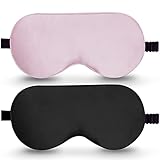
Five small anchors that genuinely help during the recovery window. The graduated protocol does the work, these make the small daily moves easier to keep going.


Recommended blogs to read:
- How to Do an Energy Reset After the Holiday Chaos
- How to Romanticize the New Year and Make January Feel Magical
- New Year Self Care Ideas for a Softer Fresh Start
- Winter Self Care Ideas That Make the Season Feel Softer
- Reset Ideas for When You Need a Real Life Fresh Start
Why January Feels Worse Than December (the Cortisol Curve)
Rutgers Brain Health Institute’s 2026 post-holiday brain reset toolkit names the lag explicitly. Cortisol levels from December disruption tend to peak seven to ten days into the return to normal routine. The body had been running on the stress hormone during the actual chaos, which is partly what kept you upright.
The crash arrives once the immediate demand drops and the system catches up to itself.
Integris Health’s piece on post-holiday blues adds the behavioural layer. Sleep disruption, sugar overload, alcohol, and disrupted routines all compound, and the compounding shows up as cognitive fatigue, mood fluctuations, and the strange physical heaviness that makes January 4th feel harder than December 24th. None of this is a character flaw. It is a measurable physiological response.
The 2026 graduated reset content has converged on the same conclusion. Trying to overhaul your life during the cortisol peak is the worst possible time to attempt it. The right reset matches your interventions to the recovery curve, which means gentleness in week one and structural changes in weeks three and four.
Week 1, Sleep and Morning Light
The first week of the reset is purely about restoring circadian rhythm. Sleep regulation is the highest-return single intervention during the cortisol-peak window, and trying to add nutrition or movement before sleep is regulated produces poor adherence on all three.
- Consistent sleep and wake times, even on weekends. Aim for the same window every day, ideally 7 to 9 hours.
- Morning natural light within thirty minutes of waking. Ten to fifteen minutes outside, even cloudy, resets melatonin production for the night ahead.
- Phone out of the bedroom or in a drawer. The notification spike kills sleep latency.
- Caffeine before noon only. The cortisol-caffeine interaction is the part that keeps the late-evening wired-tired loop running.
Week 2, Nutrition and Hydration
Once sleep is stabilising, week two layers in the food and fluid work. Holiday eating tends to leave the digestive system overloaded and the hydration deeply depleted, and both of those interact with the cortisol recovery.
- Protein-first breakfast, every day. Cortisol stabilisation benefits from protein within the first hour of waking.
- Water before coffee. Adults tend to wake mildly dehydrated, and rehydrating before caffeine reduces the subsequent crash.
- Reduce alcohol significantly. Sleep quality, cortisol regulation, and mood all respond measurably within the first ten days of reduction.
- Add magnesium, ideally glycinate at bedtime. Magnesium supports both sleep depth and nervous system regulation, both depleted by holiday season.
Week 3, Movement and Outdoors
Week three is when energy returns enough for movement to feel useful rather than punishing. Trying to add intensive exercise during week one is what produces the January gym abandonment cycle. Week three is when the cortisol has settled enough for the body to respond well to movement.
- Daily walking, ideally outdoors, 20 to 30 minutes. Walking during the recovery window does more for mood than any intense workout.
- Two to three strength sessions, light to moderate. The consistency matters more than the intensity at this stage.
- Yoga or pilates once a week. Nervous-system regulation responds particularly well to slow practices during recovery.
- Outdoor time on weekends. The cumulative effect of light, cold air, and movement compounds across the week.
Week 4, Reflection and Looking Ahead
By week four, the cortisol curve has settled and the body is in active recovery rather than crash response. This is the right window for reflection and goal-setting, and doing it now rather than on January 1st produces significantly better follow-through across the year.
Reflection should come before goal-setting. What worked in the previous year. What drained you. What you want to keep doing. What you want to leave behind. The week four version of this conversation lands differently than the week one version because your nervous system has caught up to itself.
Goals set in week four tend to fit your real life. Goals set in week one tend to fit the marketing version of your life that everyone is performing on social media. The graduated timing is what produces the difference.
The Mistakes That Make January Resets Quietly Fail
Four reliable ways to start a January reset and have it evaporate by the 12th.
- Starting on January 1st with the full overhaul. Your cortisol curve has not even peaked yet. The collapse is physiologically predictable.
- Treating motivation as the resource that will get you through. Motivation is the prefrontal cortex working hard during a window when it has the least support.
- Setting goals before the cortisol curve has settled. Goals set during the peak tend to be punishingly ambitious and physiologically unrealistic.
- Quitting in week two because the energy has not returned. Week two is when the energy is at its lowest. The recovery shows up in week three and four.
When the January Reset Is Not Enough
Seasonal affective disorder, persistent low mood beyond the expected post-holiday window, and chronic exhaustion that does not respond to the graduated reset all warrant a doctor visit. The 4-week protocol works for ordinary post-holiday recovery. It is not treatment for clinical depression, hypothyroidism, anemia, or burnout that has been building for months.
If you finish the 4-week protocol and still feel as bad as you did on January 4th, the issue was probably never the holidays. The right next step is a primary care visit, ideally with bloodwork, and a conversation with a therapist if mood is the predominant symptom. Both can happen alongside the reset rather than instead of it.
January Reset Routine FAQs
How do I reset after the holidays?
Run the graduated 4-week protocol. Week one is sleep and morning light. Week two adds nutrition and hydration. Week three brings back movement. Week four is reflection and goal-setting. The timing respects the cortisol curve.
Why am I so tired in January?
Cortisol from holiday disruption peaks seven to ten days into the return to normal routine, not during the holidays themselves. Your body holds together during the chaos and crashes once it is safe to. Rutgers Brain Health Institute’s research names this curve.
What is the post-holiday slump?
The physiological recovery response to weeks of sleep disruption, sugar and alcohol overload, social demand, and routine collapse. It tends to peak in early to mid January and resolve by week four if you support the recovery rather than push through it.
How long does it take to recover from the holidays?
Four weeks for the cortisol curve to fully settle in average healthy adults. Less if the holidays were calm. Longer if they were particularly stressful or if you have a chronic condition that interacts with stress.
Should I set goals in January?
Yes, but in week four, not week one. Goals set during the cortisol peak tend to be punishingly ambitious. Goals set after the recovery has settled tend to fit your real life and produce better year-long follow-through.
Is the January slump the same as seasonal affective disorder?
No. The January slump is a temporary physiological recovery response that resolves within four weeks. Seasonal affective disorder is a clinical condition that persists across the winter months and benefits from professional treatment, light therapy, and sometimes medication.
Key Takeaways
- A January reset routine works when it respects the cortisol curve. Rutgers research shows the peak hits seven to ten days into the return to routine, not during the holidays.
- The 4-week graduated protocol is week one sleep and light, week two nutrition and hydration, week three movement and outdoors, week four reflection and goals.
- Starting on January 1st with a full overhaul is the most predictable way to collapse the reset. The cortisol curve has not peaked yet.
- Set goals in week four, not week one. Goals during the peak tend to be punishingly ambitious. Goals after the recovery tend to fit your real life.
- Persistent symptoms beyond four weeks warrant a doctor visit. Seasonal affective disorder, hypothyroidism, anemia, and clinical depression all benefit from professional support that the reset alone does not provide.
How Do You Keep a January Reset Routine Going Into February?
A January reset routine done well is the 4-week graduated protocol that matches each week to where the cortisol curve actually is. Week one sleep, week two nutrition, week three movement, week four reflection.
The January 1st overhaul is the wrong move at the wrong moment. The graduated version is the one that holds, and the calmer version of February shows up as the quiet result.
Week four’s momentum lasts longer with my Sunday reset routine to start each new week calmer, and these 30 day reset challenge ideas give February a gentle focus of its own.
Last update on 2026-10-08 / Affiliate links / Images from Amazon Product Advertising API