
Journaling prompts for clarity right now are short questions designed for the messy moments, the 9 PM ‘what is wrong with me’ spiral, the Sunday-night anxiety, the decision you cannot make. James Pennebaker’s UT Austin research found that 15 minutes of writing on 4 consecutive days produces measurable effects, including 50% fewer doctor visits over the next 6 months.
The 15 prompts below work for the real-life moments most journals do not address.
It is 9:47 PM, the kitchen lamp is the only light on, the tea has gone slightly cool, and your brain is doing the thing where it lays out every loose thread of the week at once.
James Pennebaker’s UT Austin research found 15 minutes of writing over four days led to 50% fewer doctor visits in the next six months. The 15 prompts coming up are built for the exact 9 PM moment above, the kind of messy clarity-seeking most prompt lists do not actually address.
Want a year-long journaling companion to keep the practice consistent?
The Self-Care & Wellness Planner gives the journaling practice a structured home alongside the rest of your wellness work. It lives here.
Recommended Tools for the Journaling Practice
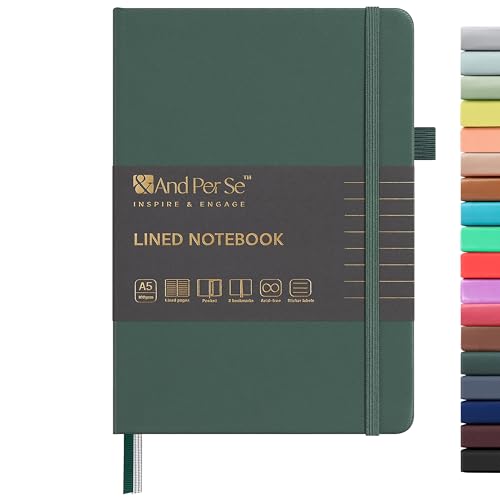
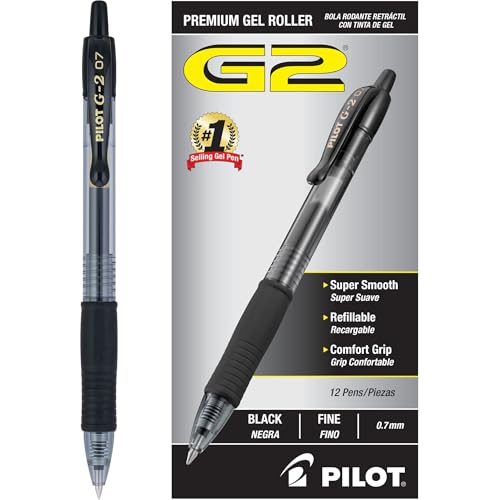
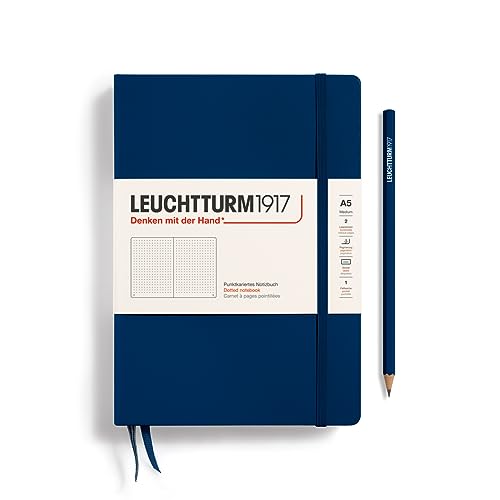
A handful of small tools make journaling feel actually lovely instead of effortful. Here are five things people who keep the practice tend to have nearby.



Recommended reads:
- Journaling for Emotional Clarity When Your Mind Feels Full
- Year End Reflection Practices for a Smarter Fresh Start
- New Year Reflection Questions for a More Intentional Reset
- Goal Setting Journal Prompts That Make the Goals Feel Real
- An Emotional Reset Toolkit for the Days the Day Wins
Why These Prompts Work (the 5-Minute Practice)
The Pennebaker Mechanism
Pennebaker’s research is the closest thing we have to a settled answer on why journaling helps. His 1986 UT Austin study: 15 minutes of writing about emotional events on 4 consecutive days, n=46 students.
The group that wrote about their hardest experiences had 50% fewer doctor visits over the following 6 months, plus measurable improvements in immune function. 40 years of replications keep landing in the same place.
Why Even 5 Minutes Helps
Psychological Science research found that even 2 to 4 minutes of brief expressive writing reduces anxiety and improves cognitive function. Klein and Boals’ work showed expressive writing boosts working-memory capacity, meaning you literally think more clearly after writing.
The 5-minute version is the practical one. Long enough to do real work, short enough to actually start. The mindset routine covers the broader morning practice this writing slot fits inside.
5 Prompts for When You Cannot Name What Is Wrong
Prompt 1: The Brain Dump
‘What is loud in my head right now?’ Write whatever comes for five minutes without trying to organize it. Bullet points, sentences, fragments, all fine. The act of getting the cycling thoughts onto paper releases them from working memory. Your brain treats written-down as ‘handled.’
Prompt 2: The Body Check
‘Where am I holding tension in my body right now, and what might it be trying to tell me?’ Sometimes the mind cannot name what is wrong but the body already knows. Tight jaw, clenched shoulders, restless legs, each one is information. The writing lets you connect the physical signal to whatever is underneath it.
Prompt 3: The Worst-Case-Best-Case
‘If this situation went as badly as possible, what would happen? If it went as well as possible, what would happen? What is the most likely actual outcome?’ The third question is the one that usually produces clarity. Most anxiety lives in the worst-case loop without ever checking the realistic version.
Prompt 4: The Two-Year Test
‘Will this matter in two years?’ Almost everything that feels enormous at 9 PM tonight will not matter in two years. The question is not dismissive, it is calibrating. Sometimes the answer is ‘yes’ and that tells you something too.
Most often the answer is ‘no’ and the weight drops a little. The emotional first aid covers the deeper protocol for the moments the answer is yes.
Prompt 5: The Letter You Will Not Send
‘Write the email or message you wish you could send to the person at the centre of this.’ Do not send it. The act of writing it surfaces what you actually feel underneath the polite version. The unsent letter is one of the oldest therapy techniques, and it works.
5 Prompts for When You Cannot Make a Decision
Prompt 6: The Values Filter
‘Which option aligns better with the 3 to 5 things that matter most to me?’ Most stuck decisions are not actually between two options, they are between two value sets. Naming the values explicitly usually makes the decision obvious because one option is genuinely closer to the life you want to be building.
Prompt 7: The Future-Self Question
‘If I imagine myself one year from now, which version of me thanks me for this choice?’ Future-self framing reliably surfaces the more sustainable answer. The version of you in a year has perspective that the version of you right now does not yet have.
Prompt 8: The Worst Reason
‘What is the worst reason I might be leaning toward this option?’ Sometimes you can spot the fear, ego, or avoidance underneath a preference, and once you can spot it, you can decide whether that is the reason you actually want to follow. Honest answers here are usually the most useful.
Prompt 9: The 10-10-10 Rule
‘How will I feel about this in 10 minutes? 10 months? 10 years?’ Suzy Welch’s classic frame. It works because most stuck decisions weight the 10-minute feeling way too heavily and underweight the 10-month and 10-year ones. The three time horizons recalibrate the decision quickly.
Prompt 10: The Permission Question
‘What am I waiting for permission to do?’ If the answer comes quickly, the decision is already made, you are just waiting for an external voice to confirm it. The journaling prompt is the permission you have been waiting for. The set intentions covers the if-then framework that turns the decision into action.
5 Prompts for When You Need Self-Compassion
Prompt 11: The Friend Question
‘What would I say to a close friend in this exact situation?’ Almost everyone is gentler with their friends than with themselves. Writing the answer down externalizes the kindness so you can then turn it back on yourself. The wording usually lands differently when it is on paper.
Prompt 12: The Younger-Me Letter
‘What would I tell the 19-year-old version of me about what I am going through right now?’ The younger-self framing puts you in the role of someone with experience and perspective, which softens self-criticism and produces gentler advice. Useful when you are being harsh with yourself for things that are actually pretty normal.
Prompt 13: The Wins Count
‘What are three small things I did this week that I am quietly proud of?’ Not big things. Small things. The text you sent that took courage. The thing you finished even though you were tired. The kindness you showed without telling anyone. Naming small wins shifts the lens without faking positivity.
Prompt 14: The Grief Acknowledgment
‘What am I quietly grieving right now, even if it does not look like grief?’ Most adult life contains small ongoing griefs, versions of a self that did not happen, friendships that drifted, opportunities that passed. Naming them is not the same as fixing them, but the naming alone often releases something.
Prompt 15: The Self-Forgiveness Sentence
‘I forgive myself for [specific thing], because [specific reason].’ Both halves matter. The forgiveness has to be specific to land, and the reason has to be real (not ‘because I am perfect’ , more like ‘because I was doing my best with what I knew then’).
One sentence at a time. The growth mindset covers the broader attitudinal frame self-forgiveness sits inside.
How to Run the 5-Minute Practice
Pick a Notebook and a Pen You Like
Sounds small. Is not. The physical pleasure of a notebook you actually like opening is what carries the practice past week two. A simple lined A5 book and a fine-point pen are enough. Fancier is fine if it is what gets you to the page.
Set a 5-Minute Timer
Phone timer is fine. The timer matters because it gives the practice an end, most people who try to journal ‘until they are done’ never actually start because there is no exit. Five minutes feels short enough to commit to and long enough to do real work.
Write One Prompt at a Time
Pick ONE prompt that lands for the moment you are in. Do not try to answer multiple. The five minutes is more than enough for one good prompt and almost never enough for two. The cozy night routine covers the broader evening practice this writing slot fits inside.
When to Reach for Which Prompt
The 9 PM Spiral Moment
Prompts 1, 2, 3, the body check, brain dump, and worst-case-best-case are the right tools. The spiral usually has cycling thoughts that need release, plus a worst-case loop that needs reality-testing.
The Sunday-Night Decision Weight
Prompts 6, 9, 10, the values filter, 10-10-10 rule, and permission question move stuck decisions. Sunday-night weight usually means a choice you have been avoiding making explicit.
The Mid-Day Self-Critical Spiral
Prompts 11, 12, 15, the friend question, younger-me letter, and self-forgiveness sentence. When you are being hard on yourself, externalizing the voice usually lets you hear how harsh you are being.
Want the simpler weekly diary for the daily writing slot?
The Self-Care Planner is the lighter weekly companion built for tracking the daily 5-minute practice. It is here.
Frequently Asked Questions
What are the best journaling prompts for clarity?
The 15 prompts above organize by what you need: 5 for when you cannot name what is wrong (brain dump, body check, worst-case/best-case, two-year test, unsent letter), 5 for when you cannot decide (values filter, future self, worst reason, 10-10-10, permission), 5 for self-compassion (friend question, younger-me letter, wins count, grief acknowledgment, self-forgiveness).
Does journaling actually help with anxiety?
Yes, with measurable effects. James Pennebaker’s UT Austin research (1986, n=46) found 15 min of writing × 4 days reduced doctor visits by 50% over 6 months AND improved immune function. 40 years of replications confirm the effect. Brief expressive writing (2-4 min) also reduces anxiety in the moment (Psychological Science research).
How long should I journal for clarity?
5 minutes is the sweet spot. Long enough to do real cognitive work, short enough to actually start. Set a timer because most people who try to journal ‘until they are done’ never start, the open-ended frame has no exit. Pick ONE prompt and answer it for the 5 minutes.
Do I need a special notebook to journal?
No, but pick one you actually like opening. The physical pleasure of a notebook you enjoy is what carries the practice past week two. A simple lined A5 book and a fine-point pen are enough. Fancier is fine if it gets you to the page.
Which prompt should I pick when I am stressed?
The brain dump (prompt 1) plus the body check (prompt 2) are the right tools for general stress and the 9 PM spiral. They release cycling thoughts from working memory and surface what your body knows that your mind cannot yet name. Start there before reaching for the decision-making prompts.
Can journaling replace therapy?
No. Journaling is a powerful tool for daily clarity, processing, and self-awareness, but it is not a substitute for therapy when one is needed. Persistent depression, anxiety that does not respond to brief practices, trauma, or ongoing relationship patterns benefit from professional support. Journaling can complement therapy beautifully, but it is not a replacement.
Key Takeaways
- Pennebaker UT Austin (1986, n=46): 15 min writing × 4 days reduced doctor visits 50% over the next 6 months + improved immune function. 40 years of replications confirm.
- Brief expressive writing (2-4 min, Psychological Science) reduces anxiety in the moment. Klein & Boals: expressive writing boosts working-memory capacity → you think more clearly afterward.
- 5-minute practice with a timer beats open-ended journaling. The timer gives the practice an exit, which is what makes people actually start.
- 15 prompts organized by need: 5 for when you cannot name what is wrong, 5 for when you cannot decide, 5 for when you need self-compassion.
- Pick ONE prompt at a time. The 5 minutes is enough for one good prompt; never enough for two. The simplicity is what makes the practice sustainable.
Final Thoughts on Journaling Prompts for Clarity
Journaling prompts for clarity right now are the small tools you reach for when the 9 PM spiral hits, the decision you cannot make keeps circling, or the self-criticism gets too loud. Five minutes. One prompt. A notebook you like.
The Pennebaker research backs the practice. The 15 prompts above cover most of the messy moments actual life produces. By week two of using them, the spiral takes less time to settle and the clarity arrives faster.
Last update on 2026-08-15 / Affiliate links / Images from Amazon Product Advertising API