
Time management strategies that produce long-term gains are the larger system: a daily plan made the night before, a Sunday review, defended deep work blocks at your peak energy window, task batching, and the discipline to refuse meetings that should have been emails.
3pm on a Wednesday. The to-do list opened at 9am is still half done. The inbox has produced 47 new emails since lunch. The Slack notifications are firing from three different channels at once. The 4pm meeting that should have been a 90-second email is approaching.
The deep-work block that was supposed to happen between 10am and noon got eaten by an emergency that turned out to be neither urgent nor important once the dust settled.
The 3pm Wednesday wall is what tactical hacks alone produce when there is no larger system holding them together. The system is the time-management equivalent of the strength-training program (consistent compound lifts across months) compared to the single workout (one heavy day, three days of soreness, no compounding gain).
Cal Newport’s Deep Work and Oliver Burkeman’s Four Thousand Weeks both make the case from different angles: the strategies that produce real gains are the larger system commitments, not the individual hacks. Daily planning made the night before. Weekly review on Sunday.
Deep work blocks defended at the actual peak energy window. Task batching. No-meeting blocks. The discipline to refuse the meeting that should have been an email.
Want the weekly planner that anchors the daily planning and Sunday review into one consistent rhythm?
The Self-Care Planner is the structured weekly companion that holds the night-before plan, the Sunday review, the deep-work block schedule, and the daily anchors the time-management system actually requires to keep running. It lives here.
Recommended Time Management Books at a Glance
Five canonical time-management books behind the strategic system. The numbered strategies further down are the actual practice.
![Deep Work: Rules for Focused Success in a Distracted World [Paperback] [Jan 01, 2016] Newport, Cal](https://m.media-amazon.com/images/I/31O7mZRFFGL.jpg)


Recommended blogs to read:
- Time Management Hacks That Actually Reclaim Your Day
- How to Become More Productive Without Burning Out
- Habit Stacking That Compounds Into a Different Life
- The Workday Shutdown Ritual That Protects Your Evenings
- Daily Habits to Improve Your Life Without Overhauling Everything
Why Strategy Beats Tactics in Time Management
Tactics are the individual moves. Pomodoro intervals, the two-minute rule, the Eisenhower urgent-important matrix. Strategy is the larger system the tactics live inside. The system answers the harder questions the tactics cannot: when does deep work happen on a Wednesday afternoon if the morning has already been eaten by meetings, how does the Sunday review prevent next Wednesday from looking like this Wednesday, and what is the actual rule for whether a calendar request becomes a meeting or an email.
Cal Newport’s Deep Work is the cleanest articulation of this distinction. The book argues that the ability to focus without distraction on cognitively demanding tasks is the rare and increasingly valuable skill of the next decade, and that producing it requires structural commitments (blocked calendar, ritualized shutdown, defended morning), not individual tactical tricks.
Oliver Burkeman’s Four Thousand Weeks lands the same point philosophically: a finite life cannot be optimized into infinite output, so the strategic choice is what to focus on and what to deliberately let go, not which new hack to add to an already-overloaded day.
The 10 Time Management Strategies for a Productive Day
Ordered by compounding impact. Each strategy assumes the prior is already in place. Walk through them in order; do not skip the planning layer.
1. The Night-Before Daily Plan

Before closing the laptop at the end of the workday, write the next day’s plan. Three top priorities. Two deep-work blocks. The specific 90-minute window for the most cognitively demanding task. The next morning begins with the plan already in hand, not with the inbox-driven random scramble that produces the 3pm Wednesday wall.
The night-before plan is the single highest-impact strategy because it sets the conditions for everything else.
2. The Sunday Weekly Review
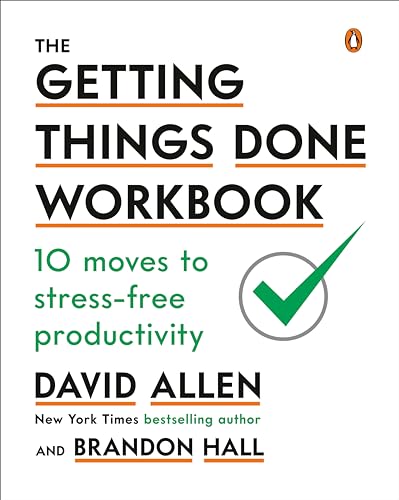

Sunday evening, 45 minutes, the calendar open, the past week reviewed, the coming week planned. What worked. What did not. What got missed. What the coming week actually needs. The Sunday review is the strategic anchor David Allen identifies as the keystone of the Getting Things Done system.
Skipping it is what allows the reactive inbox-driven approach to gradually reclaim the week.
3. Defended Deep Work Blocks at Peak Energy


Identify the 90-minute window during which your cognitive output peaks (for the bulk of office workers, 10am to noon). Block it on the calendar. Defend it from meetings. Treat it as the non-negotiable. Cal Newport’s Deep Work research consistently shows that the highest-output knowledge workers protect roughly three to four deep-work hours per day and accept that the rest of the day is the lower-impact administrative work.
4. Energy Management Over Time Management
Match the task to the energy window. Cognitively demanding writing in the morning peak. Administrative tasks (email, scheduling, small admin) in the post-lunch energy dip. Collaborative work in the late afternoon social-energy window.
The day has different cognitive shapes; the strategy matches the task to the shape. The error is forcing deep work into the post-lunch dip and then wondering why focus disappears.
5. Task Batching by Cognitive Type


Group similar tasks together. Email batched into two or three windows daily, not constant checking. Phone calls batched into one afternoon block. Administrative tasks batched into a single 45-minute window. Context switching has a measurable cognitive cost (studies consistently show a 23-minute recovery time after each interruption), and batching is the strategy that eliminates the bulk of the cost.
6. The Meeting Audit Rule


Each calendar invite gets three questions before being accepted: could this be an email, does this need me specifically, and is there a clear agenda. If two of the three answers are unfavorable, the response is a decline with the suggestion to handle it asynchronously.
The meeting that should have been an email is the single largest time leak in the modern knowledge-worker calendar. The audit rule is the strategy that closes the leak.
7. No-Meeting Blocks
One full morning per week designated as a no-meeting block on the shared calendar. No exceptions. The block is what guarantees a minimum of one extended deep-work window per week regardless of how the rest of the calendar fragments. Companies that have implemented no-meeting blocks across teams consistently report measurable productivity gains and reduced burnout markers.
8. The Workday Shutdown Ritual
At the end of each workday, a 10-minute ritual closes the loop. Review what was finished. Note what is open. Write the next day’s plan. Speak the words “shutdown complete” out loud.
Cal Newport identifies this ritual as the keystone that prevents work from leaking into the evening, protects recovery time, and produces the energy for the next morning’s deep-work block.
The ritual feels small. The compounding effect across months is large.
9. Single-Tab Discipline


During each deep-work block, exactly one browser tab and exactly one open document. Slack closed. Email closed. Phone in a different room. The single-tab rule is the cleanest tactical enforcement of the broader strategic commitment to defended focus. The research on multitasking is clear: simultaneous task-switching reduces cognitive output by roughly 40%.
10. The Quarterly Strategy Review



Every 90 days, the larger system gets reviewed. Are the deep-work blocks landing at the right window. Is the meeting audit actually being enforced. Is the Sunday review still happening. The quarterly check is what prevents the strategic system from quietly decaying back into reactive inbox-driven work across months.
Gary Keller’s The One Thing frames this as the strategic question that keeps the focus aligned.
Want the wellness planner that anchors the daily plan, the Sunday review, and the shutdown ritual?
The Self-Care and Wellness Planner adds the night-before plan prompts, the Sunday review pages, the deep-work block grids, and the shutdown ritual anchor the strategic system needs to actually keep running. It lives here.
How Long Before the Strategic System Produces Real Gains
The first measurable result usually arrives between weeks two and four. The 3pm Wednesday wall has gotten noticeably less brutal. The deep-work blocks are actually landing on the calendar and being defended. The Sunday review has produced its first useful weekly adjustment.
The night-before plan has eliminated the morning inbox-scramble. Weeks one through two are the discomfort window where the system feels like extra overhead and the temptation to abandon is highest.
The deeper compounding gains arrive between months three and twelve. The strategic system has begun to feel like the default operating rhythm. The deep-work blocks have produced significant project completion. The meeting audit has reduced calendar load by a meaningful percentage. The Sunday review has caught and adjusted for several drift patterns before they became real problems.
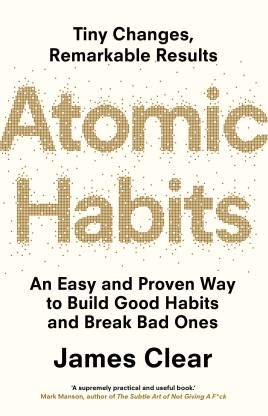
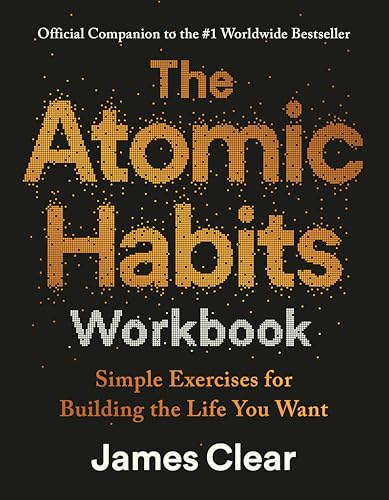
The 1% better daily compounding gain James Clear references in Atomic Habits applies cleanly to the time-management system: small daily strategic discipline compounds across quarters into dramatically different productive output.
Frequently Asked Questions
What are the best time management strategies?
The night-before daily plan, the Sunday weekly review, defended deep-work blocks at the peak energy window, energy management matched to task type, task batching, the meeting audit rule, no-meeting blocks, the workday shutdown ritual, single-tab discipline, and the quarterly strategy review.
How do I structure my workday for productivity?
Morning peak energy: deep-work block of 90 minutes on the most cognitively demanding task. Mid-morning: second deep-work block or batched email window. Post-lunch dip: administrative tasks. Late afternoon: collaborative meetings. End of day: 10-minute shutdown ritual. Evening: rest, recovery, plan-tomorrow note.
What is time blocking?
Time blocking is the strategy of dividing the day into specific calendar blocks for specific task types. Deep-work blocks, batched email windows, meeting blocks, administrative blocks. The blocks produce calendar visibility for what gets worked on when, which eliminates the reactive inbox-driven drift that fragments the day.
How do top performers manage their time?
Top performers consistently protect three to four deep-work hours daily, batch communications into two or three windows, run a Sunday weekly review, decline meetings that should have been emails, and use a workday shutdown ritual to protect evening recovery. The strategic system is what produces the compounding output gains.
What is the difference between time management strategies and hacks?
Hacks are individual tactical moves (Pomodoro intervals, two-minute rule, the Eisenhower matrix). Strategies are the larger system the hacks live inside (daily planning, weekly review, deep-work blocks, meeting audit, shutdown ritual). Hacks produce short-term wins; strategies produce compounding gains across months and years.
How long does it take for time management strategies to work?
First measurable gains between weeks two and four as the daily plan and Sunday review begin landing. Compounding strategic gains between months three and twelve as the deep-work blocks produce significant project completion and the meeting audit reduces calendar load by a meaningful percentage.
Key Takeaways
- Time management strategies produce compounding gains because they are the larger system, not individual tactical hacks.
- The night-before daily plan and Sunday weekly review are the two highest-impact strategic anchors.
- Defended deep-work blocks at the peak energy window are the keystone Cal Newport identifies in Deep Work.
- The meeting audit rule (three questions before any calendar invite is accepted) closes the single largest knowledge-worker time leak.
- Context switching costs roughly 23 minutes of recovery time per interruption; task batching eliminates the bulk of the cost.
- First measurable gains between weeks two and four. Real compounding gains between months three and twelve.
Final Thoughts
Time management strategies that produce real productive gains are not the individual tactical hacks but the larger system the hacks live inside. The night-before daily plan. The Sunday review. The defended deep-work blocks at the actual peak energy window. The meeting audit rule. The workday shutdown ritual. The strategic discipline to refuse the meeting that should have been an email.
Pick one strategy this week. Hold it for 30 days. Add the second only after the first feels automatic. Across quarters, the strategic system produces the productive output the tactical hacks alone never quite reach.
Last update on 2026-08-15 / Affiliate links / Images from Amazon Product Advertising API