

A low buy challenge is a year-long version of the no-spend month with a small intentional budget for non-essentials. The rules are fully customizable. The ‘yes list’ names what stays allowed. The ‘want list’ parks impulse purchases for 30-day review. A 90-day check-in adjusts the rules to whatever proved unsustainable in the first quarter.
You have probably seen the no-buy year all over your feed, the near-total ban on non-essential spending, usually framed as hard-mode frugality. It works for some people. For most of us, it lasts about six weeks before the restriction triggers the rebound that the eating-disorder researchers have been writing about for forty years.
Then we feel like we failed, when really the design was working against us the whole time.
A low-buy challenge is the sustainable cousin, and honestly the version that actually changes anything across a year. Small intentional budget for non-essentials. Rules you get to write. A ‘yes list’ that names what stays allowed (so you stop feeling guilty every time you buy coffee), a ‘want list’ that parks impulse purchases for 30 days, and a quarterly check-in that adjusts the rules to actual life.
The Frugal Friends Podcast and Tidymalism’s 2026 guides keep landing in the same place: the version that holds is the one with flexibility built in, not the one with the most rules.
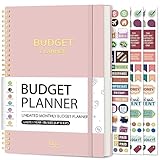
Recommended Tools for the Low Buy Year
A small stack of physical anchors keeps the year-long challenge consistent. The five recommendations are the ones most consistently mentioned by people who completed the full twelve months.




![C CREST [10 Pack] Glass Meal Prep Containers, Food Storage Containers with Lids Airtight, Glass...](https://m.media-amazon.com/images/I/51KtYzS-grL._SL160_.jpg)
Recommended reads:
- How to Do a No Spend Month Without Feeling Miserable
- The Budget Reset That Helps You Feel in Control Again
- A Money Mindset Routine for a Calmer Start to the Day
- How to Set Money Boundaries Without Guilt
- Financial Resolutions That Create Real Change With Money
Why Low Buy Beats No Buy for Most People
The Restriction-Rebound Pattern
Total restriction triggers a measurable compensatory rebound in roughly two-thirds of attempters, usually between weeks four and eight. The pattern is well-documented in eating-disorder and behavior-change research: the tighter the restriction, the larger the eventual rebound. No-buy years frequently end in a worse financial position than they started because the rebound spending exceeds the saved amount.
The Sustainability Premium
Low-buy frames the year as intentional spending rather than restriction. The small allowed budget for non-essentials keeps the brain out of the restriction-rebound loop. The trade-off is that the dollar savings in any given month are smaller; the year-end total usually exceeds the no-buy version because the practice actually completes.
The recover financially guide covers the deeper shame-vs-guilt work for the people arriving at the challenge from a harder financial place.
Step One: Write Your ‘Why’ Visibly
The Anchor Sentence
One specific reason for the year.
‘I want to save $8,000 toward the house deposit by December.’ ‘I want to break the doomshopping pattern that takes over after stressful days.’ ‘I want to spend the next twelve months learning what I actually use versus what I just buy.’ The sentence goes somewhere visible, the fridge, the laptop edge, the wallet inside.
Why the ‘Why’ Has to Outlast the Novelty
January motivation lasts about six weeks. By mid-February, the ‘why’ is what keeps the practice alive. The sentence needs to be specific enough to still feel meaningful in March, June, and October, not generic enough to feel like a Pinterest quote.
Specific and emotional beats abstract and logical every time. The journaling for emotional clarity guide covers the deeper writing practice for surfacing the real ‘why’ underneath the surface one.
Step Two: Build the ‘Yes List’
What Stays Allowed
The yes list is the set of non-essentials that explicitly stay allowed for the year. Coffee shop visits once a week. One new book per month. The running shoes when the current ones wear out. The friend’s birthday gift up to $40. The yes list does most of the work because it removes the guilt-around-everything trap that pure-restriction frames produce.
Why Naming the Yeses Up Front Works
Without an explicit yes list, every purchase decision becomes a boundary-testing moment. With the yes list, the allowed purchases happen without guilt and the decision-energy goes to the genuinely-grey ones. The Tidymalism 2026 guide phrases it as ‘you make the rules’, the customization is the load-bearing variable.
Step Three: Set Up the ‘Want List’
The 30-Day Parking Lot
When the urge to buy something not on the yes list arrives, the item goes on the want list with the date and price. The list lives in one specific place (notes app, single notebook page).
Review on the same date the following month. Most items have lost the urgency by the review date. The want list is the simplest behavior-change tool in the low-buy toolkit.
What Survives the 30 Days
Items that still feel worth buying after 30 days are usually worth buying, those are the genuine wants rather than the impulse wants. The yes list expands once or twice a year to incorporate the items that consistently survive. The other 80 to 90 percent of impulse wants disappear from the list naturally.
Step Four: Define the Hard No Categories
The Two or Three Categories That Hurt Most
Most people have two or three specific categories that drive most of the non-essential spending. Online clothes shopping. Decorative homeware. Bath and body products. App-purchase subscriptions.
The low-buy challenge works best when those specific categories get a hard no, not a ‘try to spend less.’ The full ban on the worst two or three categories is what creates the room for the yes list elsewhere.
How to Pick the Two or Three
Look at the last six months of bank statements. Find the categories with the largest combined spend that produced the least lasting value. Those are the candidates.
The thing to look for is not ‘spent a lot’ but ‘spent a lot and the items barely got used.’ The weekly money reset guide covers the weekly review cadence that surfaces the pattern.
Step Five: Schedule the 90-Day Review
Why January Rules Need a March Adjustment
The rules that felt right in January almost always need adjustment by March. The ‘yes’ that turned out to be ‘no’ (the weekly coffee that was actually lonely-day takeout). The ‘no’ that turned out to be unsustainable (the full ban on book purchases when reading is one of the year’s anchors).
The 90-day review catches the misfits while the year is still salvageable.
The Review Format
Thirty minutes. One Sunday at the end of March, June, September, December. Three questions: which rules held without effort, which rules required constant willpower, which rules need adjusting for the next quarter. The review is the keystone, without it, the rules calcify and the practice either fails or becomes joyless.
The monthly money reset guide covers the broader zero-based budgeting framework the low-buy challenge fits inside.
Common Traps to Avoid
Going Too Hard in January
January motivation creates rules that February cannot keep. The rule of thumb: write the January rules, then review them on January 31 and remove the two or three that already feel like willpower battles. Better to have five sustainable rules than fifteen brittle ones.
Treating the Yes List as Cheating
The yes list is the design, not the failure. The internal voice that calls the allowed coffee ‘cheating’ is the same restriction voice that triggers the rebound. The yes list is the practice. Use it without guilt.
Pure Solo Practice
Telling one trusted person about the challenge raises completion rates significantly. Not for enforcement; for the friendly witness effect. The person does not need to be doing the challenge themselves. The balance hustle and healing guide covers the broader sustainable-pace work the low-buy year fits inside.
Frequently Asked Questions
What is a low buy challenge?
A low buy challenge is a year-long intentional-spending practice with a small budget for non-essentials. The rules are fully customizable: a ‘yes list’ names what stays allowed, a ‘want list’ parks impulse purchases for 30-day review, and the worst 2 to 3 spending categories get a hard no.
Low buy vs no buy , which is better?
Low buy holds longer for most people. Total restriction triggers the compensatory rebound in roughly two-thirds of attempters between weeks 4 and 8, often ending in worse financial position than starting. Low buy keeps the brain out of the restriction-rebound loop and usually produces larger year-end savings because the practice actually completes.
How do I set the rules?
The Tidymalism 2026 frame: you make the rules. Pick the 2 to 3 spending categories that drive most non-essential spending and produced the least lasting value over the last 6 months, those become hard nos. Build a ‘yes list’ for what stays allowed. Set up the want list for impulse purchases. Review on day 31.
What is the want list?
When the urge to buy something not on the yes list arrives, the item goes on a list with the date and price. Review on the same date the following month. Most items have lost the urgency by then. Items that still feel worth buying after 30 days are usually genuine wants, not impulse wants.
How often should I review the rules?
Every 90 days. End of March, June, September, December. 30-minute review. Three questions: which rules held without effort, which required constant willpower, which need adjusting for the next quarter. Quarterly is the cadence that catches misfit rules while the year is still salvageable.
What if I slip up?
Single slips do not end the challenge. Note what triggered the spending. Resume the next day. The yes list is the design, not the failure, the internal voice that calls allowed purchases ‘cheating’ is the same restriction voice that triggers rebound spending. Use the yes list without guilt.
Key Takeaways
- Low buy beats no buy for most people because total restriction triggers the compensatory rebound in ~2/3 of attempters between weeks 4 and 8.
- 5 steps: write the ‘why’ visibly, build the ‘yes list,’ set up the ‘want list,’ define 2-3 hard-no categories, schedule quarterly reviews.
- The want list parks impulse purchases for 30-day review; 80 to 90 percent disappear naturally, the 10 to 20 percent that survive are genuine wants.
- The 90-day review catches misfit rules while the year is still salvageable; without it, rules calcify and the practice fails or becomes joyless.
- Telling one trusted person about the challenge raises completion rates significantly , friendly-witness effect, not enforcement.
Final Thoughts on the Low Buy Challenge
A low-buy challenge that holds across a year is the customizable sustainable cousin of the no-buy. Five setup steps. A quarterly review. A ‘why’ visible enough to outlast January motivation. The version that completes produces larger year-end savings than the stricter version that quits in March.
Twelve months of slightly-restricted but consistent practice beats four weeks of total restriction followed by a rebound, every time.
Last update on 2026-10-08 / Affiliate links / Images from Amazon Product Advertising API