

To improve your sleep starting tonight: dim the lights at 9 PM, take a hot shower 90 minutes before bed, and put the phone in another room. For lasting sleep changes, keep a consistent bedtime schedule, get bright daylight within 30 minutes of waking, and stop caffeine after 2 PM.
Quick answer: To improve your sleep starting tonight, dim the lights at 9 PM, take a hot shower 90 minutes before bed, and put your phone in another room, then add morning daylight and a consistent wake time.
Skip the sleep stack. Skip the seventy-dollar mask. Skip the gummies. The interventions with the strongest evidence behind them are light, temperature, and timing, and none of them is sold in a bottle.
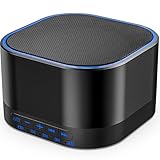
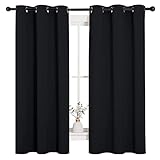
Recommended Products for Better Sleep
A few small props can quietly support better sleep without becoming a supplement collection. The five below are the items most consistently mentioned by women who keep their sleep on track across a full year.




Recommended reads:
- Bedtime Rituals for Deeper Sleep and a Softer Night
- A Cozy Night Routine for Winter Evenings That Feel Magical
- Evening Routine Ideas That Make Rest Feel Possible
- The Sunday Night Routine That Sets Up a Better Monday
- Moonlight Journaling Ideas for a Quieter Mind at Night
Tonight Changes (3 Fastest Tweaks)
Dim the Lights at 9 PM
Indoor overhead lighting at typical levels (300 to 500 lux) suppresses melatonin by roughly fifty percent. Switching to lamps at 9 PM produces a measurable difference in how easily the body falls asleep tonight. No purchases required if you already own lamps.
Take a Hot Shower 90 Minutes Before Bed
The hot shower triggers the body-temperature drop that signals melatonin release. The mechanism is counterintuitive (a hot shower cools the body) but consistent across studies. Twenty minutes is enough. The effect is felt within about an hour.
Put the Phone in Another Room
Sixty minutes between putting the phone away and getting into bed produces measurably better sleep onset than any other single intervention. The blue light argument is real but the content argument is bigger; what the brain sees in the last hour tends to wake it up at three AM. For the broader version, the mindful morning routine is built on the same phone-elsewhere principle.
This Week Changes
Get Bright Daylight Within 30 Minutes of Waking
Light exposure in the first thirty minutes of the day anchors the circadian clock and determines tonight’s melatonin timing. Outside is best. A bright window also works. A sunrise alarm clock or therapy lamp fills the gap on dark winter mornings. Effects on sleep show up by night three or four.
Stop Caffeine After 2 PM
Caffeine has a half-life of around six hours. A 3 PM coffee still has half its dose in the system at 9 PM and a quarter at 3 AM. Most people are not particularly sensitive to this and assume they sleep fine; sleep-tracker data consistently shows otherwise. Cutting caffeine at 2 PM produces measurably deeper sleep within a week.
Set the Bedroom to 65 Degrees
Core body temperature has to drop two to three degrees for sleep to begin. A bedroom above 68 degrees fights this biology. The fastest-acting weekly change for most people is dropping the bedroom thermostat or opening a window. Effect on sleep quality is usually felt within three nights.
Hold a Consistent Wake Time
Sleep researchers consistently say that holding a consistent wake time (within a 30-minute window) does more for sleep quality than a consistent bedtime. The brain calibrates the sleep-pressure schedule off the wake time, not the bedtime.
Add 20 Minutes of Daily Walking
Aerobic movement during the day, even gentle, measurably improves sleep depth at night. The timing matters: morning or early afternoon outperforms evening for most people. The weekly self-care schedule covers how to fit the walks into the rest of the week.
This Month Changes
Hold the Schedule Through Weekends
Weekend lie-ins of more than an hour shift the circadian clock back, creating Monday-morning jet lag. Holding the wake time within an hour of weekday wake is the single biggest behavioural change for chronic poor sleepers. The first two weekends feel unfair. By week four, Sunday night sleep is noticeably better.
Address the Alcohol Conversation Honestly
Alcohol disrupts sleep architecture even when it makes falling asleep feel easier. Three drinks at dinner produces measurably worse REM sleep, deeper sleep, and morning cortisol regulation. Cutting evening drinking back, even to two days a week, produces visible sleep-tracker improvements within a month.
Build a Consistent Wind-Down
A ninety-minute wind-down before bed does most of the work that the supplement industry pretends to do. The combination of dim light, warm shower, calm activity, and phone-elsewhere is the most reliable sleep intervention available. The full version lives in the bedtime rituals guide.
Track What You Notice, Not What an App Says
Sleep trackers are sometimes useful and sometimes the source of additional anxiety. The simpler approach is to notice three things each morning: how rested you feel, what time you fell asleep, what time you woke up. Patterns become visible within two weeks. The simple self-care habits guide covers how to keep the noticing without becoming a tracker.
The Supplement Conversation (Honestly)
Magnesium Glycinate
The one supplement with reasonable evidence behind it. Magnesium glycinate, taken two hours before bed, improves sleep quality in roughly sixty percent of people. Not a miracle. A modest, real effect. Skip the magnesium oxide and citrate versions; they are less well-absorbed.
Melatonin (Be Careful)
Melatonin is a hormone, not a vitamin. Dosing matters more than people realise. Most over-the-counter melatonin products contain three to five times the dose the research supports (0.3 to 0.5 mg is the effective range; most products start at 3 mg or higher). The high doses produce groggy mornings and reduced natural production over time. Use sparingly and at the low end if at all.
Herbal Teas
Chamomile, lavender, valerian. The chemical effects are mild but consistent. The ritual effects are larger. Most of the benefit comes from the consistency of the evening tea cue, not from the herbs themselves.
Things to Skip
Most sleep stacks. Most sleep gummies. The expensive sleep supplements marketed as cures. None of these has stronger evidence than the four behavioural changes above, and most have weaker. Save the money and dim the lights instead.
When Sleep Issues Need a Doctor
The Three-Week Test
If consistent behavioural changes (light, schedule, wind-down, caffeine cutoff, and alcohol reduction) produce no improvement over three weeks, the issue is probably not a behavioural one. Sleep apnea, restless legs, hormonal shifts, thyroid issues, and clinical insomnia all produce symptoms that look like behavioural poor-sleep but require different treatment.
What to Tell Your Doctor
Bring two weeks of basic sleep notes: roughly when you went to bed, when you fell asleep, when you woke up, how rested you felt. A sleep diary outperforms a sleep tracker for clinical conversations. Mention any snoring, gasping, or restless-legs symptoms; these point toward apnea or restless-legs syndrome respectively. For the morning version of the recovery routine, the morning routine ideas menu has options. The night skincare routine pairs naturally with the wind-down phase.
The 21-Night Plan
Nights 1-7: Foundation
Three changes only. Dim lighting at 9 PM. Phone in another room from one hour before bed. Caffeine cutoff at 2 PM. Hold those three for seven nights, even on weekends. Most people notice meaningful improvement by night four.
Nights 8-14: Layering
Add the hot shower 90 minutes before bed and the consistent wake time. Five total interventions, all behavioural, no supplements. By night fourteen, the routine should feel automatic; if it does not, shrink it before adding more.
Nights 15-21: Optimisation
Add a magnesium glycinate supplement if helpful, the bedroom temperature drop, and the daily walk. Twenty-one nights of layered consistency consistently produces sleep quality that almost nobody achieves with supplements alone.
Better Sleep FAQs
What is the fastest way to improve sleep tonight?
Dim the lights at 9 PM, take a hot shower 90 minutes before bed, and put the phone in another room from one hour before bed. The three together produce meaningful improvement in sleep onset and quality within the same night.
Do sleep supplements actually work?
Some do, most do not. Magnesium glycinate has reasonable evidence behind it. Low-dose melatonin (0.3 to 0.5 mg) can help with jet lag and shift-work sleep. Most other sleep supplements have weaker evidence than the behavioural changes that are free.
Should I use a sleep tracker?
Optional, and sometimes counterproductive. Sleep trackers are useful for diagnosing patterns but can produce anxiety about a few bad numbers. A simple sleep diary (when you went to bed, when you woke, how rested you feel) often outperforms a tracker for noticing patterns.
How long until sleep changes show results?
Lighting and wind-down changes show within nights. Caffeine cutoff shows within a week. Schedule consistency takes about three weeks to fully recalibrate the circadian clock. Major changes (alcohol, exercise, sleep environment) show their full effect at about four to six weeks.
What if I work shifts?
Shift work is the hardest sleep scenario. The principles transfer: light exposure right after waking, dim lights and consistent wind-down before sleep, blackout curtains for daytime sleeping. Schedule consistency is harder but still beneficial when possible.
Is melatonin safe to take every night?
Probably, at low doses (0.3 to 0.5 mg). The high doses sold over the counter (3 mg and up) reduce natural melatonin production over time and produce groggy mornings. Use at the lowest effective dose, ideally only when needed rather than nightly.
Key Takeaways
- Tonight: dim lights at 9 PM, hot shower 90 minutes before bed, phone in another room. Three changes, real impact within hours.
- This week: morning light exposure, caffeine cutoff at 2 PM, bedroom at 65 degrees, consistent wake time, 20-minute daily walk.
- This month: weekend schedule consistency, reduced evening alcohol, a 90-minute wind-down, and noticing rather than tracking.
- Magnesium glycinate is the one sleep supplement with consistent evidence; most others have weaker support than behavioural changes.
- If three weeks of behavioural changes produce no improvement, see a doctor about apnea, restless legs, or other clinical issues.
How Can You Improve Your Sleep Starting Tonight?
Better sleep is one of the few wellness investments where the cheap, free, behavioural changes outperform almost everything you can buy. Dim lights. Hot showers. The phone elsewhere. Morning sunlight. Less caffeine after lunch. A cooler bedroom. Twenty-one nights of layering those changes produces sleep that the supplement industry has spent two decades trying to bottle and never quite managed. Start tonight. The first night already feels different.
Sleep is easier to protect when the rest of the day supports it, so my daily habits that help cover the daytime side, and a quick mini spa at home is a lovely way to fill that 90-minute window.
Last update on 2026-11-24 / Affiliate links / Images from Amazon Product Advertising API