
A body care ritual that actually produces glow follows a 4-zone framework: face and neck, décolletage and torso, arms and hands, legs and feet. Each zone gets the right exfoliation cadence and the right occlusion. Layer on damp skin within three minutes of toweling off.
The bathroom counter at the end of a Tuesday evening tells the truth about most body care routines. A half-used body wash from a Black Friday haul. A drugstore lotion bottle sitting at the back. A jar of body butter that was supposed to be the upgrade but is still mostly full. Nothing wrong, exactly. Nothing especially right.
Most body care plateaus around the third week not because the products are bad, but because the routine has no structure. Body skin is thicker than facial skin (sometimes by as much as a millimetre on places like the back), drier, and has fewer oil glands per square inch. The skin on the shins regenerates roughly 30% slower than the skin on the cheek. A body care routine built like a face routine, with daily exfoliation and aggressive actives, tends to leave most women’s skin worse than it started.
The framework that actually produces glow treats the body as four zones, each with its own exfoliation cadence and product weight. Face and neck. Décolletage and torso. Arms and hands. Legs and feet. Apply lotion within three minutes of toweling off, on still-damp skin. The whole ritual at full intensity takes about two hours a week, distributed across daily moisturising and two longer treatment sessions. By week six, the difference is visible in photographs before it is visible in mirrors.
Ready to turn body care into a calmer self-care ritual?
The Self-Care & Wellness Planner is the weekly framework underneath every body-care ritual that actually holds. It lives here.
Recommended Products for a Body Care Ritual
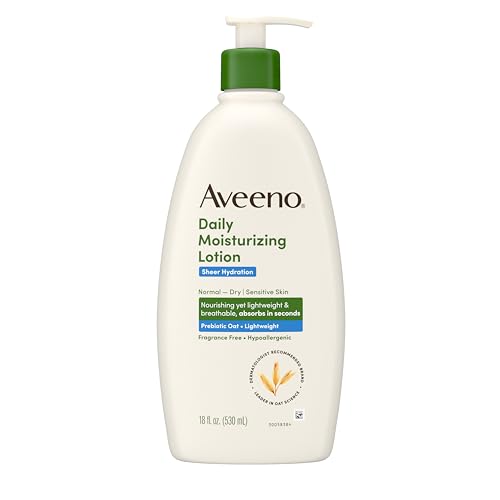
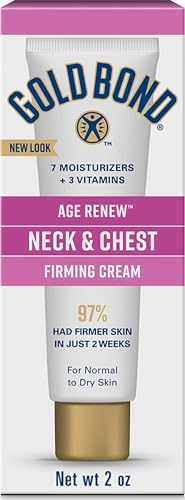
A few small pieces of kit make the 4-zone ritual noticeably faster. The five below are the items most consistently mentioned by women who have kept this practice going across a full year. All affordable, none required to start.



Recommended reads:
- Dry Skin Body Care Tips for Soft Glowing Summer Skin
- The Best Moisturizers for Dry Skin That Hate Heavy Creams
- A Morning Skincare Routine for Dewy Glowing Skin
- The Night Skincare Routine That Helps You Wake Up Glowing
- The Weekly Body Care Routine for Soft Hydrated Skin
- the scented body routine for slow evening rituals
- self massage techniques for the at-home wind-down
Why Body Skin Needs Its Own Ritual
The Biology Most Women Get Wrong
Body skin is thicker than facial skin (sometimes by as much as a millimetre on places like the back), but it has fewer oil glands per square inch and a slower cell turnover rate. The skin on your shins regenerates roughly 30% more slowly than the skin on your face. Which is why a body care routine designed like a face routine, with daily exfoliation and aggressive actives, tends to leave most women’s skin worse than it started.
The 3-Minute Damp-Skin Window
Every dermatologist quoted in serious body-care literature lands on the same rule: apply moisturiser within three minutes of stepping out of the shower, while the skin is still damp. The humectants in body lotion (glycerin, hyaluronic acid) need water on the skin to bond to. Apply to dry skin and the same lotion pulls moisture out instead of in. The three-minute rule is the single highest-return body-care principle. Brand of lotion matters far less.
The 4-Zone Framework
Why Zones, Not Steps
Treating the body as four zones (face/neck, décolletage/torso, arms/hands, legs/feet) lets you match the exfoliation cadence, the moisturiser weight, and the treatment frequency to what each area actually needs. The neck behaves almost like the face. The legs behave nothing like it. Skincare advice that treats the whole body as one surface is the reason most routines plateau by week three.
The Cadence Across Zones
Daily moisturising everywhere. Twice-weekly exfoliation on legs, arms, and the torso (Wednesday and Sunday tends to work). Once-weekly exfoliation on the décolletage and the back of the hands, which are thinner-skinned. Never on the neck without something gentler. For the broader category breakdown, the guide to luxury exfoliants covers the active ingredients that fit each zone.
Zone 1: Face and Neck
Treat the Neck Like the Face
The neck is the most-skipped piece of body care and the one that most reliably ages out of sync with the face. The skin is roughly half the thickness of the cheek and has fewer sebaceous glands. Extend your face cleanser, your face moisturiser, and (importantly) your face SPF down to the collarbone every day. Once a week, swap your face serum for a peptide neck cream. The difference at six months is the kind of thing photographs show before mirrors do.
The Vitamin C Add
If your face routine includes vitamin C in the morning, extend it to the neck. The pigmentation pattern that develops on under-protected necks (the so-called tech-neck pattern) responds visibly to nine to twelve weeks of consistent vitamin C, applied to slightly damp skin, followed by SPF. The luxury vitamin C serums guide covers the picks that work on both face and neck.
Zone 2: Décolletage and Torso
Where Dry Brushing Earns Its Place
The décolletage and the torso are where dry brushing genuinely matters. Two to three minutes, twice a week, on dry skin before the shower, with a natural-bristle brush in upward strokes toward the heart. The mechanism is partly lymphatic stimulation, partly the same exfoliation effect as a mitt. The skin looks noticeably more even after about three weeks.
The Hydrating Serum Step
Apply a hydrating body serum (niacinamide or hyaluronic acid based) within the three-minute window, then layer a body lotion over the top. Two layers because the décolletage loses water faster than the back or stomach and needs the extra occlusion. The best hydrating serums guide covers what to look for; most of the picks work for face and body.
Zone 3: Arms and Hands
The Visible-Aging Zone
The hands and the décolletage are the two zones that betray a face’s actual age the most reliably. The hands take more daily UV exposure than the face for most women (steering wheels, garden, walking) and almost never get SPF. The fix is simple: a hand cream with a small SPF on the bedside table, applied every morning after the shower.
The Bedside-Cream Trick
Keep a separate, heavier hand cream by the bed. Apply liberally before sleep, then thin cotton gloves over the top for the first hour. Six weeks of consistent night-time treatment produces visibly softer hands and noticeably faded sun damage. The cumulative effect is one of those low-investment changes with disproportionate visible payoff.
Zone 4: Legs and Feet
The Twice-Weekly Exfoliation Rule
Legs respond best to twice-weekly exfoliation, no more. An exfoliating mitt in the shower for ninety seconds, light pressure, focused on the shins and the calves where the skin is driest. Daily exfoliation here damages the barrier and produces the chicken-skin texture most women are actually trying to avoid. If your skin barrier feels reactive, the barrier care routine covers the 14-day reset.
The Feet Get the Heaviest Cream
A urea-based foot cream (5% for maintenance, 10% for cracked heels) applied at night with cotton socks over the top is the most effective single intervention for feet I’ve come across. Five minutes of effort. Visible difference in seven days. The best barrier repair products guide covers the heavier creams that work on feet and the rest of the body.
How to Fit the Ritual Into a Real Week
The Time Investment
Daily: shower, three-minute lotion, hand cream, foot cream. Total about six minutes added to existing routine. Twice weekly: dry brushing plus mitt exfoliation on Wednesday and Sunday, about ten minutes each session. Once weekly: a longer Sunday-evening version with body serum, body butter on stubborn areas, hand mask, foot mask. About thirty-five minutes. The whole ritual at full intensity is around two hours a week, distributed.
Starting Without Overwhelm
Run the daily-only version for two weeks. Add the Wednesday exfoliation. After another two weeks, add the Sunday session. After six total weeks, the routine feels automatic. The mistake most women make is attempting the full version on week one and abandoning it by week three. Small, consistent, slow. The ritual works because it’s repeatable, not because it’s elaborate.
Want a soft weekly planner that holds the ritual together?
The Self-Care Planner is the lighter weekly companion, built like a quiet editorial diary. It is here.
Frequently Asked Questions
How long should a body care ritual take?
Six minutes added to daily routine for the basics (lotion within the 3-minute window, hand cream, foot cream). Two longer sessions per week, ten to thirty-five minutes each, for exfoliation and treatment. About two hours a week at full intensity.
Should I exfoliate my body every day?
No. Twice a week is the cap for most body skin. Daily exfoliation damages the barrier and produces the rough, slightly inflamed texture most women are trying to avoid. The skin needs 24 to 48 hours to recover between exfoliation sessions.
What’s the difference between body care and face care?
Body skin is thicker (sometimes up to a millimetre on places like the back), drier, and has fewer oil glands. Cell turnover is roughly 30% slower than the face. Which is why face products often disappear too fast on the body and why face-style daily exfoliation is too aggressive for body skin.
How often do I need to dry brush?
Two to three minutes, twice a week, on dry skin before the shower. The neck is the only zone to skip entirely. Daily dry brushing causes microabrasions and is the most common reason this practice backfires.
Can I use my face serum on my body?
Yes, but it’s expensive overkill. Face serums are formulated for the smaller surface area and the more delicate skin of the face. A dedicated body serum with the same active ingredients (niacinamide, hyaluronic acid) is the more sustainable choice for regular use.
How long until I see results?
Hydration improvements within a week. Texture changes at three to four weeks. The softness and tone shifts that come from cumulative weekly care arrive at about eight weeks. The 4-zone framework holds the routine together long enough to see the compounding effect.
Key Takeaways
- Body skin is thicker, drier, and has slower cell turnover than facial skin, which is why face-style daily exfoliation makes body skin worse, not better.
- Apply moisturiser within three minutes of toweling off, on still-damp skin. The three-minute window matters more than the brand of lotion.
- Treat the body as four zones (face/neck, décolletage/torso, arms/hands, legs/feet) with different exfoliation cadences and product weights per zone.
- Dry brushing twice weekly on the torso for two to three minutes is the single highest-return non-product addition to a body ritual.
- The full ritual takes about two hours a week, distributed. The compounding effect at six weeks is what makes the structure worth it.
Final Thoughts on the Body Care Ritual
A body care ritual works because it gives every zone of the body what it actually needs, in the cadence that matches its biology. Not the same product on every limb. Not daily exfoliation on places that need it twice a week. Just the four zones, the three-minute window, and the patience to let six weeks pass before judging. Most of the change comes from order, not from spending. The ritual does the same for any week that has two hours to give it.
Last update on 2026-08-15 / Affiliate links / Images from Amazon Product Advertising API