

Barrier-damaged skin rebuilds best with ceramide-plus-cholesterol-plus-fatty-acid formulations combined with cica and niacinamide. CeraVe Moisturizing Cream, La Roche-Posay Cicaplast Baume B5, and AESTURA ATOBARRIER365 lead the editor consensus.
Quick answer: Barrier repair products for sensitive skin work best with ceramides, cholesterol, and fatty acids plus calming cica or niacinamide, like CeraVe Moisturizing Cream, La Roche-Posay Cicaplast Baume B5, and AESTURA ATOBARRIER365 Cream.
Three months ago you were over-exfoliating, layering acids morning and night, adding a new retinol on top, and by week six the redness, the burning under serums, and the tightness after every cleanse had arrived.
Barrier-damaged skin is one of the rare skincare categories where the fix is genuinely boring. Strip every active out for four weeks, layer ceramides plus cholesterol plus fatty acids twice daily, add niacinamide for the inflammation, and let cica (centella asiatica) do the long-term repair.
NBC’s 2026 barrier-cream ranking and the Lion Pose 2026 expert reviews both converge on the same product list, with CeraVe Moisturizing Cream as the dermatologist-favorite budget hero and Avène Cicalfate+ as the post-procedure clinical pick.
The barrier-repair category has the cleanest evidence base of any skincare category, and the cheapest entry tier ($19 CeraVe) outperforms half the luxury options.
Recommended Barrier Repair Products at a Glance
Five of the strongest picks across the category, from drugstore to clinical. The numbered listicle further down has the honest version of which formulation suits your specific barrier-damage pattern.


Recommended blogs to read:
- A Barrier Care Routine for Healthy Glowing Skin
- The Best Moisturizers for Dry Skin That Hate Heavy Creams
- The Best Night Creams for Stress Related Breakouts
- Skincare by Skin Type for a Routine That Actually Works
- Drugstore and Korean Moisturizers That Feel High End
Why Ceramides Plus Cholesterol Plus Fatty Acids Is the Right Combination
The skin barrier is composed of roughly 50 percent ceramides, 25 percent cholesterol, and 15 percent fatty acids by lipid weight, with the remaining 10 percent covering smaller fractions. A ceramide-only moisturizer addresses one part of the barrier without supporting the other two, which is why single-ingredient ceramide products often plateau.
The 2026 Lion Pose dermatology review and NBC’s barrier-cream ranking both surface the same pattern: the products that genuinely rebuild the barrier in two to four weeks use all three lipid classes in roughly the same ratio the barrier itself uses.
CeraVe Moisturizing Cream pioneered this with the MVE technology in 2005, and the Skinfix Barrier+ Triple Lipid-Peptide Cream extends the logic into the clinical tier.
Cica (centella asiatica) and niacinamide layer on top as the calming and anti-inflammatory pair. Cica reduces the redness and burning that signal active barrier damage. Niacinamide at 2 to 5 percent strengthens the barrier function over the longer term while reducing the trans-epidermal water loss that makes barrier-damaged skin feel constantly tight.
The combination of all four (ceramides plus cholesterol plus fatty acids plus cica plus niacinamide) is what produces the visible four-week barrier rebuild that the category genuinely delivers.
The 10 Best Barrier Repair Products
Ordered by use case rather than ranking. Each entry names the key ingredient combination, the honest tradeoff, and which barrier-damage pattern it suits.
1. CeraVe Moisturizing Cream


Three essential ceramides plus hyaluronic acid in the MVE delivery system that releases ingredients across 24 hours. The dermatologist-favorite drugstore reference for barrier repair. The right pick at $19 for the 16oz tub if you want the cheapest entry tier that genuinely outperforms half the luxury options.
2. La Roche-Posay Cicaplast Baume B5
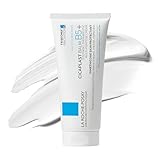

Centella asiatica plus panthenol plus madecassoside in the French-pharmacy clinical formulation. The right pick at $20 for the post-procedure or actively-flaring barrier with cica as the lead active. The European dermatology favorite that has held its position for over a decade.
3. Avène Cicalfate+ Restorative Cream


Postbiotic Avène thermal water plus copper-zinc-manganese complex in the clinical-tier restorative cream. The right pick at $32 for the post-procedure or severely-flaring barrier where the formulation has to be the clinical-grade tier. The dermatology pick for post-laser, post-microneedling, and post-peel barrier rebuild.
4. AESTURA ATOBARRIER365 Cream


K-beauty ceramide-NP plus niacinamide plus panthenol in the cult-favorite barrier cream that has dominated K-beauty TikTok for two years. The right pick at $30 if you want the K-beauty editor favorite that consistently outperforms higher-priced Western alternatives in head-to-head reviewer testing.
5. Eucerin Aquaphor Healing Ointment
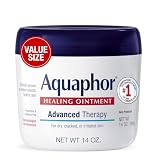
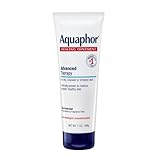

Petrolatum-based occlusive ointment that locks in hydration overnight. The right pick at $14 for the post-procedure recovery layer applied as the final step over the ceramide cream. The single most-dermatologist-recommended product in the category, used as the slugging closer rather than as the standalone moisturizer.
6. Beauty of Joseon Centella Asiatica Calming Mask


K-beauty centella-led sheet mask for the weekly barrier-calming boost. The right pick at $3 per mask if you want the periodic intensive treatment alongside the daily ceramide cream. The K-beauty cult favorite that builds into a Sunday-evening barrier-reset ritual.
7. Krave Beauty Great Barrier Relief
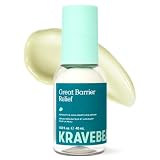


Tamanu oil plus centella asiatica plus niacinamide in a gel-serum hybrid that calms inflammation while supporting barrier rebuild. The right pick at $28 if you want the active serum-tier addition to the ceramide cream routine, applied between the cleanse and the moisturizer.
8. Dr. Jart+ Cicapair Tiger Grass Cream


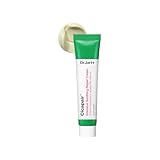
Centella asiatica plus tiger grass complex in a K-beauty cica cream with built-in redness-neutralizing green tint. The right pick at $48 if your barrier damage shows up as visible redness and you want the cosmetic color-correction alongside the active barrier work.
9. Skinfix Barrier+ Triple Lipid-Peptide Cream


Ceramides plus cholesterol plus fatty acids plus peptides in the clinical-tier barrier-repair formulation. The right pick at $54 if you want the next-tier formulation beyond CeraVe with peptides added for the collagen-supportive layer. The Sephora editor-favorite of the clinical barrier category.
10. Tower 28 SOS Daily Rescue Facial Spray

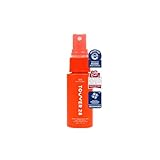

Hypochlorous acid spray for the daytime calming and anti-inflammatory layer between products. The right pick at $32 if your barrier damage flares throughout the day and you want a quick refresh that calms without disrupting the rest of the routine.
How to Run the Four-Week Barrier Reset Without Adding More Damage
Three rules that separate the barrier reset that actually works from the one that produces another round of irritation.
- Strip every active out for four weeks. No retinol, no AHA, no BHA, no vitamin C, no fragranced products. Cleanser plus barrier cream plus SPF in the morning. Cleanser plus barrier cream at night. That is the entire routine.
- Pair the ceramide cream with a hypochlorous acid spray during the day to calm flares without disrupting the routine. Skip the active reintroduction for the first four weeks even if the skin starts looking calmer at week two.
- Reintroduce actives one at a time starting in week five, with two weeks between each new addition. Start with the gentlest (niacinamide, then vitamin C, then retinol, then AHA or BHA last). The gradual reintroduction is what prevents the next round of barrier damage from happening.
When the Barrier Repair Category Is Not the Answer
Severe eczema, perioral dermatitis, seborrheic dermatitis, contact dermatitis, and persistent rosacea flares all warrant a dermatologist visit rather than another barrier cream. These conditions often need prescription anti-inflammatories, antibiotics, or specific elimination protocols that the OTC barrier-repair tier cannot replace.
For pregnancy and breastfeeding, all the products on this list are considered safe at typical use levels. Niacinamide and ceramides are explicitly included on the pregnancy-safe skincare list per ACOG guidelines.
Barrier Repair FAQs
What is the best barrier repair cream for sensitive skin?
CeraVe Moisturizing Cream at $19 is the dermatologist-favorite drugstore reference. La Roche-Posay Cicaplast Baume B5 and Avène Cicalfate+ lead the clinical tier. AESTURA ATOBARRIER365 leads the K-beauty editor consensus.
How do I know if my skin barrier is damaged?
Visible signs include tightness after cleansing, burning or stinging under serums that used to be fine, persistent redness without a specific trigger, increased sensitivity to fragrance, and products that suddenly cause reactions they didn’t before. Two or more of these together usually signal active barrier compromise.
Are ceramides or cica better for barrier repair?
Both, used together. Ceramides plus cholesterol plus fatty acids rebuild the lipid composition of the barrier itself. Cica (centella asiatica) calms the inflammation that signals active damage. The combination is what produces the visible four-week barrier rebuild.
How long does barrier repair take?
Two to four weeks of consistent use with a stripped-down active-free routine for visible rebuild. The redness usually settles in week one. The tightness in week two. The full barrier function rebuild reaches week four to six, after which actives can be reintroduced gradually.
Can I use barrier repair cream every day?
Yes, twice daily morning and night is the protocol that produces the visible rebuild. The barrier cream is not an active treatment that needs to be cycled; it is a foundational layer that supports the rest of the routine indefinitely.
What is the best barrier repair routine for sensitive skin?
Gentle cleanser plus barrier cream plus SPF in the morning. Gentle cleanser plus barrier cream at night. That is the entire four-week reset protocol. Active reintroduction starts in week five with two weeks between each new addition.
Key Takeaways
- Barrier-damaged skin rebuilds with ceramide-plus-cholesterol-plus-fatty-acid formulations combined with cica and niacinamide. The lipid ratio that matches the barrier itself is what produces the rebuild.
- CeraVe Moisturizing Cream at $19, La Roche-Posay Cicaplast Baume B5, Avène Cicalfate+, and AESTURA ATOBARRIER365 anchor the 2026 editor consensus across drugstore, French clinical, and K-beauty tiers.
- The four-week barrier reset protocol strips every active out (no retinol, no AHA, no BHA, no vitamin C, no fragrance) and runs cleanser plus barrier cream plus SPF as the entire routine.
- Active reintroduction starts in week five with two weeks between each new addition. Gradual is what prevents the next round of barrier damage.
- Severe eczema, perioral dermatitis, seborrheic dermatitis, contact dermatitis, and persistent rosacea warrant a dermatologist visit rather than another barrier cream.
How Do You Use Barrier Repair Products for Sensitive Skin?
The barrier repair category is one of the rare skincare categories where the chemistry maps exactly onto the problem. Ceramides plus cholesterol plus fatty acids rebuild the lipid composition. Cica and niacinamide calm the inflammation. CeraVe leads the drugstore reference. La Roche-Posay and Avène lead the clinical tier.
AESTURA leads the K-beauty favorite. Strip every active out for four weeks, run the ceramide cream twice daily, reintroduce gradually starting in week five. The calmer skin that arrives by week four is the kind of result the boring proven ingredients quietly produce.
When your skin feels calm again and you start reintroducing products slowly, my skincare products to use at night and these skincare picks for women help you decide what to add back first.
Last update on 2026-10-07 / Affiliate links / Images from Amazon Product Advertising API