

Self massage ideas are gentle techniques you do on your own body to lower cortisol, drain lymph, and ease muscle tension. Cleveland Clinic research links twenty minutes of slow-stroke massage to measurable cortisol drops within fifteen, alongside increased circulation and parasympathetic activation.
Quick answer: Self massage ideas work best as a 20-minute, five-zone reset: four minutes each on the face and neck, shoulders and upper back, arms and hands, legs and hips, and feet, with feather-light pressure on the face and gentle firm pressure elsewhere.
Self massage is the most underrated body care practice almost nobody talks about, despite being free, evidence-supported, and quietly more effective than the supplement-and-serum aisle the wellness world has been selling for fifteen years. Cleveland Clinic links twenty minutes of slow-stroke self massage to measurable cortisol drops within fifteen, alongside improved lymphatic flow, better sleep onset, and the kind of parasympathetic nervous system shift that most meditation apps are trying to produce by other means.
This post is the five-zone twenty-minute reset, the version that has held up across body care editors, physical therapists, and a fairly large body of relaxation-massage research. Face and neck, shoulders and upper back, arms and hands, legs and hips, feet. Four minutes per zone, in the order that respects the way your nervous system regulates. Plus the four classical techniques explained in plain language, the best times of day to practice, and the contraindications that genuinely matter (lymphatic drainage has real ones, and they are worth knowing).
You will leave with a practice you can do tonight without buying anything, a sense of which spots on your own body are most likely holding the week, and the small involuntary sound of relief that usually arrives the first time you press into the place between your shoulder blade and your spine.
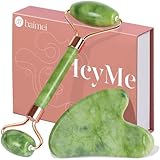
Recommended Tools for Self Massage at Home
You do not need any of these to start. But the people who keep this practice going past the first month tend to have a small set of physical anchors that lower the friction. Five worth knowing about.




Recommended blogs to read:
- A Body Care Ritual for Glowing Skin From Head to Toe
- The Weekly Body Care Routine for Soft Hydrated Skin
- Stress Relief Rituals for Calming Your Body and Mind in Real Time
- How to Reset Your Nervous System and Feel Calm Again
- Bedtime Rituals for Deeper Sleep and a Softer Night
Why Self Massage Works (the Cleveland Clinic Framing)
Cleveland Clinic frames lymphatic drainage self-massage as a feather-light, slow technique that decreases facial puffiness, moves waste toward lymph nodes, and triggers parasympathetic activation. The same applies to the body, just over larger zones and with slightly more pressure.
The cortisol drop is the part that gets undersold. A 2024 review of relaxation massage benefits put cortisol fifteen to thirty percent lower within fifteen minutes of slow-stroke work, alongside rises in serotonin and dopamine. The math says twenty minutes of self massage is roughly as regulating as a guided meditation, with the side benefit of actually unsticking your shoulders.
The four classical techniques are simpler than the names suggest. Effleurage is gliding strokes. Petrissage is kneading. Friction is small circular pressure into a stuck spot. Tapotement is gentle tapping. You will use all four without thinking about them once you start.
The Five-Zone Twenty-Minute Reset
Twenty minutes total. Four minutes per zone. The whole practice fits inside a podcast episode or a long phone call, and the order below works best because it starts at the face (parasympathetic activation), moves outward to the limbs, and finishes at the feet (the deepest grounding).
Zone 1, face and neck (4 minutes)
Start with clean skin and a few drops of oil. Glide upward from the collarbones to the jawline, then sweep along the jaw out toward the ears, then up the cheekbones to the temples. Feather light, slow, intentional. This is the lymphatic drainage move. The whole face will feel slightly less heavy within four minutes.
Zone 2, shoulders and upper back (4 minutes)
Use the opposite hand to reach across to the shoulder, kneading the trapezius with your thumb and fingers. Then a tennis ball or lacrosse ball against a wall for the spots between shoulder blade and spine. The involuntary sound is normal. The release is real.
Zone 3, arms and hands (4 minutes)
Gliding strokes from wrist to shoulder, then circular friction at the elbow and inside of the forearm. The hands are the part most people skip. Press into the web between thumb and index finger, then small circles across the palm. If you type or scroll, this is where the day lives.
Zone 4, legs and hips (4 minutes)
Long gliding strokes from ankle to hip on the outer leg, then kneading the calf and the thigh. The hip flexors and IT band respond well to slow pressure, ideally with a foam roller. Two minutes per leg is enough. The improvement in walking the next day is usually the most noticeable benefit of the whole practice.
Zone 5, feet (4 minutes)
Reflexology lite. Thumb pressure along the arch, then circular friction at the ball of the foot and the heel. Pull each toe gently. The feet hold a startling amount of nervous system regulation potential, which is why this zone goes last. By minute twenty, the parasympathetic system is fully online.
The Best Times to Practice Self Massage
Evening is the natural slot for the full twenty-minute version, because the parasympathetic activation pairs beautifully with the wind-down to sleep. Cleveland Clinic notes specifically that slow evening massage improves sleep onset and REM cycle depth.
Morning works for face-only versions, especially the lymphatic drainage. Five minutes of gentle upward strokes at the bathroom sink reduces visible puffiness and gives the skincare that follows something better to absorb into.
Sunday afternoon is the underrated slot for the full body version, because the body has the time and the week ahead has space to actually feel the work.
When Self Massage Is Not Enough
Self massage is a maintenance and regulation practice. It is not a diagnostic tool, and it is not a substitute for medical care. Persistent pain, swelling that does not resolve, numbness, or any spot that hurts more after gentle work all warrant a doctor or a licensed massage therapist.
Lymphatic drainage in particular has contraindications. Active infection, recent surgery, deep vein thrombosis, kidney issues, and certain cancers all rule it out without medical guidance. Cleveland Clinic recommends asking your healthcare provider before starting any new MLD practice, and that recommendation is real.
Self Massage Questions, Answered
What is self massage?
Self massage is the practice of applying gentle pressure to your own body to lower cortisol, drain lymph, and ease muscle tension. Techniques include gliding strokes (effleurage), kneading (petrissage), circular friction, and tapping (tapotement).
How long should a self massage session be?
Twenty minutes for the full five-zone body reset, four minutes per zone. Face-only lymphatic drainage takes five to seven minutes. Cleveland Clinic links sessions of fifteen minutes or more to measurable cortisol drops.
When is the best time to do self massage?
Evening, for the parasympathetic activation that supports sleep. Morning works for face-only lymphatic drainage to reduce puffiness. Sunday afternoon is the natural slot for the full twenty-minute body version.
What tools do I need for self massage?
None to start. A gua sha tool for the face, a tennis ball or foam roller for the body, and a small bottle of unscented oil are the four most useful add-ons. None are required.
What is lymphatic drainage self-massage?
A specific feather-light technique that moves lymph fluid toward your lymph nodes, helping the body clear waste and reduce swelling. Cleveland Clinic provides the standard at-home instructions. Pressure should be lighter than you think, the lymphatic system sits just under the skin.
Can self massage replace professional massage?
It complements but does not replace it. Self massage handles weekly maintenance and nervous system regulation beautifully. Deep tissue work, injury rehab, and specific therapeutic techniques still need a licensed therapist.
Key Takeaways
- Self massage ideas are gentle daily and weekly techniques that lower cortisol within fifteen minutes and trigger parasympathetic activation. Cleveland Clinic supports the framing.
- The five-zone twenty-minute reset is face and neck, shoulders and upper back, arms and hands, legs and hips, and feet, in that order.
- Pressure for lymphatic drainage is feather-light. Pressure for deeper muscle work can be firmer, but never painful.
- Evening is the natural slot for the full version, morning works for face-only lymphatic drainage to reduce puffiness.
- Self massage has contraindications, active infection, recent surgery, DVT, kidney issues, and certain cancers all warrant medical guidance before starting.
How Often Should You Use These Self Massage Ideas?
Self massage ideas done well are twenty minutes, five zones, two or three times a week, with feather-light pressure on the face and gentle firm pressure on the body. The cortisol drop is real, the lymphatic clearing is real, and the small involuntary sound you make when you find the right spot is real.
The practice is ancient, cheap, and works.
To build it into a slower week, my autumn self care ideas pair well with an evening session, and these premium self care tech picks are worth a look if you want a tool to help with the shoulder and back zones.
Last update on 2026-10-08 / Affiliate links / Images from Amazon Product Advertising API