

Dry skin body care works best when products are layered in order of weight: sulfate-free cleanser, exfoliating mitt twice a week, a humectant serum on damp skin, a body lotion, a body oil for sealing, and a humidifier in the bedroom. Apply lotion within three minutes of toweling off; the timing matters more than the brand names.
Quick answer: Dry skin body care works best when products are layered by weight: a sulfate-free body wash, an exfoliating mitt twice a week, a hydrating serum on damp skin, a body lotion, then a body oil to seal.
Apply lotion after the shower. The instruction is technically correct and incomplete enough to produce a generation of women with consistently dry shins. The missing detail is the three minutes. Lotion applied within three minutes of stepping out of the shower, on still-damp skin, locks in roughly forty percent more moisture than the same lotion applied twenty minutes later.
Dry skin body care is mostly a problem of timing and layering, not of buying increasingly expensive creams. The fourteen-product lineup ahead is organised in the order the products go onto the body, from cleanser to occlusive seal. The order works whether you spend ten dollars or three hundred, and getting the order wrong produces the same dry skin in nicer packaging.
Recommended Products for Dry Skin Body Care
Five product categories anchor any dry skin body care routine. The five below are the ones most consistently mentioned by women who keep their skin hydrated through a full year.




Recommended reads:
- The Weekly Body Care Routine for Soft Hydrated Skin
- The Best Moisturizers for Dry Skin That Hate Heavy Creams
- The Best Barrier Repair Products for Sensitive Skin
- A Morning Skincare Routine for Dewy Glowing Skin
- The Night Skincare Routine That Helps You Wake Up Glowing
Dry Skin Body Care Products in Order
1. Sulfate-Free Body Wash

The cheapest fix for dry skin body care is the body wash you already use. Most mainstream body washes contain sulfates (SLS, SLES) that strip the lipid layer of the skin alongside the dirt. A sulfate-free wash cleans without the stripping. The difference shows up within a week.
2. Exfoliating Shower Mitt or Glove


Twice a week, no more. The mitt removes the dead skin cells that block moisturizer absorption. Daily use damages the barrier; twice weekly is the sweet spot. Use on wet skin in the shower, with light pressure. Skin should feel smooth afterwards, not tingly. For the wider barrier story, the barrier care routine covers what to do when exfoliation has overshot.
3. Sugar or Salt Body Scrub


Optional on the nights the mitt is not used. A sugar scrub is gentler; salt scrubs are more aggressive. Either works once weekly on legs and feet, less often on the torso and arms where the skin is thinner. Look for one with oil already in the formula so it moisturises while it exfoliates.
4. Pre-Shower Body Oil


The under-known trick. Applying a thin layer of body oil before stepping into a hot shower lets the oil bond with the skin under heat. The result is noticeably softer skin afterwards, even before the moisturizer step. Two minutes. Counter-intuitive. Works.
5. Hydrating Body Wash (Alternative Daily Cleanser)


On the days when sulfate-free still feels stripping, a fully hydrating body wash with built-in humectants (glycerin, hyaluronic acid, oat extract) is the next step. Slightly more expensive but worth the upgrade for genuinely dry skin types. The category overlap with face hydration is covered in the best hydrating serums guide.
6. Body Lotion for Daily Use


Within three minutes of toweling off, applied to damp skin, full coverage. The three-minute window is the most important rule in dry skin body care, more important than the brand of lotion. A drugstore lotion applied within three minutes outperforms an expensive cream applied twenty minutes later.
7. Body Butter for Stubborn Areas


Heavier than lotion, thicker, occlusive. Reserved for the parts of the body that stay dry no matter what: elbows, knees, shins, the backs of the heels. Shea-based body butters outperform petroleum-based ones for long-term skin health. Apply at night for best absorption.
8. Body Serum (The Newer Category)


Body serums with niacinamide or hyaluronic acid are the recent addition to body care that most people have not tried yet. The principle is the same as face serums: lighter weight than lotion, more concentrated active ingredients, applied first in the layering sequence. Worth the inclusion if dryness is paired with uneven tone or texture.
9. Intense Hand Cream


The hands are the most exposed part of the body and the most often forgotten in moisturizing. A dedicated hand cream kept by the sink, at the desk, and on the bedside table produces visibly softer hands within two weeks. The bedside one is for overnight intensive treatment; gloves over the cream amplifies the effect.
10. Foot Cream for Cracked Heels


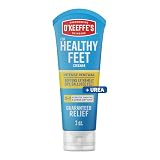
A urea-based foot cream is the dermatologist-recommended pick for cracked heels and dry feet. Five percent urea for maintenance, ten percent for repair, fifteen percent for severe cases. Apply at night, with cotton socks over the cream for absorption.
11. Hydrating Body Mist


A spray-on hydrating mist for the middle-of-the-day refresh. Useful in winter, with central heating drying the skin between morning and evening. Less essential than the shower-window products, but a small treat that earns its place in dedicated dry-skin routines. The best skincare essentials guide covers what else belongs alongside the routine.
12. In-Shower Body Lotion


Applied in the shower after washing, before toweling. The product stays on the skin after rinsing and seals in moisture better than out-of-shower lotion for some people. An alternative or supplement to the standard post-shower lotion, particularly useful for the rushed mornings when the three-minute window will be missed.
13. Bedroom Humidifier


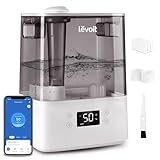
Indoor heating in winter and air conditioning in summer both drop indoor humidity to twenty percent or below, which the skin reads as desert conditions. A bedroom humidifier set to forty to fifty percent humidity does more for overnight skin hydration than any individual cream. The single highest-return body care purchase outside the products themselves.
14. Pure Glycerin (The Cheap Secret)


A bottle of pure glycerin from the pharmacy, mixed at five to ten percent into regular body lotion or applied directly to damp skin, dramatically increases water retention. Costs about five dollars, lasts a year, and is the active ingredient in most expensive hydrating creams. The cheapest upgrade available. The weekly self-care schedule covers how to fit the body care into the broader weekly routine, and the evening routine ideas guide covers how it slots into the wind-down.
Dry Skin Body Care FAQs
Should I apply body lotion to damp or dry skin?
Damp skin, within three minutes of toweling off. The window matters more than the lotion. Humectants in the lotion (glycerin, hyaluronic acid) need water to bond to; applied to dry skin, they pull moisture out instead of in.
How often should I exfoliate my body?
Twice a week for most skin. Three times a week for oilier body skin. Once a week or less for genuinely sensitive skin. Daily exfoliation damages the barrier and consistently makes dry skin worse over time.
What is the difference between body lotion, cream, and butter?
Lotion is the lightest, with the highest water content. Cream is heavier. Butter is the most occlusive, with the highest oil and shea content. Layer them: lotion daily, butter on stubborn areas at night. Cream sits between the two for very dry skin types.
Does a humidifier really help dry skin?
Yes, more than most creams do. Indoor humidity below twenty percent (typical with heating or AC) consistently produces dehydrated skin. Forty to fifty percent humidity is the sweet spot. A bedroom humidifier overnight is the single highest-return non-product change for dry skin.
Can I use my face serums on my body?
Yes, though body serums are formulated for the larger surface area and weaker skin of the body. Face serums on the body work but are an expensive way to do it. A dedicated body serum with hyaluronic acid or niacinamide is the more sustainable choice.
How long until dry skin body care shows results?
Hydration changes within a week. Texture and softness improvements at two to three weeks. The full effect on stubborn dry patches at six to eight weeks of consistent routine. The humidifier produces noticeable results within three nights.
Key Takeaways
- Body lotion applied within three minutes of toweling off outperforms expensive cream applied twenty minutes later.
- Twice-weekly exfoliation is the sweet spot; daily exfoliation damages the barrier and makes dry skin worse.
- A bedroom humidifier set to 40-50% humidity is the single highest-return non-product purchase for dry skin.
- Pure glycerin mixed into regular lotion is the active ingredient in most expensive hydrating creams; the cheapest upgrade available.
- Layer products in order: cleanser, exfoliator, serum, lotion, butter on stubborn areas, oil on legs at night.
What Dry Skin Body Care Routine Should You Start With?
Dry skin body care is a layering problem, not a budget one. The three-minute window after the shower is more important than any individual product. The humidifier matters more than the most expensive cream. The exfoliating mitt twice a week makes everything else work better. Done consistently across a season, the fourteen-product lineup above produces the kind of skin that no longer needs a longer lineup to maintain.
To turn these products into a routine, my body care ritual maps where each one goes, and this scented body routine shows how to layer fragrance over well-moisturized skin.
Last update on 2026-10-07 / Affiliate links / Images from Amazon Product Advertising API