
Minimalist skincare is the three-product floor that meets your barrier needs without overloading it. Cleanser, moisturizer, SPF. The INKEY List 2026 framing puts irritation 40 percent lower in three to four-product routines compared with eight or more, and the dermatology consensus is converging on the same minimum.
Minimalist skincare has been a phrase the skincare industry has spent the last five years trying to redefine into meaning something other than fewer products. “Minimalist” routines on TikTok now regularly include eight steps, three actives, two essences, and a sheet mask, which is the opposite of minimalism wearing the marketing label.
The original definition was correct. Fewer products. Used consistently. For longer.
This post is the genuine version, drawing on the INKEY List’s 2026 “smart skinimalism” framing, the broader dermatology consensus that has been moving toward simpler routines for two years, and the IML Research data on irritation reduction.
We cover the three-product floor that every skin type can run, the honest case for an optional fourth, and the four-week barrier rebuild that explains why nothing visible happens for the first month.
By the end you will have a routine you can buy for under $50 from drugstore brands, a realistic six-week expectation for results, and the explanation of why your skin gets worse during the first transition fortnight before it gets noticeably better.
Want a year-long planner that holds the routine cadence?
The Self-Care and Wellness Planner is the year-long companion built around daily anchors, the kind of structure that turns a three-product routine into a practice you actually run twice a day for six weeks. It lives here.
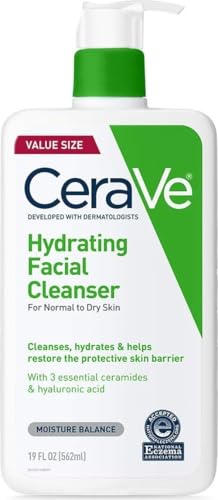
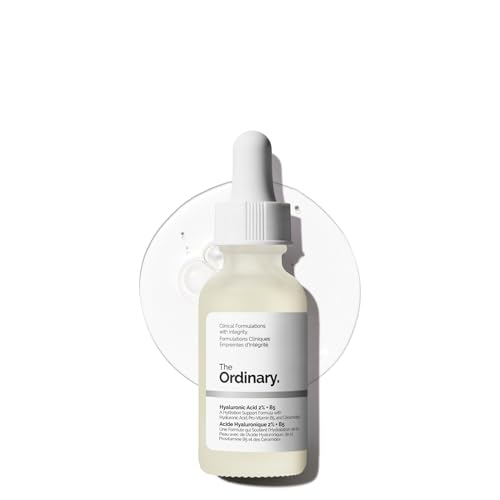
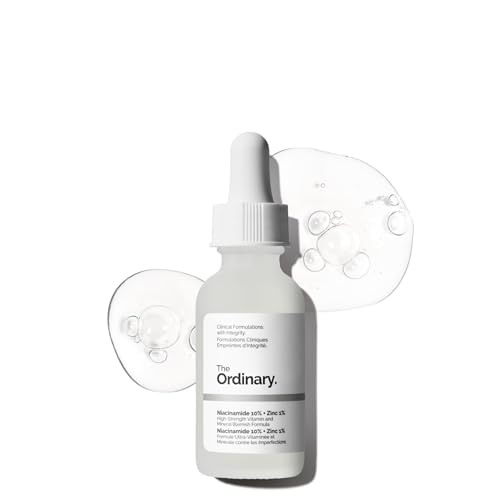
Recommended Minimalist Skincare Essentials
The three products that constitute the actual floor, plus two optional additions for specific situations. All five are drugstore-accessible and have stood up to the 2026 dermatology review consensus.


Recommended blogs to read:
- A Minimalist Beauty Routine for Calm Effortless Mornings
- A Barrier Care Routine for Healthy Glowing Skin
- Skincare by Skin Type for a Routine That Actually Works
- Skincare Routine Order for Beginners Made Simple
- A Clean Beauty Routine for Simple Non Toxic Self Care
The Three-Product Floor (the Working Minimum)
Every skin type, every age, every condition (with a few specific exceptions we will cover) does well on the same three-product floor. Cleanser, moisturizer, SPF. This is the version dermatologists recommend as the starting point, the INKEY List has built their 2026 framing around, and the version that produces the 40 percent irritation reduction the IML Research data shows.
Step 1, gentle cleanser, twice a day
A fragrance-free, low-pH cleanser. Used with lukewarm water for thirty seconds. The job is removing overnight sebum and daily pollution. The job is not stripping the barrier, which is what most aggressive cleansers do. If your skin feels tight after cleansing, the cleanser is too harsh.
Step 2, ceramide moisturizer, twice a day
Applied to slightly damp skin. Ceramides genuinely top up the lipid layer in your barrier. A pea-sized amount, patted from the cheeks outward. This is the step that does the longest-term work, and the step where skipping makes oily skin worse rather than better.
Step 3, SPF 30 minimum, every morning
The single highest-impact long-term skincare step at every age. Sunscreen does more to prevent the visible signs of skin ageing than any other intervention, including retinol. SPF 30 is the floor, SPF 50 is better if you can find one that wears well under makeup. Reapply every two hours if you are outside.
Why Three Products Beat Eight (the 40% Irritation Finding)
The INKEY List’s 2026 framing references the same study the broader dermatology community has been citing for two years, people running routines of three to four products experience 40 percent less irritation than those running eight or more. The mechanism is mechanical. Every active ingredient layered on the barrier carries a small irritation risk. Stacking actives multiplies the risk.
The skin barrier is also a structural layer of ceramides and lipids that needs time and stability to rebuild. Routines that change frequently or pile actives never let the barrier settle into the rebuild state. The minimal routine, run consistently, gives the barrier the stability it actually needs to repair, which is why nothing visible happens for the first three to four weeks and then everything happens at once in weeks six to twelve.
The IML Research data adds the piece most skincare content skips. The improvement is not just in irritation. Skin function (hydration retention, even tone, barrier strength) improves measurably on minimal routines compared with complex ones, which is the opposite of what the marketing suggests.
The Optional Fourth Product (for Specific Situations Only)
If the three-product floor has been steady for at least six weeks and you genuinely want to add one targeted product, the candidates are short. Add only one at a time. Wait three weeks before assessing.
- Niacinamide 10 percent. Good for general skin function, oil regulation, and barrier support. Lowest risk addition. Tolerated by nearly all skin types.
- Hyaluronic acid serum. Good for hydration if your moisturizer alone is not enough. Use on damp skin, then moisturizer immediately. Otherwise it can pull moisture out rather than adding it.
- Bakuchiol. Good for early texture concerns. Gentler than retinol and pregnancy-safe. Start two to three times a week, build up.
- Vitamin C serum (low strength, 10 percent). Good for brightness and antioxidant protection. Use AM under SPF. Skip if your skin reacts to acids.
Want a weekly planner just for the routine cadence?
The Self-Care Planner is the weekly companion that holds the morning and night versions, the actives schedule if you add the optional fourth, and the small daily check-ins that turn minimalist skincare into a practice you do not have to think about by week six. It lives here.
The Four-Week Barrier Rebuild (Why Patience Matters)
If you are transitioning from a complex routine to a minimal one, the first three to four weeks will look worse before they look better. This is the barrier rebuild. The skin had been compensating for the constant overload of actives, and removing them lets the underlying state show through.
This is not the routine failing. This is the routine working.
Around week four, the rebuild starts producing visible improvement. Calmer texture, less redness, slightly more even tone. Around week six to eight, the changes accelerate. By week twelve, the version of your skin the three-product floor produces is usually the calmest version you have seen since your early twenties.
Most people quit in week three, which is the worst possible week to quit.
When Minimalist Skincare Is Not the Right Answer
The three-product floor works for typical adult skin. It is not a treatment plan for specific dermatological conditions. Active acne, rosacea, perioral dermatitis, melasma, eczema, and persistent hyperpigmentation all benefit from dermatologist consultation. Sometimes that means a prescription topical that conventional minimalist routines do not include (tretinoin, hydroquinone, certain peptide complexes).
If the floor has been steady for six weeks and your skin is actively getting worse rather than better, that is a dermatologist visit, not a sign to add another product. The minimalist approach is meant to lower the noise so the real underlying issues become visible. Sometimes the underlying issue genuinely needs medical care.
Frequently Asked Questions
What is minimalist skincare?
Minimalist skincare is the three-product floor that meets your barrier needs without overloading them. Cleanser, moisturizer, SPF. The 2026 dermatology consensus and INKEY List both back this version, with the 40 percent irritation reduction being the key data point.
How many skincare products do I really need?
Three for the core (cleanser, moisturizer, SPF). One optional add (niacinamide, hyaluronic acid, bakuchiol, or low-strength vitamin C) if the core has been steady for six weeks. Anything above four for the average adult tends to undo the work.
Is minimalist skincare better for sensitive skin?
Yes. The 40 percent reduction in irritation the INKEY List references is most pronounced for sensitive and barrier-compromised skin, which struggles most with multi-active routines.
What is the 3-step skincare routine?
Cleanser, moisturizer, SPF. Used twice a day (SPF only AM). The simplest possible version that still produces all the long-term benefits skincare can deliver.
Does minimalist skincare work for oily skin?
Yes, and especially well. Skipping moisturizer is what trains oily skin to overproduce sebum. The three-product floor with a gel-cream moisturizer in step two is the version that produces the best long-term result for oily skin.
How long does minimalist skincare take to work?
Three to four weeks of transition (often looks worse), then visible improvement starting around week four, accelerating through week six to twelve. Most people quit in week three, which is the worst possible week to quit.
Key Takeaways
- Minimalist skincare is the three-product floor that meets barrier needs without overloading. Cleanser, moisturizer, SPF. Used twice a day, for six weeks before judging.
- The INKEY List 2026 framing references a 40 percent irritation reduction in three to four-product routines compared with eight or more.
- The optional fourth product, if added at all, is niacinamide, hyaluronic acid, bakuchiol, or low-strength vitamin C. Add only after six weeks of stable floor.
- The first three to four weeks of a transition will look worse. This is the barrier rebuild, not the routine failing. Around week four, improvement starts becoming visible.
- Active acne, rosacea, melasma, eczema, perioral dermatitis warrant a dermatologist visit, not another product addition.
Final Thoughts
Minimalist skincare done well is the three-product floor, used consistently for six weeks before any judgment, with one optional add if the floor stays steady. The 40 percent irritation reduction is real. The barrier rebuild is real.
The calmer skin that arrives quietly in week six is real. Three products do more than eleven, and the bathroom drawer that does not need an annual clearout is part of the result.
Last update on 2026-08-15 / Affiliate links / Images from Amazon Product Advertising API