
Happiness on hard days needs lower-friction interventions than the long-term wellness practices. A 10-minute walk, one real text to one friend, a hot shower, or three specific gratitudes. The small immediate move beats the elaborate self-care ritual when the energy is not there.
You hit the 3pm wall on a Tuesday, the inbox keeps refreshing without producing relief, the slump has settled in, and the next ten intentional minutes will either start the climb or sink the rest of the week.
Hard-day happiness is a different problem than good-day happiness. The long-term wellness practices (consistent sleep, daily movement, weekly therapy, meditation streak) produce the baseline that makes good days feel good. They do nothing for you at 3pm on a Tuesday when the slump is already here.
The hard-day toolkit needs low-friction interventions that produce small immediate shifts. A 10-minute walk that does not require special clothes. A real text to one specific friend, not the elaborate phone call. A hot shower. Three specific gratitudes written down.
The interventions that produce a measurable shift in 20 minutes are the ones that actually help on the day you needed them.
Want a weekly planner that holds the hard-day toolkit instead of trying to remember it in the moment?
The Self-Care Planner is the weekly companion that anchors the hard-day intervention list, the weekly check-in for when the slumps are clustering, and the small daily anchors that build the baseline good days feel good on. It lives here.
Recommended Books and Tools at a Glance
Five practical resources that support both the hard-day interventions and the longer-term baseline work.



Recommended blogs to read:
- Self Care Tips That Actually Change How You Feel
- Self Care Essentials Worth Building Your Routine Around
- Self Discovery Journal Prompts to Actually Know Yourself
- An Energy Reset for the Seasons When You Cannot Find the Bottom
- Emotional First Aid for the Small Daily Injuries Nobody Names
Why Hard-Day Interventions Need to Be Smaller
The wellness industry has trained the reflex of responding to a bad day by reaching for the full ritual: the 90-minute yoga class, the elaborate dinner, the long phone call with the deepest friend.
The honest problem with this approach is that the energy required to start the elaborate ritual is exactly the energy the hard day has already taken from you.
The smaller intervention (the 10-minute walk, the hot shower, the single text) produces a real shift specifically because the activation cost is low enough that you actually do it. UCLA Health’s mental-health research and Georgetown’s behavioral science work both converge on the same point: small specific actions consistently outperform elaborate interventions in moments of low capacity.
The other piece is sequencing. The hard-day interventions build on each other. The 10-minute walk creates enough shift to make the hot shower feel good rather than performative. The shower produces enough recovery to send the text. The text produces enough connection to make dinner feel possible.
Each small intervention compounds into the larger shift that the elaborate ritual alone could not have started, because you would never have made it past the activation cost.
The 10 Happiness Tips That Actually Work on Hard Days
Ordered by activation cost. The first three require almost zero energy. The middle four scale up gently. The last three are the recovery practices for when the hard day extends into a hard week.
1. Walk for 10 Minutes Outside
Not 30 minutes, not a workout, not a full hike. Ten minutes around the block. The light exposure, the gentle movement, and the change of scenery produce a measurable mood shift across consistent users in the 1.2 million-adult movement-and-mental-health research.
2. Take a Hot Shower
Fifteen minutes, hot water, a real soap that smells good. The thermal shift plus the sensory reset plus the physical privacy produces an immediate parasympathetic response. The hard-day intervention with the lowest activation cost in the entire category.
3. Send One Real Text to One Real Friend
Not the group chat. One specific person who you trust with the honest answer to ‘how is your day going.’ Even tiny interactions decrease loneliness and improve happiness per the research the Georgetown behavioral science team highlights. The 30-second outreach produces disproportionate return.
4. Practice Self-Compassion Instead of Affirmations

Kristin Neff’s research is clear that self-compassion outperforms positive affirmations when the day is already hard. The specific practice is asking what you would say to a friend in the same situation and saying that instead. Lower friction than the mirror affirmation, higher effectiveness.
5. Write Three Specific Gratitudes

Specificity matters here. ‘The way the coffee tasted at 7am’ produces more shift than ‘my coffee.’ UC Davis research shows cumulative mood lift from the gratitude practice when run consistently, with the specific version dramatically outperforming the generic one.
Want a year-long planner to track whether the hard-day toolkit actually shifts the harder weeks?
The Self-Care and Wellness Planner is the year-long companion that holds the hard-day intervention list, the weekly check-in for when the slumps are clustering, and the seasonal review that shows you whether the underlying baseline is shifting in ways the daily interventions cannot. It lives here.
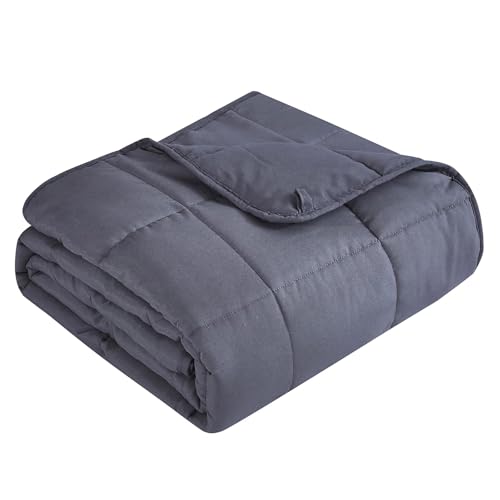
6. Use a Weighted Blanket for 20 Minutes

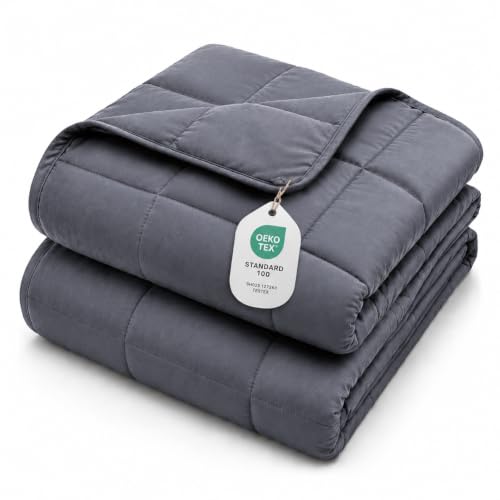
Deep pressure stimulation supports the parasympathetic nervous system in measurable ways. Lying under a 15- to 20-pound weighted blanket for 20 minutes in the afternoon produces a real recovery shift on hard days. The boring tool that quietly outperforms the trend wellness products.
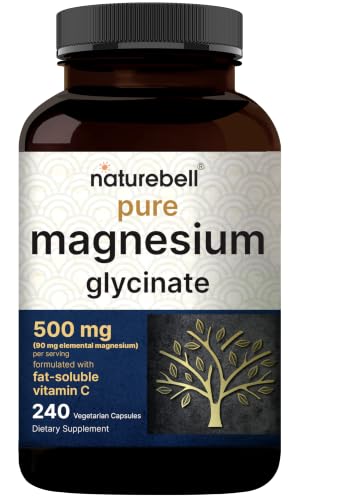
7. Take 200 to 400 mg of Magnesium Glycinate
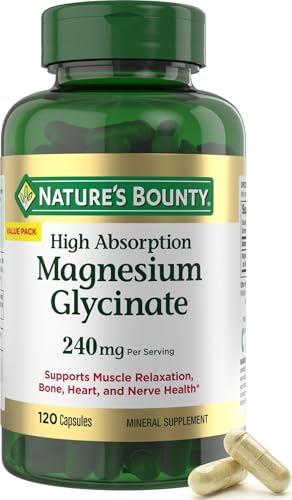

Magnesium glycinate at 200 to 400 mg in the evening supports both sleep onset and muscle relaxation. The supplement does not produce immediate mood change, but it carries the recovery into sleep, which is what makes the next morning a real reset rather than another continuation of the hard day.
8. Read 10 Pages of Anything
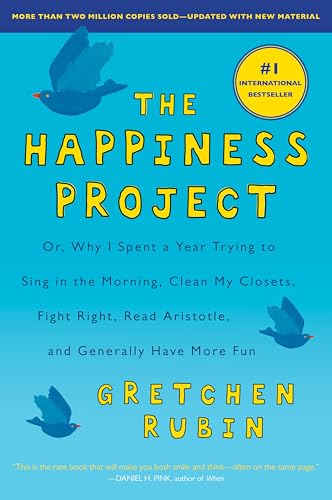

Ten pages of a book before bed replaces the scroll that amplifies the hard day. The format matters more than the content. Bedside reading reduces sleep-onset time and produces a quiet shift in mood that scrolling does not.
9. Lay Out Tomorrow’s Specific First Action

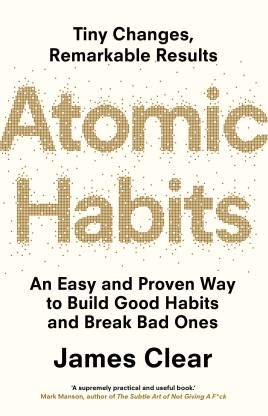
Hard days extend when the next morning starts with decision fatigue. Pick one specific small action for tomorrow morning, write it down, and put it where you will see it. The boring planning move that reduces tomorrow’s hard-day risk dramatically.
10. Schedule a Real Conversation This Week
One 45-minute conversation with one specific person who knows you well, scheduled for somewhere later in the week. The future-anchor produces a real shift in the present moment because the brain registers that the connection is coming, even if it has not arrived yet.
How to Build the Hard-Day Toolkit Before You Need It
Three rules for making the interventions actually available when the hard day arrives.
- Pre-stack the toolkit on a written list. The hard day is not when you remember which interventions work. The good day is when you write them down and put the list somewhere you will see it (phone notes, fridge, bedside).
- Keep the activation cost low across the whole list. If the intervention requires special clothes, a specific location, or a specific person being available, it fails when the hard day arrives. The walk-around-the-block version is what survives.
- Build the baseline practices on the good days. The hard-day toolkit works best when it is layered on top of a baseline that already includes consistent sleep, daily movement, and real social connection. The baseline is what makes the hard days less frequent and the toolkit more effective.
When the Hard-Day Toolkit Is Not the Answer
Persistent depression, generalized anxiety, post-traumatic stress, and significant life-functioning impairment all warrant a therapist visit rather than another walk-around-the-block. The hard-day toolkit supports a baseline that already responds to behavioral intervention; it does not replace clinical care when the underlying issue needs professional support.
If hard days run together into hard weeks and hard weeks into hard months without an external cause, the pattern is signaling something the behavioral tier cannot fix. A single therapy consultation or a baseline blood panel often surfaces what the actual driver is (depression, hypothyroidism, low vitamin D, anemia).
Frequently Asked Questions
What are simple happiness tips?
Walk 10 minutes outside, take a hot shower, send one real text to one specific friend, write three specific gratitudes, practice self-compassion instead of affirmations. The low-friction interventions consistently outperform the elaborate wellness rituals on hard days.
What makes you happy on hard days?
Lower-friction interventions than the long-term wellness practices. The 10-minute walk, the hot shower, the real text, the specific gratitudes. The 90-minute yoga class requires the energy the hard day has already taken; the small interventions do not.
How can I be happier this year?
Build the baseline practices (consistent sleep, daily movement, weekly real social connection, self-compassion practice) on the good days. Pre-stack the hard-day toolkit on a written list. The baseline plus the toolkit produces a measurable shift in overall wellbeing across six months.
Does gratitude actually work for happiness?
Yes, when practiced consistently and specifically. UC Davis research shows cumulative mood lift from three specific gratitudes per day across consistent users. The generic version (‘my family, my health, my home’) underperforms the specific version dramatically.
What is the difference between happiness and contentment?
Happiness is the active positive emotion. Contentment is the baseline acceptance that does not require positive emotion to feel good. The hard-day toolkit supports happiness directly; the self-compassion practice supports contentment indirectly.
How long until happiness practices show results?
Hard-day interventions produce shift within 20 to 60 minutes. Baseline practices (sleep, movement, connection, gratitude) produce visible shift across six to eight weeks of consistent use. The long-term wellbeing shift compounds across months and years.
Key Takeaways
- Hard-day happiness needs lower-friction interventions than good-day happiness. The 10-minute walk, the hot shower, the single text outperform the elaborate wellness rituals when energy is low.
- The hard-day toolkit interventions build on each other. The walk creates enough shift for the shower. The shower creates enough recovery for the text. Each small action compounds.
- Pre-stack the toolkit on a written list while the day is still good. Hard days are not when you remember which interventions work; they are when you reach for the list you wrote on a calmer day.
- Build the baseline practices (consistent sleep, daily movement, real social connection, self-compassion) on good days. The baseline is what makes hard days less frequent and the toolkit more effective.
- Persistent depression, generalized anxiety, post-traumatic stress, and significant life-functioning impairment warrant a therapist visit. The toolkit supports a baseline; it does not replace clinical care.
Final Thoughts
Happiness on hard days is a small-tools problem, not a big-rituals problem. The 10-minute walk. The hot shower. The real text to one specific friend. The three specific gratitudes. The self-compassion response instead of the harsh internal critic. The interventions that survive when the energy has already gone are the ones with low activation cost and high sequential payoff.
Pre-stack the toolkit on a good day, build the baseline practices alongside it, and the hard days that arrive across the year find you already holding the list of small actions that actually work.
Last update on 2026-08-15 / Affiliate links / Images from Amazon Product Advertising API