

Quick Answer: Real new year self improvement in 2026 means picking small, science-backed practices and running them long enough to compound. Micro-habits beat resolutions almost every time, and one or two practices done well outperform ten done badly.
Real self-improvement in 2026 is slower, smaller, and more boring than the version sold on TikTok. That’s the entire reason it works.
The cold plunge, the 4 AM wake-up, the 12-step morning routine. The people selling them are usually selling something else underneath. What actually compounds is closer to one small habit, kept for ninety days, on a Tuesday you’d rather skip.
Recommended Products for Real Self-Improvement
These are the five that show up across the actual research on habit formation and personal growth. Tools matter less than showing up, but the right ones lower the friction.





Recommended Reads
- How to Redefine Success in the New Year
- What Intentional Living Really Means in Everyday Life
- Positive Mindset Practices That Help Rewire Your Thinking
- How to Reset Your Life When You Need a Fresh Start
- Healthy Habits for the New Year That Feel Easy to Keep
What does real self-improvement actually look like in 2026?
The self-improvement industry sold a story for fifteen years: dramatic overhauls, five-AM routines, ice baths, supplement stacks. The data is in, and the story is mostly false. Most of those routines collapse by week three, and the few that hold belong to a small subset of people whose lives accommodate them in the first place.
The 2026 version of self-improvement is the opposite. Micro-habits over major overhauls. Science-backed wellness over viral hacks. Mindful technology use over hustle aesthetics. The shift is from doing more to doing fewer things, better and longer.
Why most self-improvement plans fail by mid-February
Research from the University of Scranton has shown that only about 8% of people who make new year resolutions actually achieve them, with the often-cited figure that 80% of resolutions are abandoned by mid-February.
The Wharton fresh start research from Dai, Milkman, and Riis offers the mechanism: the motivation window from a new year lasts roughly four to eight weeks, and most plans are built only for the energetic part.
The fix isn’t more discipline. It’s smaller plans designed to outlast the motivation window. Phillippa Lally’s University College London habit-formation study put automaticity at sixty-six days on average. If your plan can’t survive that long on its own structure, the discipline alone won’t carry it.
The 12 self-improvement ideas that actually move the needle
Pick one. Maybe two. Run it for six weeks before adding anything else. That’s the actual self-improvement plan.
1. Micro-habit stacking


Pair a tiny new habit (one push-up, one page of reading, one minute of meditation) to a habit you already have. Coffee plus one page. Brushing teeth plus a quick mobility move. The stack works because the existing habit is the cue.
James Clear’s Atomic Habits made the framing popular; the underlying research (BJ Fogg’s tiny habits model) has been around for a decade. The principle: don’t try to install a habit on its own. Attach it.
2. Consistent sleep timing


Sleep researchers have repeatedly found that consistency matters more than total hours. Going to bed and waking up within a 45-minute window every day (yes, even weekends) does more for nervous-system regulation than any supplement. The 2026 wellness shift away from biohacking toward foundational sleep is the most under-marketed improvement on this list.
3. Strength training twice a week


Twice a week. Forty-five minutes. The benefits compound across metabolic health, bone density, mood, sleep quality, and longevity.
The Strength Training research keeps growing; a 2022 meta-analysis in the British Journal of Sports Medicine found just thirty to sixty minutes of resistance training per week reduced all-cause mortality risk by 10 to 17 percent. Twice a week is the dose that hits.
4. Read 10 pages a day

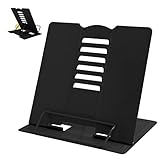

Ten pages a day is twelve to fifteen books a year. The math is unromantic; the result is significant. Reading slows the mind, expands vocabulary, sharpens attention, and (in studies on emotional reading specifically) measurably improves empathy. Ten pages takes ten to fifteen minutes. Pair it with coffee or with the wind-down before sleep.
5. Hydration tracking


Mild dehydration impairs cognition, mood, and energy across multiple studies. The fix isn’t dramatic; it’s a bottle on your desk, finished by lunch, refilled, finished by dinner. The improvement isn’t glamorous, but the baseline shift in afternoon energy is what most people miss when they skip this one.
6. A daily walk, ideally outdoors


Twenty to thirty minutes a day. Outdoors when possible. The walking research is among the strongest in any of the lifestyle medicine literature: improvements in mood, cognition, cardiovascular health, creativity, and sleep.
The Stanford study by May Wakefield in 2014 found a 60% boost in creative output during and shortly after walks. Most adults underestimate how much this single practice changes.
7. Weekly reflection


Fifteen minutes, same time each week. Sunday evening or Friday afternoon. Three questions: what worked this week? What didn’t? What’s one small change for next week? Researchers studying deliberate practice have found that the reflection itself, not the practice it follows, is what compounds learning. Without reflection, repetition produces less growth.
8. Mindful technology use

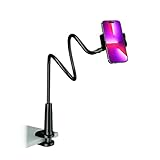

Phone out of the bedroom at night. Notifications off during work blocks. Social media windows, not all-day access.
The average US adult checks their phone 144 times a day; researchers studying attention have repeatedly found this level of fragmentation degrades focus, mood, and even short-term memory. The improvement isn’t from quitting tech; it’s from using it intentionally.
9. One social skill per quarter


Pick one social skill (asking better questions, naming emotions clearly, holding difficult conversations, sending one slow text per week) and practice it for three months. Most self-improvement skips the social dimension entirely, which is a mistake; the Harvard Adult Development study has shown for decades that depth of relationships is the strongest single predictor of late-life wellbeing.
10. Monthly finance check-in
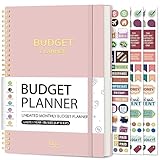


Once a month. Forty-five minutes. Open all your accounts. Look at what came in, what went out, what surprised you. Adjust one thing.
The check-in does more for financial wellbeing than any spreadsheet or app, because it builds awareness, which is the prerequisite for everything else. The Dominican University goal-writing research applies here too: writing down one financial intention per month makes it 42% more likely to land.
11. A learning practice


Pick one thing to learn this year. Not five. One. Cooking, a language, a software skill, an instrument, a sport. Forty-five minutes a week is plenty; the discipline of returning to the same skill repeatedly is what creates mastery. Researchers studying neuroplasticity have found that deliberate skill practice into adulthood preserves cognitive flexibility in ways no other activity matches.
12. A daily gratitude practice


Three specific things, written down, each night before bed. Specific is the variable. Not ‘my family’ but ‘the way my partner laughed at dinner.’ Researchers at UC Davis, particularly Robert Emmons, have produced over twenty years of evidence that this practice measurably improves mood, sleep, and resilience. The improvement is reliable; the time investment is two minutes.
How to pick which idea is right for you in 2026
Two filters help. First: which idea, if done consistently, would compound the most over the next twelve months? Some practices have outsized returns (sleep consistency, daily walks, weekly reflection) and some are more lateral. Pick from the high-compound list first.
Second: which idea fits the life you already have? A daily walk fits almost any life. Strength training twice a week needs slightly more infrastructure. Pick the practice that requires the least restructuring to install. You can add the harder ones later, once the easier ones are running on autopilot.
The 6-week pilot method
Six weeks is long enough to know whether a practice is going to stick, and short enough that it doesn’t feel like a forever commitment. The pilot has four rules.
One: pick one practice. Two: pair it with an existing cue. Three: track only whether you did it (yes or no), not the quality. Four: at the end of six weeks, decide whether to keep it, modify it, or drop it. The pilot framing lowers the stakes and the resistance, which is what makes most pilots survive past week three.
What to do when you slip
You will slip. The Lally habit research found that one missed day had no significant effect on long-term automaticity. Multiple consecutive misses did. The fix is small: restart from the next available cue, not from the next available Monday. The faster you return to the practice, the less the slip costs you.
While your six-week pilot runs, these books for self improvement keep the ten-pages-a-day habit easy, and my self improvement tips that work help when a practice starts to slip.
New Year Self Improvement FAQs
What’s the most effective self-improvement habit?
Consistent sleep timing is the practice with the strongest research return and the lowest restructuring cost. Going to bed and waking up within a 45-minute window every day improves nearly every other lifestyle metric (mood, focus, energy, recovery). It’s the foundation most self-improvement skips.
How do I actually stick to new year self-improvement goals?
Use the six-week pilot method. Pick one practice. Pair it with an existing cue (morning coffee, evening walk). Track only whether you did it (yes or no), not the quality. The Wharton fresh start research shows motivation windows close around weeks four to eight, so the pilot is designed to survive past that drop.
How many self-improvement habits should I start at once?
One. Maybe two. The 80% failure rate from the University of Scranton resolution research applies almost entirely to people who tried to install too many habits at once. Phillippa Lally’s habit-formation work found average automaticity at sixty-six days; you can’t run sixty-six days at five practices.
What’s the difference between micro-habits and resolutions?
Resolutions are typically large outcome goals (lose 30 pounds, save 20K, run a half marathon). Micro-habits are tiny daily actions designed to compound (one push-up, one page, one minute). The 2026 research consensus favors micro-habits because they survive low-motivation weeks; resolutions tend to need high motivation continuously.
Is self-improvement actually possible after age 35?
Yes, and the neuroplasticity research has been clear on this for over a decade. Deliberate practice into adulthood preserves cognitive flexibility and physical capacity in ways that no other activity does. The popular myth that self-improvement is for the young is contradicted by decades of longitudinal data.
Key Takeaways
- Real self-improvement in 2026 is smaller, slower, and science-backed.
- Pick one or two practices. Run a six-week pilot. Track only whether you did it.
- The highest-compound practices: sleep consistency, daily walks, weekly reflection, strength training.
- University of Scranton: 80% of resolutions fail by February. Smaller plans built for low-motivation weeks survive longer.
- One missed day rarely matters; multiple consecutive misses do.
Where to actually start
Pick one practice from the twelve above. Pair it with something you already do. Run it for six weeks. That’s the start of a year that actually compounds.
Last update on 2026-10-07 / Affiliate links / Images from Amazon Product Advertising API