

The self improvement books that genuinely change how you think are the ones that solve a specific lived problem you already have. Atomic Habits for habit design. Mindset for stuck thinking. Subtle Art for values clarity. Match the book to the actual problem.
Quick answer: The best books for self-improvement match a problem you already have: Atomic Habits for habit design, Mindset by Carol Dweck for a harsh inner voice, The Let Them Theory for other people’s choices, and The Untethered Soul for inner chatter.
Bill Gates reads roughly 50 books a year, a habit he has documented across decades of public reading lists. The number is not the point. The point is the daily structure underneath the number: 30 to 60 minutes of reading every morning before anything else opens, the books physically beside the bed, the notes captured in a journal after each session, and the pattern of pairing each book with a specific lived problem it was selected to address.
The self improvement books that actually change how you think are the ones that solve a specific lived problem you already have, not the random Goodreads list copied into a Pinterest pin and abandoned by chapter three. James Clear’s Atomic Habits solves the habit-design problem (how to build the small actions that compound).
Carol Dweck’s Mindset solves the stuck-thinking problem (how the fixed mindset blocks growth). Mark Manson’s The Subtle Art of Not Giving a F*ck solves the values-clarity problem (what actually matters versus what feels like it should matter). Mel Robbins’s Let Them Theory solves the external-control problem (the energy wasted on people and outcomes you cannot move).
Match the book to the version of stuck you actually are. The right three books read carefully across a year beat 30 books skimmed without intention every time.
Five Self Improvement Books Worth Starting With
Five canonical starting points covering habits, mindset, values, boundaries, and emotional regulation. The numbered books further down expand the list to ten.




Recommended blogs to read:
- Self Improvement Tips That Actually Work in Real Life
- Self Improvement Tips That Changed My Daily Routine
- How to Change Yourself Without Becoming Someone Different
- Micro Habits That Add Up to Real Change
- Personal Finance Books That Change How You Think About Money
Why the Right Three Books Beat the Random Thirty
The self-improvement reading culture often celebrates the volume number (the 50-books-a-year claim, the 100-books-a-year challenge) without attending to the harder question of whether the books read actually solved the problem the reader had.
The 30 books skimmed without intention produce the appearance of self-improvement; the three books read carefully and matched to specific lived problems produce the actual shift in thinking.
The pattern shows up in research on deep reading versus skimming: deep reading produces long-term retention and mental-model installation, while skimming produces short-term recognition and almost no retention at all.
The selection question matters more than the volume question. Which book solves the problem you actually have. Atomic Habits is the wrong book if your problem is not habit design. Mindset is the wrong book if your problem is not stuck thinking.
The Subtle Art is the wrong book if your problem is not values clarity. The right three books read across a year, with notes taken and the lessons applied to daily decisions, produce more change than the 30-book reading list approached as a consumption challenge.
The match-the-book-to-the-problem framework is the differentiator between the reading habit that compounds and the reading habit that decorates the bookshelf.
The 10 Self Improvement Books That Change How You Think
Ordered roughly by foundational depth. Each book is paired with the specific lived problem it solves. Pick the book that names your version of stuck.
1. Atomic Habits by James Clear


Solves the habit-design problem. The 1% better daily compounding math. The identity-based habits framework (“every action is a vote for the type of person you wish to become”). The four laws of behavior change (make it obvious, attractive, easy, satisfying).
The book is the foundational text on small consistent actions that compound across years into a different life. Start here if the problem is execution rather than intention.
2. Mindset by Carol Dweck


Solves the stuck-thinking problem. The fixed mindset treats abilities as innate and unchangeable, which makes every failure a verdict on identity. The growth mindset treats abilities as developable through effort, which makes every failure data about what to adjust.
The book is the foundational text on the internal frame that determines whether self-improvement is possible at all. Start here if the problem is the internal voice that keeps shutting things down.
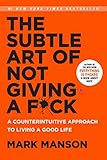
3. The Subtle Art of Not Giving a F*ck by Mark Manson


Solves the values-clarity problem. The book argues that the limited daily supply of attention should be spent on the small number of things that actually matter, not on the long list of things that feel like they should matter.
The reframing of struggle (“what are you willing to suffer for”) cuts through the vague good-vibes-only self-help approach and produces the harder clarity about what is worth committing to.
4. The Let Them Theory by Mel Robbins

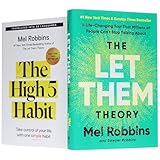
Solves the external-control problem. The two-word framework (“Let Them”) releases the energy spent on managing other people’s behavior, opinions, and outcomes you cannot move. The book is the practical antidote to the people-pleasing pattern that drains the energy needed for the actual growth work. Start here if the problem is exhaustion from trying to control what cannot be controlled.
5. The Untethered Soul by Michael Singer
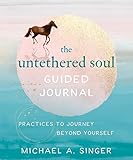

Solves the inner-noise problem. The book introduces the practice of witnessing the internal voice rather than identifying with it, which produces an immediate shift in the experience of anxiety, rumination, and emotional reactivity. The practice is simple and compounds across months into a fundamentally different relationship with the mind. Start here if the problem is the relentless internal commentary.
6. Tiny Habits by BJ Fogg


Solves the habit-installation problem. Fogg’s Stanford research on the smallest possible behavior anchored to an existing routine. “After morning coffee, two push-ups.” The book is the companion to Atomic Habits and arguably the easier starting point for readers who want the behavior-design science before the compounding-math framing.
7. Daring Greatly by Brené Brown


Solves the vulnerability-avoidance problem. Brown’s research on shame, vulnerability, and the courage to show up imperfectly produces the framework for taking the stretch assignment, having the hard conversation, and engaging the work that scares you. The book is the bridge between self-knowledge and actual courageous action.
8. Big Magic by Elizabeth Gilbert


Solves the creative-block problem. Gilbert’s philosophy of creative living without fear of outcomes. The book is the antidote to the perfectionism that keeps the manuscript unfinished, the project unstarted, and the creative life perpetually deferred to a more confident future version of yourself.
9. The Book of Boundaries by Melissa Urban


Solves the over-extension problem. Urban’s specific boundary-setting scripts for work, family, friendships, food, alcohol, and the rest of the common over-extension territories. The book gives you the exact language for the conversations that have been silently draining the energy the larger growth work requires.
10. The Power of Habit by Charles Duhigg


Solves the habit-mechanism problem. Duhigg’s cue-routine-reward loop is the structural explanation of why habits run on autopilot once installed and why the same loop can be redirected toward the desired behavior. The book is the scientific foundation for the Atomic Habits practice. Read it second if Clear’s book felt useful but you want the deeper mechanism.
How Long Before the Reading Habit Starts Changing How You Think
The first measurable shift arrives between weeks two and eight. The first book has been finished. The daily 20-minute reading slot has begun to feel like a default rather than a struggle. The book notes have produced the first set of mental models that surface in actual decisions.
The matched-to-the-problem selection has produced visible shifts in the specific stuck area the book was chosen to address. Weeks one through two are the discomfort window where the reading slot feels like extra work and the pull toward the phone is loudest.
The deeper compounding gains arrive between months three and 12. The first three to five books have been finished, with notes captured and applied. The reading habit has produced the mental-model vocabulary the internal voice now uses (“identity-based habits,” “growth mindset,” “witnessing the inner voice”).
The reading practice has shifted the way decisions get made because the new frameworks have been installed as the default thinking patterns.
The boring 20-minute daily reading habit has done what it always does across enough time: produced the compounding intellectual gain the dramatic 100-book-a-year challenge almost never matches.


Self-Improvement Book FAQs
What is the best self-improvement book?
There is no single best book. The right book is the one that solves the specific lived problem you actually have. Atomic Habits for habit execution. Mindset for stuck thinking. The Subtle Art for values clarity. The Let Them Theory for external-control exhaustion. Match the book to the problem.
How many self-improvement books should I read?
Three to five carefully chosen books across a year, with notes taken and lessons applied, produces more change than 30 books skimmed without intention. The selection question matters more than the volume question. Quality over quantity beats quantity over quality every time.
Do self-help books actually work?
The right book read carefully and applied produces real shifts in thinking and behavior. The wrong book or any book read passively without application produces almost nothing. The variable is not the book itself but the matching of the book to a real problem and the active application of the framework to daily decisions.
Which self-improvement book should I read first?
If the problem is habit execution, start with Atomic Habits. If the problem is stuck thinking, start with Mindset. If the problem is exhaustion from external pressures, start with The Let Them Theory. If the problem is the relentless internal voice, start with The Untethered Soul. Name the problem first, then pick the book.
How do I read self-improvement books effectively?
Twenty to thirty minutes of focused reading daily, ideally in the morning before the inbox opens. Take notes in a dedicated reading journal. Identify one specific framework per book to apply this week. Review the notes at the Sunday weekly review. The active application is what differentiates the reading habit that compounds from the reading habit that decorates the bookshelf.
How long until I see results from self-improvement reading?
First measurable shifts between weeks two and eight as the first book is finished and the first framework is applied. Compounding gains between months three and 12 as the matched books produce the mental-model vocabulary the internal voice now uses. The reading practice shifts decision-making once the frameworks have been installed.
Key Takeaways
- Self improvement books change how you think when they are matched to a specific lived problem you already have.
- Atomic Habits for habit design. Mindset for stuck thinking. Subtle Art for values clarity. Let Them Theory for external-control exhaustion.
- Three to five carefully chosen books across a year beat 30 books skimmed without intention.
- Active application of one framework per book to daily decisions is the differentiator between the reading habit that compounds and the one that decorates the shelf.
- Twenty to thirty minutes of focused morning reading, notes in a dedicated journal, frameworks reviewed at the Sunday weekly review.
- First shifts between weeks two and eight. Compounding gains between months three and 12.
Which Self-Improvement Book Should You Read First?
The self improvement books that actually change how you think are the ones matched to the specific lived problem you already have. Atomic Habits if execution is the stuck point. Mindset if internal voice keeps blocking growth. The Subtle Art if values clarity is missing.
The Let Them Theory if the energy is leaking into other people’s choices. The Untethered Soul if the inner commentary will not quiet. Pick the book that names your version of stuck. Read it carefully. Take notes. Apply one framework this week. Add the second book only after the first one’s framework has been integrated.
The compounding intellectual gain arrives between months three and 12. The boring 20-minute daily reading habit produces the change every 100-book-a-year challenge keeps promising and almost never delivering.
Reading lands better with reflection, so pair your book with these self-discovery journal prompts, and if you’re starting fresh in January, my new year self-care ideas make room in the routine for daily pages.
Last update on 2026-10-09 / Affiliate links / Images from Amazon Product Advertising API