

Summer self care that holds rests on five anchors: 8 to 10 glasses of water daily with electrolytes on hot days, cooling sleep solutions, lighter skincare with daily SPF, a deliberate balance against social burnout, and outdoor movement during the cooler morning window.
Quick answer: Summer self care rests on five anchors: deeper hydration on hot days, cooler sleep, lighter skincare with daily SPF, a protected restorative day to avoid social burnout, and outdoor movement in the cooler morning window.
Sleep quality drops by roughly 5 to 15 percent in the average bedroom when indoor temperature rises above 75°F, and dehydration of as little as 2 percent of body weight measurably affects mood, focus, and afternoon energy. Summer is the season most adults treat as a self-care pause, and the data is unusually clear that the pause backfires.
Summer self care is not the elaborate version of winter self care done in shorts. The season asks for different anchors: deeper hydration, cooler sleep environments, lighter skincare layers, deliberate social pacing, and a morning-light movement window that summer makes uniquely available. The five anchors below cover almost all of what summer well-being asks for, with no expensive interventions required.
Recommended Products for Summer Self Care
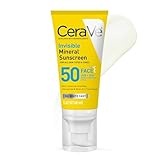
A handful of summer-specific items quietly make the season more comfortable. The five below show up consistently on the kitchen counters and bedside tables of women who keep summer self care going through August.



Recommended reads:
- Seasonal Self Care Ideas for Every Time of Year
- Spring Self Care Rituals to Help You Feel New Again
- Autumn Self Care Ideas for a Slower More Grounded Season
- A Weekly Self Care Schedule That Actually Fits Your Life
- A Morning Skincare Routine for Dewy Glowing Skin
Why Summer Self-Care Is Different
Heat Changes the Body’s Demands
Hot weather raises baseline cortisol slightly, increases water loss through skin and breath, disrupts sleep architecture, and accelerates UV damage to skin. The winter routine, which protects against cold and dryness, does almost nothing for any of those summer-specific demands. A different season needs a different version of the same anchors.
The Common Summer Self-Care Mistakes
Skipping breakfast in favor of an iced coffee. Letting bedtimes drift past midnight because the light feels permissive. Cancelling self-care entirely in favor of vacation mode. Each of those compounds the season’s hidden physical demands. For the broader cross-season view, the seasonal self care framework holds the five universal foundations across all four seasons.
The Hydration Baseline
How Much Water Summer Actually Asks For
The standard 8 cups of water per day baseline rises to 10 to 12 in summer for most adults, more for anyone exercising outdoors. Carrying a 32-ounce insulated bottle and refilling it twice covers the baseline without thinking about it. Dehydration of just 2 percent of body weight measurably reduces mood, focus, and afternoon energy.
Water-Rich Foods That Do Double Duty
Watermelon, cucumber, oranges, strawberries, and lettuce are all over 90 percent water by weight. Adding any one of those to lunch contributes a meaningful fraction of daily hydration while delivering electrolytes and fiber. The summer salad is not just a season-appropriate craving; it is a hydration tool.
When to Add Electrolytes
Plain water alone can dilute sodium levels during heavy sweating, which produces the headache and fatigue most people misread as dehydration. A pinch of salt and a squeeze of lemon, or a packet of electrolyte powder, restores the balance. Most adults need this on any day spent outside above 80°F or after any workout that lasts longer than thirty minutes.
Sun Protection That Holds
The Daily Mineral SPF Habit
Mineral sunscreen with SPF 30 or higher, applied every morning regardless of weather, prevents more visible aging than any anti-aging product can reverse. The face accumulates about 80 percent of its lifetime visible damage from UV exposure, and most of that comes from incidental sun on commuting and errand days, not from beach trips.
Daily mineral SPF is the single highest-return skin investment available in summer.
Reapplication Without the Hassle
A pressed-powder SPF or a mineral spray over makeup at lunch reapplies the protection without disturbing the face. Two minutes. Most women skip this step because it feels fussy, but the cumulative protection across a summer is the difference between visibly even tone in October and visibly uneven tone.
The mindful morning routine covers where the SPF step fits in the morning sequence.
Summer Sleep Without Cool Bedrooms
The 65 to 68 Degree Range
Core body temperature has to drop two to three degrees Fahrenheit for sleep to begin properly. A bedroom above 75°F fights this biology and produces measurably more restless sleep. The research sweet spot is 65 to 68°F. Air conditioning helps, but is not the only path.
The Cooling Solutions That Work Without AC
A cooling pillow or a cooling mattress topper. Breathable cotton or bamboo sheets. A fan on low at the foot of the bed (the air movement matters more than the air temperature). A cool shower an hour before bed (the temperature drop afterwards signals melatonin).
Most apartments hit usable sleep temperatures with two or three of those moves combined. The improve your sleep guide covers the broader sleep environment optimisation.
The Lighter Skincare Pivot
From Cream to Layered Hydration
Heavy winter creams over-occlude in summer humidity, which traps sweat and produces the breakouts most women blame on diet. The summer pivot is layered lighter hydration: a humectant serum on damp skin (hyaluronic acid, niacinamide), followed by a lighter gel-cream moisturizer.
Water content stays high; occlusion drops. Skin reads as fresher within about two weeks. The best hydrating serums covers the picks that work alongside the lighter routine.
The Mid-Day Hydrating Mist
A small hydrating face mist in the bag, used once or twice during a hot day, delivers a fast cooling effect plus a small refresh of surface hydration. The mist is not skincare in the dermatological sense, but it does meaningful work on summer comfort. About $15 lasts a full season.
The Social Self-Care Balance
Why Summer Burnout Is Real
Summer schedules accumulate weddings, family visits, vacations, and the longer-evenings pull toward saying yes to everything. The hidden cost is the loss of restorative time. Most women hit a clear social-burnout wall sometime between mid-July and early August. The wall is preventable.
The One-Restorative-Day-Per-Week Rule
Block one day per week with no social commitments. Not a chore day. A genuinely open day for rest, reading, slow cooking, or a long walk. Treating the day as non-negotiable, marked in the calendar like a meeting, holds it against the pressure to fill it.
The cumulative effect across a summer is the difference between September arriving with energy or with depletion.
Outdoor Movement Without Burnout
The Morning Window
Summer’s gift is the early morning light window. Sunrise between 5:30 and 6:30 AM (depending on latitude) makes a 30-minute walk between 6 and 7 AM both cool enough to enjoy and bright enough to anchor circadian rhythm for the day. The same walk attempted at 6 PM in summer heat tends to feel like a chore.
The Evening Cool-Down Walk
When morning movement does not work, the post-dinner walk between 8 and 9 PM as the air cools is the secondary option. The evening walk supports digestion, produces a gentle parasympathetic shift, and gives the body its final dose of natural light before bed.
The winter self care is the opposite-season sibling of this principle, and the cozy night routine translates evening practice to colder months.
Summer Self Care FAQs
How much water should I drink in summer?
10 to 12 cups daily for most adults, more for anyone exercising outdoors. A 32-ounce insulated bottle refilled twice covers the baseline. Add electrolytes (a pinch of salt and lemon, or a powder packet) on days above 80°F or after workouts longer than thirty minutes.
What foods help with summer heat?
Watermelon, cucumber, oranges, strawberries, and lettuce are all over 90 percent water by weight. Adding any one of those to lunch contributes meaningfully to daily hydration while delivering electrolytes and fiber.
How do I sleep in hot weather?
Aim for a bedroom between 65 and 68°F. Use a cooling pillow, breathable cotton or bamboo sheets, and a fan on low (the air movement matters more than the air temperature). A cool shower an hour before bed triggers the temperature drop that signals melatonin release.
Do I need different skincare in summer?
Yes, slight changes. Swap heavy winter creams for layered lighter hydration: a humectant serum on damp skin, then a gel-cream moisturizer. Daily mineral SPF non-negotiable. Add a hydrating mist for mid-day refresh on hot days.
How do I avoid summer burnout?
Block one restorative day per week with no social commitments. Mark it in the calendar like a meeting. The cumulative effect across a summer is the difference between September arriving with energy or with depletion.
What’s the best summer morning routine?
A 30-minute walk between 6 and 7 AM when the air is still cool, paired with the daily SPF and breakfast. The morning light anchor sets circadian rhythm for the day and cools the body before the afternoon heat builds.
Key Takeaways
- Sleep quality drops 5-15% when bedroom temperature rises above 75°F; the research sweet spot is 65-68°F.
- Dehydration of just 2% of body weight measurably affects mood, focus, and afternoon energy.
- Daily mineral SPF prevents more visible aging than any anti-aging product can reverse; the face is roughly 80% sun-driven aging.
- One restorative day per week, marked in the calendar like a meeting, prevents the mid-July to early August social-burnout wall.
- The 6-7 AM walk window is summer’s most underused asset for circadian anchoring and cool-enough outdoor movement.
What Summer Self Care Habits Matter Most in the Heat?
Summer self care is the quiet practice of giving the body the five anchors the season specifically asks for. Deeper hydration. Cooler sleep. Lighter skincare with non-negotiable SPF. A protected restorative day each week. A morning movement window the season makes uniquely available.
None of it is expensive. All of it compounds across the months between June and September, and by autumn the body arrives intact rather than depleted.
Heat can make some weeks of the month harder than others, so my guide to period self-care adapts these anchors, and this creator burnout self-care guide helps if a busy summer online is part of the strain.
Last update on 2026-10-09 / Affiliate links / Images from Amazon Product Advertising API