

Spring self care is the practice of lightening what winter weighted: heavier food shifts to greens and citrus, dense moisturizers swap for lighter hydrating layers, indoor habits move outdoors, and spring cleaning becomes a real mental reset rather than a chore.
Quick answer: Spring self care lightens what winter weighted: greens and citrus instead of heavy food, lighter hydrating layers instead of dense creams, restarting daily SPF, walks outdoors, and a spring clean that feels like a reset.
The first morning warm enough to leave the kitchen window open. The light comes in at a different angle than last week. Coffee tastes different in this air. Spring self-care begins not with new products but with noticing that the body wants different things than it wanted in February, and giving it those things slowly across the next six weeks until the rhythm of summer can take over.
Recommended Products for Spring Self Care
A handful of spring-specific items quietly support the seasonal shift. The five below are the ones that show up most consistently in spring self-care literature.
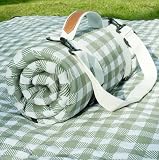





Recommended reads:
- Seasonal Self Care Ideas for Every Time of Year
- Autumn Self Care Ideas for a Slower More Grounded Season
- Summer Self Care Ideas for Feeling Fresh Balanced and Rested
- A Weekly Self Care Schedule That Actually Fits Your Life
- A Mindful Morning Routine for a Calmer Start to the Day
The Body Wake-Up After Winter
The Energy Lift Is Biological
Daylight hours increase by roughly four minutes per day in early spring. By the end of March, sunrise has moved more than an hour earlier than it was in late January. Vitamin D synthesis restarts. Serotonin production rises. The body responds within about two weeks of consistent exposure to the new light pattern. Spring self-care leans into this biological lift rather than fighting it.
The Three-Week Adjustment Window
The first three weeks of spring feel uneven. The body remembers winter habits but the days no longer fit them. Bedtimes drift later because the light stays longer. Mornings get easier because cortisol rises with the earlier sunrise. Honor the transition by adjusting one habit per week rather than rebuilding the entire routine at once.
The Spring Nutrition Shift
From Heavy to Light
Winter foods (stews, roasted root vegetables, heavy starches) gave the body what it needed in cold months. Spring asks for lighter versions of the same nutrition. Greens (spinach, arugula, watercress), citrus (oranges, grapefruit, lemons), sprouts, microgreens, and lighter proteins. The shift is gradual; force it in one week and most people end up missing the comfort of the heavier rotation.
The Three Easy Adds
One handful of greens at lunch every day. One piece of citrus before coffee in the morning. One spring salad instead of a soup at dinner twice a week. The three additions cover most of the nutritional shift the body wants. Cost is minimal; the effect on energy compounds across the first month.
The Skincare Lightening
From Cream to Layered Hydration
Winter skincare favors heavier creams that prevent transepidermal water loss in dry indoor air. Spring shifts that to layered hydration: a humectant serum on damp skin (hyaluronic acid, niacinamide), followed by a lighter moisturizer. The occlusion drops; the water content rises. Skin reads as fresher within about two weeks of the swap. The best hydrating serums guide covers the spring-friendly picks.
The SPF Restart
Most women relax SPF discipline in winter when sun feels less relevant. Spring is the reminder to restart. UV exposure increases sharply between March and May, and the skin is often less acclimated to it than it was in October. Daily mineral SPF, applied every morning regardless of how cloudy the sky looks. The morning skincare routine guide covers the spring version of the daytime sequence.
Outdoor Movement and Light Reset
Walks Beat Workouts in Early Spring
The first weeks of spring are not the right time to attempt a new intense workout schedule. The body is still recalibrating to new daylight and rising temperatures. Long walks (thirty to forty-five minutes, outside, ideally during morning or early afternoon light) outperform new gym programs for both mood and consistency. The movement is light; the cumulative effect is large.
The Morning Light Anchor
Ten to fifteen minutes of outdoor morning light within an hour of waking anchors the circadian rhythm to the new spring pattern and improves sleep quality through summer. The cheapest seasonal self-care intervention available, and the one most consistently overlooked. The morning routine ideas menu covers spring-friendly variations.
Spring Cleaning as Mental Practice
Not the Chore Version
Spring cleaning as productivity advice is a chore. Spring cleaning as mental practice is a real reset. The difference is in approach: instead of attacking the whole house in a weekend, choose one room per week across four weeks. Each room gets a deep clean plus a small intentional shift (a new throw blanket, a single bouquet of flowers, a rearranged shelf). The cumulative effect on mood by the end of April is meaningful.
The Closet Move
The wardrobe switch is the most cited spring-cleaning ritual because it produces the most visible result. Pack away the heavy winter pieces. Bring forward the lighter spring rotation. Donate anything that didn’t get worn through the entire winter. The act of switching the wardrobe doubles as a small grief ritual for winter and a small welcome for what’s next. The self-care essentials guide covers the kit that supports the practice.
Light Foods for the Lighter Season
A Sample Spring Day of Eating
Breakfast: yogurt with berries and a piece of citrus. Lunch: a green salad with a protein, dressed lightly. Snack: an apple with almond butter. Dinner: a spring vegetable stir-fry, a piece of fish, or a lighter roast. The pattern is intentionally simple. Lighter food cooked at home outperforms most expensive spring detox programs.
What to Skip
The detox industry sells spring as a season for cleanses, juice fasts, and elaborate elimination protocols. The evidence base for any of those interventions is thin. The honest version of spring nutrition is more vegetables, less heavy food, more water, slightly smaller portions. The compounding effect across six weeks does what cleanses promise.
Keeping the Spring Momentum
The Pivot to Summer
By mid-May the spring practices should feel automatic. The transition into summer asks for less change than the winter-to-spring shift. The morning light habit continues. The lighter food stays. SPF discipline holds. The wardrobe finishes its switch. The simple self-care habits guide covers the daily versions that hold across all seasons.
The Common Failure Mode
The most common reason spring self-care doesn’t last is attempting all of it in one week. The body cannot absorb seven habit changes simultaneously. Add one habit per week across six weeks. By week six, all six changes are in place and the rhythm of summer is ready to inherit them.
Spring Self Care FAQs
How do I transition self-care from winter to spring?
Adjust one habit per week across the first six weeks of spring. Start with morning light exposure. Then shift skincare to layered hydration. Then add greens and citrus to lunch. Then restart SPF discipline. Then take walks outside. Then run the wardrobe switch.
What foods should I eat in spring?
Greens (spinach, arugula, watercress), citrus (oranges, grapefruit, lemons), sprouts, microgreens, and lighter proteins. The shift is gradual rather than dramatic. Three easy adds (greens at lunch, citrus before coffee, salad twice a week) cover most of the nutritional change the body wants.
Do I need different skincare in spring?
Yes, slight changes. Swap heavier winter creams for layered hydration: a humectant serum on damp skin, then a lighter moisturizer. Restart daily SPF discipline since UV exposure rises sharply between March and May.
How do I actually spend more time outdoors?
Anchor it to an existing habit. Take morning coffee outside. Walk to lunch instead of ordering in. Move one evening commitment outdoors (a phone call, a friend meet-up). Ten to fifteen minutes of morning light is the highest-return spring habit.
Is spring cleaning really self-care?
When approached as a chore, no. When approached as a mental reset (one room per week, with a small intentional shift in each room), yes. The cumulative effect by the end of April is genuinely restorative.
How do I keep the spring momentum into summer?
Hold the four highest-return habits (morning light, lighter food, daily SPF, outdoor movement) into June. Summer asks for less new effort because spring has already built the rhythm. The compounding pays off through July and August.
Key Takeaways
- Daylight hours increase by roughly four minutes per day in early spring; vitamin D and serotonin both rise within about two weeks of consistent exposure.
- Three easy nutrition adds cover most of the spring shift: greens at lunch, citrus before coffee, salad twice a week.
- Spring skincare shifts from heavy creams to layered hydration: humectant serum on damp skin, then a lighter moisturizer.
- Ten to fifteen minutes of outdoor morning light is the highest-return spring self-care intervention; cost is zero.
- Add one habit per week across six weeks. Attempting all six at once is why most spring resets fail.
How Do You Ease Into Spring Self Care After Winter?
Spring self-care is the practice of lightening what winter weighted. Lighter food, lighter skincare, more outdoor light, the wardrobe switch, the morning coffee taken outside instead of in. Six small adjustments across six weeks, added one at a time. By mid-May the new rhythm is set and summer can inherit it without further work. The season does most of the lifting; the body just needs permission to follow.
If your January soft start went well, my New Year self-care ideas connect naturally to this season, and these creator self-care habits are worth a look if screen time is part of what winter left behind.
Last update on 2026-10-08 / Affiliate links / Images from Amazon Product Advertising API