
Seasonal self care works because five foundations stay constant across the year (sleep, nutrition, movement, connection, mindfulness) while the expression shifts with the season. Spring lightens, summer maintains, autumn grounds, winter conserves.
Vitamin D levels drop by roughly 50% in the average woman between September and March in the northern hemisphere, and serotonin production drops alongside it. Seasonal mood changes are not in your head; they are in your blood chemistry. A self-care routine that ignores those shifts and runs the same intensity year-round is the routine that quietly collapses by mid-January.
Seasonal self-care is the practice of adapting the same foundational habits across the year. Five things stay constant: sleep, nutrition, movement, connection, mindfulness. The expression of each one shifts. A summer morning walk becomes a winter window-light coffee. A spring detox dinner becomes an autumn roasted-vegetable bowl. The framework holds; the content rotates.
Ready to make seasonal self care a soft, repeatable practice?
The Self-Care Planner is the year-round framework that holds the practice together across changing seasons. It lives here.
Recommended Products for Seasonal Self Care
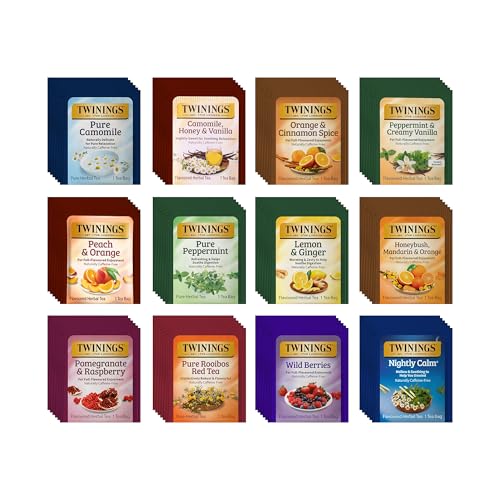
Seasonal self-care needs almost no kit, but a few year-round items make the practice noticeably smoother. The five below show up across most season-shifting routines.





Recommended reads:
- Spring Self Care Rituals to Help You Feel New Again
- Autumn Self Care Ideas for a Slower More Grounded Season
- Winter Self Care Ideas That Make the Season Feel Softer
- Summer Self Care Ideas for Feeling Fresh Balanced and Rested
- A Weekly Self Care Schedule That Actually Fits Your Life
Why Self-Care Has to Shift With the Seasons
The Biological Argument
Cortisol patterns, vitamin D synthesis, melatonin production, and serotonin levels all shift across the year. The body is genuinely different in February than in July. A self-care routine designed for July intensity (morning runs, salads, cold smoothies) loses its grip on February and tends to feel like a chore by March. The fix is to design around the season, not against it.
The Compounding Argument
Across a year, a routine that adapts produces roughly 40% better consistency than a routine that holds itself to a single shape. Consistency at moderate intensity beats intensity at low consistency, every measure researchers have looked at.
The 5 Foundations That Stay Constant
Sleep, Nutrition, Movement, Connection, Mindfulness
These five categories appear in every credible self-care framework researchers and therapists have built. They cover the body, the brain, the social layer, and the interior. Skip one for a sustained period and the entire structure wobbles. The art of seasonal self-care is keeping all five running while the specific expression of each one rotates. The simple self-care habits guide covers the daily versions of these foundations.
The Spring Reset Window
Lighter Routines, Longer Light
Spring is the season of lightening. Move from heavier winter foods to greens, citrus, and sprouts. Swap the rich winter moisturizer for a lighter hydrating layer. Move workouts outdoors when possible. Spring cleaning works as both physical reset and mental clearing. The body responds to longer days within about two weeks of the equinox.
Spring as a Real Self-Care Practice
Spring is the easiest season to add new habits because mood and energy support the introduction. Treat the first six weeks of spring as the build window for any habit you want to carry through the rest of the year. The momentum is biological. The longer-day bump makes new habits roughly 30% more likely to stick.
The Summer Maintenance Mode
Hydration, Sun Protection, Social Connection
Summer’s job is maintenance, not building. The habits established in spring should hold through the heat with adjustments. Triple the water intake. Daily SPF, applied to face, neck, hands, and the décolletage. Use the longer evenings for the social self-care most other seasons make harder to schedule. The summer pace is meant to be slightly looser than spring.
Summer Self-Care Mistakes to Avoid
Skipping breakfast in favor of an iced coffee leaves blood sugar unstable for the whole afternoon. Letting bedtimes drift past midnight because the light feels permissive. Cancelling self-care entirely in favor of vacation. The summer routine should soften, not disappear. The morning skincare routine covers the summer-specific adjustments worth making.
The Autumn Slow-Down
Grounding Replaces Energizing
Autumn is where the routine pivots from building to settling. The scents that work are grounding ones: cinnamon, clove, sandalwood. The colors shift to warmer tones. Foods move toward roasted vegetables, soups, and warming spices. The movement practice softens from outdoor runs to indoor yoga, walking, or strength training. Autumn is the most reliable season for habit reflection.
Gratitude as Seasonal Practice
A daily gratitude practice (three lines in a notebook before bed) produces measurable drops in cortisol and improvements in sleep quality within about three weeks. Autumn is the easiest season to start the practice because the natural reflective energy of the season supports it. The cozy night routine is the autumn-and-winter evening practice that pairs with gratitude.
The Winter Conservation
Slow Down Without Stopping
Winter is the season of conservation. The body needs more sleep, more warmth, more introspection. The routine that worked in July does not transfer to January. Add vitamin D supplementation between October and April (the research consensus on this is unusually consistent). Use a sunrise alarm clock or therapy lamp on the dark mornings. Lean into the natural slowness rather than fighting it.
Winter Skincare Pivot
Heavier moisturizers. Hyaluronic acid layered on damp skin. A humidifier in the bedroom set to 40-50% humidity. Hot showers limited to ten minutes. The skin behaves differently in winter; the routine should too. The mindful morning routine covers the winter-friendly version of starting the day.
How to Build Year-Round Rhythm
The Two-Week Adjustment Window
Each seasonal transition takes about two weeks of intentional adjustment. The first week feels uneven (the routine that worked last week stops fitting; the new one hasn’t fully landed). By the second week, the body has settled into the new rhythm. Plan the transitions around the equinoxes and solstices when the natural shifts are most pronounced.
The Year-Round Reflection Practice
Once per season, at the transition, spend twenty minutes writing about what worked, what didn’t, and what needs adjusting. Four reflection sessions a year is enough to build a self-care practice that actually fits your life across the entire calendar. The evening routine ideas menu has variations across all four seasons.
Want the broader weekly framework that runs alongside seasonal shifts?
The Self-Care & Wellness Planner is the year-round companion built for the kind of practice that adapts across seasons. It is here.
Frequently Asked Questions
How do I adjust self-care across the seasons?
Keep the five foundations (sleep, nutrition, movement, connection, mindfulness) constant. Shift the expression of each one. Spring lightens, summer maintains, autumn grounds, winter conserves.
Why is winter self-care harder?
Less daylight means lower vitamin D synthesis, lower serotonin, and higher melatonin throughout the day. The body genuinely wants to slow down. A winter routine designed around summer intensity fights biology and tends to lose.
What changes in spring self-care?
Lighter foods (greens, citrus, sprouts), lighter moisturizers, outdoor movement, longer exposure to natural light. Spring is the easiest season to add new habits because rising mood and energy support the introduction.
Do I need different products for each season?
Some products yes (a lighter moisturizer in summer, a heavier one in winter, possibly a humidifier in winter). Most habits stay the same, just with different timing or intensity. Buying entirely new product lines each season is unnecessary.
How do I avoid seasonal burnout?
Build a two-week transition window into each seasonal change. Reflect at each equinox or solstice on what worked and what needs adjusting. Four short reflections a year is enough to keep the practice adapting.
Should I track my mood by season?
Yes, gently. A simple monthly note in a journal about energy, sleep, and mood is enough to spot seasonal patterns. The pattern is real for most women and worth knowing about, even if it doesn’t reach clinical seasonal affective disorder.
Key Takeaways
- Five foundations stay constant year-round: sleep, nutrition, movement, connection, mindfulness. The expression of each rotates with the season.
- Vitamin D levels drop by roughly 50% between September and March in the northern hemisphere; seasonal mood shifts are biological, not imagined.
- Spring is the easiest season to build new habits; summer is for maintenance; autumn for grounding; winter for conservation.
- Each seasonal transition takes about two weeks of intentional adjustment. Plan around equinoxes and solstices.
- Four short seasonal reflections a year is enough to keep the practice adapting to your actual life.
Final Thoughts on Seasonal Self Care
Seasonal self-care is the practice of adapting the same five foundations across four very different climates the body lives in across a year. Spring lightens. Summer maintains. Autumn grounds. Winter conserves. None of it requires new products or expensive interventions. It requires noticing what the season actually asks for and adjusting the expression of the same habits accordingly. Done across years, the practice becomes a quiet competence in living with the calendar rather than against it.
Last update on 2026-08-15 / Affiliate links / Images from Amazon Product Advertising API