

The night skincare routine that produces visible glow follows a specific order: oil cleanser, water-based cleanser, exfoliating toner (2-3 nights a week), hydrating essence, brightening serum, retinol or AHA, hyaluronic acid, eye cream, moisturizer, and a face oil to seal. Twelve steps maximum. Eight to ten minutes total.
Quick answer: The night skincare routine for a morning glow follows this order: oil cleanser, water-based cleanser, exfoliating toner a few nights a week, hydrating essence, serums, eye cream, night moisturizer, and an optional face oil to seal.
What does a night skincare routine that actually produces glow look like?
Twelve steps, in order, taking about eight to ten minutes. The skin enters its repair window between 10 PM and 2 AM, cell regeneration peaks, blood flow increases, and the barrier becomes noticeably more permeable. The products applied at night absorb at higher rates than the same products would in the morning. The night routine matters more than the morning routine by a real margin, and the rest of this post is the sequence, the ingredients, and the order that makes the difference between a routine that produces visible change and one that just feels indulgent.
Recommended Products for a Night Skincare Routine
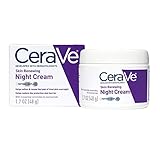
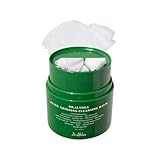
Five product categories anchor any night skincare routine. The five below are the items most often on the bathroom shelves of women whose nighttime skin actually responds to the work.


Recommended reads:
- A Morning Skincare Routine for Dewy Glowing Skin
- An Evening Skin Reset for Repair While You Sleep
- Skincare Essentials Every Woman Over 30 Should Own
- The Best Night Creams for Stress Related Breakouts
- The Best Barrier Repair Products for Sensitive Skin
The Night Skincare Routine, Step by Step
1. Oil Cleanser or Balm

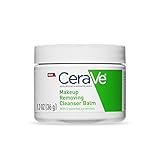
Oil-based cleansing is the unsung first step that decides how well the rest of the routine works. Applied to dry skin and massaged for about a minute, an oil cleanser dissolves makeup, sunscreen, and the sebum that has built up through the day. Water-based cleansers cannot reach this layer. The oil step is what makes everything else possible.
2. Water-Based Cleanser


After the oil step, a gentle pH-balanced water-based cleanser removes the residue. Look for a cleanser at pH 5.5 or below; higher pH (typical bar soap is around 9) strips the acid mantle and weakens the barrier. Massage for 30 to 60 seconds. The double cleanse is non-negotiable for anyone wearing makeup, SPF, or living in a city.
3. Exfoliating Toner (2-3 Nights a Week)


Glycolic acid, lactic acid, or BHA salicylic acid in a leave-on toner format. Not every night. Two to three nights a week is the sweet spot for most skin. The exfoliating toner is what creates the smoother texture and brighter tone that the rest of the routine reveals. For deeper coverage on exfoliating actives, the best serums for tired dull skin guide has the full breakdown.
4. Hydrating Essence


Korean skincare’s quiet contribution to the global routine. A watery essence applied before serums adds an extra layer of hydration that primes the skin for everything above it. Two to three light slaps onto the face, then let absorb for thirty seconds.
5. Brightening Serum (Vitamin C, Niacinamide, or Azelaic)


The brightening active. Vitamin C is more often morning; at night, niacinamide or azelaic acid tend to work better. Niacinamide pairs well with everything and supports the barrier. Azelaic acid is the underrated one for tone and redness. Either one fades post-acne marks over six to eight weeks.
6. Retinol or Treatment Serum


The heavy-lift active. Retinol, retinal, or prescription tretinoin if your skin can tolerate it. Use 0.25% to 0.5% for the first three months. Sandwich with moisturizer if dryness arrives. Skip on nights you used an exfoliating toner. Pair with daily SPF the next day without exception. The visible payoff arrives at twelve weeks, not twelve days.
7. Hyaluronic Acid Serum


Applied to damp skin (this matters), HA pulls water into the upper skin layers and locks it there. The damp-skin instruction is the most common mistake in the entire routine; on dry skin in a dry climate, HA can actually pull moisture out instead of in. Apply within 30 seconds of cleansing or after a hydrating mist. For the deeper guide on HA picks specifically, the best hydrating serums covers the category in full.
8. Eye Cream

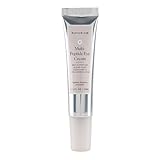

The case for a separate eye cream is contested; the case for treating the under-eye area gently is not. A peptide-based eye cream or a gentle moisturizer applied with a ring finger to the orbital bone (not directly under the eye) is what most dermatologists actually recommend. Five seconds. The cumulative effect over a year shows in the corners of the eyes.
9. Night Moisturizer


Heavier than morning moisturizer. Ceramide-rich. Often with niacinamide or peptides built in. The night moisturizer’s job is to lock in everything underneath and support the barrier through the eight hours of repair. Skipping it cuts the effectiveness of the entire routine by about thirty percent.
10. Face Oil (Optional but Recommended)
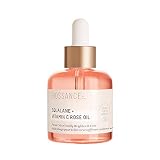


Three drops of a lightweight oil (rosehip, squalane, or jojoba) pressed into the skin as a final step. The oil creates an occlusive layer that prevents transepidermal water loss overnight and amplifies the absorption of everything underneath. Skip if your skin is genuinely oily; substitute with a heavier moisturizer instead. The dry skin body care guide covers the body oil equivalent of the same principle.
11. Lip Balm


The lips have a thinner barrier than the rest of the face and lose moisture overnight faster than any other facial area. A thick balm or lip mask is the smallest step in the routine and produces the most visible morning improvement. Lanolin-based balms outperform petroleum-based ones for overnight repair.
12. Optional Sleep Mask (Twice a Week)


Once or twice a week, a sleep mask layered over the full routine. Look for one with ceramides, hyaluronic acid, or panthenol. The mask creates an occlusive seal that doubles the overnight absorption of every product underneath. Reserved for nights when the skin needs extra support. The full version of this practice lives in the evening skin reset guide. The bedtime rituals and broader cozy night routine cover how the skincare fits into the wider wind-down.
Night Skincare Routine FAQs
How long should a night skincare routine take?
Eight to ten minutes for the full twelve-step routine. The double cleanse is two minutes; the rest of the layering takes about six. The mistake is rushing the absorption between steps; thirty seconds between each helps the products actually work.
Do I need to do all 12 steps every night?
No. Most people run an 8 to 10 step version daily and rotate the treatment active (retinol vs AHA vs azelaic) across the week. The sleep mask is a twice-weekly addition. The face oil is optional for oily skin types.
In what order should night skincare go?
Oil cleanser, water cleanser, exfoliating toner (if using), hydrating essence, brightening serum, treatment active (retinol or AHA), hyaluronic acid on damp skin, eye cream, night moisturizer, face oil, lip balm, sleep mask (occasional). The order matters because the products absorb in sequence; reversing weakens the entire routine.
Can I use retinol every night?
Eventually, yes, after about three months of building tolerance. The first month is twice weekly. The second month is three to four times weekly. After three months, nightly use is sustainable for most people, but never on the same night as exfoliating acids.
Does a night skincare routine actually make a difference?
Yes, more than the morning routine does. Cell regeneration peaks between 10 PM and 2 AM, skin is more permeable, and the lack of sun exposure means active ingredients can work uninterrupted. The night routine is where visible changes come from.
How long until I see results?
Hydration changes in three to seven days. Brightness improvements in two to three weeks. Fine line softening and pigmentation fading takes eight to twelve weeks. Stick with one routine for at least eight weeks before judging effectiveness.
Key Takeaways
- The skin enters repair mode between 10 PM and 2 AM, which makes night skincare more impactful than morning skincare.
- Order matters: oil cleanser, water cleanser, hydrating layers, treatment active, moisturizer, sealing oil.
- Hyaluronic acid must be applied to damp skin or it pulls moisture out instead of in.
- Retinol takes 12 weeks to show its full effect; do not abandon it before that mark.
- A face oil as the final step prevents overnight moisture loss and amplifies everything underneath.
What Order Should Your Night Skincare Routine Follow?
A night skincare routine done well is the closest thing skincare has to a guaranteed glow. Twelve steps maximum, eight to ten on most nights, the right order followed without rushing. The cumulative effect at twelve weeks is the kind of skin that does not need filters. The cumulative effect at twelve months is the kind that gets asked what your secret is. The secret is the order.
If you are still choosing products, my list of the best skincare products for night narrows it down, and the beginner skincare routine order is a simpler starting point if twelve steps feels like a lot.
Last update on 2026-10-09 / Affiliate links / Images from Amazon Product Advertising API