

The best serums for tired dull skin pair a brightening active such as vitamin C, niacinamide, or azelaic acid with a humectant like hyaluronic acid or PDRN, and a gentle resurfacer such as glycolic or lactic acid. Layer one in the morning, one at night, and treat SPF as part of the routine, not an optional finish.
Quick answer: The best serums for tired dull skin pair a brightening active like vitamin C, niacinamide, or azelaic acid with a humectant such as hyaluronic acid or PDRN, plus a gentle glycolic or lactic acid resurfacer.
Serums work best on skin that isn’t over-scrubbed. The American Academy of Dermatology advises exfoliating gently and moisturizing right after (how to exfoliate safely at home), and puts daily sunscreen at the top of its skin care secrets for healthier-looking skin.
There is a particular hour of the day, somewhere between the third coffee and the moment the overhead lights come on, when your skin tells the truth. The foundation is doing its best. The under-eye concealer is holding its breath. And the surface still reads a little flat, a little quiet, a little like it had a longer week than you did.
Dullness, the dermatologists will tell you, is rarely a single problem. It is a small conspiracy of dehydration, slowing cell turnover, and a barrier that has been quietly under-supported for years. Which is good news, in a way. A complicated cause means there is more than one place to intervene, and the interventions are almost always smaller than the beauty internet suggests.
The playbook below covers a quietly opinionated tour of the serum categories that earn their place on a bathroom shelf in your 30s. Some are the well-loved classics. Some are newer arrivals from Seoul that deserve the airtime. Each is grouped by what it actually does, with a single Amazon pick worth bookmarking under each.
Recommended Serums and Skincare Products
Before going through the categories one by one, here are the broad bestseller lists worth bookmarking. These are the products doing the most volume on Amazon right now in the serums and skincare essentials categories, and they are a useful starting point if you want to see what is selling before reading the deeper breakdowns below.


Recommended reads:
- The Best Hydrating Serums for Dehydrated Oily Skin
- The Best Barrier Repair Products for Sensitive Skin
- Skincare Essentials Every Woman Over 30 Should Own
- Luxury Vitamin C Serums for Glow and Dark Spots
- A Morning Skincare Routine for Dewy Glowing Skin
Brightening Serums for Tired Dull Skin
1. Vitamin C Serum


There is a reason every skincare counter from Sephora to a Seoul Olive Young keeps vitamin C front and centre. It is the closest thing skincare has to a brightening instant, the active that gives skin back its ability to reflect light evenly. L-ascorbic acid at 10 to 15 percent does the heavy lifting on resilient skin, while the gentler ester forms (ascorbyl glucoside, tetrahexyldecyl ascorbate) are kinder to anyone who flushes easily. The morning is its natural home, on slightly damp skin, underneath moisturiser, followed by SPF as a matter of course. Visible brightness tends to arrive within a fortnight; dark spots take a fuller two months. The trap is buying a bottle for a wedding and forgetting it lives in the cabinet by Tuesday.
2. Niacinamide Serum


If you are new to actives and the entire skincare aisle feels mildly threatening, start here. Niacinamide is a form of vitamin B3 that quietly does the work of three or four different serums, evening skin tone, softening the appearance of pores, supporting the barrier, and politely managing oil. Five percent is enough for most people. Ten percent is for skin that has been visibly congested and can handle a stronger nudge. It layers with almost everything, sits well under makeup, and rarely argues with retinol or acids on the rotation. Of all the serums in this guide, it is the one most likely to become a forever staple without ever being the star of the routine.
3. Hyaluronic Acid Serum
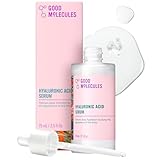

The most common piece of bad skincare advice on the internet is that hyaluronic acid should be applied to dry skin. It should not. As a humectant, it draws water toward itself, and on a dry face in a dry climate it can pull moisture out of the lower skin layers rather than into them. Apply it to damp skin instead, ideally within thirty seconds of cleansing, and follow with a moisturiser to seal the water in. Multi-weight formulas, which include short, medium, and long-chain molecules, hydrate at different depths and tend to give the most satisfying plump. For dehydrated dullness, this is the fastest visible win in skincare. My night skincare routine covers exactly where it fits in the order.
4. PDRN Glass-Skin Serum


From Seoul, with very few apologies, comes PDRN, short for polydeoxyribonucleotide, a salmon-derived fragment that has quietly become 2026’s most-photographed active. It is what the K-beauty industry reaches for when the goal is bouncy, dewy, faintly wet-looking skin without the cost or clinic visit of an injectable. Beauty editors have settled on the Anua PDRN hyaluronic acid serum as the most reliable shelf-stable option, layering three weights of HA with a touch of peptide. The texture sits somewhere between a milk and a watery essence, and the finish under foundation reads almost like a filter that survived the wash test.
Exfoliating Serums for Smoother, Brighter Skin
5. Glycolic Acid Serum


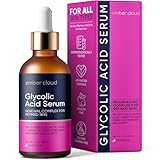
Where moisturisers and antioxidants work invisibly over months, an AHA reveals itself within a single week. Glycolic acid is the small-molecule alpha hydroxy that dermatologists still rank first, partly for its size and partly for the depth at which it works. Five to seven percent is enough to see smoother light reflection in ten days. Anything above that belongs to the territory of professional cleansing. Two nights a week is the most underrated frequency. Three is the cap for most of us. Glycolic and retinol do not belong on the same evening, no matter what the bottle implies. For gentler options when this feels too sharp, the guide to luxury exfoliants for smoother skin is a softer landing.
6. Lactic Acid Serum


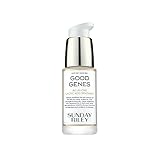
Permission to skip glycolic, if your skin has ever responded to it with a faint stinging that lingered past breakfast. Lactic acid is the larger, slower-working AHA derived originally from milk, and its size means it stays nearer the surface, exfoliating more quietly and irritating far less. There is a small bonus: lactic acid is also mildly humectant, so the skin barrier comes out of the resurfacing a little better hydrated than it went in. It is the AHA to suggest to a reactive friend, a friend coming back from over-exfoliating, or anyone whose retinol is currently being negotiated. Two nights a week, alternated with a barrier night, and the texture starts to settle around week three.
7. Mandelic Acid Serum


Mandelic acid is the AHA almost nobody mentions, partly because its largest-molecule structure makes it the slowest of the family. The patience pays off. Derived from bitter almonds, mandelic works at the most superficial layer and tends to leave even very sensitive skin entirely undisturbed. Brightening still arrives. Texture still softens. The risk of barrier damage stays low. Pair it with niacinamide on the same evening for a tone-evening duo, two or three nights a week, and use the off-nights for something quietly restorative. It is the answer for the friend whose skin reacts to everything more pronounced.
Tone-Evening Serums for Redness and Dark Spots
8. Azelaic Acid Serum


Azelaic acid sits in a strange spot in beauty cabinets: dermatologists love it and shoppers somehow miss it. The 10 percent over-the-counter version calms redness, softens post-acne marks, takes a steady chip at melasma, and refines the look of texture, all without the photosensitivity that comes with vitamin C and retinol. Use it morning or night, layered under moisturiser, and continue using it for a full eight weeks before forming an opinion. The azelaic acid benefits breakdown covers exactly why dermatologists keep recommending it for the kind of stubborn tone that other actives only partially solve.
9. Tranexamic Acid Serum


Ask a pigmentation specialist what they would prescribe if they could only choose one thing, and tranexamic acid will appear in the answer almost every time. It interrupts the chemical signal that tells skin to produce pigment in the first place, which is why it works on the stubborn marks that vitamin C and retinol can fade but not finish. Two to three percent is the working concentration, and most formulas pair it with niacinamide for a wider brightening effect. Pigmentation is the slowest skin concern to resolve. Twelve weeks is the honest starting line; six months is where the real shift becomes visible. The serum to keep on the shelf if even tone matters more than instant glow.
10. Resveratrol Serum


City skin and country skin age differently. A morning commute through traffic, a smoke-coloured afternoon sky, even a long flight: these are the small daily oxidative loads that wear at a complexion in ways sunscreen alone cannot answer. Resveratrol, the plant antioxidant best known from red wine, is the night-time counterpart to a morning vitamin C. It neutralises free radicals while the skin rests, often paired with ferulic acid and vitamin E for a broader spectrum effect. Apply it after cleansing, before the heavier moisturiser, and treat it as the antioxidant insurance for whichever city you live in.
Anti-Aging and Barrier Serums for Long-Term Glow
11. Retinol Serum


Every dermatologist asked about ageing skin will, at some point in the consultation, say a version of the same sentence: if you do one thing tonight, start retinol. The evidence behind it is the deepest of any cosmetic active. Over six months, retinol speeds cell turnover, thickens the dermal layer, softens fine lines, and fades the kind of dullness that hydration cannot reach. The introduction is slow and deliberate. Start at 0.25 percent two nights a week, build to four over twelve weeks, sandwich with moisturiser if dryness arrives, and apply SPF the following day without fail. The first month is often unflattering. The skin that emerges after twelve weeks is the version that does not need filters.
12. Bakuchiol Serum
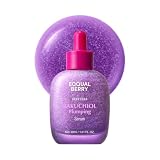

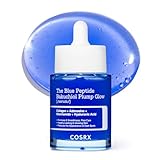
Picture the morning after a retinol night gone wrong: the patchy flaking around the nose, the faintly raw cheekbones, the moisturiser that suddenly stings. For anyone who recognises the scene, bakuchiol exists. Derived from the babchi plant, it appears to activate the same skin pathways as retinol with none of the irritation, the photosensitivity, or the pregnancy concerns. The trade-off is gentler results over a longer arc. Twice daily use is welcome, layered over a humectant. For anyone pregnant, breastfeeding, or simply tired of negotiating with their skincare, bakuchiol is the calmer answer to the same question retinol asks.
13. Peptide Serum
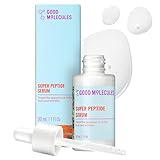


Walk through what peptides actually do, and the value of the category becomes clearer. Short chains of amino acids signal to skin cells to produce more collagen, more elastin, and stronger barrier proteins; they essentially leave instructions without forcing a result. Copper peptides aid repair, Matrixyl 3000 softens fine lines, and Argireline targets the expression lines that form between the brows and around the mouth. None of this happens with the speed of an acid or the visibility of a vitamin C. Peptides are the quiet investment, the active that pays back in year three of using it rather than month two. Layer them at night, under the moisturiser, and forget they are working.
14. Ceramide Serum


Sometimes the fastest route to brighter skin is to stop using the brightening products entirely. A fried barrier reflects light poorly no matter how much vitamin C it has met that week. Ceramides are the lipids skin makes naturally to hold itself together, and a good ceramide serum reintroduces them alongside cholesterol and free fatty acids in the ratio skin expects. Use it twice daily for two weeks with no other actives in the routine. The redness fades. The reactivity calms. Texture re-evens. The barrier care routine walks through exactly how to reset when dullness is really a barrier conversation in disguise.
15. Squalane Oil Serum


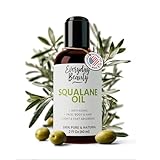
The texture is unexpected. Despite being technically an oil, squalane is nearly weightless, dry to the touch, and absorbs cleanly even on oily skin. The reason is its similarity to the skin’s own sebum, which is also why it does not cause breakouts in most people who avoid heavier facial oils. Two or three drops applied as the final step at night seal in everything underneath and give the surface the kind of soft, low-key glow that reads as health rather than product. It is the calmest, least demanding addition to any routine, and a useful answer to the question of what to use when nothing else feels right.
16. Encapsulated Multi-Active Serum


What about the readers who, very reasonably, do not want to manage eight bottles? Encapsulated multi-active serums are the editorial answer: time-released formulas that combine a brightener, a hydrator, and a barrier-supporting ingredient inside small spheres that open across the day or night. Sunday Riley Good Genes leads the lactic-acid-led camp. Beauty of Joseon Glow Serum sits in the K-beauty centre. Drunk Elephant Protini brings the peptide story. Any of the three works as a single-serum routine for anyone short on time or new to actives. The skincare-by-skin-type guide helps narrow it further by complexion.
Serums for Dull Skin FAQs
What is the fastest way to fix tired dull skin?
A hyaluronic acid serum applied on damp skin twice daily, paired with a vitamin C serum in the morning, will move the visible needle within three to seven days. Longer-term shifts from retinol, peptides, and AHAs unfold over eight to twelve weeks.
Can vitamin C and niacinamide be layered together?
Yes. The old fear that they cancel each other out was based on outdated chemistry. Modern formulations combine them safely, and the pairing tends to brighten more completely than either active alone. Apply vitamin C first on clean skin, wait one minute, then layer niacinamide on top.
How often should exfoliation happen in your 30s?
Two to three nights weekly is the sweet spot for most complexions. Going harder damages the barrier and makes dullness worse over time. If moisturiser stings after application, the routine is over-exfoliating.
Which serum is the safest starting point?
Niacinamide. It treats several concerns at once, almost never irritates, and layers comfortably with anything added later. It is the lowest-risk entry into actives for anyone whose skincare drawer is currently empty.
Is one serum enough, or are two required?
One can be enough if the routine is consistent. A morning antioxidant serum, typically vitamin C, protects and brightens; a night serum, often a retinol, peptide, or AHA, focuses on repair. If only one serum is realistic, choose the morning one.
How long should a new serum be given before declaring it a failure?
Hydration-based serums show their work within a week. Vitamin C and niacinamide tend to deliver visible changes in two to three weeks. Retinol and AHAs need a full eight to twelve weeks. Patience tends to be the missing variable.
Key Takeaways
- Dullness is usually a small conspiracy of dehydration, slow turnover, and a tired barrier, not a single isolated problem.
- The minimum routine that visibly moves the needle is a morning brightening serum, a hydrating serum twice daily, and a non-negotiable SPF.
- Retinol, peptides, and AHAs are the long-game players that need eight to twelve weeks of consistency before the verdict.
- A reactive, flaky, or stinging complexion is asking for a barrier reset before any further actives are introduced.
- Pairing a brightening active with daily sun protection is what protects the investment; skipping SPF undoes everything else.
Which Serums for Tired Dull Skin Should You Pair Together?
Tired skin in your 30s is rarely the verdict it feels like. It is a request for water, rest, and the right quiet active applied with enough patience to see it through. One serum from the brightening category, one from the hydration category, both used consistently for two months, and the surface begins to read like the version of itself that knew how to reflect light. The glow has not gone anywhere. It is simply waiting for the routine to catch up.
If your T-zone gets shiny while the rest looks flat, my serums for combination skin help balance both, and one of these sunscreens for combination skin protects the brightening work you do at night.
Last update on 2026-10-07 / Affiliate links / Images from Amazon Product Advertising API