
Azelaic acid benefits cover acne, rosacea, melasma, and post-inflammatory hyperpigmentation in the same active. The 2023 PubMed systematic review found significant improvements across all four uses at 10 to 20 percent strengths, with pregnancy-safe and barrier-friendly tolerability that few actives match.
Azelaic acid is the active a remarkable number of dermatologists would name as the first thing they would reach for if they had to pick one skincare ingredient to keep, and almost nobody outside the dermatology community is using it. The TikTok algorithm rewards retinol and vitamin C because they make better before-and-after content, but the evidence base behind azelaic acid is broader, the tolerability is gentler, and the conditions it addresses are the ones that drive people to a dermatologist in the first place.
This post is the case for azelaic acid backed by the actual research, drawing on the 2023 PubMed systematic review (which covered 20 rosacea studies plus acne and melasma trials), the DermNet clinical reference, the INKEY List’s rosacea-focused 2026 framing, and the WebMD overview.
We cover what azelaic acid actually does on the skin, the four conditions it addresses, how it compares to retinol for the ones where they overlap, and the realistic 8 to 12-week timeline for results.
By the end you will understand why this single active is having a quiet renaissance in 2026, which strengths to start with (10 percent OTC is the floor), and where azelaic acid fits inside the minimalist skincare floor without complicating the routine you already have.
Want a year-long planner that holds the skincare cadence?
The Self-Care and Wellness Planner is the year-long companion built around daily anchors, the kind of structure that turns a 12-week azelaic acid trial into a practice you actually run consistently for long enough to see the result. It lives here.
Recommended Azelaic Acid Products
Five products that meet the dermatology-recommended formulation standards. The Ordinary’s 10 percent suspension is the budget floor. Paula’s Choice and the INKEY List both formulate at evidence-supported strengths with clean ingredient lists.
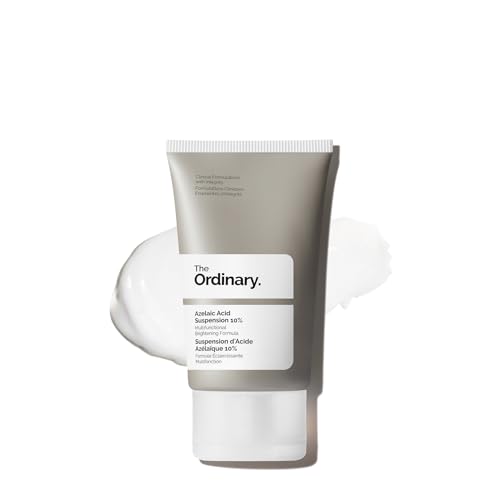


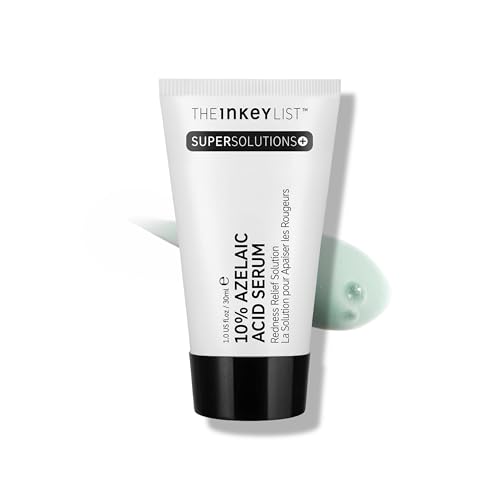
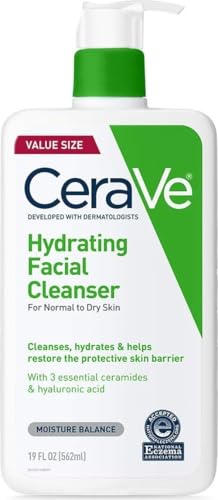

Recommended blogs to read:
- Best Serums for Tired Dull Skin That Quietly Bring Back the Glow
- Skincare by Skin Type for a Routine That Actually Works
- Skincare Routine Order for Beginners Made Simple
- A Barrier Care Routine for Healthy Glowing Skin
- Minimalist Skincare for Real Results With Fewer Products
What Azelaic Acid Actually Does
Azelaic acid is a naturally occurring dicarboxylic acid (it appears in grains like wheat, rye, and barley) with four documented effects on the skin. Antibacterial action against C. acnes (the bacteria implicated in acne). Antioxidant activity that reduces inflammation. Tyrosinase inhibition that lightens hyperpigmentation. Comedolytic action that unclogs pores.
The combination is what makes it different from other actives. Retinol does cell turnover. Vitamin C does antioxidant brightness. Salicylic acid does pore unclogging. Niacinamide does barrier and sebum regulation. Azelaic acid does meaningful versions of all four in one ingredient, at a tolerability profile that beats every single one of those alternatives.
The trade-off is that it does each one less aggressively, which is often a feature rather than a bug.
DermNet’s clinical reference notes the additional benefit that azelaic acid is anti-keratinising, meaning it normalises the way skin cells shed inside hair follicles. This is the mechanism behind its effectiveness for both acne (clogged follicles) and rosacea (inflammatory papules).
The Four Conditions It Addresses
1. Acne (mild to moderate)
The 2023 PubMed systematic review covered multiple trials comparing 20 percent azelaic acid to benzoyl peroxide and topical adapalene. Azelaic acid showed comparable lesion reduction with significantly fewer reports of irritation, dryness, and post-inflammatory hyperpigmentation. The 12-week mark was where the comparable-efficacy result became clear in the data.
2. Rosacea (papulopustular)
This is azelaic acid’s strongest use case. The PubMed review covered 20 separate rosacea studies and found significant improvements in erythema and inflammatory lesions at 12 weeks. The INKEY List built their 2026 rosacea positioning around this evidence base. For rosacea specifically, it is the active dermatologists most consistently recommend starting with before moving to prescription metronidazole or ivermectin.
3. Melasma and post-inflammatory hyperpigmentation
The tyrosinase inhibition gives azelaic acid genuine brightening action without the photosensitivity issues that make hydroquinone difficult to use long-term. The review covered studies showing meaningful melasma improvement at 12 to 16 weeks with daily 20 percent application, particularly for the inflammation-driven hyperpigmentation common after acne.
4. General barrier support and skin tone
Outside the specific conditions, azelaic acid produces meaningful improvements in skin tone, texture, and barrier function for general use. The 10 percent strength is tolerated by sensitive skin where retinol and vitamin C would cause significant irritation, which makes it the active most worth trying for the general adult who wants one active in their otherwise minimal routine.
How to Use Azelaic Acid (the Practical Sequence)
Daily application after cleansing, before moisturizer. A pea-sized amount across the whole face is the working dose. Can be used once or twice daily, though daily is where the bulk of the trial data sits. Tolerated alongside niacinamide, hyaluronic acid, ceramides, and gentle moisturizers without conflict.
Strength selection. 10 percent over-the-counter is the floor and the right starting point for almost everyone. 15 percent is the prescription strength for moderate rosacea. 20 percent is the prescription strength for stubborn acne and established melasma.
Most adults will get full benefit at 10 percent if they use it consistently for the full 12 weeks rather than chasing higher strengths.
Sunscreen alongside is non-negotiable, particularly because the brightening effect is partly undone by UV exposure. The PubMed review noted that azelaic acid users who skipped daily SPF saw significantly diluted hyperpigmentation improvement compared with consistent SPF users.
Want a weekly planner just for the routine cadence?
The Self-Care Planner is the weekly companion that holds the daily azelaic acid application, the consistency the 12-week trial actually requires, and the small daily anchors that keep the practice from drifting in week six. It lives here.
Azelaic Acid vs Retinol (Where They Overlap)
Both produce meaningful improvements in acne, skin tone, and texture. Retinol does cell turnover more aggressively and produces more dramatic anti-ageing results. Azelaic acid produces gentler but broader effects, with significantly better tolerability across sensitive skin, rosacea-prone skin, and barrier-compromised skin.
The clinical guidance has shifted noticeably toward azelaic acid first for patients who have not previously tolerated actives. Retinol is still the gold standard for established anti-ageing protocols, but for the general adult building their first active routine, azelaic acid produces less irritation and a smoother onboarding experience.
Pregnancy and breastfeeding are the situations where azelaic acid wins outright. It is rated pregnancy-safe by the relevant dermatology bodies, while retinoids are contraindicated. For pregnant or breastfeeding adults who want one active, azelaic acid is the answer with no competition.
The Realistic 8 to 12-Week Timeline
The most common reason azelaic acid users abandon the active is impatience. The PubMed review consistently shows that the significant improvements appear at the 12-week mark, not the 4-week mark. The first month produces subtle changes, the second month produces visible ones, the third month produces the dramatic improvements the studies measured.
Daily application for 12 weeks straight is the working protocol. Skipping days dilutes the result. Increasing strength does not accelerate the timeline meaningfully. The consistency over 12 weeks is the active variable, and the people who stick with it for the full window almost universally end up keeping azelaic acid as their long-term active of choice.
When Azelaic Acid Is Not Enough
Severe nodulocystic acne, severe rosacea with significant telangiectasia, and resistant melasma all warrant a dermatologist visit rather than 10 percent OTC azelaic acid. Prescription strengths and oral medications (isotretinoin for severe acne, oral antibiotics for rosacea, prescription triple-creams for melasma) all outperform the gentlest interventions for the most severe conditions.
The right frame is to treat 10 percent azelaic acid as the strong first-line intervention for mild to moderate versions of these conditions, and as the appropriate next-step after 12 weeks of underwhelming response to see a dermatologist for the prescription tier.
Frequently Asked Questions
What does azelaic acid do?
Four documented actions on the skin, antibacterial against acne-causing C. acnes, antioxidant and anti-inflammatory, tyrosinase-inhibiting brightening, and comedolytic pore-unclogging. The combination makes it effective for acne, rosacea, melasma, and general skin tone.
Is azelaic acid good for rosacea?
Yes. The 2023 PubMed systematic review covered 20 rosacea studies and found significant improvements in erythema and inflammatory lesions at 12 weeks. It is the active dermatologists most consistently recommend starting with for papulopustular rosacea.
Is azelaic acid better than retinol?
For rosacea, sensitive skin, and pregnancy-safe routines, yes. For established anti-ageing protocols, retinol still wins. For general adults building their first active routine, azelaic acid produces less irritation and a smoother onboarding.
What strength of azelaic acid should I use?
10 percent over-the-counter is the floor and the right starting point for nearly everyone. 15 percent is prescription for moderate rosacea. 20 percent is prescription for stubborn acne and established melasma. Consistency at 10 percent beats inconsistency at 20.
Can I use azelaic acid every day?
Yes. The trial data is built on daily application. Non-sensitising profile and long-term tolerability are two of its biggest advantages over retinol and stronger acids.
Does azelaic acid help with melasma?
Yes. The tyrosinase inhibition produces meaningful melasma improvement at 12 to 16 weeks of daily application, without the photosensitivity issues that make hydroquinone difficult to use long-term.
Key Takeaways
- Azelaic acid is the single active with the broadest dermatology evidence base. Effective for acne, rosacea, melasma, and post-inflammatory hyperpigmentation in one ingredient.
- The 2023 PubMed systematic review covered 20 rosacea studies plus acne and melasma trials, with significant improvements at 10 to 20 percent strengths.
- Tolerability is its biggest advantage. Gentler than retinol, vitamin C, and exfoliating acids. Pregnancy-safe. Suitable for sensitive and barrier-compromised skin.
- 10 percent over-the-counter is the floor and right starting point for most adults. Daily application for 12 weeks is the working protocol.
- Severe nodulocystic acne, severe rosacea, and resistant melasma warrant a dermatologist visit for prescription tier interventions rather than over-the-counter products.
Final Thoughts
Azelaic acid benefits cover the broadest range of conditions of any single skincare active, with the gentlest tolerability profile, and the strongest dermatology evidence base for its mid-range uses. Daily application of 10 percent over-the-counter for 12 weeks is the working protocol.
The reason it has been quietly becoming the active most dermatologists reach for first is the same reason it deserves a slot in your routine if you are building one.
Less aggressive, broader effect, and the calmest version of your skin that your skin barrier has produced in years.
Last update on 2026-08-15 / Affiliate links / Images from Amazon Product Advertising API