

Sunscreens for combination skin work best with satin-finish hybrid formulations that balance T-zone shine with cheek hydration. Supergoop! Unseen Sunscreen and Tatcha The Silk SPF 50 lead 2026 editor picks. Merit The Uniform SPF 50 is the universal-tint mineral option.
Quick answer: Sunscreens for combination skin work best as satin-finish hybrid formulas that control T-zone shine and keep the cheeks hydrated. Supergoop Unseen Sunscreen, Tatcha The Silk Sunscreen, and Merit The Uniform cover the three main finish preferences.
There is a 2pm bathroom check where your T-zone is already shining and the cheek areas somehow feel parched at the same time, and you realize the sunscreen you put on at 7am picked a side rather than handling both.
Combination skin is genuinely the hardest skin type to find a sunscreen for, because pure-matte formulations dry the cheeks and pure-dewy formulations make the T-zone shine. The working answer is the hybrid satin-finish category that has gotten dramatically better in 2026, with hybrid mineral-chemical filters and universal-tint mineral options that finally hit the in-between finish combination skin actually needs.
Recommended Sunscreens for Combination Skin at a Glance
Five of the strongest picks across the category, from drugstore to luxury. The numbered listicle further down has the honest version of which finish each one delivers.


Recommended blogs to read:
- Exfoliating Toners for Combination Skin That Keep Texture Smooth
- Moisturizers for Combination Skin That Wear Well Under Makeup
- Serums for Combination Skin That Hydrate and Balance Shine
- Combination Skin Cleansers That Clean Without Tightness
- The Best Sunscreens for Oily Skin That Do Not Feel Greasy
Why Hybrid Satin-Finish Sunscreens Are the Answer
Combination skin sits in a sweet spot where neither pure-matte nor pure-dewy formulations work, and the 2026 sunscreen advances have finally produced the in-between category combination skin needs. Hybrid mineral-chemical filters deliver high SPF with elegant finish.
Universal-tint mineral options like Merit The Uniform solve the white-cast problem with sheer pigment. Silicone-based formulations (Supergoop Unseen) blur the T-zone without drying the cheeks.
Vogue Scandinavia’s 2026 ranking and Refinery29’s SPF Awards both put Merit The Uniform at the top of the universal-tint mineral category, with Tatcha The Silk leading the luxury dewy-but-not-shiny tier. The Korean tier (Beauty of Joseon, Round Lab) leads the affordable column with the elegant chemical filters Western brands are still catching up to.
The 10 Best Sunscreens for Combination Skin
Ordered by use case rather than ranking. Each entry names the finish, the honest tradeoff, and which combination skin pattern it suits.
1. Supergoop! Unseen Sunscreen SPF 40


Clear silicone-based gel that doubles as a makeup primer. The right pick if you want the T-zone blurring without the matte finish, and you wear foundation over your sunscreen. $40 for 1.7oz, and the editor-favorite primer-sunscreen hybrid that defined the category. Drugstore parallel: Supergoop has no direct match in the drugstore tier.
2. EltaMD UV Clear Broad-Spectrum SPF 46


The dermatologist-favorite for combination and acne-prone skin specifically, with 5% niacinamide and oil-free hydration. The right pick if your combination skin breaks out and you need the niacinamide alongside the SPF. $43 for 1.7oz. The clinical-trust position the brand has held for over a decade.
3. Tatcha The Silk Sunscreen SPF 50

The luxury dewy-but-not-shiny option, with silk extract and a satin finish that wears beautifully under makeup. The right pick for combination skin that wants the luxury tier and likes the dewy-leaning aesthetic. $70 for 1.7oz. Editor pick across both Vogue Scandinavia and Refinery29 2026 lists.
4. Merit The Uniform SPF 50


Universal-tint mineral sunscreen with zinc oxide and iron oxides that disappear into most skin tones. The right pick if you want mineral SPF without the white cast, and you skip foundation. $44 for 1.7oz. The 2026 editor consensus pick for the tinted mineral category.
5. SkinCeuticals Physical Fusion UV Defense SPF 50

Tinted mineral SPF with a universal beige cast and a smoothing texture. The right pick if you want a clinical-tier tinted mineral and you skip makeup. $40 for 1.7oz. The dermatologist-recommended alternative to Merit at a comparable price point.
6. Beauty of Joseon Relief Sun: Rice + Probiotics SPF 50


K-beauty chemical sunscreen with rice extract and probiotics in a satin finish. The right pick if you want the editor-favorite affordable option and you are not sensitive to chemical filters. $18 for 1.69oz, the best-priced of the 2026 editor picks.
7. ISDIN Eryfotona Actinica


Spanish mineral SPF with DNA Repairsomes for the anti-aging combination skin user. The right pick if you are in your forties or fifties and want the mineral SPF with the added repair tech. $58 for 1.7oz.
8. La Roche-Posay Anthelios Mineral SPF 50
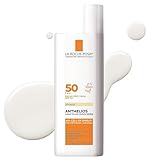

French-pharmacy mineral SPF with thermal spring water and antioxidants in a sheer finish. The right pick if you want a clinically trusted mineral option at the drugstore tier. $34 for 1.7oz.
9. Round Lab Birch Juice Moisturizing Sunscreen


K-beauty chemical SPF with birch sap (rich in xylitol) for the hydration-leaning combination skin user. The right pick if your cheeks read drier and you want the satin finish to lean dewy rather than matte. $19 for 1.69oz.
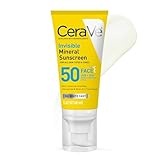
10. CeraVe Hydrating Mineral Sunscreen SPF 50 (the Drugstore Reference Point)
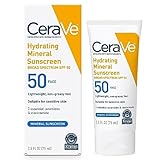
Included as the reality check. At $17 for 2.5oz, CeraVe’s mineral SPF delivers genuine zinc-oxide protection in a ceramide base that suits combination skin. The catch is a slight white cast that needs blending. The right pick if you want a clinically validated drugstore mineral SPF and you do not want to spend more than $20.
How to Layer Sunscreen Over the Rest of Combination Skin Routine
The two failure patterns for combination skin and SPF are piling at the T-zone and dryness at the cheeks. Three rules that solve both.
- Apply moisturizer first, wait two to three minutes, then apply SPF. Skipping the wait time causes the piling that shows up by 11am.
- Use two finger-lengths of SPF per face application. The standard recommendation that almost nobody follows is what produces the actual protection level on the label.
- Reapply every two hours of direct sun exposure. Powder SPF (Supergoop (Re)setting Powder, Colorescience Sunforgettable) is the right reapplication tool over makeup.
When to Skip the SPF Tier and See a Dermatologist
Active rosacea, severe photosensitivity, melasma, and actinic keratosis warrant a dermatologist visit and potentially a prescription-strength SPF protocol. Iron oxide-containing tinted sunscreens (Merit, SkinCeuticals Physical Fusion) are the dermatology-recommended picks for melasma specifically.
For pregnancy and breastfeeding, mineral sunscreens with zinc oxide and titanium dioxide are the preferred picks. Avobenzone-containing chemical SPFs are generally considered safe but have less long-term safety data.
Combination Skin Sunscreen FAQs
What is the best sunscreen for combination skin?
Supergoop Unseen Sunscreen SPF 40 for the satin-finish primer hybrid, Tatcha The Silk SPF 50 for the luxury tier, and Merit The Uniform SPF 50 for the universal-tint mineral option. All three lead 2026 editor picks for the combination skin category.
Should combination skin use mineral or chemical SPF?
Either works. Mineral SPF (zinc oxide, titanium dioxide) suits sensitive combination skin and rosacea-adjacent patterns. Chemical SPF (avobenzone, octinoxate) delivers more elegant textures and finishes. The 2026 hybrid mineral-chemical formulations combine the best of both.
Does sunscreen make combination skin oily?
Only the wrong formulation does. Oil-free, satin-finish, or matte-finish SPFs that target the combination category specifically (Supergoop Unseen, EltaMD UV Clear, Beauty of Joseon Relief Sun) deliver high SPF without adding shine to the T-zone.
Can I use the same sunscreen morning and reapply?
For touch-ups during the day, powder SPFs (Supergoop (Re)setting Powder, Colorescience Sunforgettable) layer cleanly over makeup. For full reapplication after sweating or swimming, the same liquid SPF works if you cleanse and start fresh.
How much sunscreen should I apply?
Two finger-lengths of product across the face and neck. The standard recommendation almost nobody follows is what produces the actual SPF level on the label. Underapplication is the single most common reason daily SPF underperforms.
Is mineral or chemical SPF better for combination skin?
Neither is categorically better. Mineral suits sensitive and rosacea-adjacent skin. Chemical delivers more elegant textures. The 2026 hybrid formulations (EltaMD UV Clear, Tatcha The Silk) offer the in-between option that combination skin often does best with.
Key Takeaways
- Combination skin needs the hybrid satin-finish category, because pure-matte formulations dry the cheeks and pure-dewy formulations make the T-zone shine.
- Supergoop Unseen SPF 40, Tatcha The Silk SPF 50, and Merit The Uniform SPF 50 lead the 2026 editor consensus picks across satin, luxury, and universal-tint mineral.
- Beauty of Joseon Relief Sun SPF 50 at $18 is the budget benchmark, with K-beauty chemical filters that Western drugstore brands are still catching up to.
- Apply two finger-lengths per face. Wait two to three minutes after moisturizer before applying SPF, then reapply every two hours of direct sun.
- For rosacea, melasma, and severe photosensitivity, iron oxide-containing tinted sunscreens are the dermatology-recommended picks. Active conditions warrant a dermatologist visit.
Which Sunscreen for Combination Skin Suits Your Finish?
The sunscreen category for combination skin has finally caught up in 2026. Hybrid satin-finish formulations solve the central conflict the skin type creates. Editor consensus has settled on Supergoop Unseen, Tatcha The Silk, and Merit The Uniform across the three core finish preferences.
The K-beauty tier delivers comparable results at one-third the price. The hardest part of daily SPF is no longer finding the right formulation, but the consistency of putting it on every morning without negotiation.
Sunscreen sits on top of everything else, so the layers underneath matter too. My moisturizers for oily skin suit an oily-leaning T-zone, and these cleansers for oily skin keep shine in check before you apply SPF.
Last update on 2026-10-07 / Affiliate links / Images from Amazon Product Advertising API